
Articles by Khabir Uddin (102)

Elina Svitolina Announces Separation From Gael Monfils
Elina Svitolina announced on Instagram that her marriage to Gael Monfils is ending, citing the toll of the war in Ukraine and asking for space.
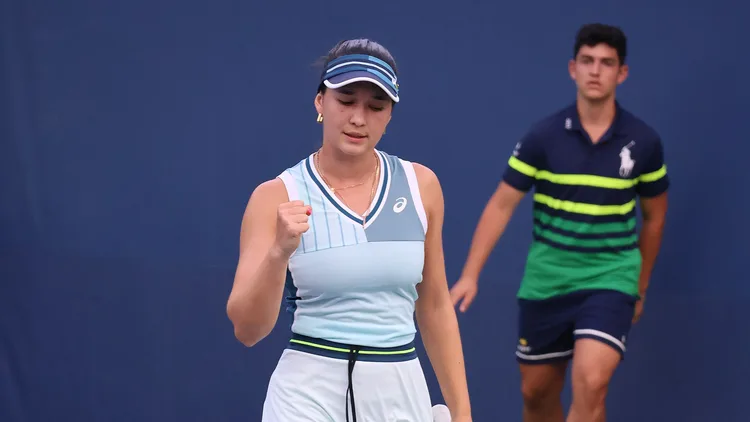
Eva Lys Ends Her 2026 Season Early to Focus on Her Health and Change Her Treatment
Eva Lys announced she is ending her 2026 season early to focus on her physical and mental health and change the arthritis treatment she has used for over six years.
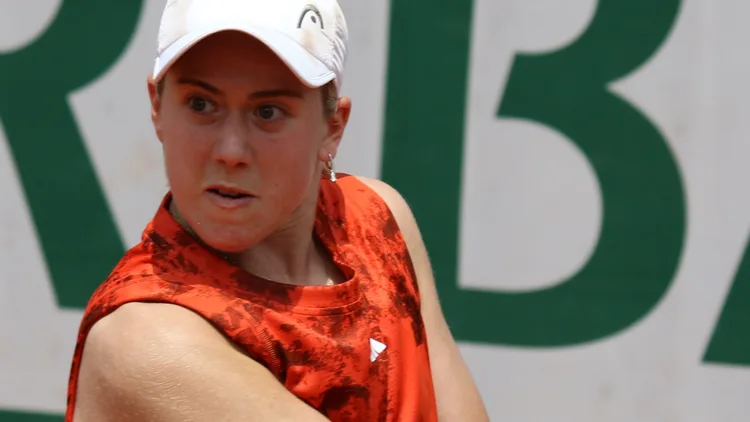
World No. 170 Sonay Kartal Becomes the Lowest-Ranked WTA 1000 Finalist in Wuhan
Sonay Kartal, ranked 170 and in her second event back from a spinal stress fracture, beat Jelena Ostapenko from 4-1 down in both sets to become the lowest-ranked WTA 1000 finalist since 2009.
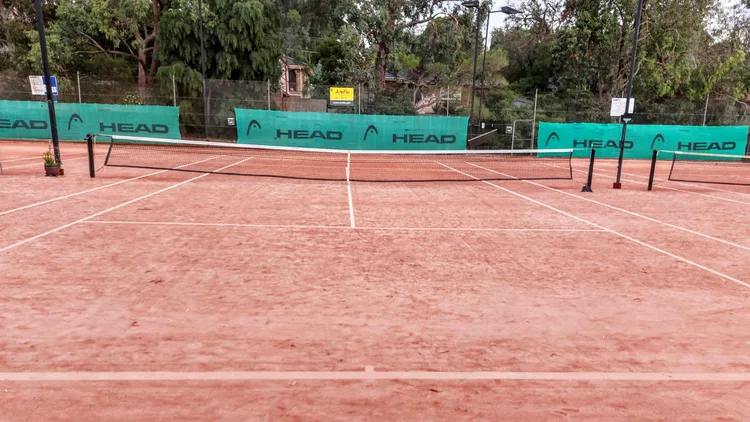
Stefan Milicevic Banned for 24 Years After Running a Match-Fixing Network
Serbia's Stefan Milicevic, a former world No. 1,338, has been banned until 2050 and fined $70,000 after the ITIA found he fixed six matches and recruited other players.
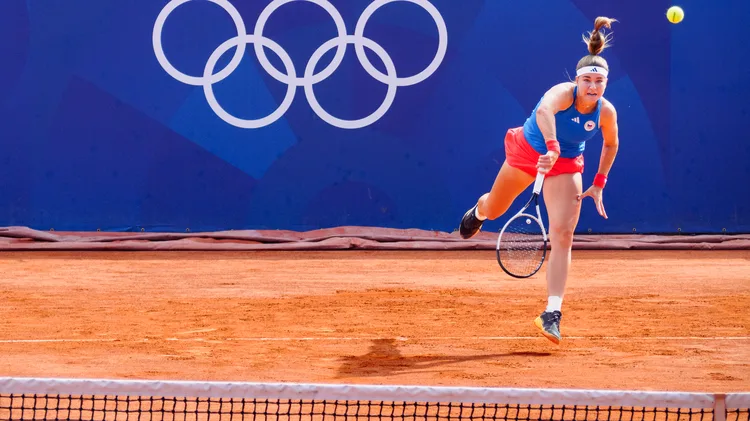
Muchova Wins Her First 10 Tiebreaks of the Year, a First This Century
Karolina Muchova beat Caty McNally in two tiebreaks in Wuhan to go 10-0 in tiebreaks in 2026, passing the starts of Sanchez Vicario and Sakkari.
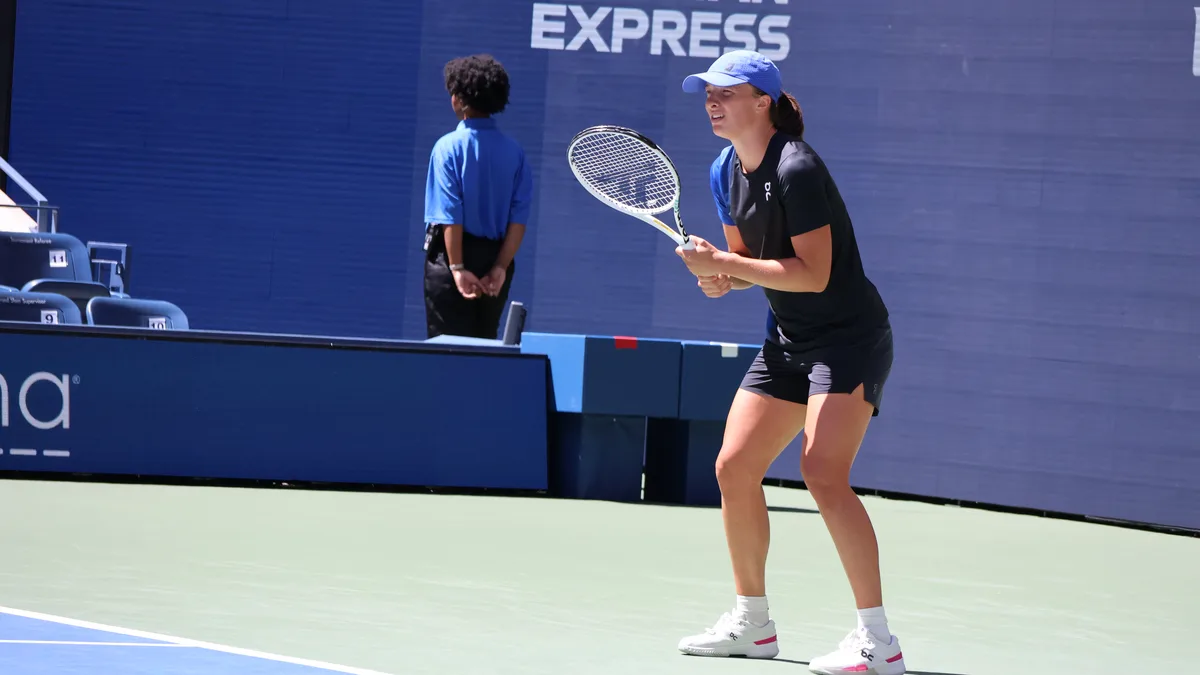
Swiatek Completes the WTA 1000 Semi-Final Set in Wuhan, the Last Box She Had Left
Iga Swiatek beat Ann Li 6-4, 6-1 in Wuhan to reach the semi-finals at all 10 WTA 1000 tournaments, a set only three retired players had completed.
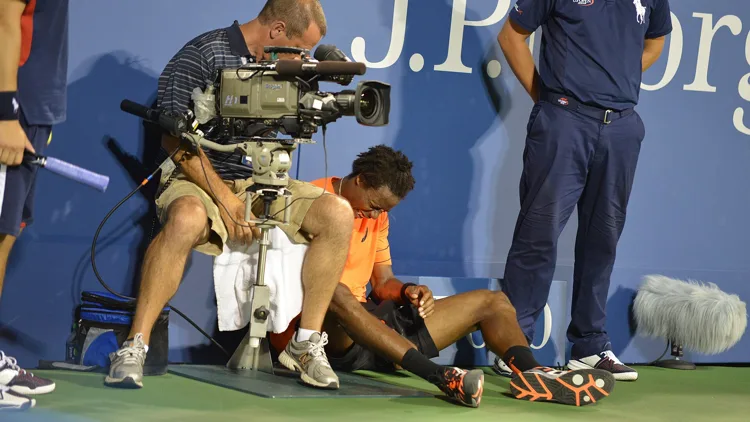
Monfils's Paris Farewell Is Off After an Anti-Doping List Retired Him First
Gael Monfils has been on the ITIA retired list since October 5, ending his career weeks before the Paris Masters farewell he was expected to get.
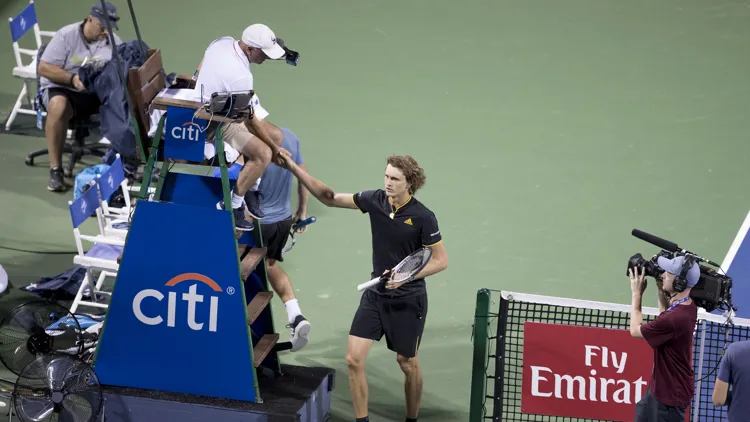
Zverev Says His Ball Bouncing Went to an Extreme as the Umpire Tells Him to Watch the Clock
Alexander Zverev, warned about the shot clock in Shanghai, says the ball bouncing that reportedly passed 12,000 at the US Open is a habit he is trying to cut.
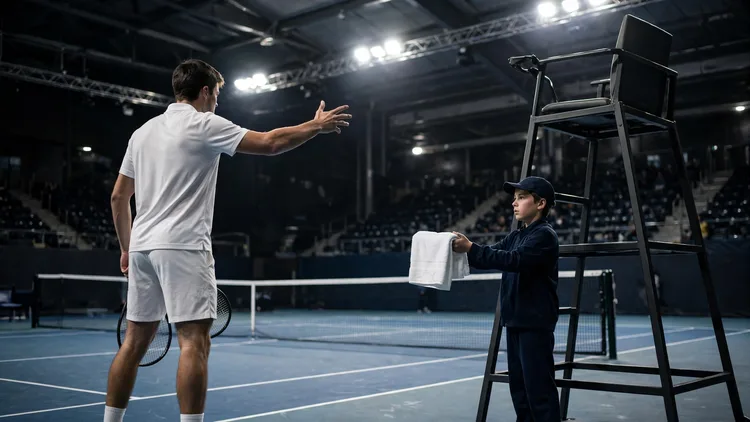
Jodar Is Warned for Swearing at a Ball Kid, Then Completes His Third Shanghai Comeback
Rafael Jodar was warned for unsportsmanlike conduct after swearing at a ball kid over a towel in Shanghai, calmed down, and beat van de Zandschulp from a set down again.

Six Kings Slam Moved From October to December as Riyadh Attacks Close the Airport
The Six Kings Slam exhibition in Riyadh has been moved from October 21-24 to December 27-30 after attacks closed the city's airport. The six players had not confirmed the new dates.

A Ball Fell From Fritz's Pocket Twice, and Tsitsipas Had to Earn Match Point Again
Taylor Fritz lost a ball from his pocket on consecutive points at 2-5 in the third set in Shanghai, a match point was replayed, and Stefanos Tsitsipas still closed it out.

Maryland Suspends Its Club Tennis Team Over Racist Imagery Sent to Howard and Other Teams
The University of Maryland suspended its entire club tennis team indefinitely after a tournament document emailed to visiting teams, including Howard, contained KKK imagery in an altered state flag.
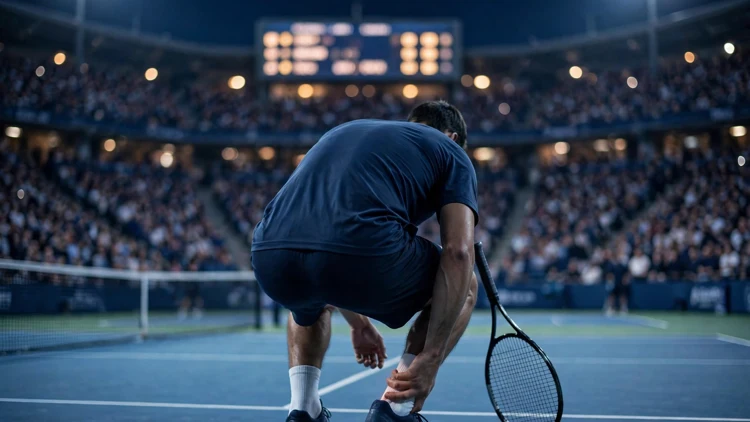
Zverev Saves Four Set Points on a Troublesome Ankle to Beat Bublik in Shanghai
Alexander Zverev saved four set points and played through a recurring ankle problem to beat Alexander Bublik 7-6(6), 4-6, 7-6(1) in Shanghai.
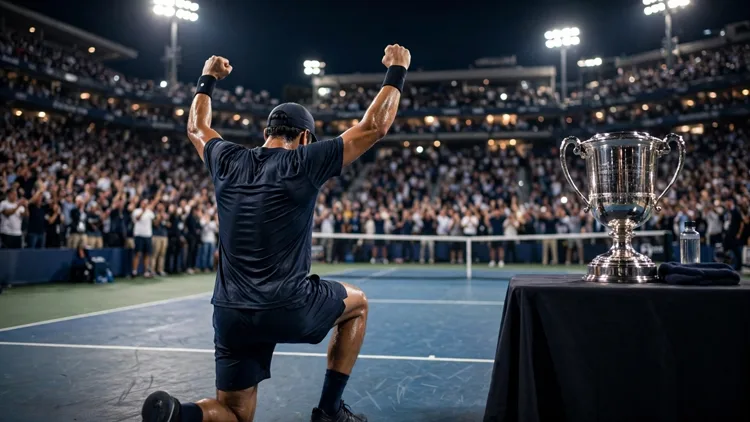
Bergs Beats Alcaraz in Shanghai and Hands Zverev the Year-End No. 1
Zizou Bergs beat Carlos Alcaraz 7-5 7-6(4) in Shanghai on Monday, a result that confirmed Alexander Zverev as the ATP's year-end world No. 1.
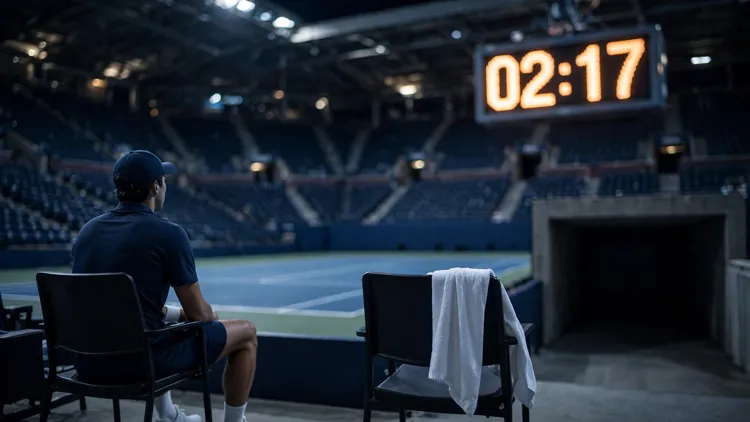
Bergs Took a Nine-Minute Toilet Break Against Alcaraz, and Nobody Stopped the Clock
Zizou Bergs was gone for a reported nine and a half minutes after the first set against Carlos Alcaraz in Shanghai, drew no warning, and Jamie Murray and Brad Gilbert want the rule enforced.
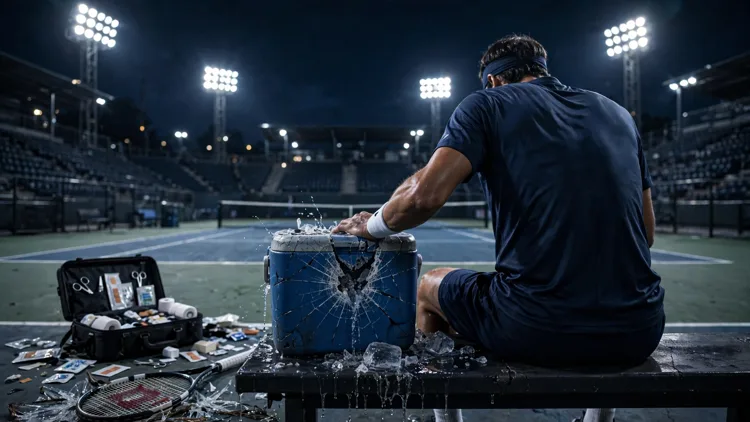
Bublik Smashes His Racket, Cuts His Hand on a Cooler, Then Beats Nakashima in Shanghai
Alexander Bublik blew two set points, smashed his racket, kicked his chair and cut his hand on a courtside cooler in Shanghai, then beat Brandon Nakashima.
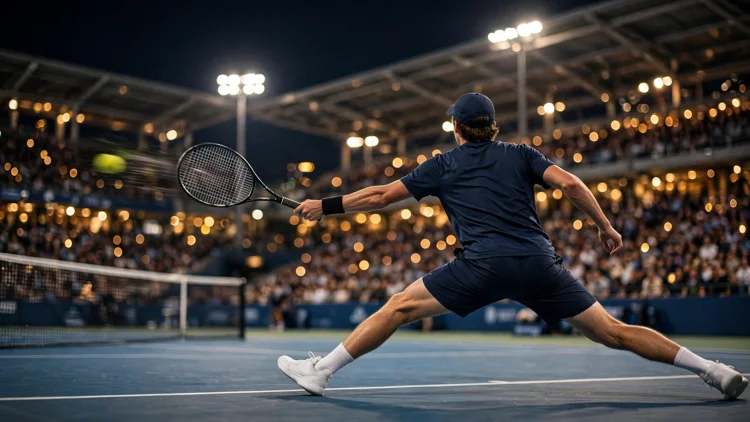
Gea's Shanghai Run Ends After 22 Minutes as a Psoas Injury Stops His Quarter-Final
Arthur Gea's breakout Shanghai run ended in his first Masters 1000 quarter-final, retiring at 4-1 down against Davidovich Fokina with a psoas injury felt in the warm-up.
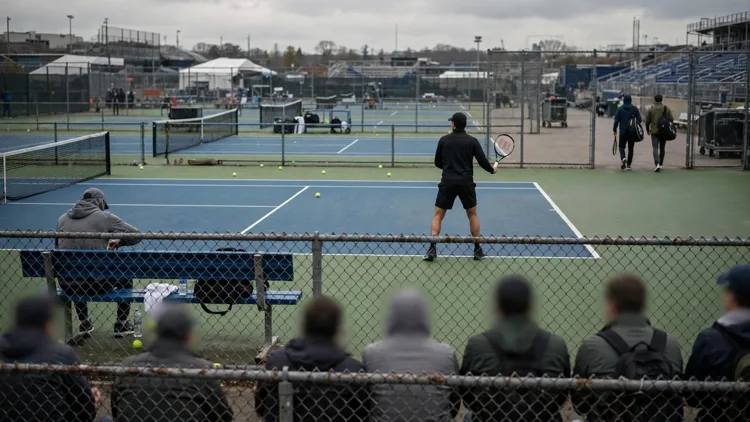
Fans Accuse Zverev of Taking Shelton and Hewitt's Practice Court in Shanghai
Spectators in Shanghai say Alexander Zverev arrived late to his practice court and stayed into Ben Shelton and Cruz Hewitt's slot. Zverev has now dismissed the claims on social media.
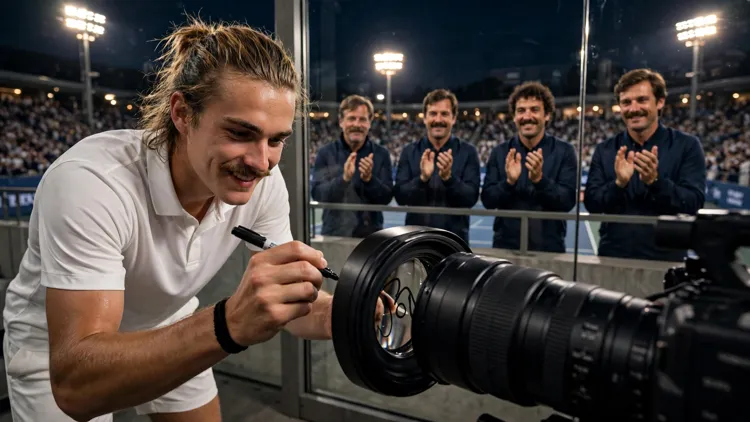
Carlos Alcaraz and His Whole Team Wear Moustaches in Shanghai After a Tokyo Pact
Carlos Alcaraz opened his Shanghai Masters campaign sporting a moustache, and so did his entire team box, after a pact made celebrating his Tokyo title.
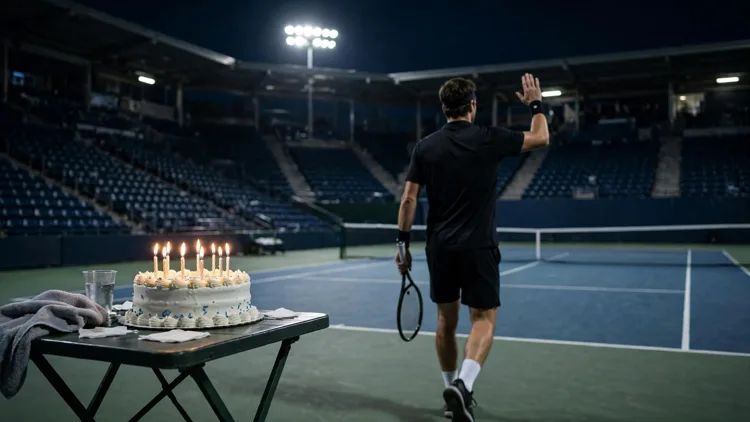
Ben Shelton Wins on His 24th Birthday in Shanghai and Says He Hates Cake
Ben Shelton marked turning 24 by beating Daniel Altmaier in Shanghai, then said he hates cake, three years after being given two cakes at the same event.
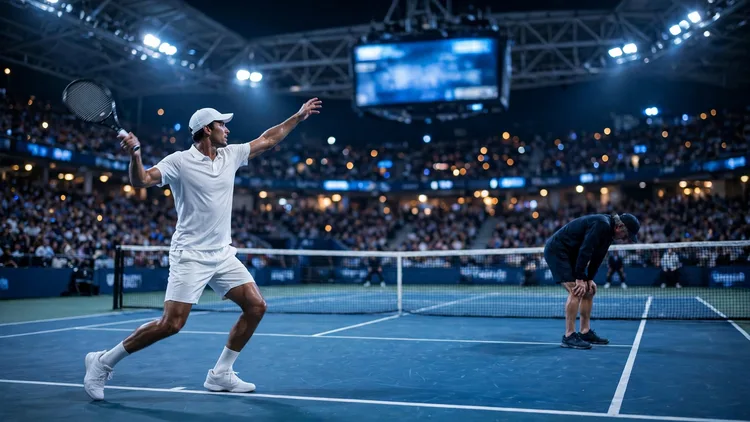
Hurkacz Beats Djokovic for the First Time in Nine Meetings as the Beijing Toll Catches Up in Shanghai
Hubert Hurkacz beat Novak Djokovic 6-4 6-3 in Shanghai, his first win in nine meetings, three days after Djokovic's Beijing title ended in a retirement.
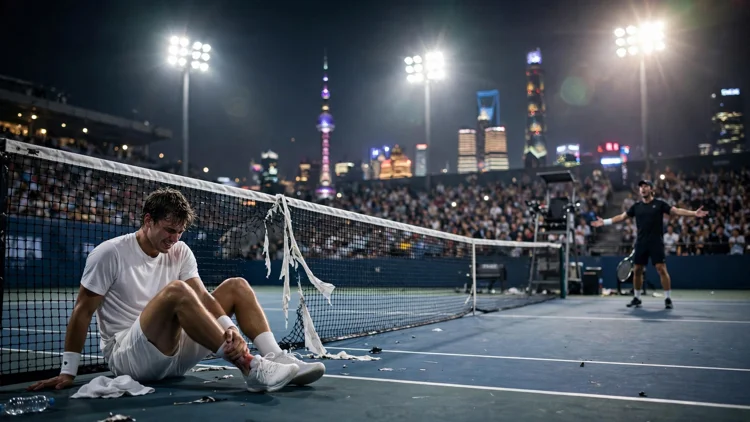
Wu Yibing Says Zverev's Shanghai Behaviour Was Unnecessary and Broke the Rhythm
Wu Yibing criticised Alexander Zverev's falls, lighting complaints and net-tape fiddling after their Shanghai match, calling them rhythm-breaking and unnecessary.
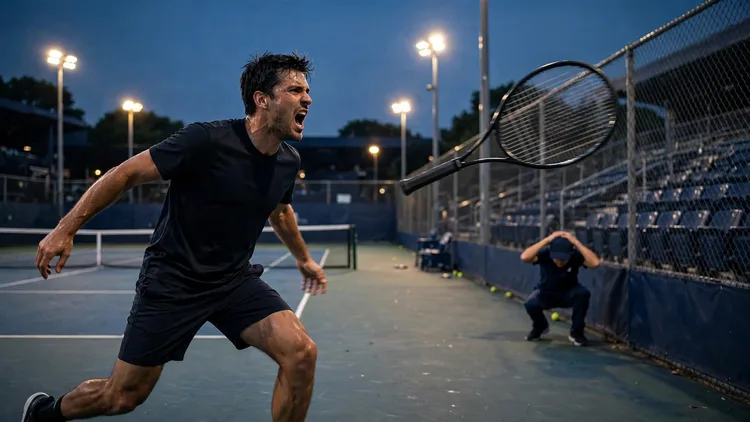
Terence Atmane Apologizes After Racket Throw Nearly Brings a Default in Shanghai Qualifying
Terence Atmane threw his racket toward the side fence in Shanghai qualifying, retired against Bernard Tomic, then apologized and said he will step back.
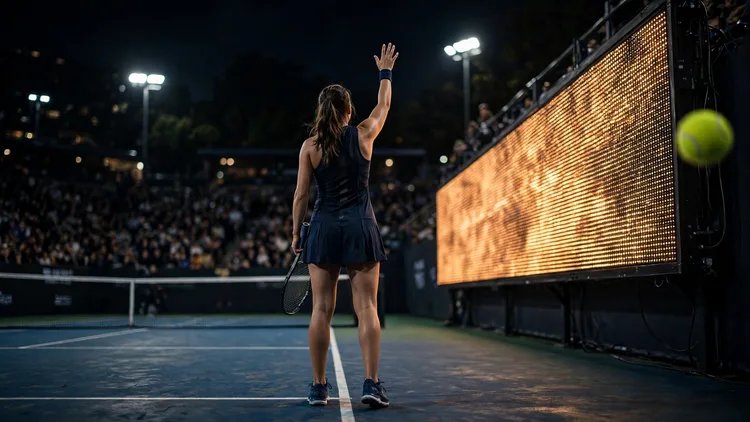
Coco Gauff Calls Out 'Insane' Racist Abuse After Replayed Point at the China Open
Coco Gauff said she received an 'insane' amount of racist abuse online after a flickering LED board got a point replayed in her China Open win over Sun Xinran.
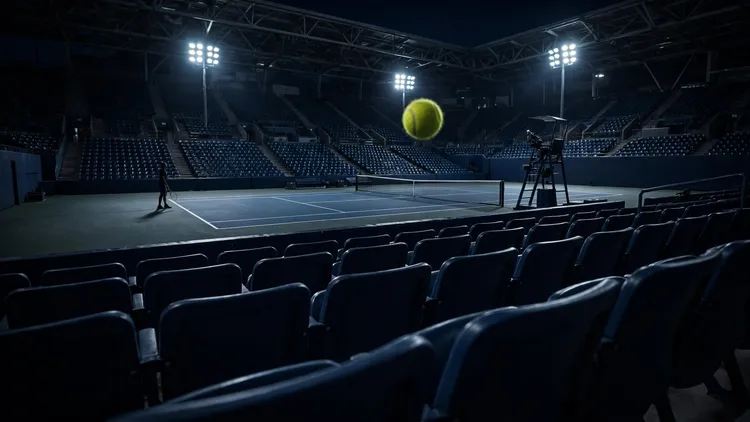
Medvedev Disqualified From China Open Semi-Final After Ball Hits Spectator in the Eye
Daniil Medvedev was disqualified from the China Open semi-final against Novak Djokovic after a rebounding ball he hit struck a front-row spectator in the eye.
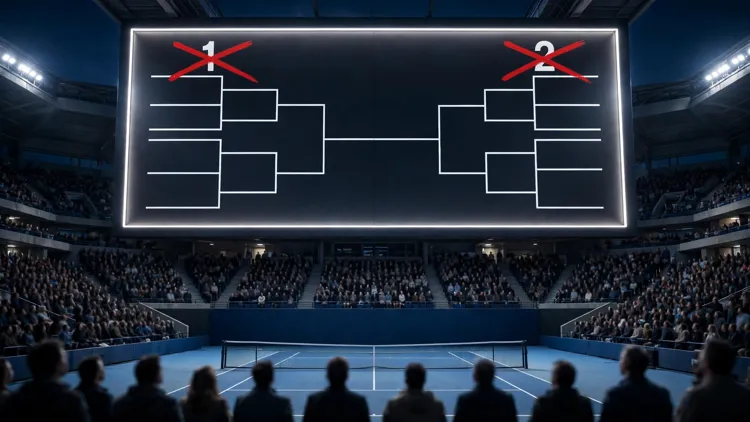
China Open Loses Its Top Two Seeds as Rybakina and Sabalenka Fall on Consecutive Days
World No. 1 Elena Rybakina lost to the world No. 118 in her first match at No. 1, then Aryna Sabalenka fell to Nikola Bartunkova, emptying the China Open draw of its top seeds.
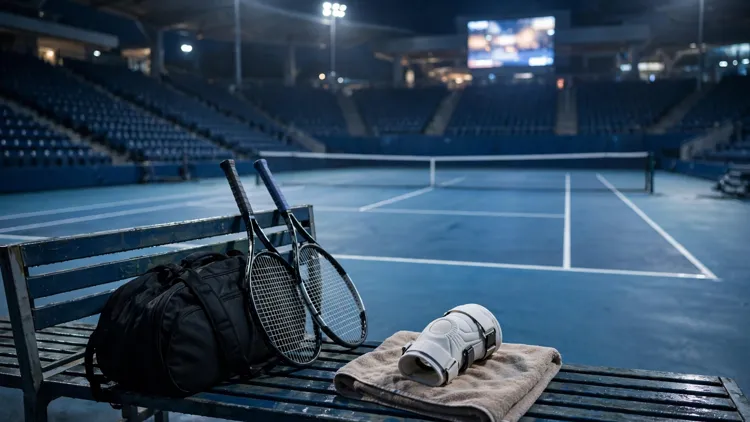
Jannik Sinner Pulls Out of Shanghai Masters as Knee Absence Hits Three Months and No. 1 Race Turns
Jannik Sinner has withdrawn from the Shanghai Masters with his knee still not ready. He has not played since July, and Alexander Zverev now leads the Race to Turin by 800 points.
Djokovic Calls Rule 'Stupid' After Zverev's Video Review Replays a Point at the China Open
Novak Djokovic called a video-review rule 'stupid' after Alexander Zverev won a replayed point over an LED board change at the China Open in Beijing.
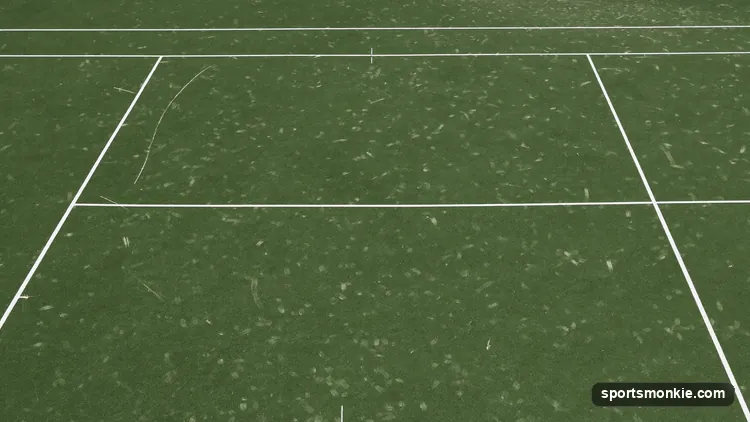
What Is Deuce in Tennis? Score, Advantage, and Tiebreaks
Deuce in tennis means both players have reached 40, so one player must win two straight points to take the game.
What Is a Golden Set in Tennis? The 24-Point Perfect Set
A golden set is a tennis set won without dropping a single point, requiring 24 consecutive points in a standard six-games-to-love set.
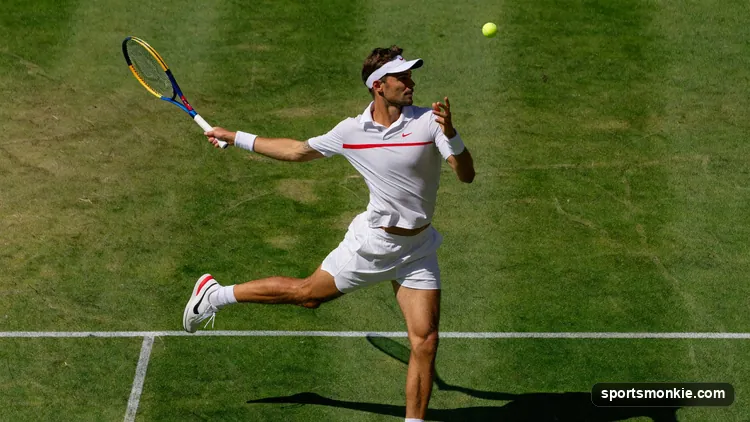
Three-Set vs Five-Set Tennis: Format and Strategy
Best-of-three and best-of-five tennis matches differ in length, recovery demands, tactics and tournament use.
What Is Hawk-Eye in Tennis? How Electronic Line Calling Works
Hawk-Eye uses multiple cameras and ball-tracking software to judge whether a tennis shot landed in or out.
Walkover vs Retirement in Tennis: What Is the Difference?
A walkover happens before a match begins; a retirement happens after play starts. The distinction affects results, records and tournament administration.
Why Do Tennis Players Change Ends?
Tennis players change ends to keep conditions fair when sun, wind, court wear and other environmental factors affect play.
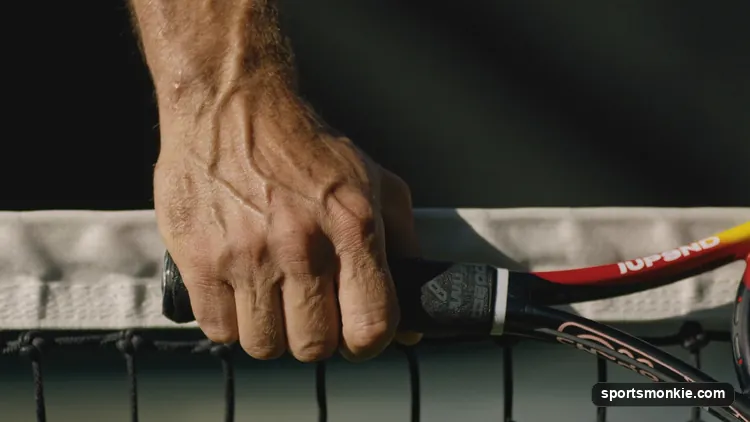
Continental Grip in Tennis: How to Hold It and When to Use It
The continental grip places the base knuckle of your index finger on bevel 2 of the racket handle. It is the grip for serves, volleys, slices, and overheads. Here is how to find it and drill it.
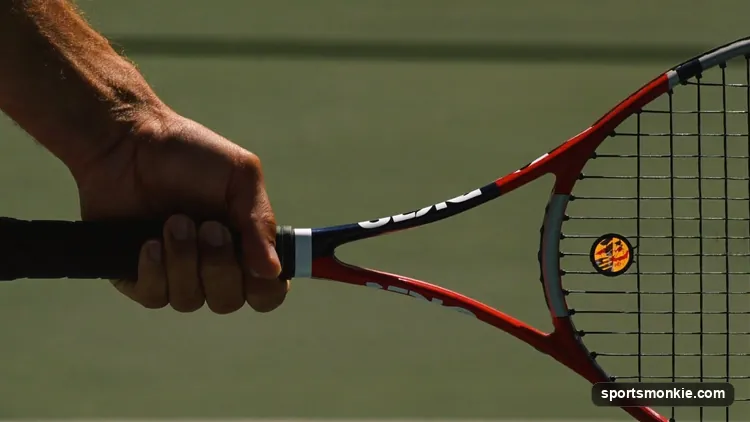
Eastern Grip in Tennis: The Bevel-3 Forehand Explained
The eastern grip in tennis places your index knuckle on bevel 3 for a flat, versatile forehand. Learn how to find it, its pros and cons, and who uses it.
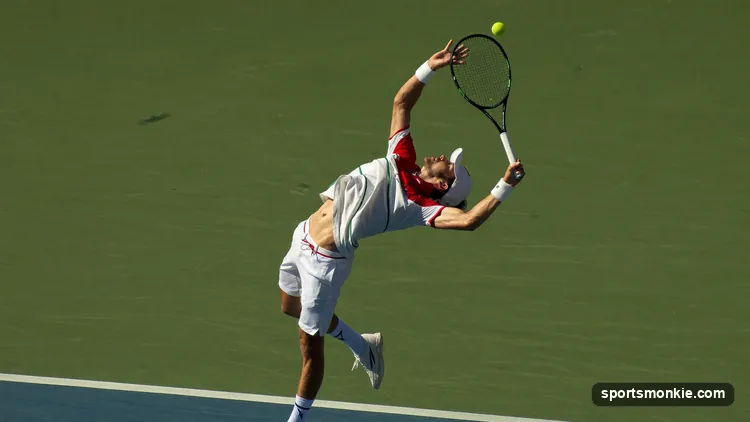
How to Hit a Kick Serve: Grip, Toss, and Brush-Up Technique
To hit a kick serve, use a continental grip, toss the ball over your head and slightly left, and brush the racket up the back of the ball from 7 to 1 o'clock while driving with your legs. Here is the full step-by-step.
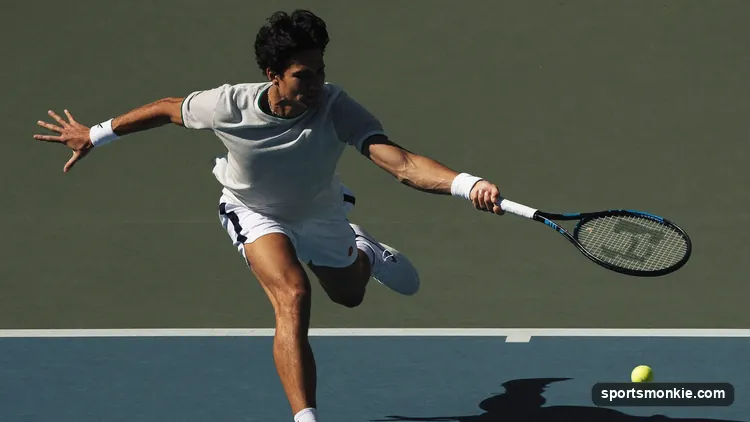
How to Hit a Tennis Backhand: Grip, Turn, Contact, and Drills
To hit a tennis backhand, turn your shoulders early, load with an Eastern backhand or two-handed grip, swing low-to-high, and make contact out in front of your front hip.
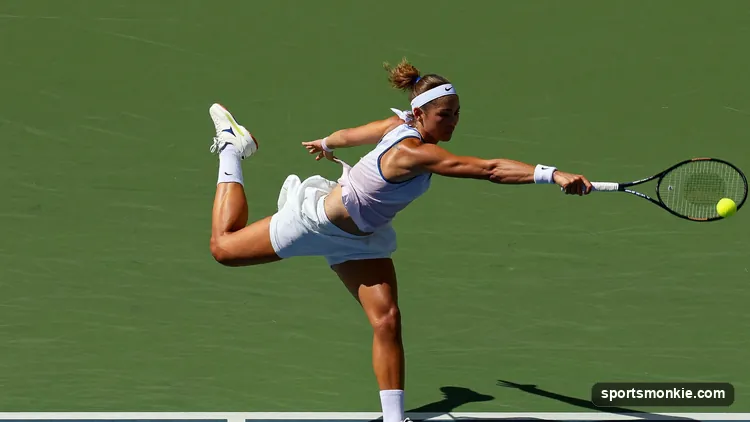
How to Hit a Tennis Forehand: Grip, Swing, and Topspin
How to hit a tennis forehand: use a Semi-Western or Eastern grip, turn your shoulders early, drop the racket below the ball, and swing low-to-high to contact out front.
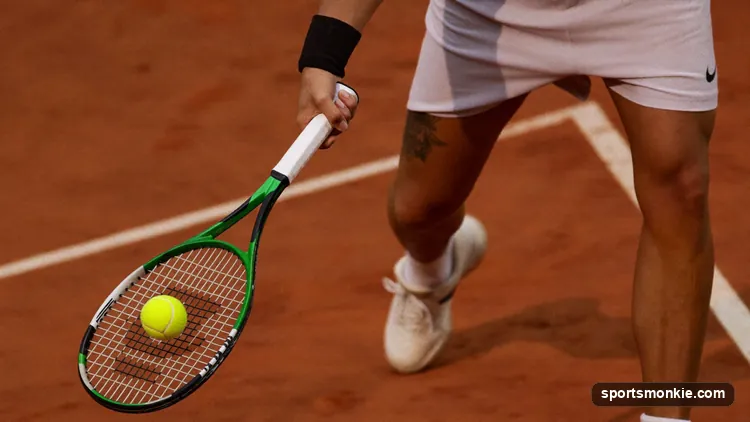
How to Hit Topspin in Tennis: The Low-to-High Swing, Grip, and Drills
To hit topspin in tennis, use a semi-western grip and swing low-to-high so the racket brushes up the back of the ball. Here is the grip, swing path, contact point, and drills that build heavy spin on both wings.
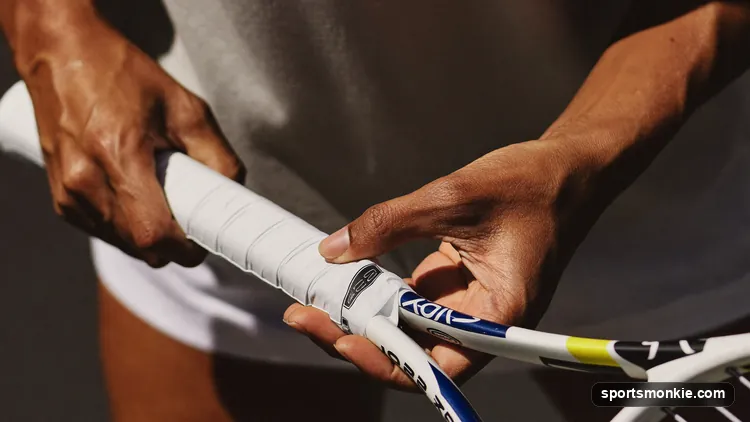
How to Regrip a Tennis Racket: A Step-by-Step Guide
How to regrip a tennis racket: peel the old grip, start at the butt cap, wrap upward at a slight angle with a small overlap, and finish with the tape. Full steps for both replacement grips and overgrips.
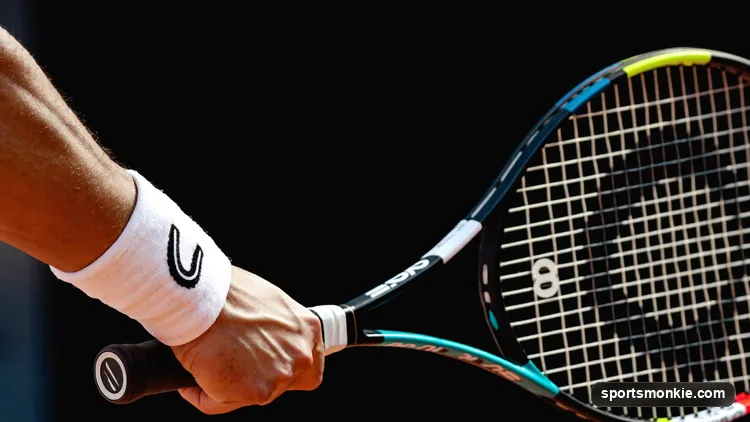
Semi-Western Grip in Tennis: The Modern Topspin Forehand Grip
The semi-western grip places your index knuckle on bevel 4 and is the standard modern topspin forehand grip. Here is how it works, who uses it, and how to switch from an eastern grip.
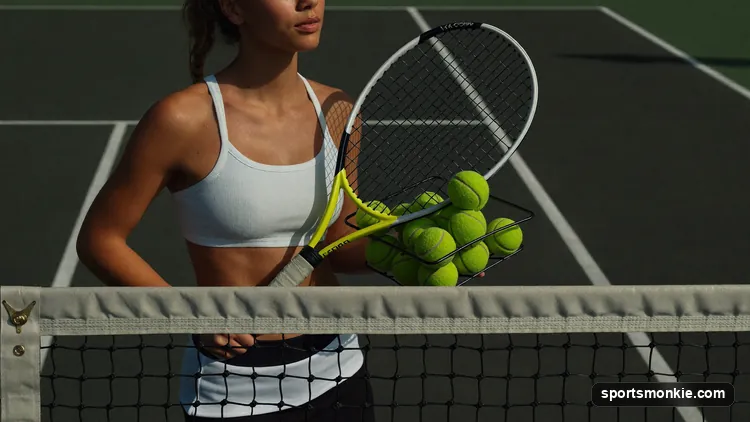
10 Best Tennis Drills for Beginners to Learn Fast
The best tennis drills for beginners start with mini-tennis inside the service boxes, then add drop-feed rallies, target cones, and wall drills. Here are 10 drills ranked by what they build.
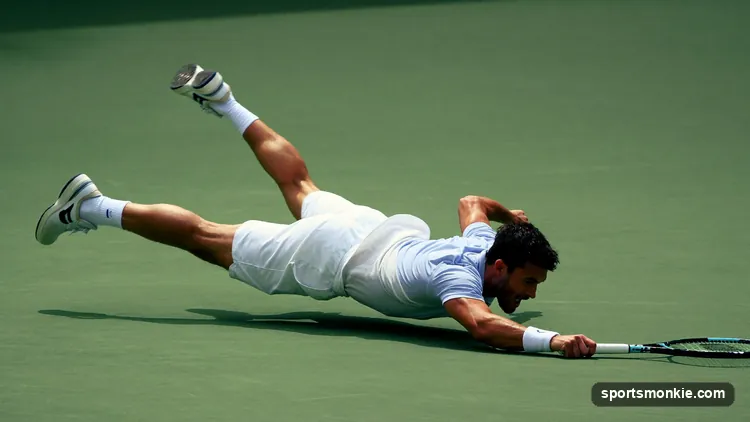
9 Best Tennis Footwork Drills to Move Faster and Hit Cleaner (Ranked)
Nine tennis footwork drills ranked by what they fix: split-step reaction, lateral coverage, explosive change of direction, and recovery. Move faster, hit cleaner.
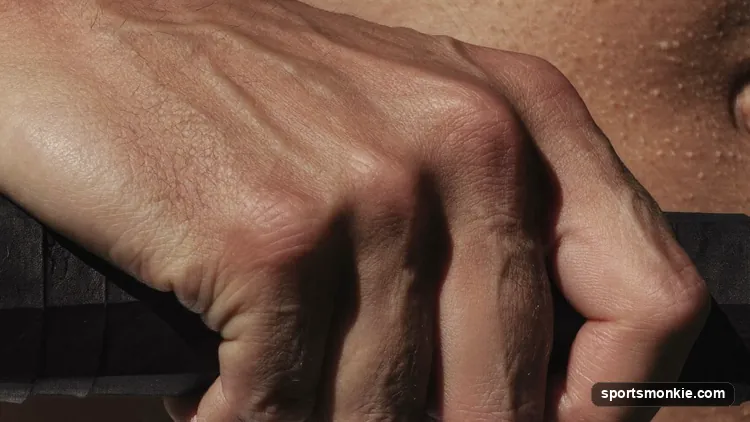
Tennis Grip Size Guide: How to Measure and Choose (US Sizes)
A tennis grip size guide: measure with the index-finger test or a ruler, match it to the US L0–L5 scale (4 to 4-5/8 in), and size down when you plan to add an overgrip.
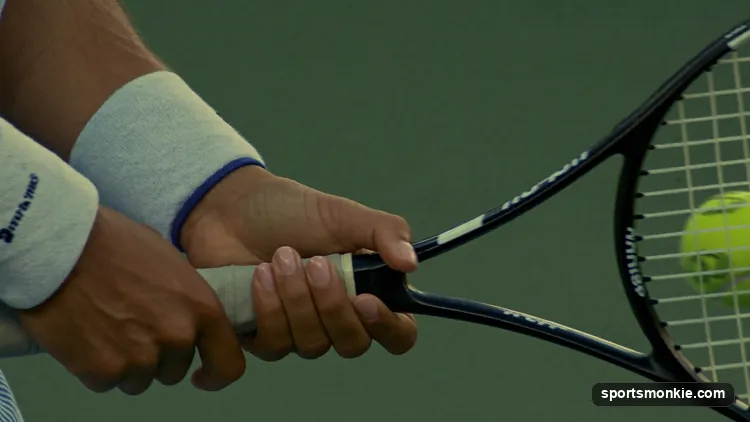
Tennis Grips Explained: The 4 Grips and When to Use Each
Tennis grips explained simply: the Continental (bevel 2) serves and volleys, Eastern (bevel 3) hits flat forehands, Semi-Western (bevel 4) adds topspin, and Western (bevel 5) is extreme spin. Here is how to form each and when to switch.
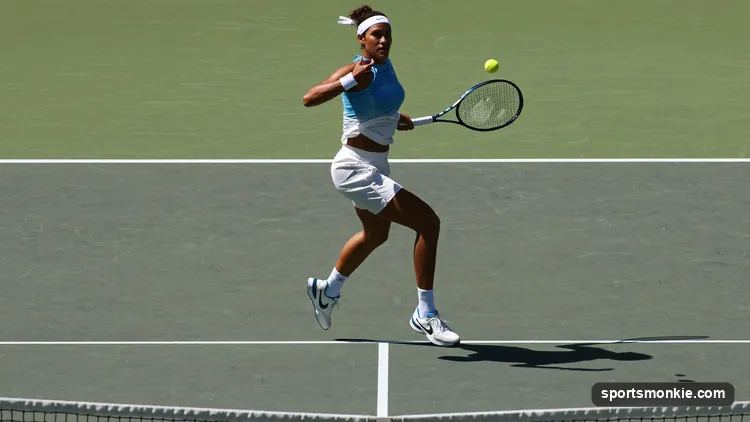
Tennis Volley Technique: Grip, Punch, and Footwork to Win the Net
Master tennis volley technique with a continental grip, a short punch instead of a swing, a split-step, and contact out in front. Step-by-step form plus drills.
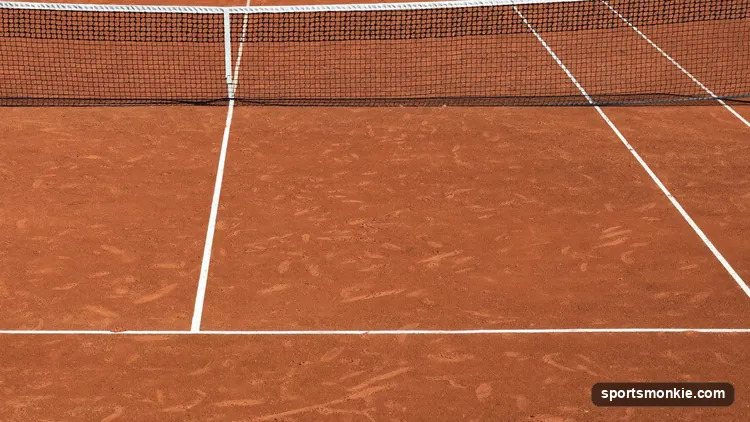
Clay Court Tennis: Surface, Rules, and Why It Plays So Slow
Clay court tennis is the slowest surface with the highest bounce. See red vs. green clay, sliding, ball marks, upkeep, and why Nadal owns it.
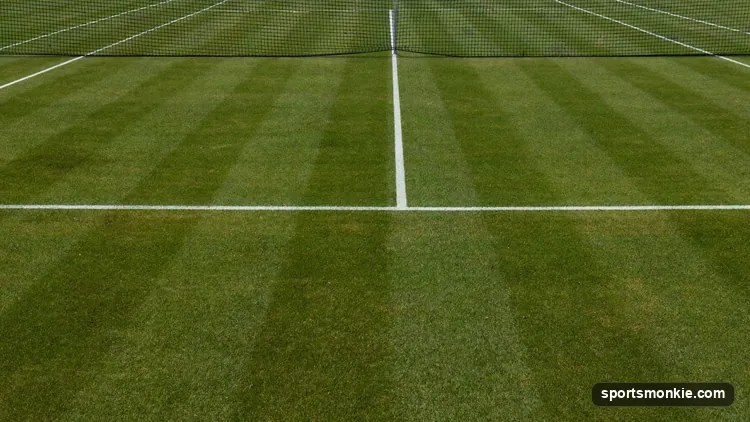
Grass Court Tennis: Why the Fastest Surface Plays So Different
Grass court tennis is the fastest, lowest-bouncing surface in the sport, per ITF's own pace rating. How Wimbledon's ryegrass shapes serve-and-volley play.
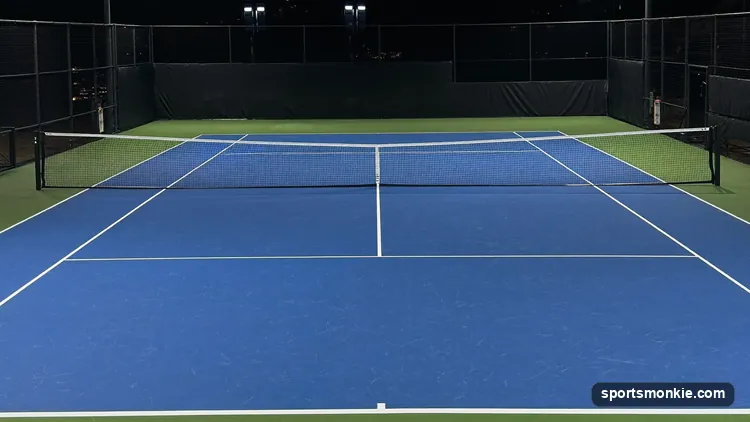
Hard Court Tennis: Construction, Speed, and Why It's the Most Common Surface
Hard court tennis is played on rigid acrylic-coated asphalt or concrete, the medium-fast, most consistent surface used at the US Open and Australian Open.
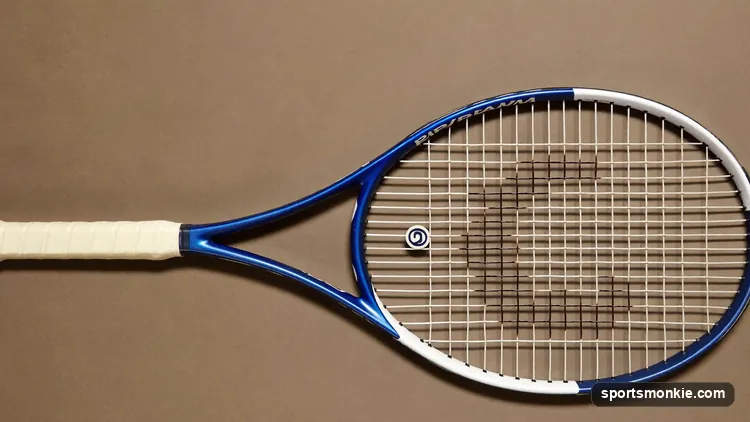
Parts of a Tennis Racket: Every Component and Spec Explained
The parts of a tennis racket are the head, strings, grommets, throat, shaft, beam, handle, grip, butt cap, and bumper guard. Full guide with specs.
Tennis Court Lines Explained: Every Line, Named and Defined
Tennis court lines explained: baseline, sidelines, service line, centre service line, centre mark and net — ITF dimensions, singles vs doubles, in/out rule.
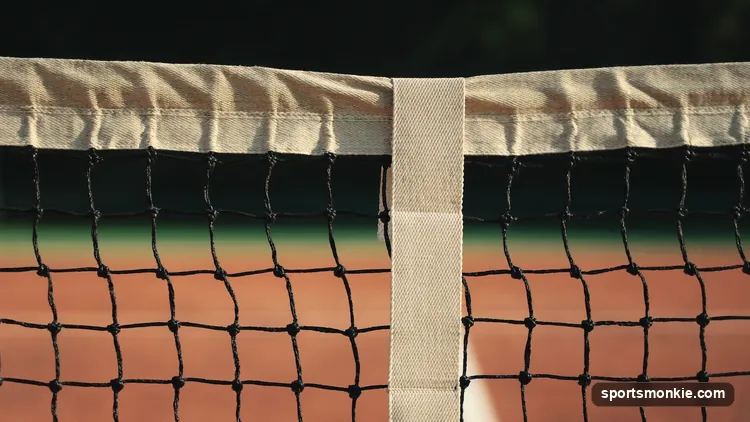
Tennis Net Height: Official ITF Measurements at Centre and Posts
A tennis net is 3 ft (0.914 m) high at the centre and 3 ft 6 in (1.07 m) at the posts, per the ITF Rules of Tennis. Full specs, measuring trick, and singles sticks.
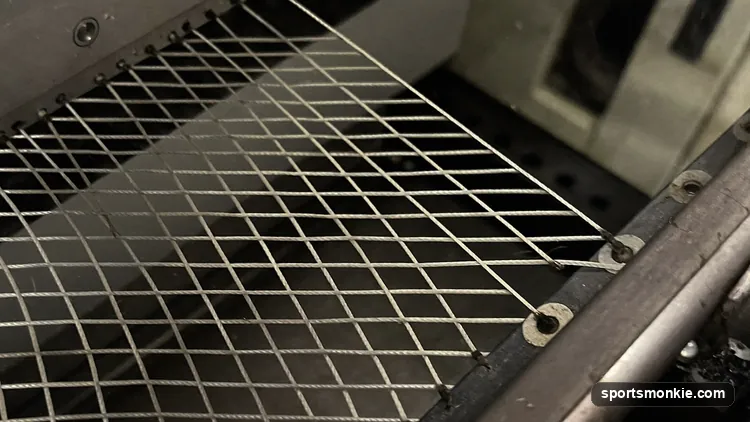
Tennis String Tension: Full Guide to Power, Control, and What to Choose
Tennis string tension typically runs 40-65 lbs (18-30 kg). Lower tension adds power and comfort; higher tension adds control. Full guide by string type.
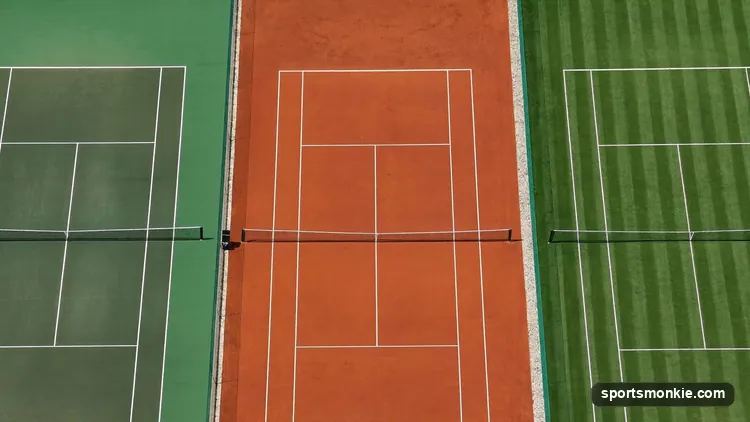
Types of Tennis Courts: Hard, Clay, Grass & Carpet Explained
The 4 types of tennis courts are hard, clay, grass, and carpet. See how each changes speed and bounce, and which surface every Grand Slam uses.
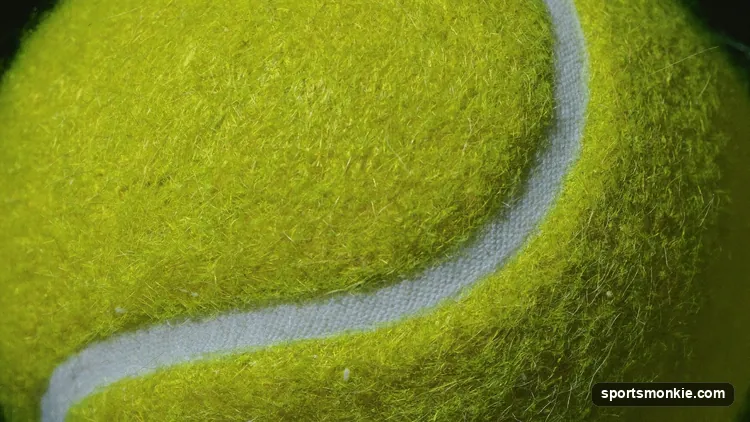
Why Do Tennis Balls Have Fuzz? The Real Aerodynamic Reason
Why do tennis balls have fuzz? The wool-nylon nap doubles aerodynamic drag, slows the ball, grips spin, and meets ITF's 56.0-59.4g spec.
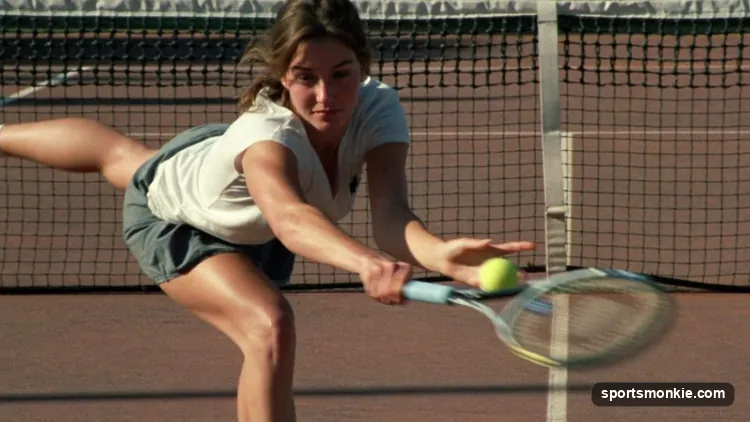
Drop Shot in Tennis: Technique, Timing, and When to Use It
A drop shot in tennis is a soft, backspin-heavy stroke that just clears the net and dies short. Learn the grip, disguise, and when to hit it.
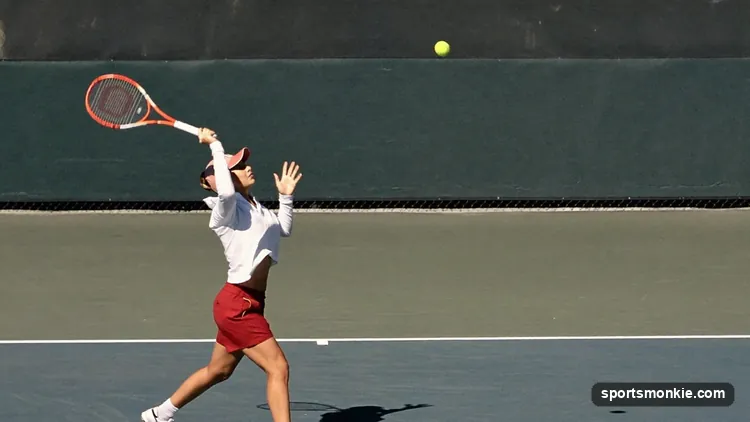
Lob in Tennis: Definition, Technique, and When to Use It
A lob in tennis is a high, arcing shot hit over an opponent at the net. Learn the offensive vs. defensive lob, technique, and its counter, the smash.
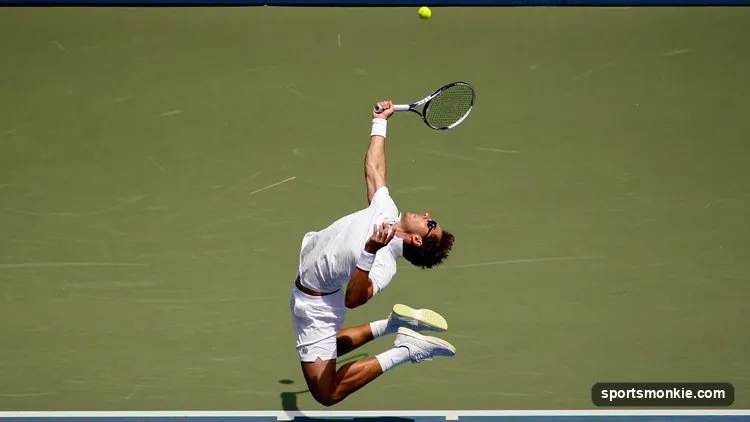
Overhead Shot in Tennis: How to Hit the Smash (Complete Guide)
The overhead shot in tennis is a serve-like swing hit above the head to put away a lob. Learn the technique, footwork, and common errors.
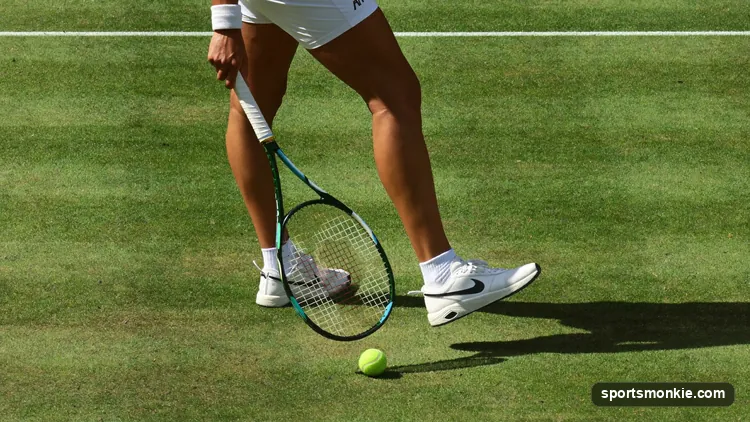
Slice in Tennis: How the Underspin Shot Works and When to Use It
A slice in tennis is a backspin shot hit with a high-to-low swing and open racket face that stays low and skids. Grip, technique, and tactics explained.
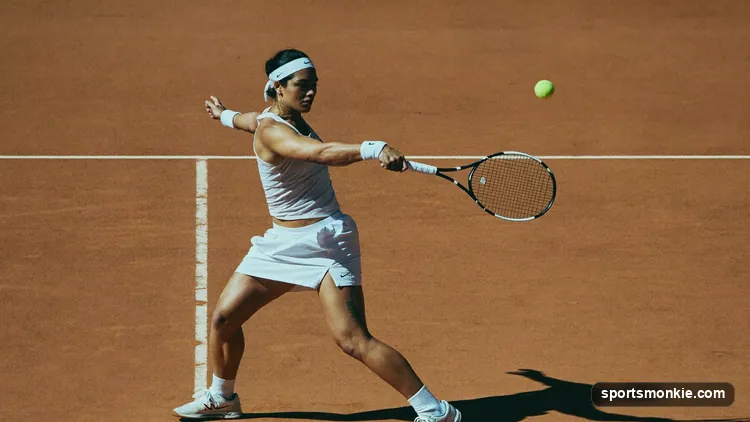
Backhand in Tennis: One-Handed vs Two-Handed, Grips, and Mechanics Explained
The backhand in tennis is a stroke hit on the non-dominant side; here's how one-handed vs two-handed grips, topspin, and slice mechanics differ.
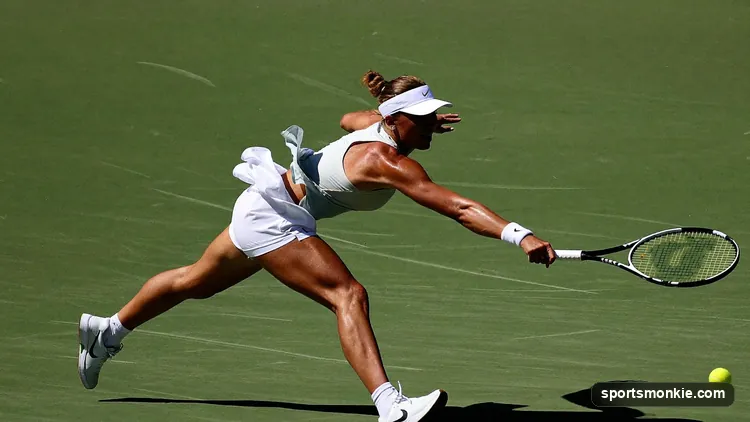
Forehand in Tennis Explained: Grips, Swing Path, and Technique
The forehand in tennis is the groundstroke hit on a player's dominant-hand side. Learn grips, swing mechanics, topspin, and common mistakes.
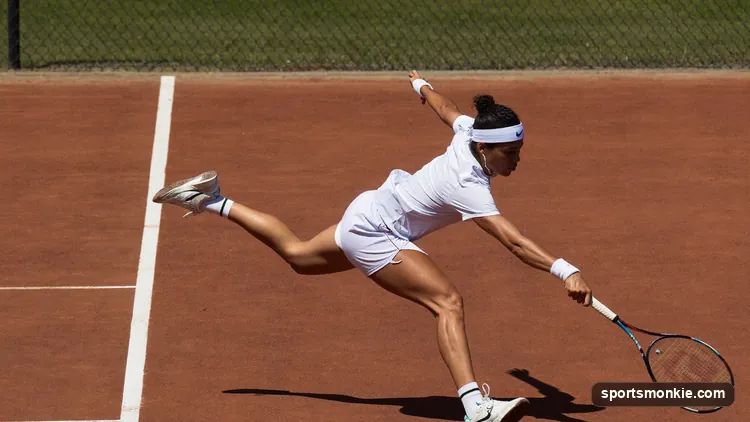
Types of Tennis Shots: The Complete Guide to Every Stroke
The main types of tennis shots are groundstrokes, the serve, volleys, and specialty shots like the slice, lob, smash, and drop shot.
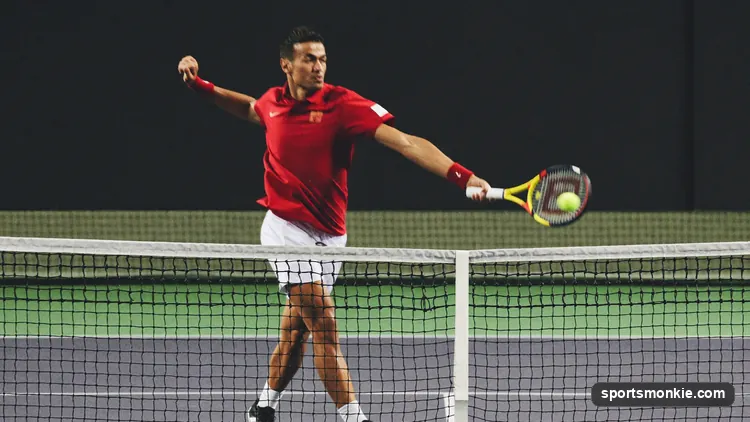
What Is a Volley in Tennis? Grip, Technique, and When to Attack the Net
A volley in tennis is a shot hit before the ball bounces, usually at the net. Learn grip, punch technique, and forehand vs. backhand volley form.
Highest-Paid Tennis Players: Prize Money and Earnings
Novak Djokovic leads all tennis players in career prize money, over $185M. The full list, plus who earns most once endorsements are counted.
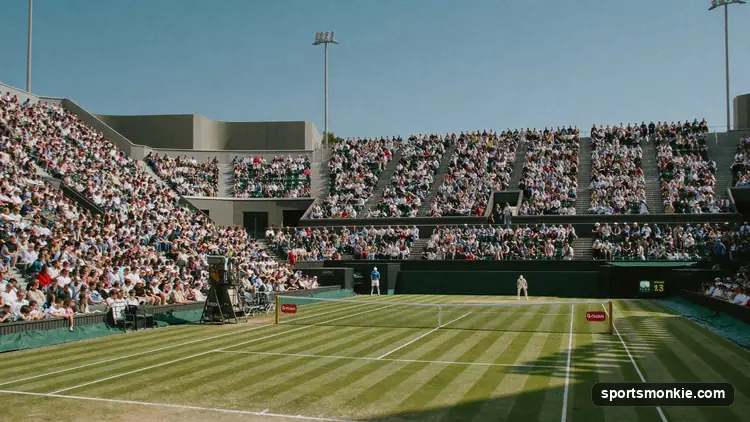
How Much Are Wimbledon Tickets?
How much Wimbledon tickets cost in 2026: the public ballot, resale, Ground passes, on-the-day queue and Debentures explained, with typical price ranges.
Highest-Paid Female Tennis Players: Pay Explained
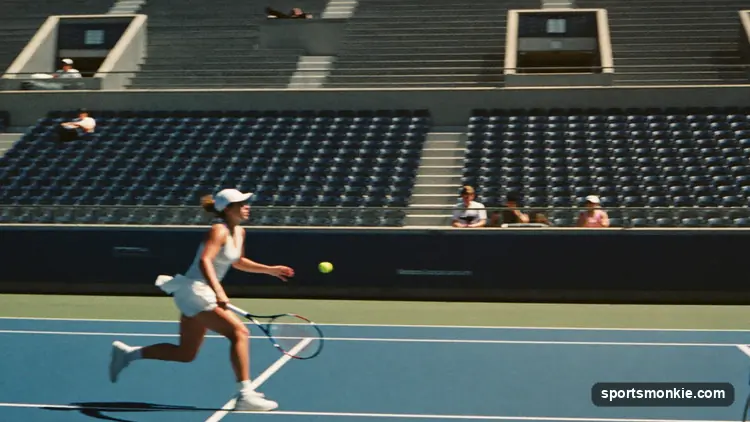
Highest-paid female tennis players: prize money vs endorsements, the Grand Slam equal-pay history, where pay is still not equal, and the career money leaders.
What Is a Bagel in Tennis? 6-0 Sets Explained
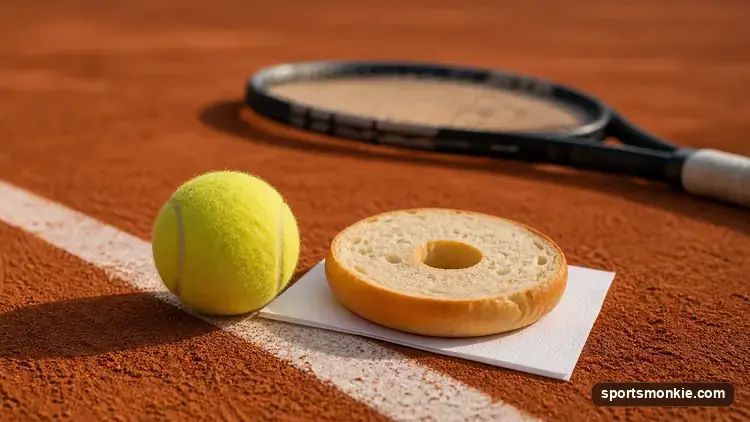
A bagel in tennis means winning a set 6-0. Learn the term's origin, what a double bagel and golden set are, and how rare each one is.
What Is Seeding in Tennis? How Seeds Work
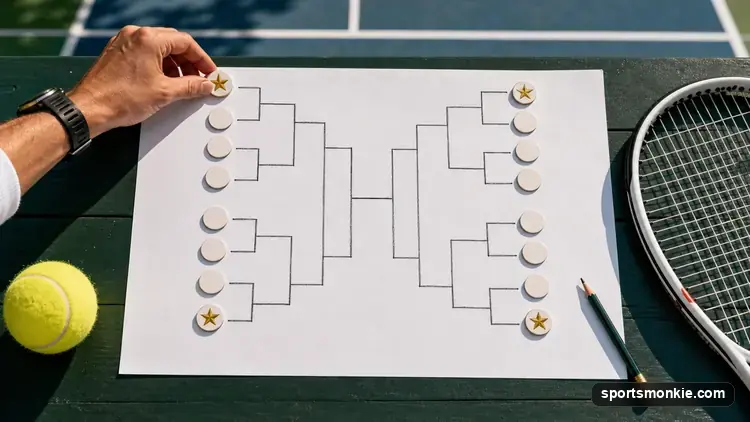
Seeding in tennis ranks top players in a draw so they avoid each other early. Learn how seeds are set, why there are 32, and what a seed guarantees.
Cincinnati Masters Tennis Tickets: Prices and How to Buy Them
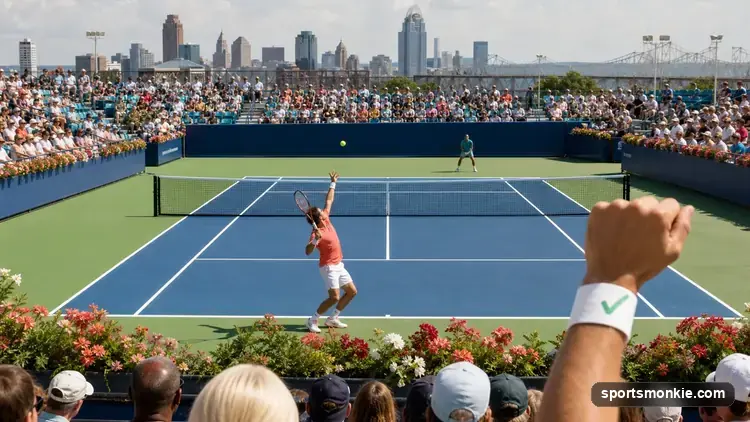
Cincinnati Masters tickets run about $9 for early rounds to $300+ for Center Court finals. Real 2026 session prices, packages, and how to buy them.
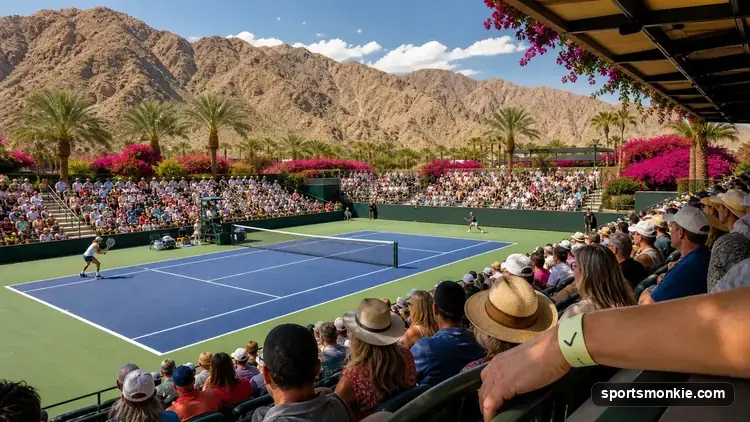
Indian Wells Masters Tickets: Prices and How to Buy Them
Indian Wells Masters (BNP Paribas Open) tickets start near $10 for qualifying and top $400 for finals. Here is the real price breakdown and buying guide.
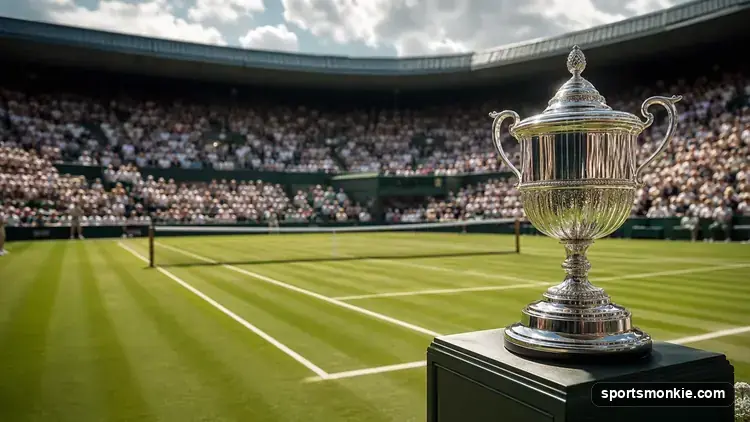
How to Get Wimbledon Finals Tickets (and What They Cost)
Wimbledon finals tickets cost £240–£315 through the ballot but $8,000+ on resale. Here is why, the real odds, and how to plan for 2027.
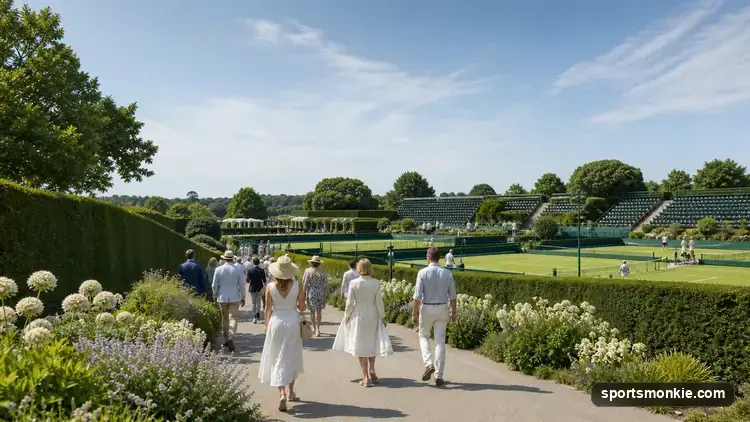
Wimbledon Ground Tickets: Price, Access, How to Get One
Wimbledon ground tickets cost £33 (£21-£26 in week two) and get you onto Courts 3-18, not Centre Court. What you actually see, and how to queue for one.
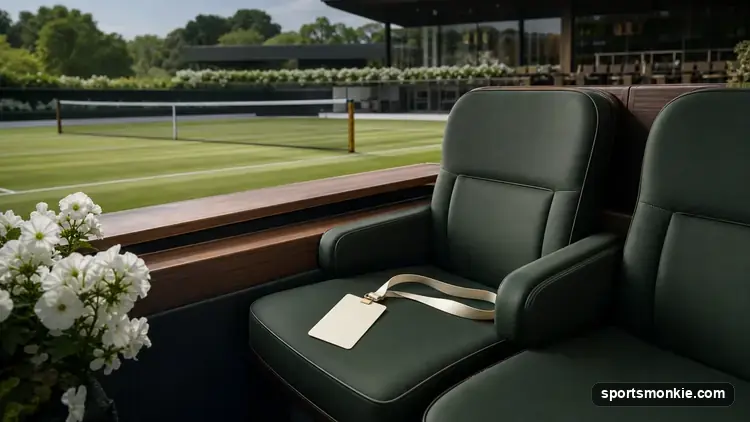
Wimbledon Debentures Explained: Price and How to Buy
What a Wimbledon tennis debenture is, why Centre Court seats now resell above £380,000, and how to legally buy or sell one in 2026.
Wimbledon Tennis Tickets: How Much They Cost and How to Get Them
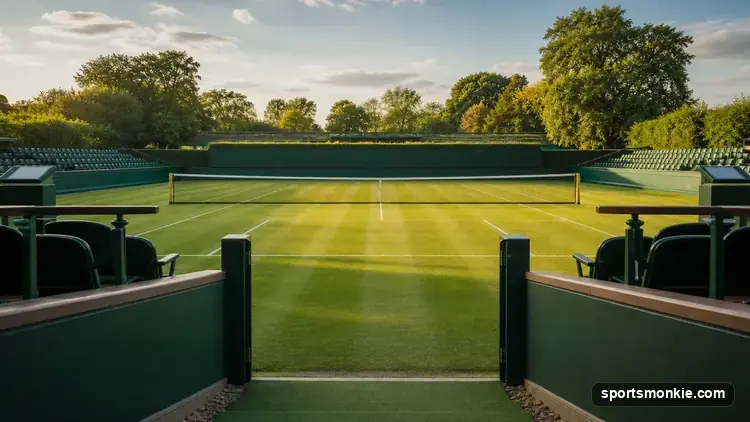
Wimbledon tickets run £21 for a Grounds Pass to £315+ for Centre Court finals. Here is how the public ballot, The Queue, and official resale actually work.
Fault vs Double Fault in Tennis: What's the Difference?
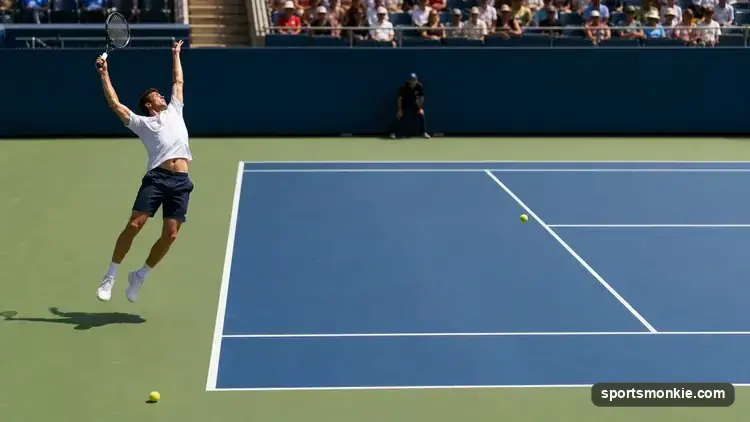
A fault is one missed serve; a double fault is two in a row, which hands the point to your opponent. Here's exactly how serving faults work.
What Is a Let in Tennis? Rules and When It's Replayed
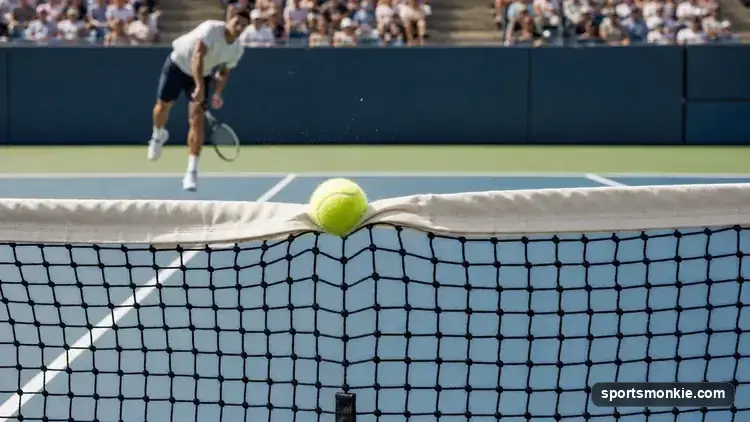
A let in tennis replays a serve or point. Learn when it applies, how first and second serves restart, and when a net cord stays live.
What Is a Break Point in Tennis?
A break point is a point that, if won by the returner, wins the game against the server. Here is what it means, why it matters so much, and related terms.
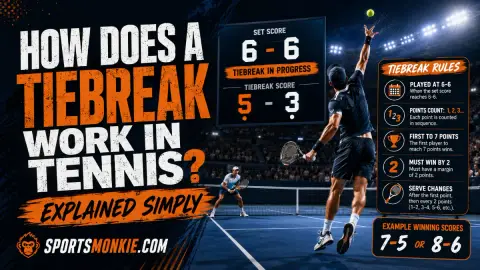
How Does a Tiebreak Work in Tennis?
A tennis tiebreak decides a set locked at 6-6. First to 7 points wins, but you must lead by two. Here's scoring, serving order, and when tiebreaks happen.
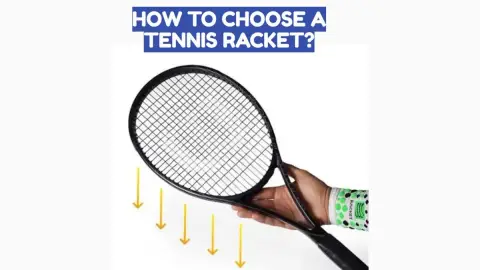
How to Choose a Tennis Racket: A Buyer's Guide for All Levels
Choosing a tennis racket depends on your skill, style, and build. Beginners want larger heads and lighter frames; pros prefer control and heavier weight.
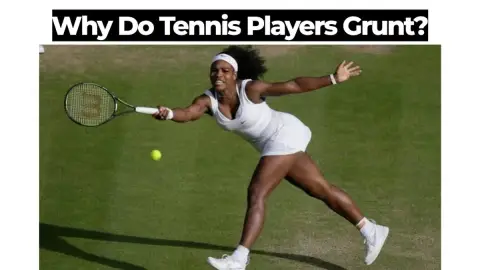
Why Do Tennis Players Grunt? The Science Behind It
Tennis players grunt because the sharp exhale at ball contact stabilises the core, releases tension and can boost power. It's a habit from early training.
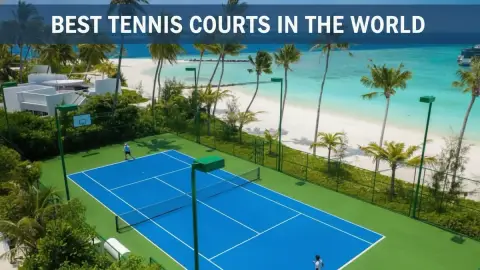
Best Tennis Courts in the World: 10 Iconic Venues, Ranked
The 10 most iconic tennis courts on the planet, ranked — Centre Court, Philippe-Chatrier, Arthur Ashe, Rod Laver Arena and more, with capacities and surfaces.
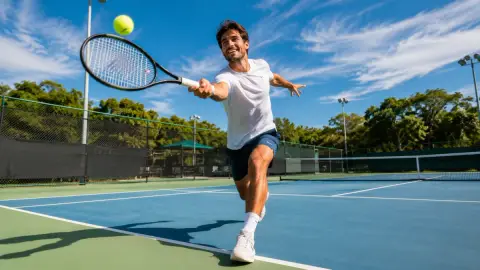
Benefits of Playing Tennis: Health, Mental, and Social Gains
Tennis offers a full-body workout, sharp mental engagement, and lifelong social connection. Here are the key benefits of playing tennis at any age or level.
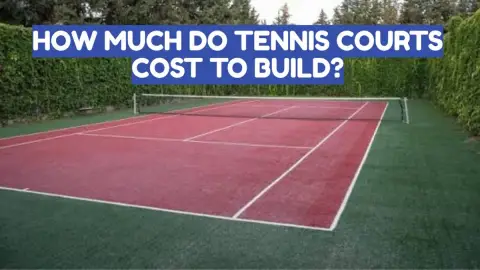
How Much Do Tennis Courts Cost to Build? (2023 Guide)
Building a private tennis court typically costs $25,000 to $100,000+ depending on surface, site prep, fencing, and lighting. Hard courts are the cheapest.
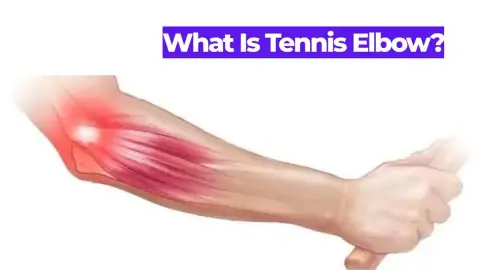
What Is Tennis Elbow? Causes, Symptoms, and Treatment
Tennis elbow (lateral epicondylitis) is a painful overuse injury of the tendons outside the elbow. Despite its name, many who never play tennis get it.

Best Tennis Academies in the World: Where Champions Are Made
The world's top tennis academies ranked on alumni, coaching and facilities — plus what a full year at IMG or the Rafa Nadal Academy actually costs to attend.
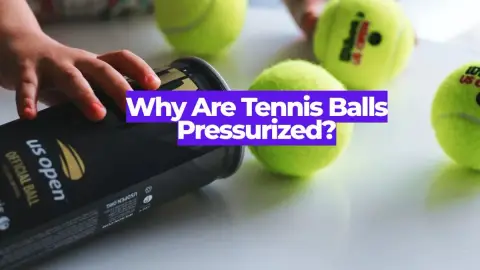
Why Are Tennis Balls Pressurized? The Science Explained
Tennis balls are pressurized with air or nitrogen to give them their bounce and feel. The pressure keeps the rubber core firm so the ball rebounds fast.
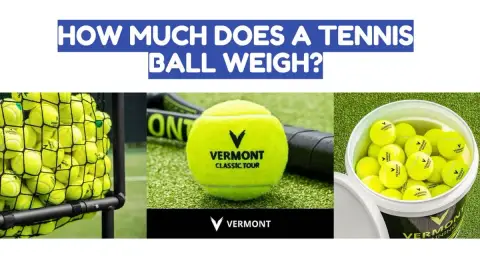
How Much Does a Tennis Ball Weigh? Official Specs Explained
A standard tennis ball must weigh 56.0 to 59.4 g (1.975-2.095 oz) under ITF rules, and meet strict diameter and bounce limits for approved pro play.
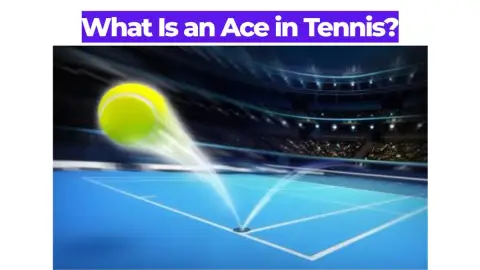
What Is an Ace in Tennis? Definition and Why It Matters
An ace in tennis is a legal serve that lands in the service box untouched by the receiver, winning the point outright. It is a server's top weapon.
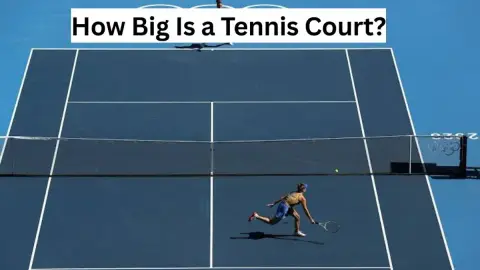
Tennis Court Dimensions and Space Needed
Official tennis court dimensions: 78 ft long, 36 ft wide for doubles, 27 ft for singles, plus total space needed, net height, lines and run-off.
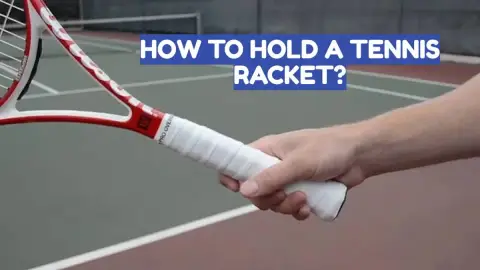
How to Hold a Tennis Racket: 5 Grips Every Player Should Know
How you hold a tennis racket shapes your swing, spin, and reach. The five main grips are Continental, Eastern, Semi-Western, Western, and two-handed.
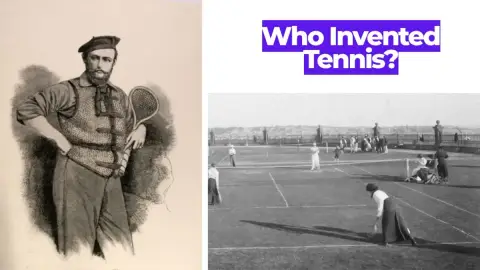
Who Invented Tennis? The History and Origins of the Sport
Modern tennis was invented by Major Walter Clopton Wingfield, who patented the lawn game Sphairistike in 1874. The first Wimbledon followed in 1877.
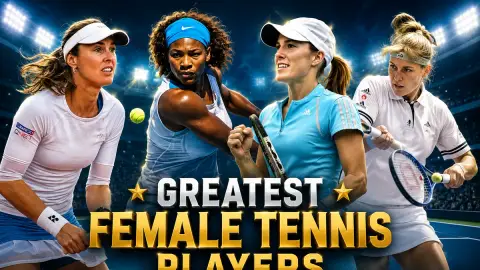
Greatest Female Tennis Players of All Time: The Definitive List
Serena Williams, Steffi Graf, Martina Navratilova and Margaret Court ranked by majors, weeks at No. 1, and dominance — the women's tennis GOAT case settled.
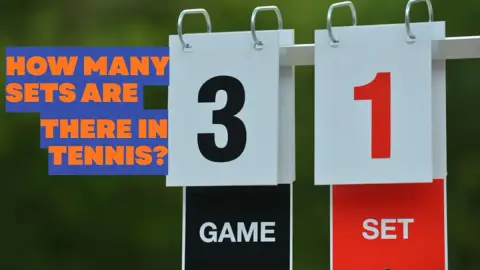
How Many Sets Are There in Tennis? A Complete Guide
Most pro tennis matches are best-of-three sets, so the first to win two sets wins. Grand Slam men's singles use best-of-five, needing three sets to win.
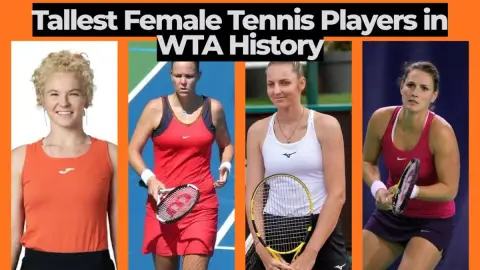
Tallest Female Tennis Players: WTA Heights in 2026
See the tallest female tennis players and current WTA heights, including Rybakina at 6'0", Sabalenka at 5'11" and the 6'3" record holders.
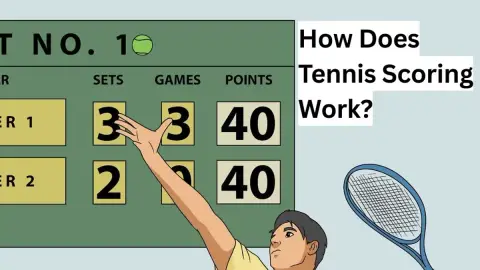
How Does Tennis Scoring Work? Points, Games, Sets Explained
Tennis scoring runs 15, 30, 40, game; games build into sets and sets into a match. See a clear breakdown of how tennis scoring works at every level.
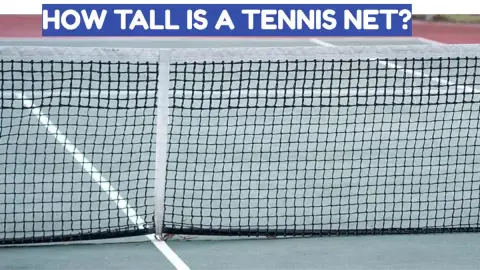
How Tall Is a Tennis Net? Official Height and Dimensions
A tennis net is 91.4 cm (3 ft) tall at the centre and 107 cm (3 ft 6 in) at the posts. These ITF measurements apply to all sanctioned tennis play.

What Is Deuce in Tennis? Scoring Rules Fully Explained
Deuce in tennis is the 40-40 score where both players are tied and one must win two straight points to win the game. It repeats until someone leads by two.
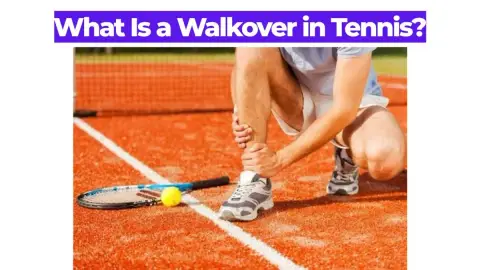
What Is a Walkover in Tennis? Rules and Examples
A walkover in tennis happens when a player wins without playing because the opponent withdraws before the match starts. It differs from a retirement.
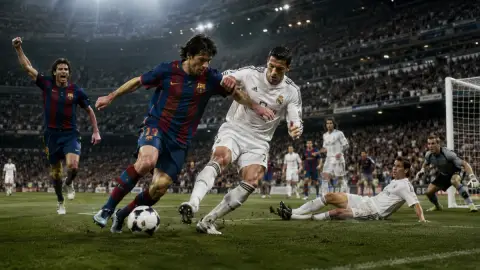
Greatest Tennis Players of All Time (Men's)
A ranked look at the greatest men's tennis players ever, from the Big Three of Djokovic, Nadal and Federer to Laver, Sampras and Borg, updated for 2026.
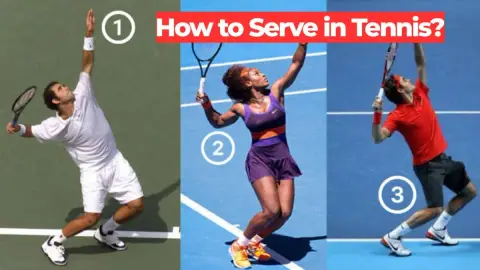
How to Serve in Tennis: Technique, Stance, and Tips
A tennis serve starts with the right grip, ball toss, and swing. This guide breaks down each step so you can build a consistent, powerful serve fast.
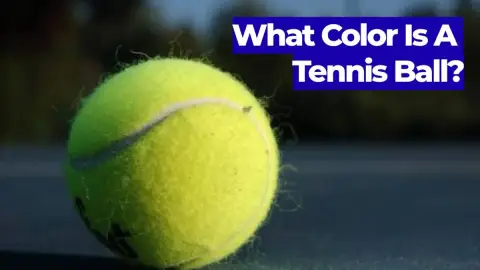
What Color Is a Tennis Ball? The Science Behind the Yellow-Green
Tennis balls are officially optic yellow, a shade between yellow and green. It was adopted in 1972 to improve visibility on colour television broadcasts.