
Backhand in Tennis: One-Handed vs Two-Handed, Grips, and Mechanics Explained
On this page6
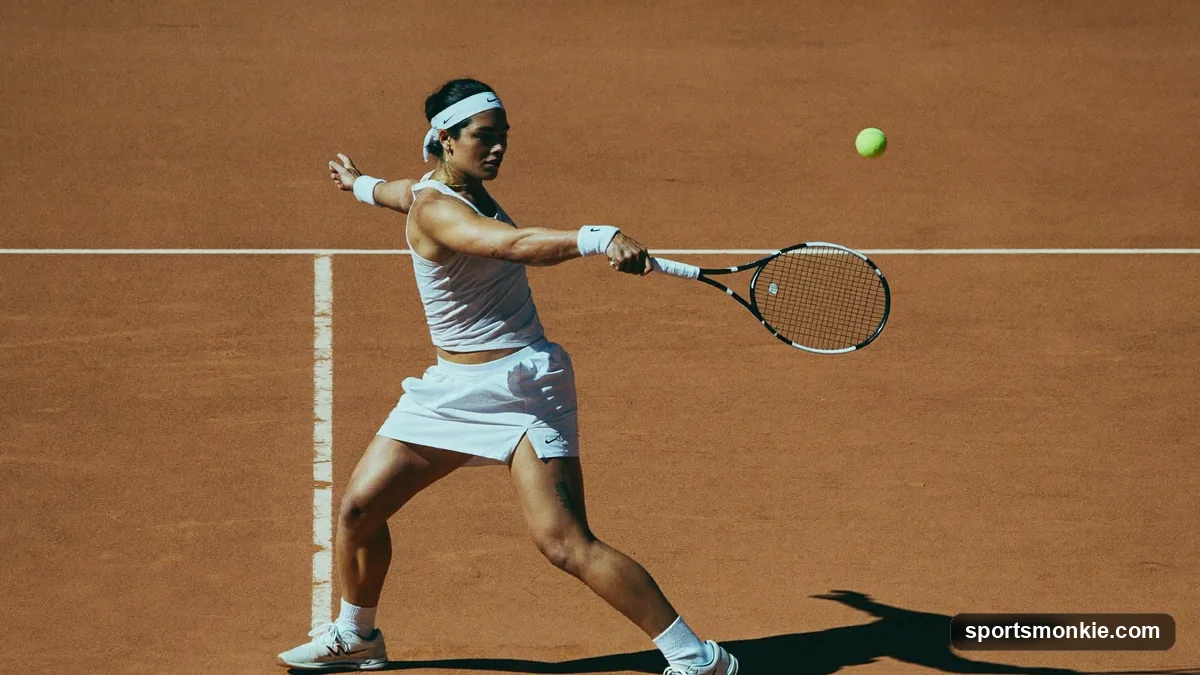
The backhand in tennis is the groundstroke a player hits on their non-dominant side, swinging the racket across the body with the back of the hitting hand facing the ball at contact. It is one of the two fundamental groundstrokes — alongside the forehand — and can be hit with one hand or two, with either topspin or slice, depending on the situation and the player’s technique.
What Is a Backhand in Tennis?
For a right-handed player, the backhand is struck on the left side of the body; for a left-hander, it’s on the right. Unlike the forehand, where the palm faces the ball, the backhand is played with the back of the hand (or hands) leading into contact. This is what historically made it the harder of the two groundstrokes to master — less natural leverage, a smaller hitting zone, and, for singles players, more strength required through the shot.
The backhand sits among the full family of tennis strokes covered in our guide to the types of tennis shots, alongside the forehand, serve, volley, overhead, and drop shot. Every player, regardless of level, needs a reliable backhand to survive a rally, because opponents will target it relentlessly if it’s the weaker side.
One-Handed vs Two-Handed Backhand: Grips and Mechanics
The biggest decision a player makes with the backhand is how many hands to use.
Two-handed backhand: The dominant hand grips low on the handle in a Continental or Eastern backhand grip, and the non-dominant hand sits directly above it in an Eastern or Semi-Western forehand grip. The stroke uses a smaller backswing, with both hips and shoulders rotating together and both arms driving through the ball for stability. It is generally considered easier to learn, which is why it’s now the default taught to juniors worldwide.
One-handed backhand: The dominant hand uses an Eastern backhand grip, with the base knuckle sitting on the top bevel of the handle. The non-dominant hand helps guide the racket back during the takeback, then releases before contact. The hitting arm stays close to straight through the ball, contact is made further out in front, and full shoulder and hip rotation generate the power that the second hand would otherwise supply. It demands more timing and upper-body strength but rewards the player with extra reach on wide balls.
Both styles are typically hit with a racket suited to fast swing speeds and control — for more on how racket choice interacts with technique, see our overview of racket sports.
Topspin Backhand vs Slice Backhand
Beyond the grip, players also choose between two spin styles depending on the shot they need.
The topspin backhand uses a low-to-high swing path, brushing up the back of the ball to create forward rotation. This makes the ball dip down into the court and kick up sharply after the bounce, which is why it’s the primary shot used from behind the baseline in modern rallies. Wrist pronation and forward weight transfer add extra racket-head speed.
The slice backhand does the opposite: a high-to-low, cutting swing path imparts backspin, producing a shot that stays low and skids on the bounce rather than kicking up. It’s traditionally used as a defensive or transition shot — to buy time, change the rhythm of a rally, or approach the net — but some players, most famously Roger Federer, have turned it into an offensive weapon that disrupts an opponent’s timing outright.
Pros and Cons of Each Backhand Style
| Style | Advantages | Disadvantages |
|---|---|---|
| Two-handed backhand | Easier to learn; more stable against high, heavy topspin; strong on the return of serve | Less reach on wide balls; slower transition into a slice |
| One-handed backhand | Greater reach; smoother, more natural slice; easier transition to net play | Requires more strength and precise timing; tougher against high-bouncing topspin |
| Topspin backhand | Generates pace and net clearance; dips the ball into the court | Requires more racket-head speed and technique to execute consistently |
| Slice backhand | Keeps the ball low; buys recovery time; effective approach shot | Sits up if hit too softly, inviting attack; rarely a primary power shot |
Famous One-Handed and Two-Handed Backhand Exponents
The one-handed backhand is often called the most elegant stroke in tennis, and its list of practitioners backs that reputation: Roger Federer, Stan Wawrinka, Stefanos Tsitsipas, and Justine Henin all built their games around it, each pairing it with a devastating slice.
The two-handed backhand, meanwhile, has produced the shot’s most dominant modern practitioners. Novak Djokovic and Rafael Nadal built two of the sturdiest backhands in men’s tennis history around it, while Serena Williams used hers as one of the most powerful weapons in the women’s game. As two-handers have become the overwhelming majority on tour, the one-hander has grown rarer at the elite level — but no less admired.
Backhand vs Forehand: Key Differences
The forehand is hit on a player’s dominant side with the palm facing forward, generally allowing more natural power, an earlier contact point, and a longer hitting zone — which is why most players develop it as their primary weapon first. The backhand, hit on the non-dominant side, has a smaller natural hitting zone and historically less raw power, but a well-built backhand — whether one-handed or two-handed — closes that gap and can be just as reliable a weapon in a rally. For a full technical breakdown of the other side of the ball, see our guide to the tennis forehand.
In practice, most club-level and junior players are coached to develop the two-handed backhand first for its consistency, then experiment with a one-handed slice and, eventually, a full one-handed topspin backhand if their footwork, strength, and timing support it. Once you have picked a style, our step-by-step guide on how to hit a tennis backhand walks through the grip, unit turn, contact point, and drills to groove it.
Frequently asked questions
What is a backhand in tennis?+
A backhand is a groundstroke hit on a player's non-dominant side, where the racket swings across the front of the body with the back of the hitting hand facing the ball at contact. It is one of the two core groundstrokes, alongside the forehand.
Is a one-handed or two-handed backhand better?+
Neither is objectively better — they suit different players. Two-handed backhands offer more stability, easier control on high balls, and are simpler to learn, which is why most modern pros use them. One-handed backhands offer greater reach, a more natural slice, and can generate more racket-head speed for players with strong technique and timing.
Why do most pro tennis players use a two-handed backhand?+
The two-handed backhand became dominant because it is more stable against heavy topspin and high-bouncing balls, easier to disguise, and quicker to learn at a young age. Coaches worldwide now teach it as the default backhand for juniors.
What grip do you use for a two-handed backhand?+
The dominant hand holds a Continental or Eastern backhand grip low on the handle, while the non-dominant hand sits directly above it in an Eastern or Semi-Western forehand grip. Both hands work together through contact for extra racket stability.
What grip do you use for a one-handed backhand?+
Most one-handed players use an Eastern backhand grip, with the base knuckle on the top bevel of the handle. Some shift slightly toward a Continental grip for low, flat balls or toward a Semi-Western grip for extra topspin on high-bouncing surfaces.
What is the difference between a topspin backhand and a slice backhand?+
A topspin backhand uses a low-to-high swing path to create forward-rotating spin, producing a shot that dips and kicks up after the bounce — ideal for baseline rallies. A slice backhand uses a high-to-low, cutting motion to produce backspin, keeping the ball low and skidding, which is useful defensively, for approach shots, and to disrupt an opponent's rhythm.
Who are the most famous one-handed backhand players?+
Roger Federer, Stan Wawrinka, Stefanos Tsitsipas, and Justine Henin are among the most celebrated one-handed backhand players in tennis history, known for the shot's elegance and reach.
Which pros are known for a great two-handed backhand?+
Novak Djokovic and Rafael Nadal on the men's side, and Serena Williams on the women's side, are widely regarded as having among the best two-handed backhands in the sport, combining stability with devastating power.
Sources
Play & tools
Free browser games and tools — no account, no download.
- Play today's Sports Connections — Today's Sports Connections — daily hints, answers, and play the grid.
- Play Guess the NFL Player — A new mystery NFL player every day. Eight guesses, with a clue on each — plus free unlimited mode.
- Explore all our games →
Related tennis guides
View all →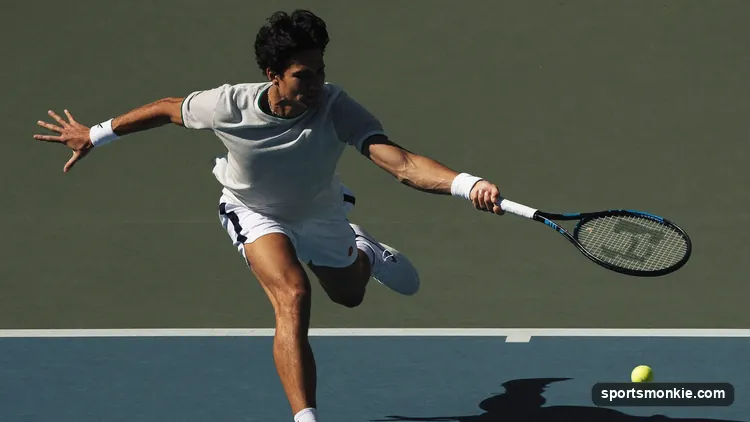
How to Hit a Tennis Backhand: Grip, Turn, Contact, and Drills
To hit a tennis backhand, turn your shoulders early, load with an Eastern backhand or two-handed grip, swing low-to-high, and make contact out in front of your front hip.
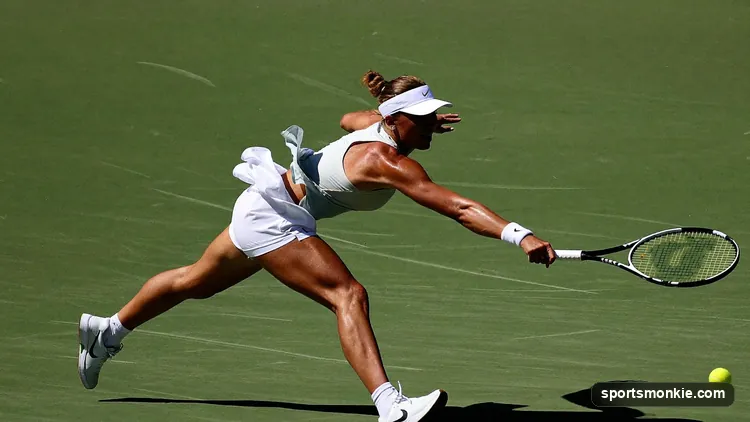
Forehand in Tennis Explained: Grips, Swing Path, and Technique
The forehand in tennis is the groundstroke hit on a player's dominant-hand side. Learn grips, swing mechanics, topspin, and common mistakes.
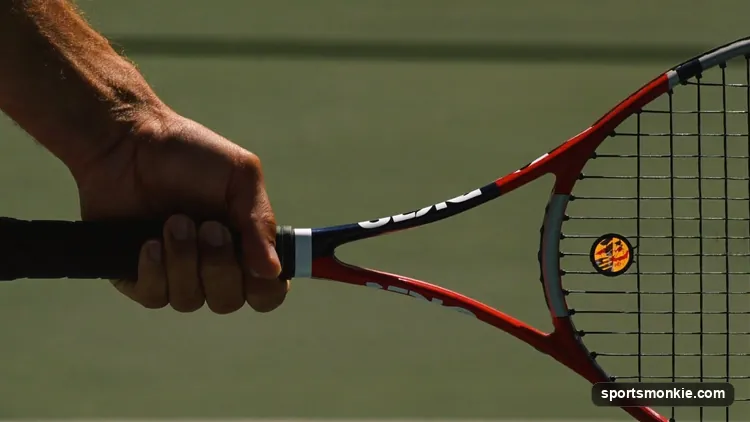
Eastern Grip in Tennis: The Bevel-3 Forehand Explained
The eastern grip in tennis places your index knuckle on bevel 3 for a flat, versatile forehand. Learn how to find it, its pros and cons, and who uses it.
Drop Shot in Tennis: Technique, Timing, and When to Use It
A drop shot in tennis is a soft, backspin-heavy stroke that just clears the net and dies short. Learn the grip, disguise, and when to hit it.
Lob in Tennis: Definition, Technique, and When to Use It
A lob in tennis is a high, arcing shot hit over an opponent at the net. Learn the offensive vs. defensive lob, technique, and its counter, the smash.
Overhead Shot in Tennis: How to Hit the Smash (Complete Guide)
The overhead shot in tennis is a serve-like swing hit above the head to put away a lob. Learn the technique, footwork, and common errors.