
Forehand in Tennis Explained: Grips, Swing Path, and Technique
On this page7
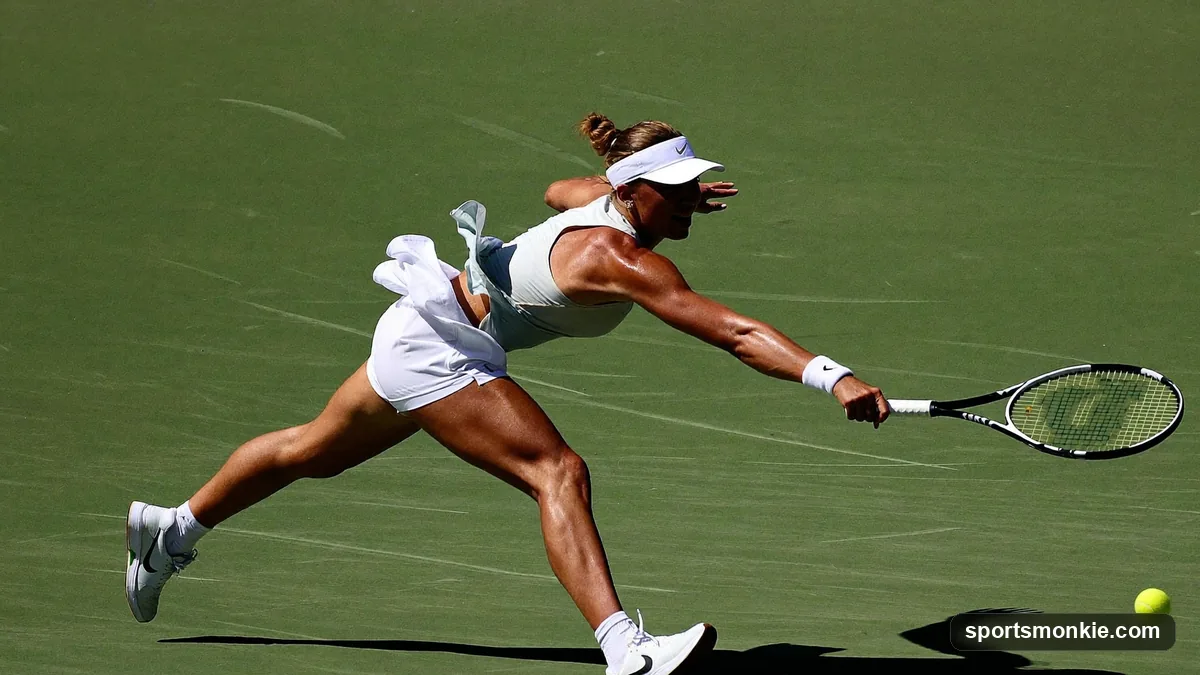
The forehand in tennis is a groundstroke hit on the same side as a player’s dominant hand, struck after the ball bounces, with the palm of the hitting hand facing forward toward the ball at contact. For a right-handed player, that means turning the body sideways with the left shoulder toward the net and swinging the racket from the right side of the torso. It is one of the two basic groundstrokes — alongside the backhand — and for the overwhelming majority of players at every level, it is the shot they lean on most.
Grips: Eastern, Semi-Western, and Western
The grip a player uses shapes almost everything about their forehand — how much topspin they generate, how flat they can hit, and how comfortable they are on high or low balls. There is no universal “correct” grip; each has trade-offs.
- Eastern grip — Often taught as “shaking hands with the racket,” it seats the index knuckle on bevel 3 to produce a flatter, more direct ball flight, and it was the dominant grip through the mid-20th century. Roger Federer and Juan Martín del Potro built devastating forehands around eastern-style grips, favoring flatter power over extreme spin; see our full guide to the eastern grip in tennis for how to find it and when to use it.
- Semi-western grip — The most common grip among today’s professionals. It sits between the eastern and western positions and lets a player generate heavy topspin on high-bouncing balls while still being able to flatten shots out when needed. Rafael Nadal and Novak Djokovic both use semi-western variations.
- Western grip — Rotated furthest under the racket handle, this grip maximizes topspin and is especially effective on high-bouncing shots, but it makes low balls and slice approaches more awkward. It faded from popularity after the wood-racket era but returned with modern topspin-heavy tennis; players like Kei Nishikori use western-leaning grips.
- Continental grip — Primarily a serve-and-volley grip. It is versatile across strokes but generally weak for forehands specifically, since it makes generating topspin difficult; it is rarely used as a primary forehand grip on tour today.
The Swing Path and Generating Topspin
A forehand swing moves through four connected phases: the unit turn and take-back, the forward swing, contact, and the follow-through.
On the take-back, the player turns their shoulders and hips together while bringing the racket back early — a late take-back is one of the most common technical breakdowns at every level. The forward swing then drops the racket head below the intended contact point and accelerates it on a low-to-high path. That upward path is what produces topspin: the strings brush up the back of the ball at contact while slightly closed, imparting forward rotation that pulls the ball down into the court even when hit with pace.
Contact ideally happens out in front of the body, roughly even with the front hip, with a firm but not locked wrist. Weight transfers from the back foot to the front foot through the shot, and the hips and shoulders rotate open toward the target.
The Modern “Windshield-Wiper” Forehand
Classic forehand technique finished with the racket high over the opposite shoulder. Most modern professionals instead use the windshield-wiper forehand, where after contact the racket whips across the body in an arc — resembling a car’s wiper blade — rather than finishing straight up. This motion, enabled by semi-western and western grips, generates extra topspin through increased forearm pronation while still letting a player recover quickly to a ready position for the next shot. It is now the standard technique taught from the junior level through the pros.
| Grip | Topspin | Best for | Notable users |
|---|---|---|---|
| Eastern | Low-moderate | Flat, fast, low balls | Roger Federer, Juan Martín del Potro |
| Semi-western | Moderate-high | All-court versatility | Rafael Nadal, Novak Djokovic |
| Western | High | High-bouncing, clay-court balls | Kei Nishikori |
| Continental | Low | Serve/volley, not ideal for forehands | Rarely used today |
Why the Forehand Is Usually a Player’s Primary Weapon
Compared with the backhand, the forehand generally allows a longer, more unrestricted swing because the dominant arm has a fuller, more natural range of motion when the body rotates into the shot. This is especially true against players hitting a one-handed backhand, where reach and power are more limited. As a result, most coaches build offensive strategy around the forehand: running around a ball on the backhand side to strike it as a forehand instead, a tactic commonly called “running around the backhand.” Among the many types of tennis shots a player has available, the forehand is typically the one used to end points, not just start or extend rallies.
Forehand vs. Backhand: Key Differences
The forehand and backhand differ in grip mechanics, swing range, and typical role in a point. A forehand is struck with the palm facing the ball, usually allows more shoulder rotation, and is easier for most players to hit with pace and heavy topspin. A backhand — hit one-handed or two-handed — is struck with the back of the hand leading and, for one-handed players especially, offers less natural leverage, which is why it is more often used defensively or to set up a forehand. Both strokes are essential, but tour statistics and coaching consensus consistently point to the forehand as the higher-percentage attacking shot.
Common Forehand Mistakes
Even experienced club players run into recurring technical issues:
- Late take-back — starting the racket preparation too late forces a rushed, arm-only swing with little power or consistency.
- Contact point too close to the body — crowding the ball removes the ability to fully extend and rotate through the shot.
- Stiff or locked wrist — restricts racket-head speed and limits topspin, producing a flat, error-prone shot.
- Poor weight transfer — staying planted on the back foot instead of stepping into the shot saps power and balance.
- Inconsistent grip — shifting grip position from shot to shot makes timing and spin unpredictable.
Fixing these usually starts with slowing the swing down, exaggerating the low-to-high path, and grooving one grip until it becomes automatic.
The Forehand in Context
The forehand doesn’t exist in isolation — it works alongside the serve, the volley, and the backhand as part of a complete racket sports skill set. But because it is typically the shot with the most raw power and spin potential, it remains the stroke most players are taught to build their game plan around, from the first junior lesson to the professional tour.
Frequently asked questions
What is a forehand in tennis?+
A forehand in tennis is a groundstroke struck on the same side of the body as the player's dominant hand, after the ball has bounced once. A right-handed player hits it on their right side; the palm faces the ball at contact. It differs from the backhand, which is hit on the opposite side with the back of the hand leading.
What is the best grip for a forehand?+
There is no single best grip — it depends on the surface and shot type. The eastern grip suits flatter, faster shots and is beginner-friendly. The semi-western grip, used by Rafael Nadal and Novak Djokovic, is the most common on tour because it balances topspin and control. The western grip maximizes topspin but limits low-ball and slice options.
Why is the forehand usually a player's strongest shot?+
The forehand allows a more natural, unrestricted shoulder rotation and a longer, freer swing path than the backhand, which most players hit with less range of motion (especially one-handed). This makes it easier to generate racket-head speed, topspin, and power, so most players develop it as their primary weapon.
How do you generate topspin on a forehand?+
Topspin comes from swinging the racket face on a low-to-high path, brushing up the back of the ball at contact while the strings are slightly closed. A semi-western or western grip naturally encourages this steeper swing path and more wrist/forearm pronation through the shot.
What is the windshield-wiper forehand?+
The windshield-wiper forehand is the modern technique where, instead of finishing high over the shoulder, the racket whips across the body after contact — much like a car's wiper blade. It lets players generate heavy topspin while still recovering quickly for the next shot, and it is standard on the pro tour today.
What are the most common forehand mistakes?+
Common forehand mistakes include a late take-back that rushes the swing, contacting the ball too close to the body, a locked or overly stiff wrist, poor weight transfer (staying on the back foot), and an inconsistent grip that changes shot to shot.
Is the forehand or backhand more important in tennis?+
Both strokes matter, but the forehand is generally considered the primary weapon because it is easier to hit with more power and topspin from a wider range of positions. Coaches often build a player's offensive game plan around running around the backhand to hit forehands whenever possible.
Who has the best forehand in tennis history?+
Roger Federer's forehand is widely regarded as one of the greatest ever, often described as a fluid whip-like motion that produced both power and precision. Rafael Nadal's heavy-topspin western-style forehand and Fernando Verdasco's 190 km/h recorded forehand are also frequently cited among the sport's most dangerous.
Sources
Play & tools
Free browser games and tools — no account, no download.
- Play today's Sports Connections — Today's Sports Connections — daily hints, answers, and play the grid.
- Play Guess the NFL Player — A new mystery NFL player every day. Eight guesses, with a clue on each — plus free unlimited mode.
- Explore all our games →
Related tennis guides
View all →
Lob in Tennis: Definition, Technique, and When to Use It
A lob in tennis is a high, arcing shot hit over an opponent at the net. Learn the offensive vs. defensive lob, technique, and its counter, the smash.
Backhand in Tennis: One-Handed vs Two-Handed, Grips, and Mechanics Explained
The backhand in tennis is a stroke hit on the non-dominant side; here's how one-handed vs two-handed grips, topspin, and slice mechanics differ.
Eastern Grip in Tennis: The Bevel-3 Forehand Explained
The eastern grip in tennis places your index knuckle on bevel 3 for a flat, versatile forehand. Learn how to find it, its pros and cons, and who uses it.
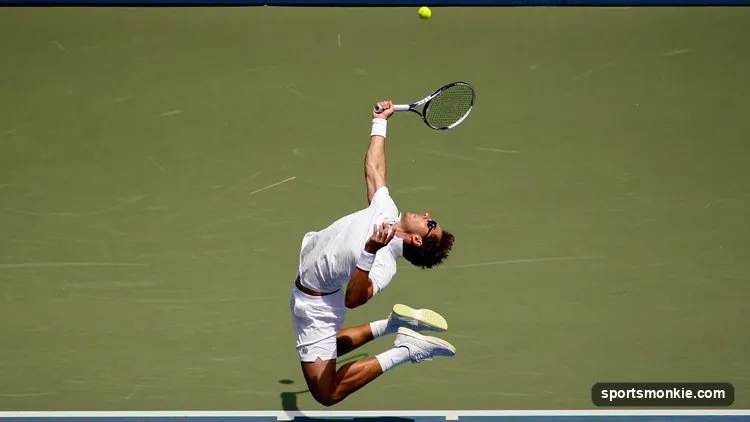
Overhead Shot in Tennis: How to Hit the Smash (Complete Guide)
The overhead shot in tennis is a serve-like swing hit above the head to put away a lob. Learn the technique, footwork, and common errors.
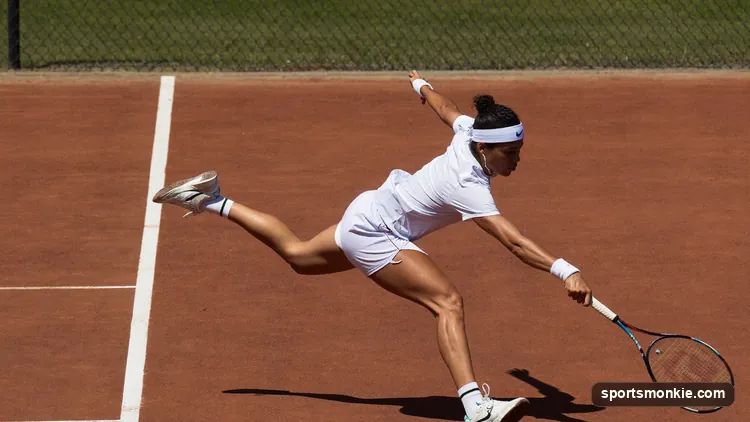
Types of Tennis Shots: The Complete Guide to Every Stroke
The main types of tennis shots are groundstrokes, the serve, volleys, and specialty shots like the slice, lob, smash, and drop shot.
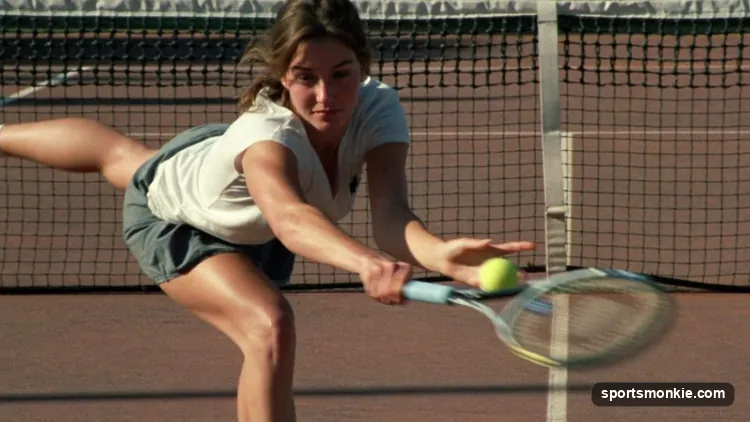
Drop Shot in Tennis: Technique, Timing, and When to Use It
A drop shot in tennis is a soft, backspin-heavy stroke that just clears the net and dies short. Learn the grip, disguise, and when to hit it.