
What Is a Volley in Tennis? Grip, Technique, and When to Attack the Net
On this page7
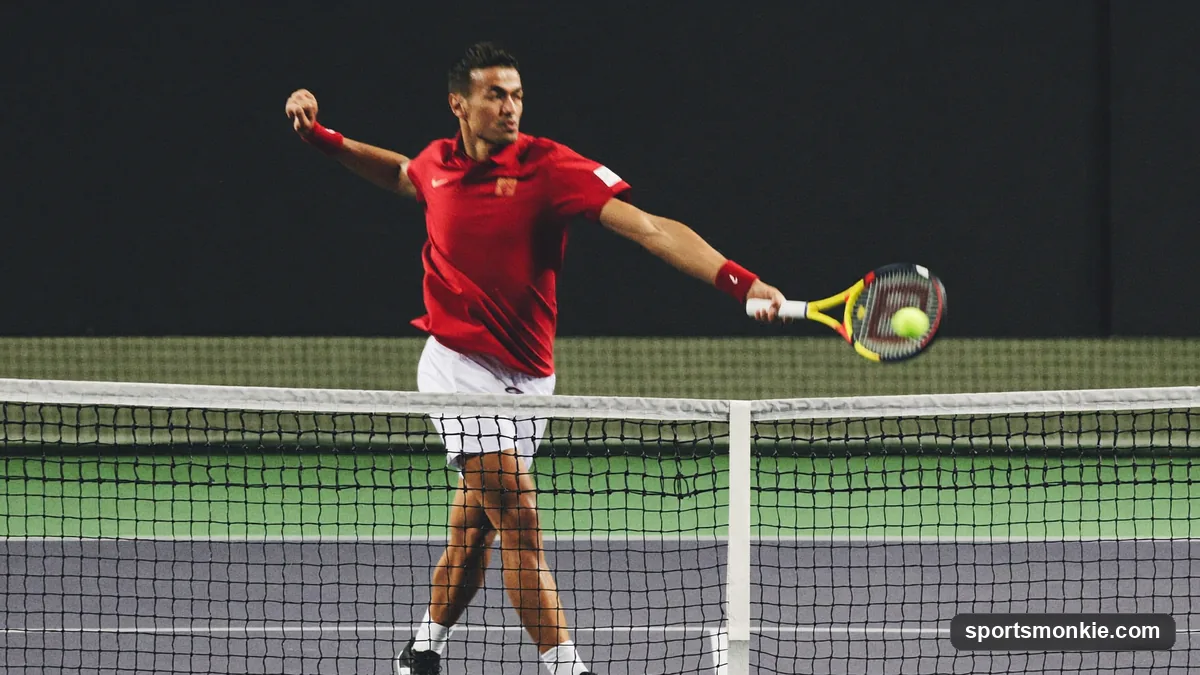
A volley in tennis is any shot struck out of the air before the ball bounces, almost always played close to the net. Instead of a full groundstroke swing, the volleyer uses a short, punching motion — a compact backswing, a firm wrist, and a brief follow-through — to redirect the ball’s pace into the open court. It’s one of the types of tennis shots every player eventually needs, and it’s the backbone of aggressive net play in singles, doubles, and racket sports beyond tennis.
What Is a Volley in Tennis, Exactly?
A volley happens whenever a player makes contact with the ball while it’s still airborne — before it hits the court. That’s the entire definition: no bounce, no full backswing, no baseline rally rhythm. Most volleys are struck inside the service boxes, usually within a few feet of the net, because that’s where a player has the best angle to cut off the point.
The shot is fundamentally defensive-to-offensive: a volleyer isn’t generating power from a big swing, they’re redirecting an opponent’s pace. That’s why volley technique looks nothing like a forehand groundstroke — it’s built around control and timing, not racket-head speed.
Grip and Setup: The Continental Foundation
Nearly every coach teaches the continental grip for volleys, on both the forehand and backhand side. Holding the racket with the “hammer grip” — as if you were about to knock on a door with the frame’s edge — keeps the racket face slightly open and lets a player react to balls hit directly at the body without needing to change grips mid-point.
The ready position matters just as much as the grip. Volleyers stand with knees bent, weight forward on the balls of the feet, racket head up near eye level, and the non-dominant hand supporting the throat of the racket. That split-step timing — a small hop as the opponent makes contact — is what allows a quick first move in either direction.
The Punch Technique: How the Volley Actually Works
The classic volley technique is often described as a “punch,” though top instructors increasingly frame it as catching and redirecting rather than swinging hard. The mechanics break down into three parts:
- Short backswing — the racket moves back only a few inches, using a shoulder turn rather than an arm swing
- Firm wrist at contact — the wrist stays stable through the ball rather than snapping, which keeps the shot from sailing long
- Minimal follow-through — the racket face moves forward and slightly down, blocking the ball crisply instead of brushing up for topspin
Because the incoming ball already has pace, a volleyer doesn’t need a big swing to generate power — over-swinging is the single most common volley mistake at every level, from juniors to club players. The shot is closer to a firm block than a groundstroke. For a step-by-step breakdown of the grip bevels, split-step, and drills, see our full guide to tennis volley technique.
Forehand Volley vs. Backhand Volley
Both volleys share the same grip and short-swing philosophy, but they differ in stability and natural power.
| Element | Forehand Volley | Backhand Volley |
|---|---|---|
| Grip | Continental | Continental |
| Racket face | Slightly open | Slightly more open |
| Support hand | Off the racket at contact | Often stays on the throat longer for stability |
| Natural power | More power from the dominant-side turn | Less power; relies more on the opponent’s pace |
| Common error | Swinging too big | Letting the wrist collapse under pace |
The backhand volley is generally considered the trickier of the two to learn, since the body’s natural rotation gives less assistance and players have to rely on a stable, blocked contact point rather than any real swing.
The Half-Volley: Tennis’s Hardest Shot
A half-volley isn’t a version of a regular volley — it’s a shot hit immediately after the ball bounces, before it reaches the top of its arc. Players sometimes call it hitting the ball “on the rise” or off a “short hop.” It usually happens on the service line or even at the baseline, when an opponent’s shot lands at a player’s feet and there’s no time to either take a full groundstroke or get to the ball as a true volley.
Because there’s essentially no backswing time, the half-volley requires soft hands, bent knees, and a very short, controlled push through the ball rather than any real swing. Historically, John McEnroe is widely regarded as the best half-volleyer the sport has seen, and players like Stefan Edberg, Pete Sampras, and Roger Federer built reputations on turning defensive half-volleys into offensive plays at net.
When to Come to the Net (and Serve-and-Volley)
Volleys only matter if a player is positioned to hit them, which raises the tactical question: when should you actually approach the net? The clearest opportunities are:
- After a deep, penetrating groundstroke that pins an opponent behind the baseline
- Behind a short-angled shot that pulls the opponent off the court
- On a weak or short return, especially in doubles, where the net player can poach
- Immediately after serving, in the tactic known as serve-and-volley
Serve-and-volley — serving and then sprinting forward to take the return as a first volley — was the dominant men’s strategy through the 1990s, built around players like Sampras, Edberg, and McEnroe, plus doubles specialists who lived at the net. It’s used far more sparingly in the modern game, where heavier topspin returns and faster baseline rallies make the transition riskier, but it remains a core weapon in doubles and a situational tool in singles, especially on faster surfaces.
The volley is also a shared skill across racket sports — the same punch mechanics, continental-style grip logic, and net-rushing tactics show up across racket sports from squash to pickleball, just adapted to different court dimensions and equipment. Inside tennis itself, the volley sits alongside the overhead shot as the two shots that define aggressive net play — the overhead punishes a lob, while the volley closes out everything else.
Bottom Line
A volley is any tennis shot hit out of the air, most often at net, using a continental grip and a short, controlled punch rather than a full swing. Master the setup — split step, compact backswing, firm wrist — and both the forehand and backhand volley become reliable point-finishers, while the half-volley remains the toughest test of hands and reflexes in the sport.
Frequently asked questions
What is a volley in tennis?+
A volley is a shot struck before the ball touches the ground, typically played near the net. Instead of a full groundstroke swing, the player blocks or punches the ball using a short backswing and a firm wrist, redirecting the incoming pace into the open court.
What grip should you use for a tennis volley?+
Most coaches and pros use the continental grip for both forehand and backhand volleys. It sits between an eastern forehand and eastern backhand grip, letting the racket face stay slightly open without needing a grip change when a ball is hit directly at the body.
What is the difference between a forehand volley and a backhand volley?+
Both use the continental grip and a short punching motion, but the backhand volley typically has the racket face open slightly more and the non-dominant hand supports the throat of the racket longer before contact, since backhand volleys generate less natural power than forehand volleys.
What is a half-volley in tennis?+
A half-volley is hit immediately after the ball bounces, just off the ground, before it reaches the top of its bounce. It is considered one of the hardest shots in tennis because there is no backswing time — the player essentially blocks the ball with soft hands and a short punch.
Why do players volley instead of letting the ball bounce?+
Volleying lets a player take the ball early, before an opponent has time to recover, cutting the angle and reaction time available to the other side of the court. It is the primary way to finish points at the net and is central to doubles and serve-and-volley strategy.
Is the volley a full swing or a short punch?+
A volley is a short, compact punch, not a full groundstroke swing. The backswing is minimal — often just a shoulder turn and a small racket takeback — because the ball is already traveling fast and there is little time to react at net.
What is serve-and-volley in tennis?+
Serve-and-volley is a tactic where a player serves and then immediately advances to the net to volley the return, rather than staying back on the baseline. It was a dominant strategy through the 1990s with players like Pete Sampras, Stefan Edberg, and John McEnroe, and is used more sparingly by modern pros.
When should a tennis player come to the net to volley?+
Good times to approach the net are after hitting a deep, short-angled, or short groundstroke that pins the opponent behind the baseline, on a weak return in doubles, or when serving to set up a first volley. Coming in behind a weak or short ball invites a passing shot instead.
Sources
Play & tools
Free browser games and tools — no account, no download.
- Play today's Sports Connections — Today's Sports Connections — daily hints, answers, and play the grid.
- Play Guess the NFL Player — A new mystery NFL player every day. Eight guesses, with a clue on each — plus free unlimited mode.
- Explore all our games →
Related tennis guides
View all →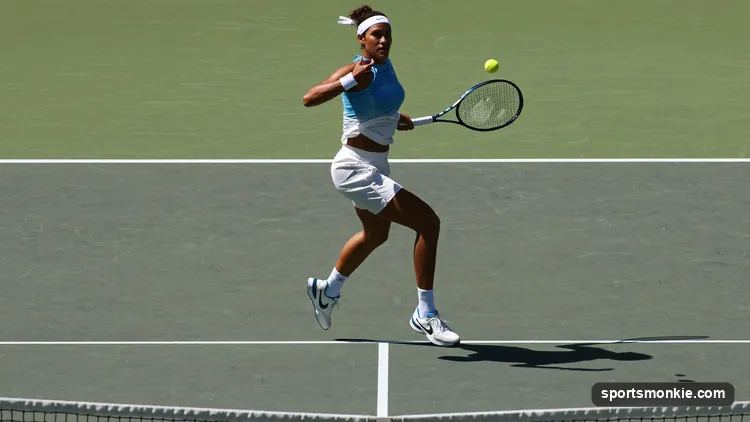
Tennis Volley Technique: Grip, Punch, and Footwork to Win the Net
Master tennis volley technique with a continental grip, a short punch instead of a swing, a split-step, and contact out in front. Step-by-step form plus drills.
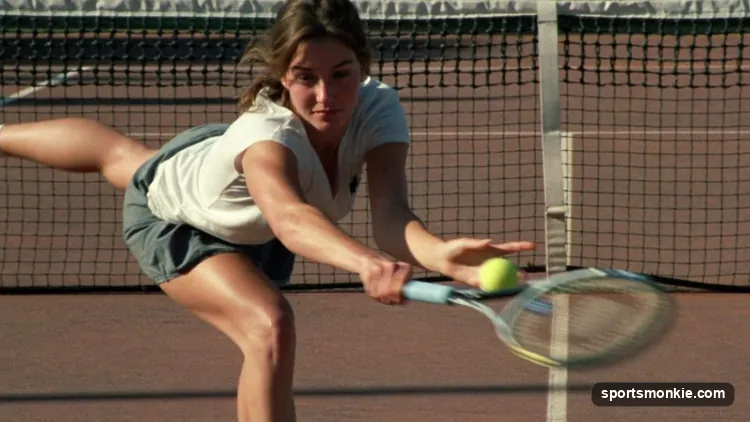
Drop Shot in Tennis: Technique, Timing, and When to Use It
A drop shot in tennis is a soft, backspin-heavy stroke that just clears the net and dies short. Learn the grip, disguise, and when to hit it.
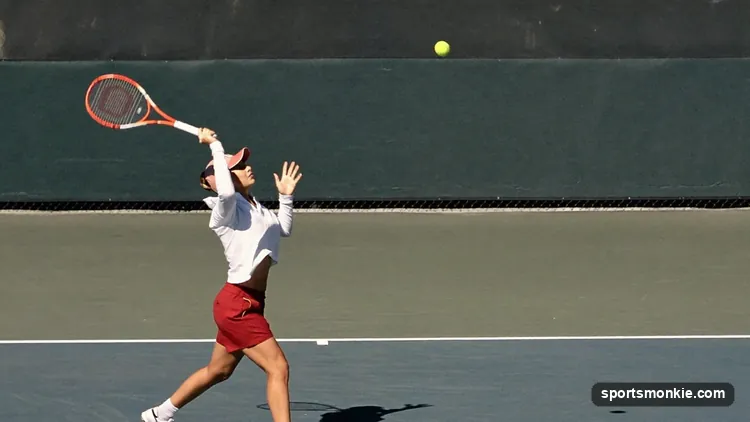
Lob in Tennis: Definition, Technique, and When to Use It
A lob in tennis is a high, arcing shot hit over an opponent at the net. Learn the offensive vs. defensive lob, technique, and its counter, the smash.
Continental Grip in Tennis: How to Hold It and When to Use It
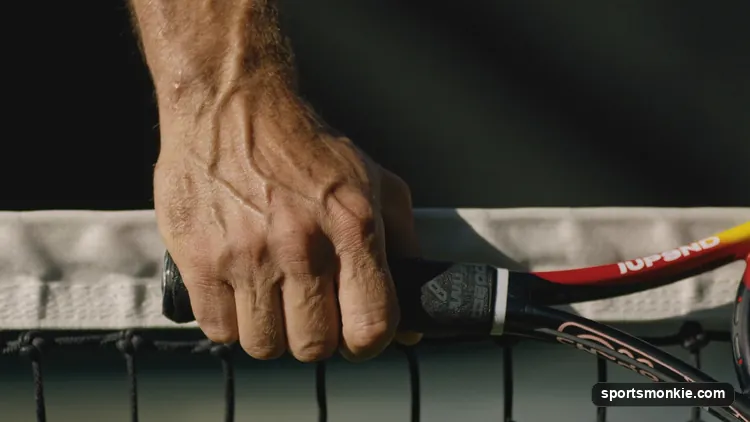
The continental grip places the base knuckle of your index finger on bevel 2 of the racket handle. It is the grip for serves, volleys, slices, and overheads. Here is how to find it and drill it.
Forehand in Tennis Explained: Grips, Swing Path, and Technique
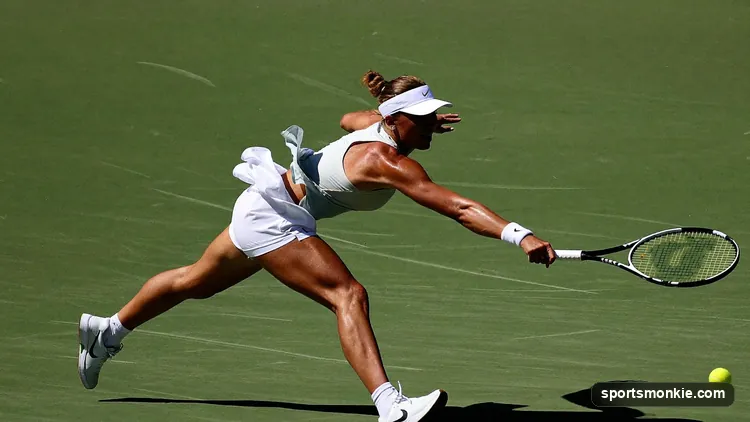
The forehand in tennis is the groundstroke hit on a player's dominant-hand side. Learn grips, swing mechanics, topspin, and common mistakes.
Eastern Grip in Tennis: The Bevel-3 Forehand Explained
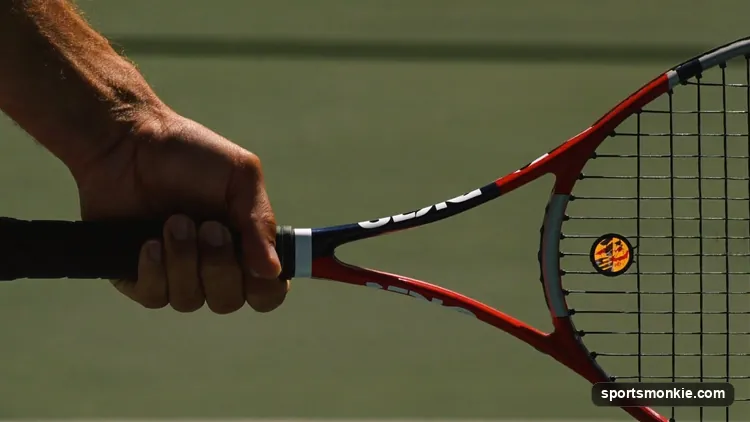
The eastern grip in tennis places your index knuckle on bevel 3 for a flat, versatile forehand. Learn how to find it, its pros and cons, and who uses it.