
Tennis Volley Technique: Grip, Punch, and Footwork to Win the Net
On this page7
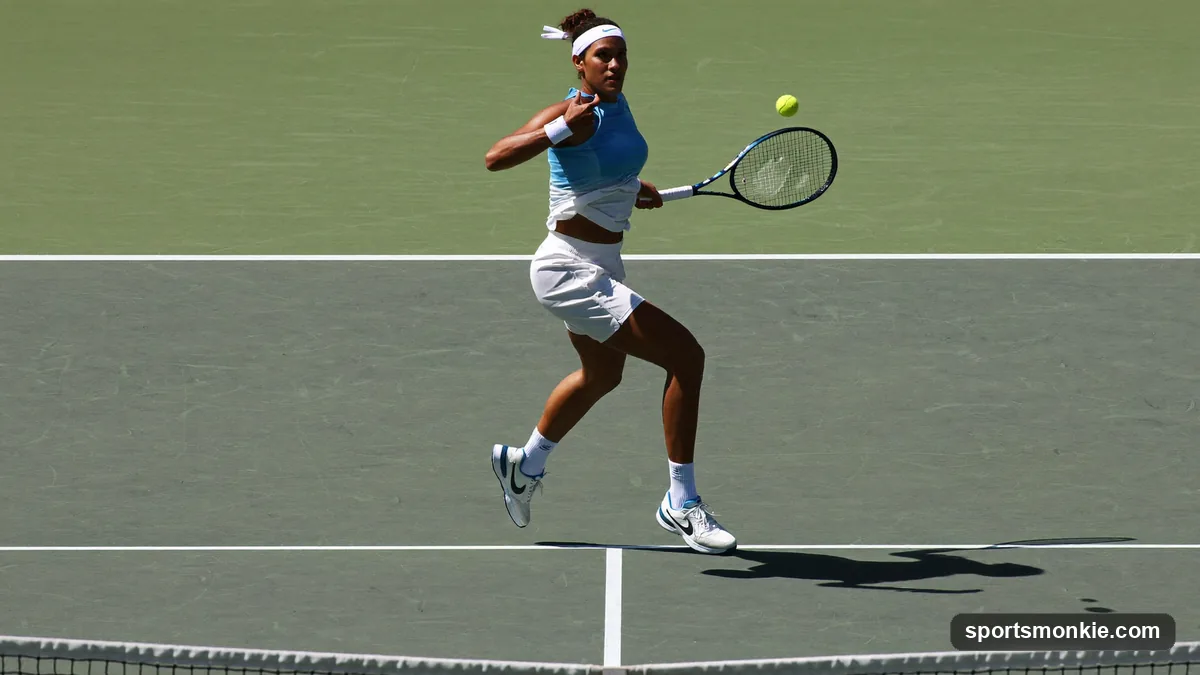
Good tennis volley technique swaps the full groundstroke swing for a short punch: hold a continental grip, split-step as your opponent hits, turn your shoulders, and meet the ball out in front with a firm wrist and almost no backswing. Because the incoming ball already carries pace, you block and redirect it rather than swing at it. Below is the exact grip, the punch mechanics, the footwork, and the drills that turn a shaky net game into a reliable point-finisher.
Start With the Continental Grip
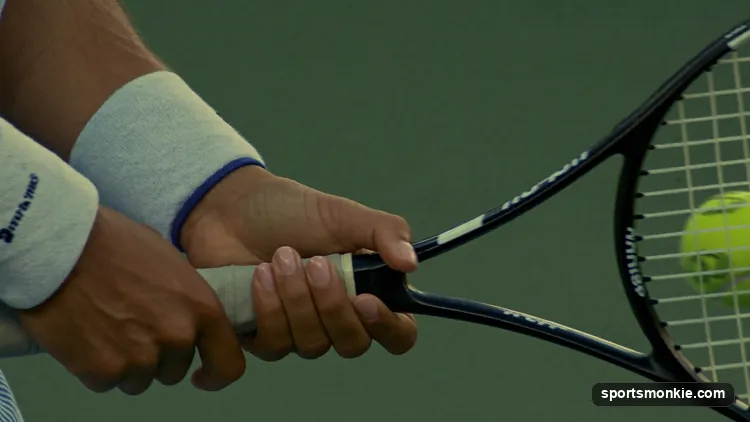
Every clean volley begins with the continental grip, and it is the one grip you never change at net. Place the base knuckle of your index finger on bevel two — for a right-hander that is the chamfer just to the right of the flat top bevel — so the racket sits in your hand like a hammer about to knock on a door with its edge. This keeps the face slightly open and, crucially, lets you hit both forehand and backhand volleys without switching grips, which you have no time to do at net.
Do not drift toward an eastern grip or a semi-western grip for volleys. Those closed-face grips are built for topspin groundstrokes, not for blocking a fast ball out of the air — they force you to roll the wrist and dump volleys into the net. If the whole system of grips is still fuzzy, our pillar on tennis grips explained lays out every bevel number and which shot each grip serves.
Punch, Don’t Swing
The single idea that fixes most volleys is this: it is a punch, not a swing. Three mechanics define it:
- Tiny backswing. The racket moves back only a few inches, driven by a shoulder turn rather than the arm. If your racket passes behind your shoulder, you have wound up too far.
- Firm wrist at contact. The wrist stays locked through the ball instead of snapping. A loose, flicking wrist is why volleys sail long or spray wide.
- Minimal follow-through. The strings move forward and slightly down, blocking the ball crisply. You are catching and redirecting the opponent’s pace, not manufacturing your own.
Over-swinging is the most common volley error at every level, from juniors to club players. The ball is already fast; add a big swing and you simply add mistakes. When you feel rushed, shorten the motion further rather than speeding it up.
Make Contact Out in Front
Where you meet the ball decides whether the punch works. Contact must happen out in front of your body and slightly to the side, in the window where you can see the ball and your strings at the same time. Let the ball drift back beside or behind you and the shot becomes a cramped, wristy jab with no control.
Keep the racket head above your wrist on every volley you can. That single checkpoint keeps the face slightly open and stops the scooped, netted volley. On the forehand side the mechanics mirror a compressed version of what you already do on a tennis forehand — shoulder turn, contact in front — just without the long swing. The backhand volley keeps your non-dominant hand on the racket throat a beat longer for stability and opens the face a touch more, because it has less natural power than the forehand side.
Footwork: Split-Step and Step In
Volleys are won with the feet before the racket ever moves. Two moves matter most:
- Split-step. As your opponent makes contact, make a small hop and land on the balls of both feet. This loads your legs so you can push off instantly toward the ball rather than reacting flat-footed and reaching.
- Step in with the opposite foot. On a forehand volley, step across with the left foot (for a right-hander); on the backhand, step with the right. Stepping in transfers your weight forward through contact, so your body — not your arm — supplies the control and the depth.
Moving forward through the volley also closes the net, cutting the angle and time your opponent has to pass you. Dedicated tennis footwork drills that rehearse the split-step and the diagonal approach step will do more for your net game than hitting a hundred static volleys. Beginners building this from scratch should fold volley reps into a wider set of tennis drills for beginners so the footwork and the punch develop together.
High Volleys vs. Low Volleys
Not every ball arrives at a comfortable height, and the two extremes ask for different adjustments.
High volleys (above net height) are your put-away balls. You can angle the racket face slightly downward and punch firmly into the open court, driving the ball down and away. The mistake here is decelerating — commit to the punch and finish forward.
Low volleys (below net height) are about safety, not power. Bend your knees to lower your whole body rather than dropping the racket head beneath your wrist. Open the face a little more, keep the wrist firm, and lift the ball with a short upward-angled block, aiming deep and giving the net a safe margin. Trying to hit a low volley hard is how points get thrown away.
The half-volley — struck immediately after the bounce, off a short hop at your feet — is the hardest version of all. There is no backswing time, so it demands soft hands, deeply bent knees, and a short controlled push through the ball. Treat it as damage control: get it deep and reset, do not try to win the point with it.
Common Volley Mistakes and Quick Fixes
- Swinging like a groundstroke. Shorten everything. Backswing to a few inches, punch, stop.
- Racket head dropping below the wrist. Keep it up near eye level in the ready position and through contact; bend the knees for low balls instead of the racket.
- Late contact. You are reacting late — the fix is upstream, in the split-step. Hop as they hit, not after.
- Wristy, spraying volleys. Lock the wrist and let the shoulder turn and forward step do the work.
- Backing up on the volley. Move through the ball toward the net; retreating invites the pass.
A Simple Volley Practice Progression
Week 1 — grip and feel, no footwork. A partner feeds soft balls from the service line while you stand at the net and block them back with a continental grip. Focus only on contact in front and a firm wrist. No swing.
Week 2 — add the split-step. Partner feeds from the baseline; you split-step on their contact, then punch. Alternate forehand and backhand volleys so the no-grip-change habit sticks.
Week 3 — add movement and targets. Approach from the service line, split-step, hit a first volley deep, then close for a put-away. Place cones in the corners and aim.
Once the punch and footwork feel automatic, fold volleys into full points behind an approach shot. If you want the full definition and tactical picture of when to come forward, our explainer on what a volley is in tennis covers serve-and-volley and net positioning, and the overhead shot is the partner skill that punishes the lob when opponents try to counter your net rushing.
Frequently asked questions
What grip do you use for a tennis volley?+
Use the continental grip for both forehand and backhand volleys. Place the base knuckle of your index finger on bevel two (a right-hander's chamfer just right of the top), the same 'hammer' grip you would use to knock on a door with the frame edge. It keeps the face slightly open and needs no grip change on either side.
Should a volley be a swing or a punch?+
A volley is a short punch, not a swing. The racket moves back only a few inches on a shoulder turn, the wrist stays firm through contact, and the follow-through is minimal. The incoming ball already carries pace, so a big swing only adds errors. Think of blocking or catching the ball and redirecting it, not brushing up for spin.
Where should you make contact on a volley?+
Make contact out in front of your body and slightly to the side, where you can still see the ball and your strings at the same time. Contact behind your body forces a wristy, uncontrolled swing. Keeping the ball in front lets you step into the shot and use your legs and shoulder turn instead of your arm for control.
How do you hit a low volley in tennis?+
Bend your knees to lower your whole body rather than dropping the racket head below your wrist. Open the racket face a touch more, keep a firm wrist, and lift the ball with a short, upward-angled block. The goal on a low volley is depth and safety over the net, not pace, so aim deep and let the legs do the work.
What is the split-step and why does it matter for volleys?+
The split-step is a small hop that lands you on the balls of both feet just as your opponent strikes the ball. It loads your legs so you can push off instantly in either direction. Without it you react late and reach for volleys; with it you move first, then hit, which is the foundation of clean net play and good footwork.
How do I stop volleying into the net?+
Three fixes: keep the racket head above your wrist so the face stays slightly open, contact the ball in front instead of letting it drop beside you, and finish the punch forward and slightly down rather than pulling the racket back toward your body. Bending your knees to get under low balls also stops the netted, scooped volley.
Are forehand and backhand volleys hit the same way?+
Almost. Both use the continental grip and a short punch. The backhand volley keeps the non-dominant hand on the racket throat a moment longer for stability and opens the face slightly more, since it has less natural power than the forehand volley. Most players find the backhand volley steadier once they trust the block instead of trying to swing.
Sources
Play & tools
Free browser games and tools — no account, no download.
- Play today's Sports Connections — Today's Sports Connections — daily hints, answers, and play the grid.
- Play Guess the NFL Player — A new mystery NFL player every day. Eight guesses, with a clue on each — plus free unlimited mode.
- Explore all our games →
Related tennis guides
View all →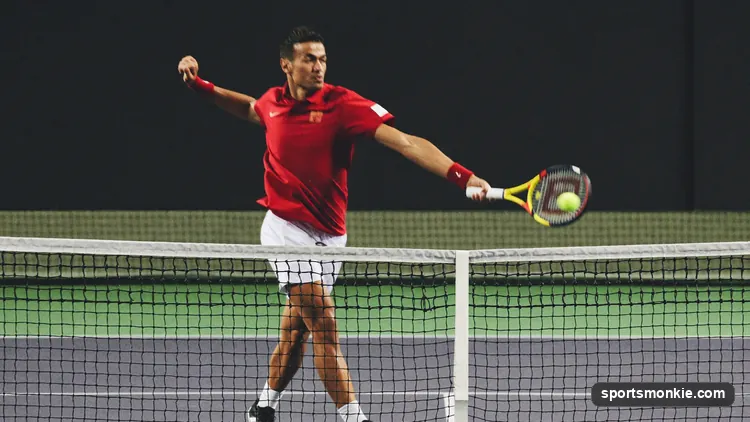
What Is a Volley in Tennis? Grip, Technique, and When to Attack the Net
A volley in tennis is a shot hit before the ball bounces, usually at the net. Learn grip, punch technique, and forehand vs. backhand volley form.
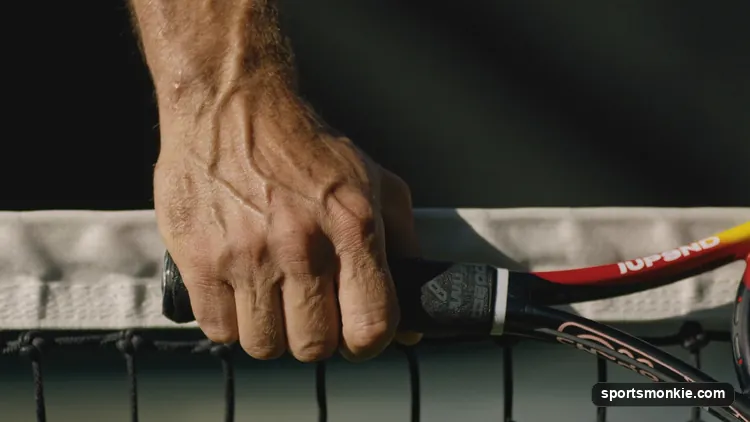
Continental Grip in Tennis: How to Hold It and When to Use It
The continental grip places the base knuckle of your index finger on bevel 2 of the racket handle. It is the grip for serves, volleys, slices, and overheads. Here is how to find it and drill it.
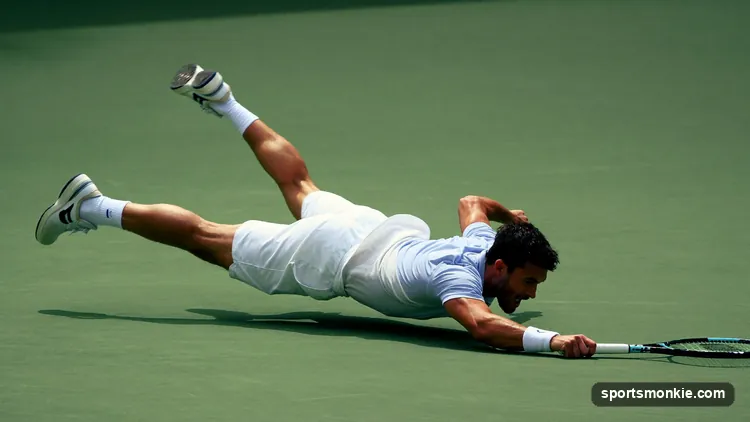
9 Best Tennis Footwork Drills to Move Faster and Hit Cleaner (Ranked)
Nine tennis footwork drills ranked by what they fix: split-step reaction, lateral coverage, explosive change of direction, and recovery. Move faster, hit cleaner.
Tennis Grips Explained: The 4 Grips and When to Use Each
Tennis grips explained simply: the Continental (bevel 2) serves and volleys, Eastern (bevel 3) hits flat forehands, Semi-Western (bevel 4) adds topspin, and Western (bevel 5) is extreme spin. Here is how to form each and when to switch.
Drop Shot in Tennis: Technique, Timing, and When to Use It
A drop shot in tennis is a soft, backspin-heavy stroke that just clears the net and dies short. Learn the grip, disguise, and when to hit it.

Pickleball Volley Technique: Punch, Block and Reset
Pickleball volley technique: the punch volley, the block and reset, and how to volley at the kitchen line without faulting in the non-volley zone.