
How to Hit Topspin in Tennis: The Low-to-High Swing, Grip, and Drills
On this page9
- 01What Topspin Actually Is (and Why It Wins Points)
- 02Step 1: Set the Grip for Spin
- 03Step 2: Take the Racket Low — Drop the Head Below the Ball
- 04Step 3: Swing Low-to-High and Brush Up the Back of the Ball
- 05Step 4: Time the Contact Point
- 06Step 5: Add Racket-Head Speed Without Muscling It
- 07Topspin Drills That Build the Motion Fast
- 08Common Topspin Mistakes to Fix
- 09Putting It Together on the Court
To hit topspin in tennis, swing the racket sharply low-to-high so the strings brush up the back of the ball rather than pushing straight through it. Hold a semi-western grip, drop the racket head below the level of the ball, and accelerate upward through contact so the ball rolls forward and dips down inside the baseline. The spin is created by racket-head speed traveling up, not by rolling your wrist over the ball. Everything below builds that one motion on both the forehand and the backhand.
What Topspin Actually Is (and Why It Wins Points)
Topspin is forward rotation on the ball, created when your strings move upward across the back of the ball at contact. That forward roll makes the ball dip down as it travels, so you can swing hard and still land the ball in — the spin, not luck, brings it down. It also makes the ball kick up high after the bounce, pushing your opponent back behind the baseline and out of their comfortable strike zone.
The payoff is margin. A flat drive has to pass within inches of the net tape to land in, but a topspin shot can clear the net by three to six feet and still drop inside the baseline. That larger target is why nearly every professional groundstroke is hit with heavy topspin. If you are still building the base motion of the stroke itself, pair this guide with our walkthrough of how to hit a tennis forehand so the swing shape and the spin develop together.
Step 1: Set the Grip for Spin
Grip is what tilts the racket face and positions your hand to swing upward, so it comes first. For a topspin forehand, the semi-western grip is the standard: place the base knuckle of your index finger on bevel 4 (the bottom-right bevel for a right-hander). This slightly closes the face and puts your palm behind the handle, so a fast upward swing brushes the ball instead of sending it long.
If the semi-western feels extreme at first, start one bevel back with the eastern grip (index knuckle on bevel 3), which still lets you brush up but with a more open face and a flatter, more forgiving contact. Avoid the continental grip (bevel 2) for groundstroke topspin — it is a serve-and-volley grip that forces a slicing, chopping path rather than the upward brush you need. For the full map of bevels and which grip suits each shot, see our pillar guide to tennis grips explained.
Step 2: Take the Racket Low — Drop the Head Below the Ball
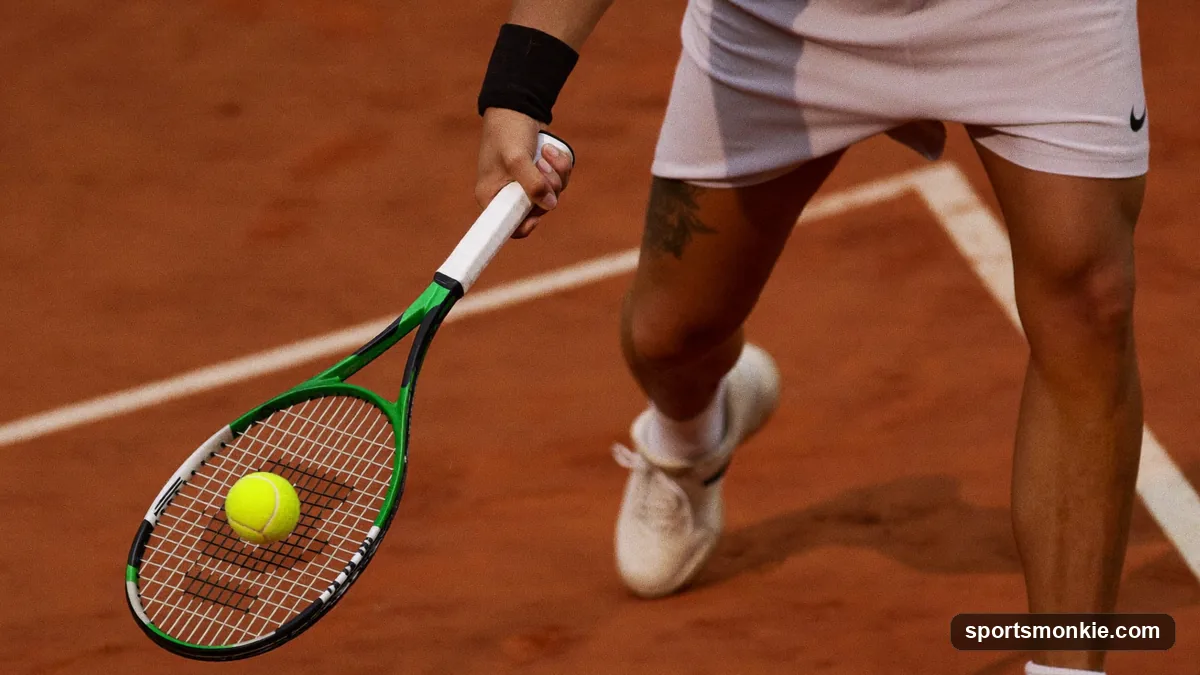
You cannot brush up a ball your racket is already level with. During the backswing and just before contact, let the racket head drop below the height of the incoming ball — the strings should point roughly at the ground behind you. Bend your knees to help get low; the legs, not a scoop of the arm, should lower your hitting zone.
A useful checkpoint: as you start forward, feel the butt cap of the racket lead toward the ball while the head still hangs below your hand. That lag is what lets you accelerate the head upward through contact. Skipping the drop is the single most common reason players stay stuck hitting flat.
Step 3: Swing Low-to-High and Brush Up the Back of the Ball
This is the core move. From that dropped position, accelerate the racket up and forward so the strings brush up the back of the ball at contact — think of trying to peel the top layer off the ball. The face stays roughly vertical; you are not rolling your wrist over the ball, which kills depth and control. The spin comes from the upward direction of the swing, so the faster the head travels up at contact, the heavier the topspin.
Make contact slightly out in front of your lead hip, then let the swing finish high — up and over your opposite shoulder, or wrapping toward it. A finish that ends out in front instead of up is proof the path was too flat. On the backhand, the same low-to-high brush applies; our guide to how to hit a tennis backhand covers the two-handed and one-handed versions, but the spin principle is identical: drop below the ball, brush up, finish high.
Step 4: Time the Contact Point
Topspin is unforgiving of a late contact point. Meet the ball in front of your body, roughly level with or just ahead of your lead hip, while it is still on the rise or at the top of its bounce. Contact that drifts back beside or behind you forces the arm to lift awkwardly and the ball floats without spin.
Getting there is a footwork problem as much as a swing problem — you have to arrive early enough to set your base and swing up freely. Grooving your split-step and recovery through our tennis drills for beginners makes the early, front-of-body contact automatic, which is what lets you swing fast without rushing.
Step 5: Add Racket-Head Speed Without Muscling It
Heavy topspin comes from a fast, loose, whip-like acceleration through contact, not a tight, forced shove. Keep the arm relaxed and let your legs and torso rotation drive the racket up; a tense arm slows the head and flattens the shot. Drive up off the ground with your legs as you swing so the whole body adds speed to that upward brush.
The same upward-brush mechanic that puts topspin on a groundstroke also powers the kick serve, where you brush up the back of the ball to make it jump — so time spent grooving spin on your forehand pays off on serve too.
Topspin Drills That Build the Motion Fast
Work these in order, staying slow until the brush feels automatic before adding pace:
The tunnel drop. Hold the racket out in front, drop the head straight down below your hand, then swing it up to a high finish with no ball. Repeat 20 times to burn in the low-to-high shape.
Bounce-and-brush. Drop-feed a ball to yourself and hit slow, exaggerated topspin, aiming only to feel the strings brush up the back — not for depth or power. Listen for the “zip” of clean spin.
High-net target. String an extra rope or aim three to six feet above the net and rally, forcing yourself to loop the ball up and let the spin drop it in. This trains the high-margin flight topspin is built for.
Spin-only rally. Rally at half pace with a partner, both hitting only topspin, restarting the count if anyone hits flat. It grooves the motion under live, moving-ball conditions.
Common Topspin Mistakes to Fix
Rolling the wrist over the ball. Topspin comes from swinging up, not from flipping the face down. Rolling the wrist sends the ball into the net and destroys consistency — keep the face vertical and let the upward path create the spin.
A flat, level swing. If your racket never drops below the ball, you cannot brush up it. Exaggerate the low start until the loop feels natural.
Contact too late. Meeting the ball beside or behind you forces a floaty lift. Move your feet to take the ball in front, near your lead hip.
A grip that fights you. Trying to brush hard with a continental grip sends the ball long; check your grip against our tennis grips explained reference before blaming your swing.
Putting It Together on the Court
Build topspin in layers: set the semi-western grip, drop the racket below the ball, brush up and finish high, meet the ball in front, then add speed once the shape is grooved. Start every practice with a few tunnel drops and slow shadow swings so the low-to-high path is loaded before the first ball. Within a few focused sessions you will feel the ball leave your strings with a forward roll and dip down inside the baseline — and once that becomes your default groundstroke, you can swing freely, aim high over the net, and let the spin do the work of keeping the ball in.
Frequently asked questions
What grip do I need to hit topspin in tennis?+
A semi-western grip is the standard choice because it naturally tilts the racket face slightly closed and puts your hand behind the handle for an upward swing. Beginners can start with an eastern grip and still generate spin, but the semi-western lets you brush up the back of the ball more aggressively without the ball flying long.
Why can't I get topspin on my forehand?+
The most common reason is a flat, level swing that pushes the ball forward instead of brushing up it. Topspin comes from racket-head speed traveling low-to-high through contact. If your finish is out in front rather than up over your shoulder, your swing path is too flat to roll the ball.
Is topspin harder to hit than a flat shot?+
Topspin takes more racket-head speed and better timing, so it feels harder at first. But it is more forgiving once learned: the forward spin pulls the ball down into the court, so you can swing fast and aim higher over the net with a much larger margin for error than a flat drive allows.
Can you hit topspin on a one-handed backhand?+
Yes. A one-handed backhand uses an eastern backhand grip and the same low-to-high path, with the hitting shoulder and arm driving up and through the ball. The key difference is that the whole arm and shoulder generate the lift, since you do not have a second hand to help snap the racket up.
How high should I aim over the net for topspin?+
Aim three to six feet above the net on most topspin groundstrokes. Because the forward spin curves the ball down, that extra height clears the net safely and still lands the ball well inside the baseline. Flat hitters who aim just over the tape leave almost no margin for error.
How long does it take to learn topspin?+
Most players feel real topspin within a few focused practice sessions of shadow swings and slow feeds, but grooving it under match pressure takes several weeks. Learn the low-to-high brush without a ball first, then add slow feeds, then rally pace. Rushing to full power before the brush is automatic is the usual reason it stalls.
Sources
Play & tools
Free browser games and tools — no account, no download.
- Play today's Sports Connections — Today's Sports Connections — daily hints, answers, and play the grid.
- Play Guess the NFL Player — A new mystery NFL player every day. Eight guesses, with a clue on each — plus free unlimited mode.
- Explore all our games →
Related tennis guides
View all →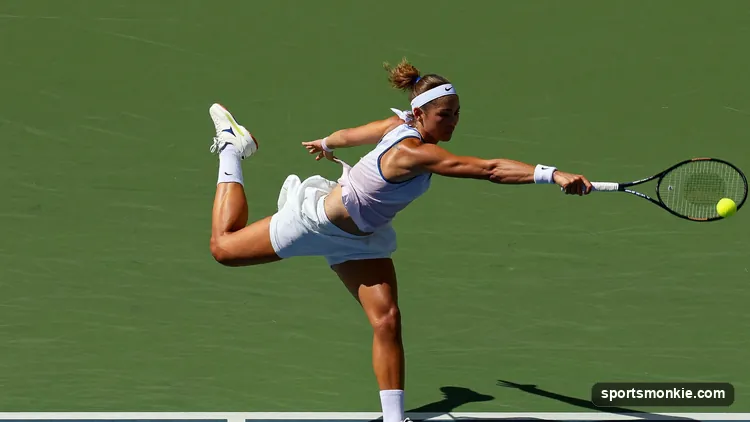
How to Hit a Tennis Forehand: Grip, Swing, and Topspin
How to hit a tennis forehand: use a Semi-Western or Eastern grip, turn your shoulders early, drop the racket below the ball, and swing low-to-high to contact out front.
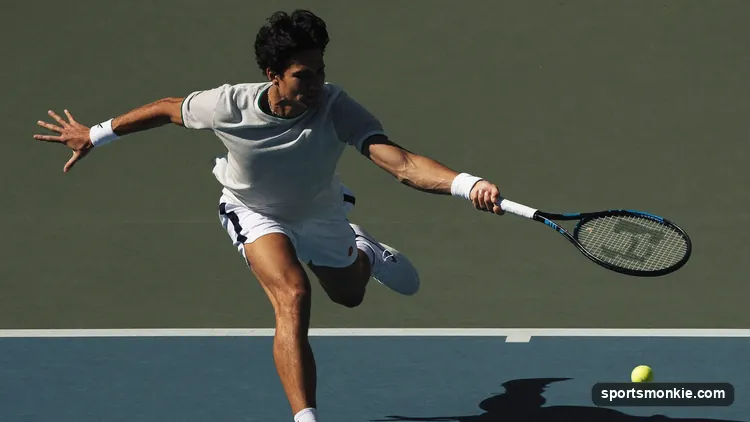
How to Hit a Tennis Backhand: Grip, Turn, Contact, and Drills
To hit a tennis backhand, turn your shoulders early, load with an Eastern backhand or two-handed grip, swing low-to-high, and make contact out in front of your front hip.
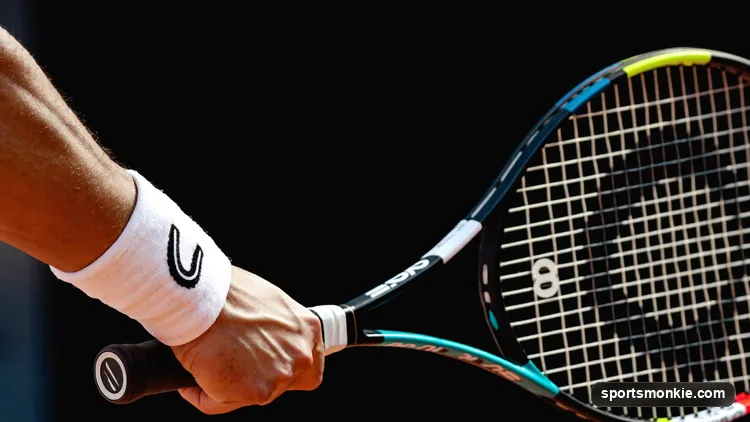
Semi-Western Grip in Tennis: The Modern Topspin Forehand Grip
The semi-western grip places your index knuckle on bevel 4 and is the standard modern topspin forehand grip. Here is how it works, who uses it, and how to switch from an eastern grip.
Continental Grip in Tennis: How to Hold It and When to Use It
The continental grip places the base knuckle of your index finger on bevel 2 of the racket handle. It is the grip for serves, volleys, slices, and overheads. Here is how to find it and drill it.
Eastern Grip in Tennis: The Bevel-3 Forehand Explained
The eastern grip in tennis places your index knuckle on bevel 3 for a flat, versatile forehand. Learn how to find it, its pros and cons, and who uses it.
How to Hit a Kick Serve: Grip, Toss, and Brush-Up Technique
To hit a kick serve, use a continental grip, toss the ball over your head and slightly left, and brush the racket up the back of the ball from 7 to 1 o'clock while driving with your legs. Here is the full step-by-step.