
How to Hold a Tennis Racket: 5 Grips Every Player Should Know
On this page9
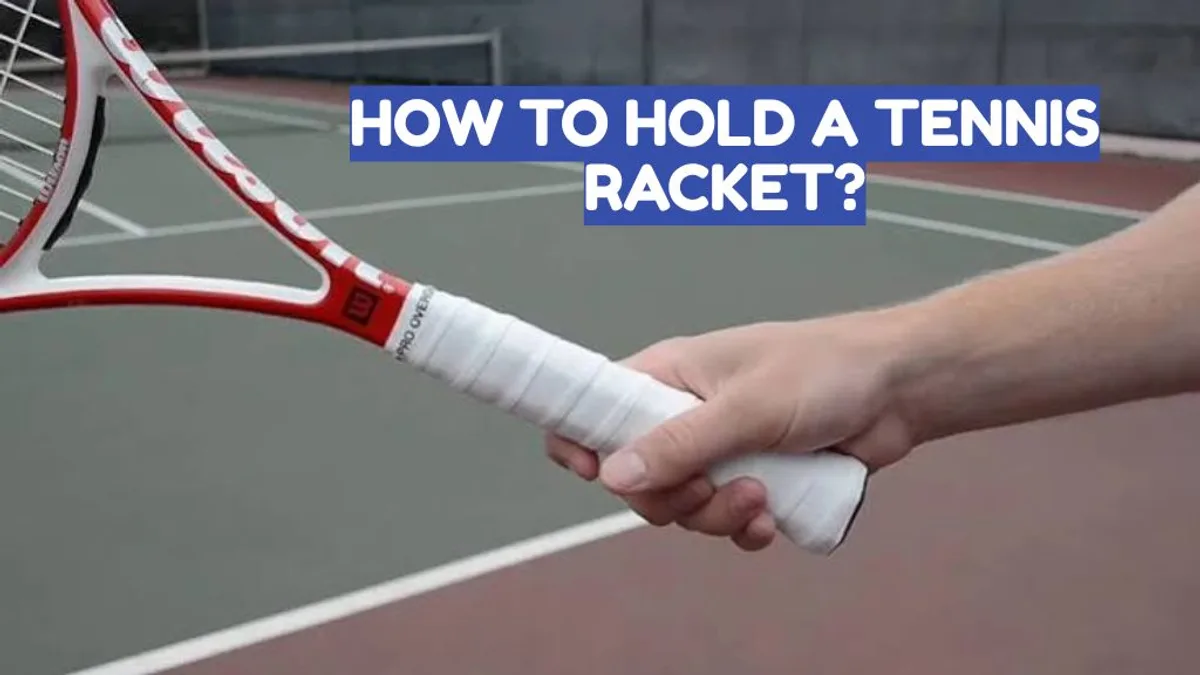
Pick up a racket and shake hands with it, the way most first-timers do, and you’ve already landed on something close to an Eastern grip without knowing it. That instinct is why coaches lean on it for beginners. But a single grip only gets a player so far; within a few months of regular play, most will be switching grips mid-rally without thinking about it, Continental for the volley, something more rotated for a topspin forehand.
Understanding the Handle Bevels
A tennis racket handle has eight flat sides, called bevels, numbered 1 through 8 for a right-handed player. Your grip is defined by which bevel sits under the base knuckle of your index finger. For a deeper walkthrough of every grip and the shot each one is built for, see our full guide to tennis grips explained.
The Five Main Tennis Grips
| Grip | Index Knuckle Bevel | Best For | Spin Tendency |
|---|---|---|---|
| Continental | Bevel 2 | Serve, volleys, slices | Flat / backspin |
| Eastern Forehand | Bevel 3 | All-round forehand | Flat to light topspin |
| Semi-Western Forehand | Bevel 4 | Modern topspin baseline | Moderate to heavy topspin |
| Western Forehand | Bevel 5 | Heavy topspin on high balls | Very heavy topspin |
| Eastern Backhand | Bevel 1 | One-handed backhand | Flat to topspin |
Continental Grip
The Continental grip, with the index knuckle on bevel 2, is sometimes called the “hammer grip” because you hold the racket roughly the way you’d hold a hammer. It underpins serving, overhead smashes, volleys, and slice shots. Coaches teach it first for serve mechanics because the wrist can pronate naturally through the swing. On groundstrokes it flattens the trajectory out and rarely shows up on the modern baseline.
Eastern Forehand Grip
Place your hand flat on the strings, then slide it down to the handle without rotating. The knuckle lands on bevel 3. For most players the Eastern tennis grip is the most natural resting position, and it produces clean, flat-to-moderate topspin forehands without straining the wrist, which is why it’s usually the first grip taught to beginners. Once the grip feels settled, our step-by-step guide to how to hit a tennis forehand walks through the unit turn, contact point, and follow-through that turn it into a repeatable stroke.
Semi-Western Forehand Grip
Rotate one bevel clockwise from Eastern, landing on bevel 4. This is the forehand grip you’ll see across most of the modern professional tour. It closes the racket face slightly at impact, which naturally adds topspin, and it works best on balls struck at mid-to-high contact points, which is exactly the kind of ball a heavy-topspin game produces. For a full breakdown of contact points, cues, and the transition from Eastern, see our dedicated guide to the semi-western grip in tennis.
Western Forehand Grip
One more bevel clockwise from Semi-Western, at bevel 5. This is the extreme end: very heavy topspin, but it struggles on low balls. Players who use it tend to hit with high, looping groundstrokes rather than flatter, faster ones.
Two-Handed Backhand
The dominant hand holds a Continental grip, and the non-dominant hand wraps on above it in a loose Eastern forehand grip, doing most of the actual work. Coaches like it for beginners because of the added stability. The grip is only the starting point, so pair it with the turn, contact, and finish covered in our guide to hitting a tennis backhand.
How to Practice Grip Changes
In live play you’ll switch grips between shots, Continental for a volley, something more rotated for a groundstroke, fast enough that you’re not looking down at your hand to do it. A simple way to drill it:
- Hold the racket in Continental at your side.
- Drop the racket head slightly and rotate the handle into your forehand grip.
- Repeat until the motion needs no thought at all.
Most coaches have players drill grip changes on their own before folding them into footwork and full stroke mechanics. If you are just starting out, fold these grip changes into a wider routine of tennis drills for beginners so the switches become automatic during live rallies, not just standing still.
Common Mistakes
Gripping too tightly is the most common one. A relaxed grip, loose through the swing and firm only at contact, keeps the wrist moving freely and cuts down on arm fatigue; squeezing the handle through an entire match is a frequent cause of tennis elbow. Sticking with one grip for every shot is a typical beginner habit that caps both spin and control. And starting out with something as extreme as the Western grip usually backfires; it’s easier to build from Eastern or Semi-Western first and work outward from there.
Frequently asked questions
What is the best grip for a beginner in tennis?+
The Eastern forehand grip is widely recommended for beginners. It is natural, comfortable for most hand sizes, and allows you to hit both flat and moderate topspin shots without major adjustments.
What grip do most professional tennis players use?+
Most modern professional baseliners use a Semi-Western forehand grip, which promotes heavy topspin. For the serve and volleys, the Continental grip is universal among professionals.
Should I use the same grip for forehand and backhand?+
No. Most players use different grips for forehand and backhand. The grip change takes only a fraction of a second and is a fundamental skill learned early in a player's development.
Sources
Play & tools
Free browser games and tools — no account, no download.
- Play today's Sports Connections — Today's Sports Connections — daily hints, answers, and play the grid.
- Play Guess the NFL Player — A new mystery NFL player every day. Eight guesses, with a clue on each — plus free unlimited mode.
- Explore all our games →
Related tennis guides
View all →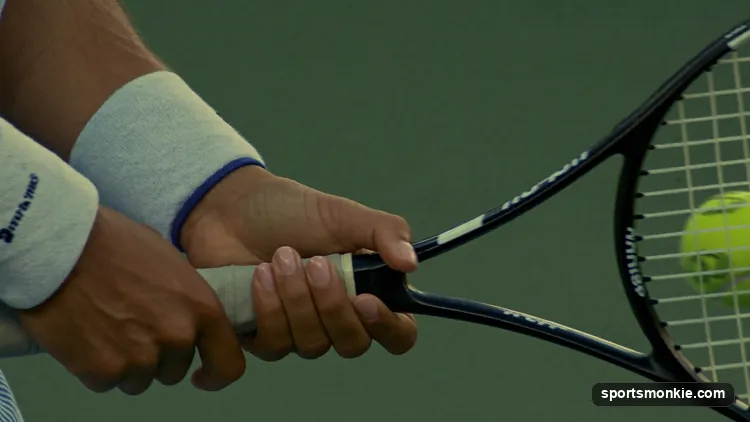
Tennis Grips Explained: The 4 Grips and When to Use Each
Tennis grips explained simply: the Continental (bevel 2) serves and volleys, Eastern (bevel 3) hits flat forehands, Semi-Western (bevel 4) adds topspin, and Western (bevel 5) is extreme spin. Here is how to form each and when to switch.
Continental Grip in Tennis: How to Hold It and When to Use It
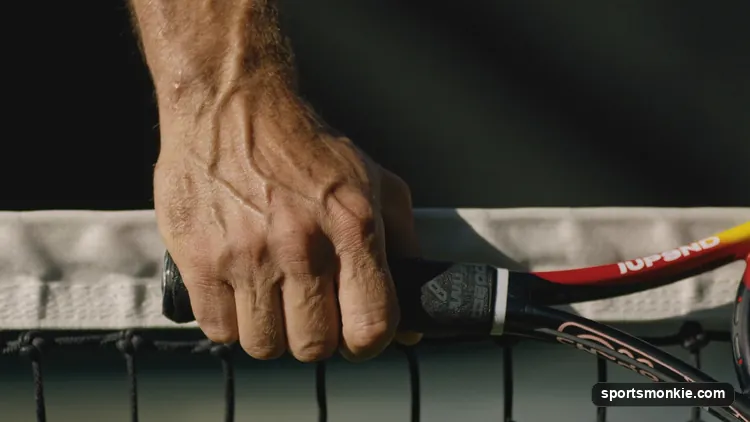
The continental grip places the base knuckle of your index finger on bevel 2 of the racket handle. It is the grip for serves, volleys, slices, and overheads. Here is how to find it and drill it.
Semi-Western Grip in Tennis: The Modern Topspin Forehand Grip
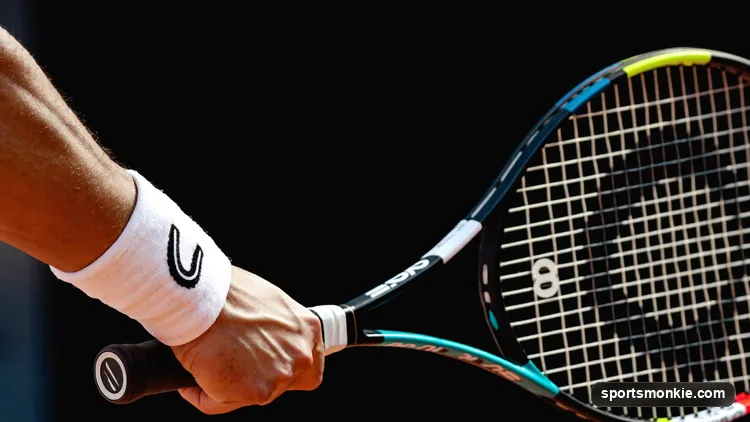
The semi-western grip places your index knuckle on bevel 4 and is the standard modern topspin forehand grip. Here is how it works, who uses it, and how to switch from an eastern grip.
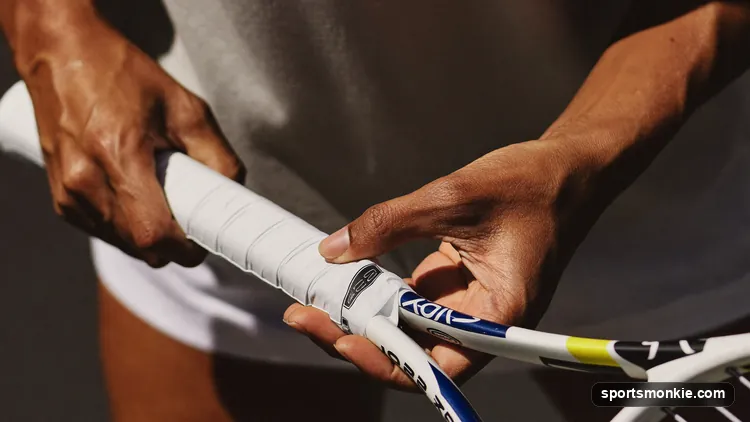
How to Regrip a Tennis Racket: A Step-by-Step Guide
How to regrip a tennis racket: peel the old grip, start at the butt cap, wrap upward at a slight angle with a small overlap, and finish with the tape. Full steps for both replacement grips and overgrips.
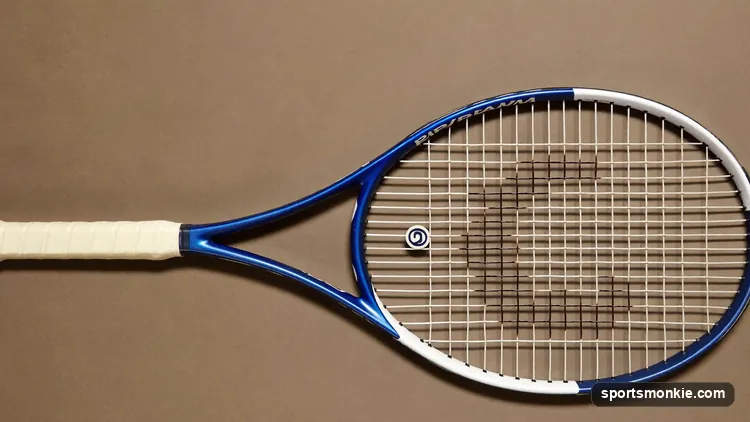
Parts of a Tennis Racket: Every Component and Spec Explained
The parts of a tennis racket are the head, strings, grommets, throat, shaft, beam, handle, grip, butt cap, and bumper guard. Full guide with specs.
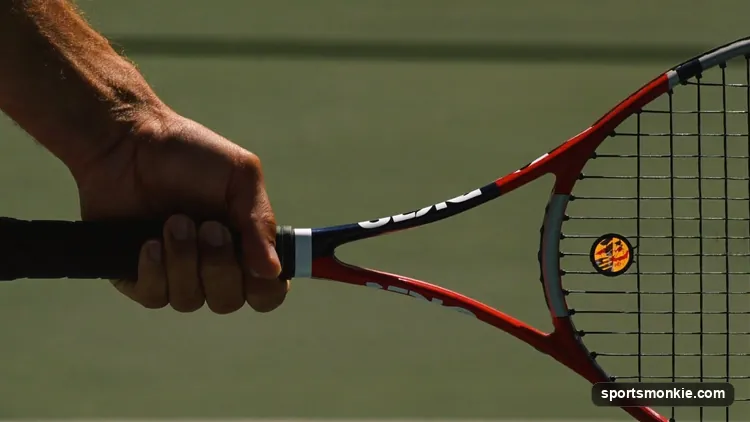
Eastern Grip in Tennis: The Bevel-3 Forehand Explained
The eastern grip in tennis places your index knuckle on bevel 3 for a flat, versatile forehand. Learn how to find it, its pros and cons, and who uses it.