
Why Do Tennis Players Grunt? The Science Behind It
On this page6
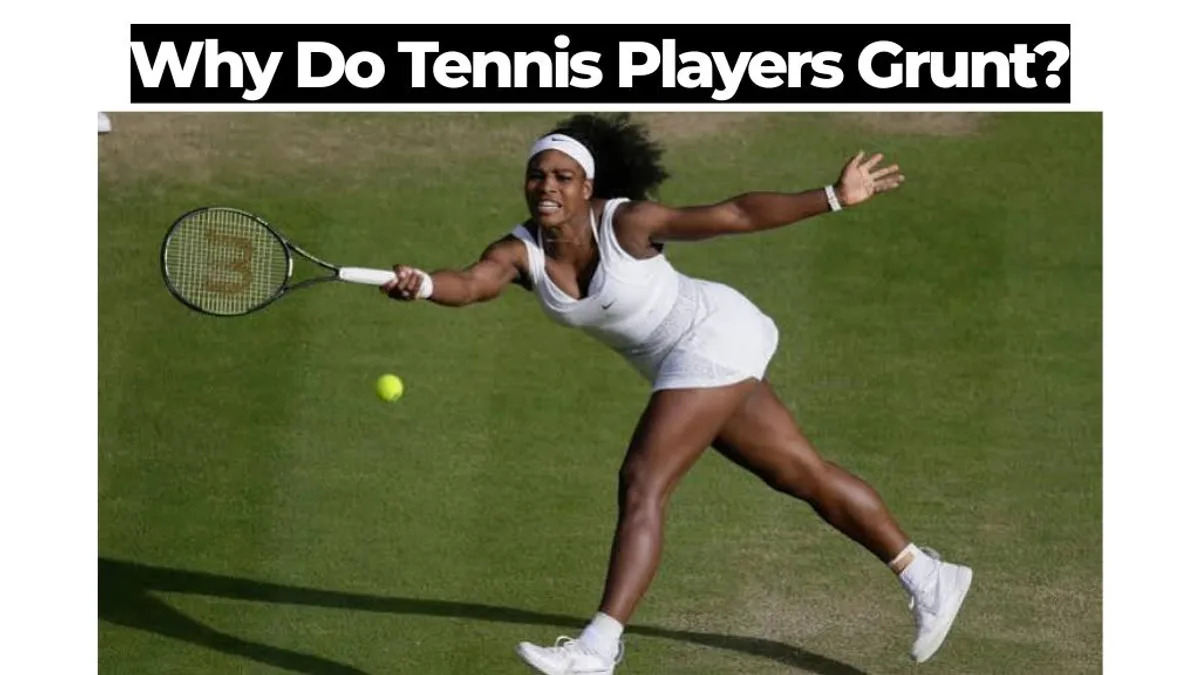
Maria Sharapova’s grunt was loud enough to draw complaints from opponents for years, and she was never sanctioned for it, because what looks like theatre is mostly plumbing: a sharp exhale at contact braces the core, and once a player learns to time it that way as a kid, the sound comes along for the ride whether they want it to or not.
What’s Actually Happening in the Body
A tennis swing sends force from the legs through the hips, torso, shoulder, and arm in a fraction of a second. A sharp exhale at that instant, the grunt, works like a natural brace for the core. The pressure it builds in the abdomen stabilizes the spine and lets the body move that energy through the stroke more cleanly.
It’s the same exhale a weightlifter uses under a heavy bar, or the kiai a martial artist shouts on a strike. Timing matters more than volume: grunting right after contact instead of at the moment of contact does almost nothing for the shot, which is why some coaches drill breath timing specifically rather than just telling a player to “breathe out.”
Where the Habit Comes From
The clearest predictor of a loud grunt isn’t strength or technique, it’s what a player’s junior academy taught. Programs that drill rhythmic breathing, in on the backswing, out on contact, tend to produce louder grunters over time, simply because the exhale grows more forceful as the swings get bigger.
Players who came up through intensive academies are disproportionately the loud ones. Part of it is also just imitation: grow up around coaches and older players who grunt, and you probably will too.
Does It Actually Bother Opponents?
The complaint from other players is usually the same: a loud grunt buries the sound of the ball off the strings, a cue plenty of players use to read spin and pace before the ball even arrives. The research on this is mixed. Some lab studies found slightly slower reaction times when a grunt was layered over the sound of contact; others found no real effect once the conditions matched an actual match.
| Argument | For Grunting | Against Grunting |
|---|---|---|
| Biomechanical | Braces core, aids timing | Limited benefit once technique is established |
| Psychological (self) | Builds rhythm, releases tension | May distract own focus if uncontrolled |
| Psychological (opponent) | Masks contact sound, unsettles rhythm | Considered unsporting by some players |
| Rules | Permitted unless deemed deliberate distraction | Opponents can appeal to umpire |
Familiar Names in the Debate
Grunting shows up more often, and louder, in the women’s game, though the ATP has its share of noisy hitters too. Monica Seles was at the center of this debate decades before it was a regular talking point, and the WTA has since trialled noise-monitoring equipment at some events to actually measure decibel levels rather than argue about them. The conversation resurfaces every few years whenever a particularly loud player breaks through.
What the Rulebook Actually Allows
The ITF Rules of Tennis ban deliberate hindrance of an opponent, and grunting technically falls under that in theory. In practice the bar is high. A chair umpire has to judge that the noise is intentional distraction rather than an involuntary exhale, and verified sanctions at the professional level are close to nonexistent, even though the rule gives players a path to complain.
A few tournaments have tried monitoring sound levels directly, and some junior circuits now push stricter guidance to head the habit off before it forms, which says something about where the real source of the problem sits: not on tour, but in the academies years earlier.
Can a Player Just Stop?
Not easily. Players who’ve tried to quiet down report that it throws off their stroke timing and feels wrong, because the grunt isn’t decoration, it’s become a rhythmic anchor built into the shot itself. A handful of tour players have managed to dial it back, but it usually takes deliberate, sustained work with a coach off the court, not just a decision to be quieter.
Frequently asked questions
Does grunting actually help tennis players hit harder?+
Research suggests that a sharp exhalation at the point of impact can increase shot velocity by a modest margin, as it helps stabilise the core and time the effort. Whether that translates to a meaningful competitive advantage is still debated among sports scientists.
Why do some tennis players grunt louder than others?+
Much of it comes down to early training habits. Players who were coached to breathe out audibly on contact often developed louder grunts over time. Psychology, personality, and imitation of mentors all play a role too.
Can opponents complain about grunting in tennis?+
Yes — under ITF rules, a player can ask the chair umpire to intervene if they believe an opponent's grunting is deliberate distraction. In practice, rulings are rare and umpires are given wide discretion.
Sources
Play & tools
Free browser games and tools — no account, no download.
- Play today's Sports Connections — Today's Sports Connections — daily hints, answers, and play the grid.
- Play Guess the NFL Player — A new mystery NFL player every day. Eight guesses, with a clue on each — plus free unlimited mode.
- Explore all our games →
Related tennis guides
View all →
Elina Svitolina Announces Separation From Gael Monfils
Elina Svitolina announced on Instagram that her marriage to Gael Monfils is ending, citing the toll of the war in Ukraine and asking for space.
Drop Shot in Tennis: Technique, Timing, and When to Use It
A drop shot in tennis is a soft, backspin-heavy stroke that just clears the net and dies short. Learn the grip, disguise, and when to hit it.
Lob in Tennis: Definition, Technique, and When to Use It
A lob in tennis is a high, arcing shot hit over an opponent at the net. Learn the offensive vs. defensive lob, technique, and its counter, the smash.
Overhead Shot in Tennis: How to Hit the Smash (Complete Guide)
The overhead shot in tennis is a serve-like swing hit above the head to put away a lob. Learn the technique, footwork, and common errors.
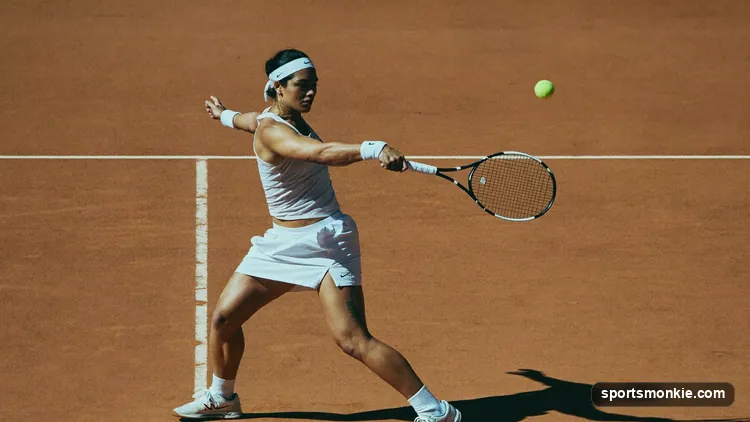
Backhand in Tennis: One-Handed vs Two-Handed, Grips, and Mechanics Explained
The backhand in tennis is a stroke hit on the non-dominant side; here's how one-handed vs two-handed grips, topspin, and slice mechanics differ.
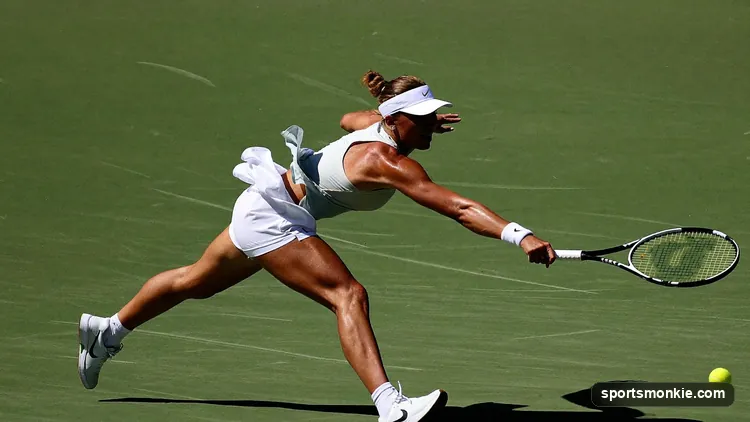
Forehand in Tennis Explained: Grips, Swing Path, and Technique
The forehand in tennis is the groundstroke hit on a player's dominant-hand side. Learn grips, swing mechanics, topspin, and common mistakes.