
How to Play a Sweep Shot in Cricket: Complete Technique Guide
On this page8
England’s stack of sweep shots against India’s spinners during the 2021 series wasn’t stubbornness, it was strategy: get the front foot to the pitch, get low, and take the LBW threat out of the equation entirely. That’s what the sweep does better than almost any other shot against spin. It doesn’t just score runs; it removes the trap the bowler set up in the first place.
Why the Sweep Shot Works
Against an off-spinner bowling into a right-hander’s stumps, the ball turns into the pads, a classic LBW setup. The sweep sidesteps that by meeting the ball across the line before the spin bites. Against a leg-spinner turning away, the sweep still sends it to the leg side regardless of which way it spins. It puts you in charge of the turn instead of reacting to it.
Grip
Your normal batting grip is fine. Through the sweep, the bottom hand (right hand for a right-hander) takes a bigger role, driving the bat face across and down. Keep the grip firm but relaxed; tense hands kill the timing.
Front Foot Position — The Foundation of the Shot
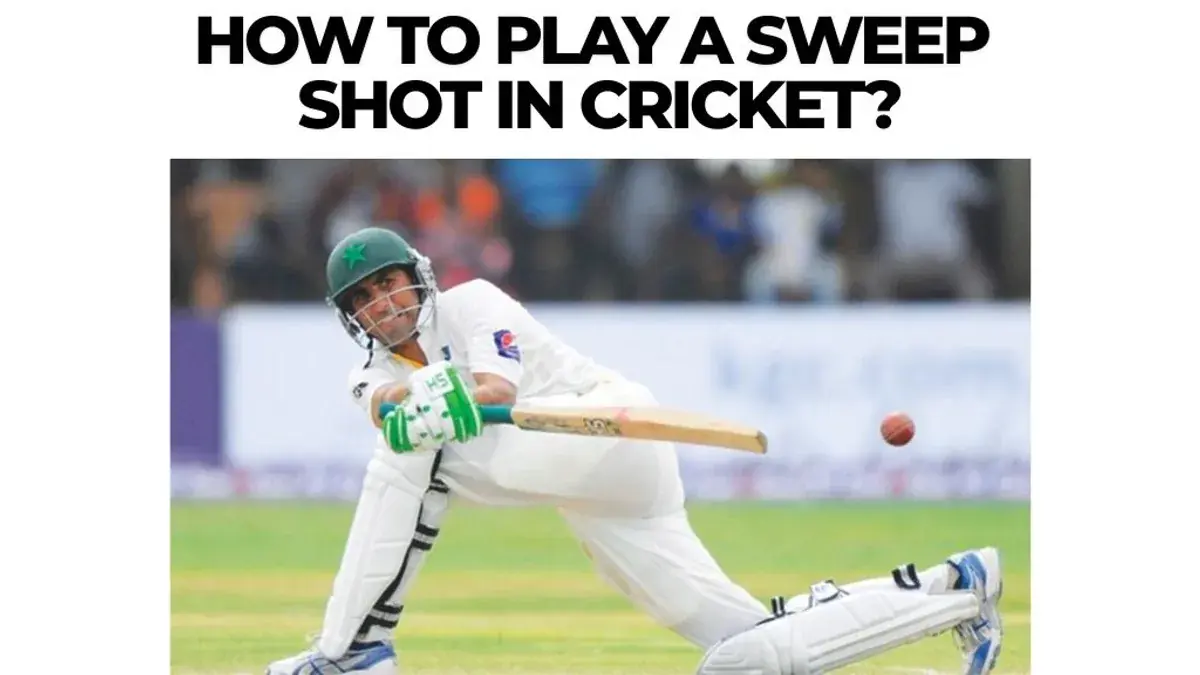
Getting your front foot close to the pitch of the ball is the single most important part of this shot:
- Step the front foot toward the ball, as close as you can get to where it lands.
- Point it toward mid-on or midwicket, not across toward off stump.
- As it lands, sink onto your back knee. This drops your body low enough for a full horizontal swing.
Reaching the pitch of the ball cuts your LBW risk, gets you to the right height to strike it, and keeps you balanced.
The Swing
| Phase | Detail |
|---|---|
| Backswing | Short, compact — bat comes up toward gully |
| Body position | Front knee bent and forward, back knee low near the ground |
| Head position | Above the line of the ball, eyes watching it onto the bat |
| Bat path | Horizontal, sweeping from off side toward fine leg |
| Bat face at impact | Angled slightly down — to keep the ball along the ground |
| Follow-through | Bat continues its horizontal arc toward fine leg |
Keep the bat face angled down at contact. Open it up and the ball balloons up, an easy catch at mid-on, midwicket, or square leg.
Placement Options
Where the ball goes depends on timing and bat angle:
- Fine leg. Natural when the ball’s full and you’re a touch late, or steered there deliberately with soft hands.
- Square leg. On-time contact sends it square of the wicket.
- Midwicket. Early contact or a slightly wider ball sends it in front of square.
In limited-overs cricket, teams often station a fielder at fine leg or square leg just to cut this shot off. Reading that field and adjusting where you aim is part of playing the sweep well.
The Slog Sweep
A more aggressive cousin, used mostly in T20:
- The follow-through goes higher, sending the ball over the leg-side fielders or the rope.
- Power matters more than placement here.
- Works best off a half-volley; try it on a shorter ball and the risk climbs fast.
- Only worth attempting when the boundary’s within reach and the deep leg side has gaps.
Common Mistakes
- Front foot not reaching the pitch. Raises LBW risk and makes it harder to judge height.
- Open bat face at impact. Sends the ball up, easy catch.
- Back knee too high. Cuts the horizontal swing short and sends the ball up rather than along the ground.
- Head falling away. Watch the ball all the way to the bat.
- Playing it to a short-of-a-length ball. Too high for a clean horizontal swing; a pull or a leave works better.
Practising the Sweep
Get a throw-down partner to deliver full, looping balls at leg stump. Work through the footwork and kneeling position slowly at first, getting comfortable with the back knee near the ground. Build up to full speed, mixing direction between fine leg, square leg, and midwicket with deliberate changes to the bat face.
Frequently asked questions
What type of delivery is the sweep shot played to?+
The sweep shot is played to a full-length or half-volley delivery from a spinner — typically aimed at the stumps or just outside leg stump. It is most effective against spin bowling and is rarely played against pace.
How do I avoid being LBW when playing a sweep shot?+
Making contact with the ball is the best protection against LBW. If the ball hits your pad without touching the bat, you can be given out LBW. Getting your front foot to the pitch of the ball and making a solid connection with the bat dramatically reduces the LBW risk. Umpires also consider the line of the delivery — if it pitches outside leg stump, you cannot be given LBW.
What is the difference between a sweep and a slog sweep?+
A sweep is a controlled, low-risk shot aimed at keeping the ball along the ground in the leg-side region. A slog sweep involves more power and a higher follow-through, typically aiming to clear the boundary. The slog sweep is a T20 specialist shot; the conventional sweep is effective in all formats.
Sources
Play & tools
Free browser games and tools — no account, no download.
- Play today's Sports Connections — Today's Sports Connections — daily hints, answers, and play the grid.
- Play Guess the NFL Player — A new mystery NFL player every day. Eight guesses, with a clue on each — plus free unlimited mode.
- Explore all our games →
Related cricket guides
View all →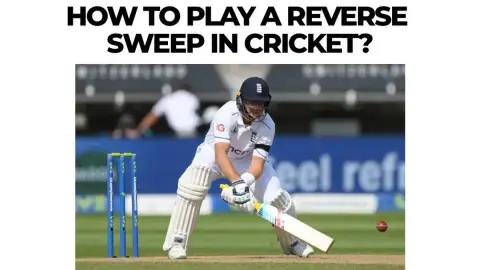
How to Play a Reverse Sweep in Cricket: Technique Guide
The reverse sweep flips your grip and stance to hit spin to the off side. Learn the exact technique, footwork, and when to use it in a match.
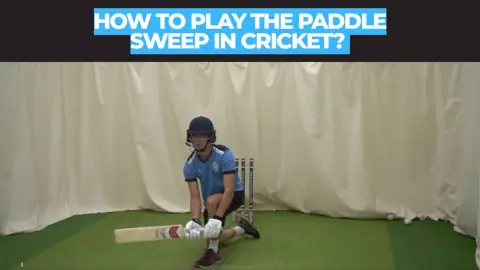
How to Play the Paddle Sweep in Cricket: Technique & Tips
The paddle sweep is a delicate deflection to spin or medium pace, guiding the ball fine down the leg side. Learn the technique, footwork, and its best use.
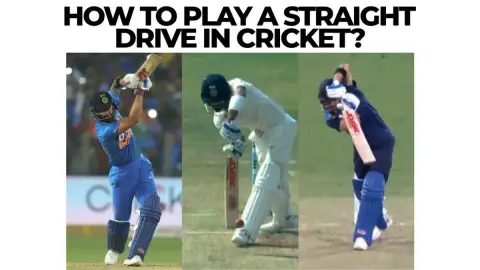
How to Play a Straight Drive in Cricket: Technique and Timing
The straight drive is cricket's classic front-foot shot, played to a full ball on off stump and hit past the bowler. Learn the stance, grip, and swing.
How to Play a Hook Shot in Cricket: Technique and Timing
The hook shot punishes short-pitched deliveries, hitting them fine behind square on the leg side. Learn the grip, footwork, and head position to play it.
How to Play the Ramp Shot in Cricket: Technique Guide
The ramp shot deflects a full or back-of-length ball over the keeper toward fine leg or third man. Master the wrist angle and head position for T20.
How to Play the Periscope Shot in Cricket
The periscope shot is a vertical-bat stroke to short balls at the body, holding the bat upright to deflect it over the leg-side fielders. Learn the method.