
How to Play a Reverse Sweep in Cricket: Technique Guide
On this page7
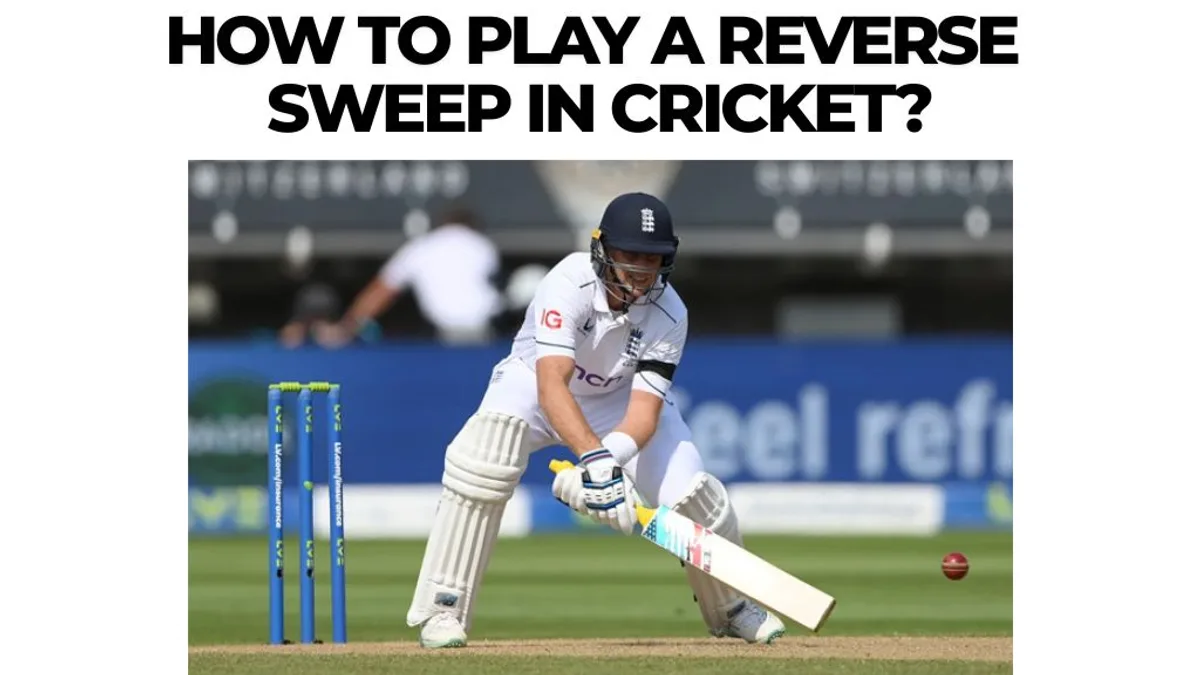
When Mushtaq Mohammad first started reversing his grip mid-delivery back in the 1970s, umpires weren’t even sure how to signal it. Decades later it’s a standard limited-overs weapon: flip your hands on the handle, kneel into a sweep, and send the ball to the exact side of the field the fielding captain just left open.
Why Play the Reverse Sweep
Against an off-spinner, captains typically stack the leg side with sweepers and protect midwicket. The reverse sweep punishes that setup by sending the ball the other way, into fine third man, point, or backward point, where nobody’s standing. The value isn’t power. It’s making the fielding team defend ground they didn’t prepare for.
Grip Change — The Key Mechanic
For a right-handed batter:
- As you go down into the kneeling position, your hands swap roles on the handle.
- Right hand moves to the top, left hand to the bottom, the reverse of a normal grip.
- This turns the bat face around so it can direct the ball to the off side.
Good players make this switch late and subtly, so the bowler has no time to react to the tell.
Footwork and Position
- Front foot forward and across, same as a conventional sweep, reaching to the pitch of the ball.
- Get down low. Bend the front knee deeply; the back knee can brush the ground.
- Head over the ball. Lean forward so your head sits above the ball’s line. This keeps your eyes on it and stops you from skying the shot.
The Swing and Contact
| Element | What to Do |
|---|---|
| Bat path | Horizontal swing from leg to off — the opposite of a sweep |
| Contact point | Just in front of the front pad, ideally hitting a half-volley or full-pitched delivery |
| Bat face direction | Pointing to off side at impact — toward point or third man |
| Follow-through | Arms sweep across the body toward the off side, bat finishes high |
Two directions to pick from:
- Fine reverse sweep. A slightly open bat face guides the ball finer, toward third man. Useful when point is covered.
- Square reverse sweep. Played square toward point. Better when third man is covered instead.
Ball Selection
The reverse sweep suits:
- Full-pitched to half-volley deliveries, easiest to get underneath.
- Slower, looping spin.
- Balls aimed at the stumps or just outside leg.
Skip it against:
- Short-pitched balls. The mechanics fall apart and the ball rises into the body.
- Real pace. Not enough time to change grip and get down.
- Very full deliveries outside off stump, where a conventional drive works better anyway.
Common Mistakes
- Reversing the grip too early, tipping off the bowler.
- Not getting low enough, so the bat can’t swing cleanly through a full ball.
- Playing it to a short delivery, which produces a top edge or a blow to the body.
- Head falling back, sending the ball up instead of along the ground.
Practice Method
Start with a throw-down partner feeding full, straight balls at reduced pace. Work through the grip change and kneeling position slowly, then build pace. Once it holds up in the nets under some pressure, start looking for it in the middle.
Related guides
Frequently asked questions
Why is the reverse sweep so difficult to field?+
The reverse sweep changes the direction of the shot to the opposite side of the field to where the fielding team has set their defensive field for a conventional sweep. This means fine third man or point areas are often unguarded, and the ball can travel to the boundary before the field can be adjusted.
Is the reverse sweep risky?+
It is a higher-risk shot because changing hand position mid-swing can affect timing, and top edges or leading edges can fly to unintended areas. However, with proper practice the risk can be well managed, and elite players use it routinely in limited-overs cricket.
Which type of bowling is the reverse sweep most effective against?+
The reverse sweep is most commonly used against off-spinners and slower medium-pace bowlers in limited-overs cricket. It effectively counters an off-spinner bowling into the rough outside leg stump to a right-handed batter by redirecting the ball to the vacated off side.
Sources
Play & tools
Free browser games and tools — no account, no download.
- Play today's Sports Connections — Today's Sports Connections — daily hints, answers, and play the grid.
- Play Guess the NFL Player — A new mystery NFL player every day. Eight guesses, with a clue on each — plus free unlimited mode.
- Explore all our games →
Related cricket guides
View all →
How to Play a Sweep Shot in Cricket: Complete Technique Guide
The sweep shot is a front-foot stroke to full-length spin, hitting the leg side with a horizontal bat. Learn the kneeling position, grip, and placement.
How to Play the Paddle Sweep in Cricket: Technique & Tips
The paddle sweep is a delicate deflection to spin or medium pace, guiding the ball fine down the leg side. Learn the technique, footwork, and its best use.
How to Play the Marillier Shot: The Slog Over Deep Fine Leg
The Marillier shot is a high-risk scoop to full or short pace deliveries, swatting the ball over fine leg for six. Learn the grip, timing, and technique.
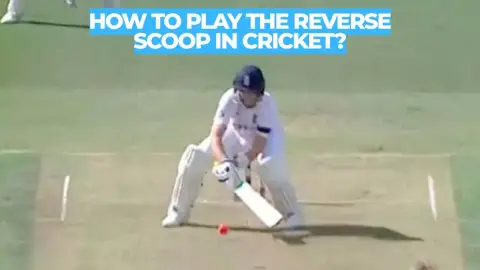
How to Play the Reverse Scoop in Cricket: Full Technique Guide
The reverse scoop scoops the ball over the wicketkeeper or third man by reversing the bat. Learn the footwork, grip, and when this T20 shot is worth the risk.
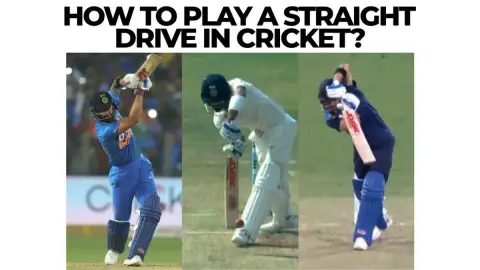
How to Play a Straight Drive in Cricket: Technique and Timing
The straight drive is cricket's classic front-foot shot, played to a full ball on off stump and hit past the bowler. Learn the stance, grip, and swing.
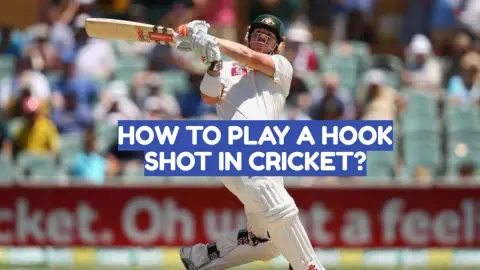
How to Play a Hook Shot in Cricket: Technique and Timing
The hook shot punishes short-pitched deliveries, hitting them fine behind square on the leg side. Learn the grip, footwork, and head position to play it.