
How Much Are Wimbledon Tickets?
On this page5
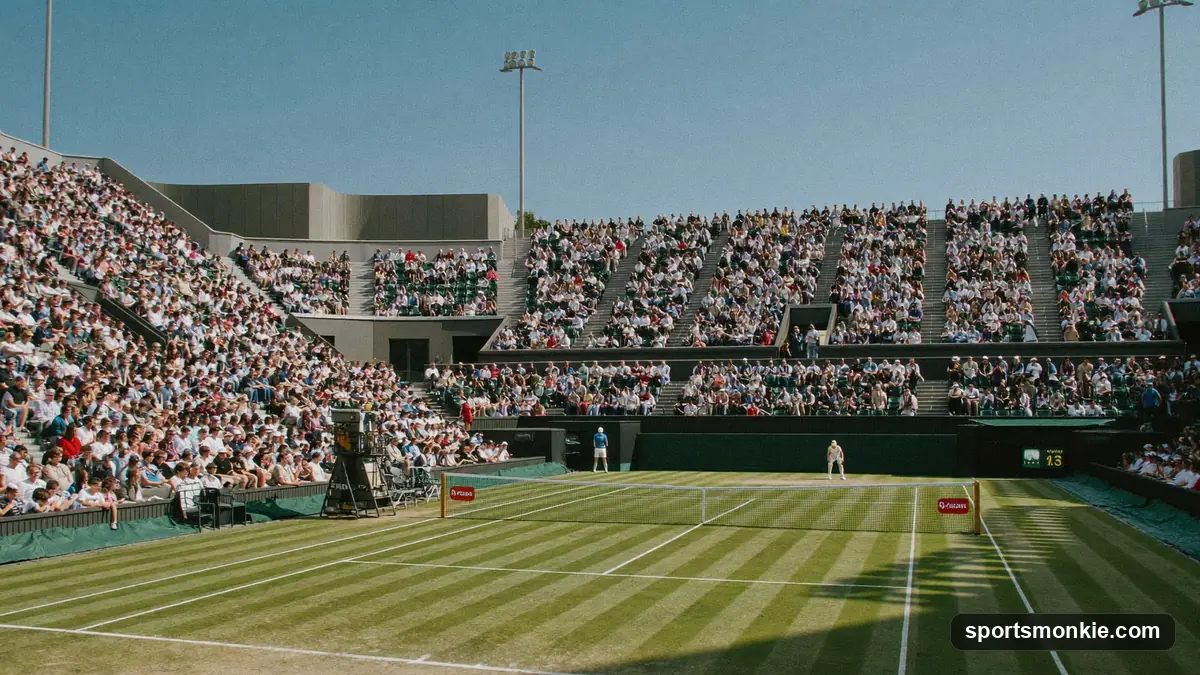
Wimbledon ticket prices vary enormously depending on the court and the day, so there is no single answer, and how you buy matters more than any headline figure. As of 2026, cheaper Ground passes that get you onto the grounds and the outside courts typically cost in the tens of pounds, while reserved seats on the show courts (Centre Court and No.1 Court) rise through the fortnight from roughly the low hundreds in the early rounds to many hundreds of pounds for the finals.
Because The Championships, run by the All England Lawn Tennis Club (AELTC), sets prices afresh each year and demand hugely outstrips supply, the smartest approach is to understand the different ways in and treat every number as a dated range. Below we explain the routes to a ticket and what drives the price, then point you to the official source to confirm current figures.
What drives the price
Two things move a Wimbledon ticket price more than anything else: which court you sit on, and how deep into the tournament you go. A Ground pass and a Centre Court finals seat are worlds apart in cost, even in the same year.
| Ticket type | What you get | Typical 2026 price band |
|---|---|---|
| Ground pass | Entry to grounds and unreserved outside courts | Tens of pounds |
| No.1 Court (early rounds) | Reserved show-court seat | Low hundreds |
| Centre Court (early rounds) | Reserved seat on the main court | Low-to-mid hundreds |
| Show court (finals) | Reserved seat, latter stages | Many hundreds |
| Debenture seat | Premium seat plus hospitality access | Far above face value |
These bands are illustrative ranges, not quoted prices. Always confirm the exact figures for the year on the official Wimbledon tickets page, because prices change annually and by session.
The public ballot: the fairest route
The public ballot is a lottery for face-value tickets that you enter months in advance, typically in the autumn before the following summer’s Championships. You register with the AELTC, and if you are selected you are offered a specific court and day; you can accept and pay, but you do not get to pick the exact match or seat. It is the fairest way to buy at face value, and there is no premium for winning, but because demand vastly exceeds the number of tickets, entering is never a guarantee. Check the official site for that year’s registration window and rules.
Official resale and the Queue
If you miss the ballot, two official routes remain. The first is the online resale, where a limited number of returned and Debenture tickets are made available at various prices; only use the official channel to avoid scams and inflated third-party markups. The second is the famous Queue, a Wimbledon institution in which a set number of tickets, including some show-court seats and Ground passes, are sold in person on the day to people who line up, often camping overnight. You pay face value, but you spend time and patience instead of money. Show-court availability through the Queue shrinks in the later rounds, so Ground passes are the realistic prize for most who queue.
For a closer look at each in-person option, see our guides to Wimbledon Ground tickets and Wimbledon tickets, plus Wimbledon finals tickets for the marquee days.
Debentures: the premium end
At the top of the market sit Debentures, a financial instrument the All England Club sells that bundles the right to a premium show-court seat for a set number of years with access to exclusive hospitality areas. Crucially, Debentures are the only Wimbledon tickets the holder is legally permitted to resell, which is why Debenture seats surface on official resale platforms at prices far above ordinary face value. They are designed for long-term and corporate buyers rather than casual fans. Our explainer on Wimbledon Debentures breaks down how they work and why they cost what they do.
How to budget realistically
Because Wimbledon is one of the most sought-after tickets in sport, watching it in person can range from an affordable Ground-pass day out to a several-hundred-pound show-court occasion, and Debenture seats far beyond that. Sitting near the top of premium sports spending, it lands in the same conversation as other high-cost pursuits we cover, such as the most expensive youth sports. Decide first whether you want the atmosphere of the grounds or a guaranteed show-court seat, then pick your route: enter the ballot early, watch the official resale, be ready to queue, or, at the top end, look at Debentures.
Whichever path you choose, buy only through official channels, treat the price bands here as dated guidance, and confirm the current year’s figures on the official Wimbledon website before you commit. Done right, there is a Wimbledon ticket to suit a wide range of budgets, from a modest Ground pass to a once-in-a-lifetime seat on Centre Court.
Frequently asked questions
How much do Wimbledon tickets cost in 2026?+
It depends heavily on the court and the day. As of 2026, Ground passes that get you onto the grounds and unreserved outside courts typically cost in the tens of pounds, while reserved seats on Centre Court and No.1 Court climb from roughly the low hundreds early in the tournament to many hundreds for the finals. Prices are set by The Championships each year and rise as the rounds progress, so always confirm the current figures on the official Wimbledon website rather than trusting a fixed number.
How does the Wimbledon ballot work?+
The public ballot is a lottery for face-value tickets that you enter well in advance, typically the autumn before the following summer's Championships. You register with the AELTC, and if selected you are offered a specific court and day, which you can accept and pay for, but you cannot choose exactly which match or seat. It is the fairest way to get tickets at face value, but demand vastly exceeds supply, so entering is no guarantee. Check the official site for that year's registration window and rules.
Can you still queue for Wimbledon tickets on the day?+
Yes. The Queue is a long-standing Wimbledon tradition where a limited number of tickets, including some show-court seats and Ground passes, are sold in person on the day to people who line up, often camping overnight for the best chance. You pay face value, but you need time, patience and a willingness to wait outside. Show-court availability through the Queue shrinks in the later rounds, and Ground passes are the more realistic prize for most who queue. Confirm current Queue procedures on the official Wimbledon site before you go.
What are Wimbledon Debenture tickets?+
Debentures are a special financial instrument sold by the All England Club that includes the right to a premium show-court seat for a run of years, plus access to exclusive hospitality areas. They are the only Wimbledon tickets the holder is legally allowed to resell, which is why Debenture seats appear on official resale channels at prices far above standard face value. They are aimed at long-term buyers and corporate use, not casual fans, and cost substantially more than ballot tickets. Details are published by the AELTC's debenture programme.
Sources
Play & tools
Free browser games and tools — no account, no download.
- Play today's Sports Connections — Today's Sports Connections — daily hints, answers, and play the grid.
- Play Guess the NFL Player — A new mystery NFL player every day. Eight guesses, with a clue on each — plus free unlimited mode.
- Explore all our games →
Related tennis guides
View all →
Wimbledon Tennis Tickets: How Much They Cost and How to Get Them
Wimbledon tickets run £21 for a Grounds Pass to £315+ for Centre Court finals. Here is how the public ballot, The Queue, and official resale actually work.

Wimbledon Debentures Explained: Price and How to Buy
What a Wimbledon tennis debenture is, why Centre Court seats now resell above £380,000, and how to legally buy or sell one in 2026.

How to Get Wimbledon Finals Tickets (and What They Cost)
Wimbledon finals tickets cost £240–£315 through the ballot but $8,000+ on resale. Here is why, the real odds, and how to plan for 2027.
Wimbledon Ground Tickets: Price, Access, How to Get One
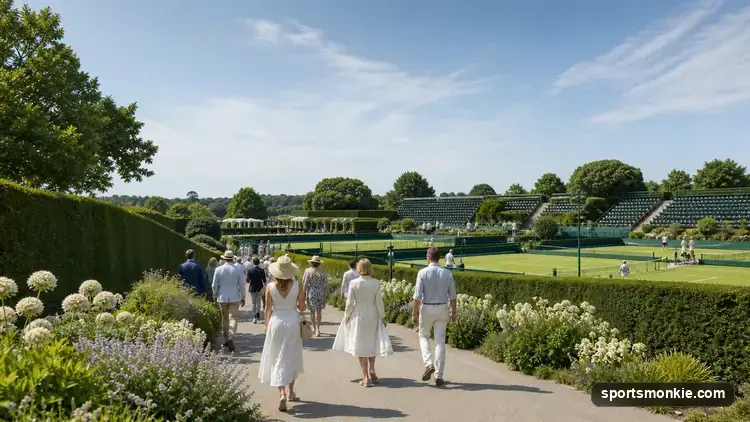
Wimbledon ground tickets cost £33 (£21-£26 in week two) and get you onto Courts 3-18, not Centre Court. What you actually see, and how to queue for one.

Elina Svitolina Announces Separation From Gael Monfils
Elina Svitolina announced on Instagram that her marriage to Gael Monfils is ending, citing the toll of the war in Ukraine and asking for space.
Eva Lys Ends Her 2026 Season Early to Focus on Her Health and Change Her Treatment
Eva Lys announced she is ending her 2026 season early to focus on her physical and mental health and change the arthritis treatment she has used for over six years.