
Tennis: Explainer
Browse SportsMonkie's explainer about tennis, organized in one crawlable topic hub.
33 articles in this topic.
What Is Deuce in Tennis? Score, Advantage, and Tiebreaks
Deuce in tennis means both players have reached 40, so one player must win two straight points to take the game.
What Is Hawk-Eye in Tennis? How Electronic Line Calling Works
Hawk-Eye uses multiple cameras and ball-tracking software to judge whether a tennis shot landed in or out.
Walkover vs Retirement in Tennis: What Is the Difference?
A walkover happens before a match begins; a retirement happens after play starts. The distinction affects results, records and tournament administration.
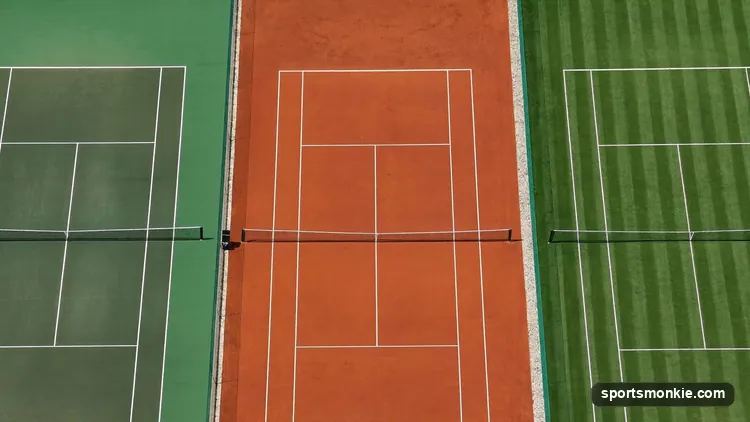
Types of Tennis Courts: Hard, Clay, Grass & Carpet Explained
The 4 types of tennis courts are hard, clay, grass, and carpet. See how each changes speed and bounce, and which surface every Grand Slam uses.
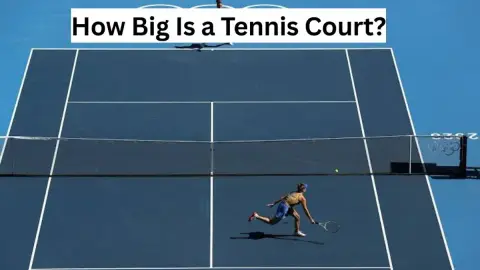
Tennis Court Dimensions and Space Needed
Official tennis court dimensions: 78 ft long, 36 ft wide for doubles, 27 ft for singles, plus total space needed, net height, lines and run-off.
Tennis Court Surfaces Explained: Hard, Clay, Grass, and More
Tennis is played on four surfaces, hard, clay, grass, and carpet, each with its own bounce, speed, and conditions. Here's what to know about every one.
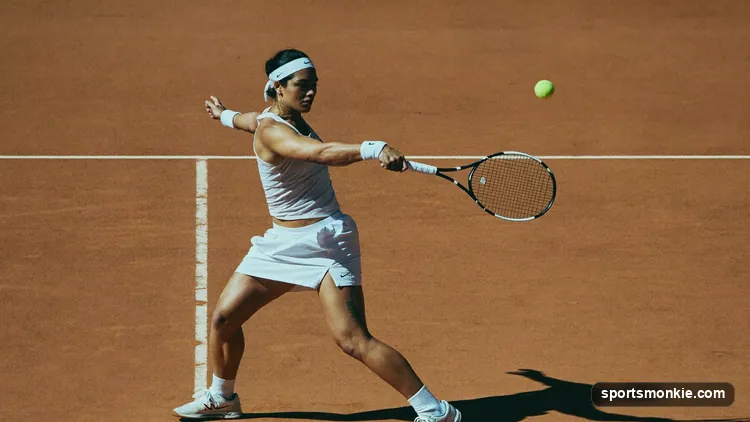
Backhand in Tennis: One-Handed vs Two-Handed, Grips, and Mechanics Explained
The backhand in tennis is a stroke hit on the non-dominant side; here's how one-handed vs two-handed grips, topspin, and slice mechanics differ.
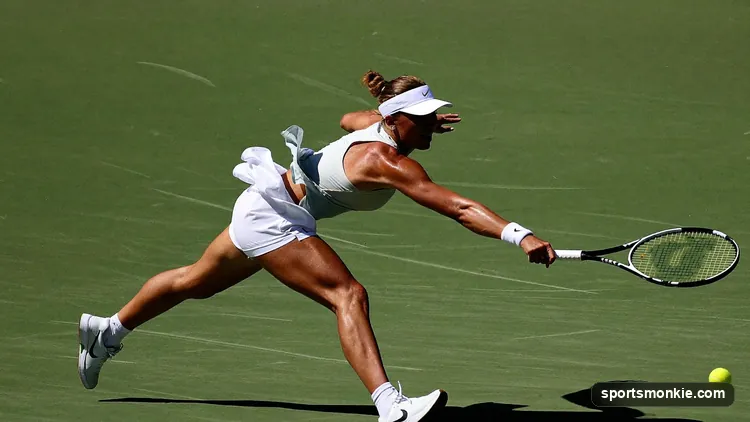
Forehand in Tennis Explained: Grips, Swing Path, and Technique
The forehand in tennis is the groundstroke hit on a player's dominant-hand side. Learn grips, swing mechanics, topspin, and common mistakes.
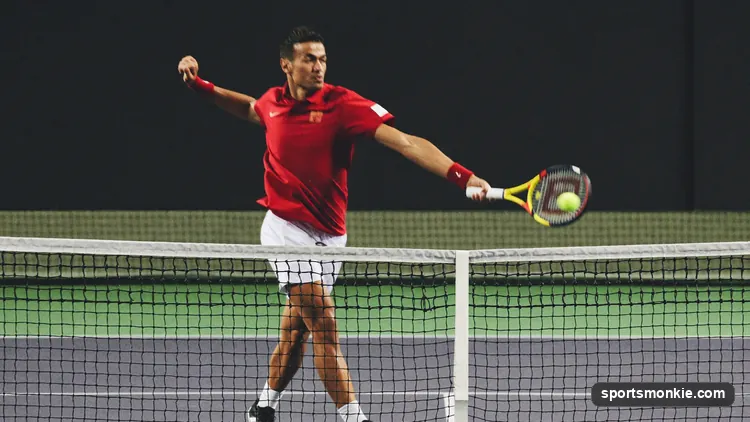
What Is a Volley in Tennis? Grip, Technique, and When to Attack the Net
A volley in tennis is a shot hit before the ball bounces, usually at the net. Learn grip, punch technique, and forehand vs. backhand volley form.
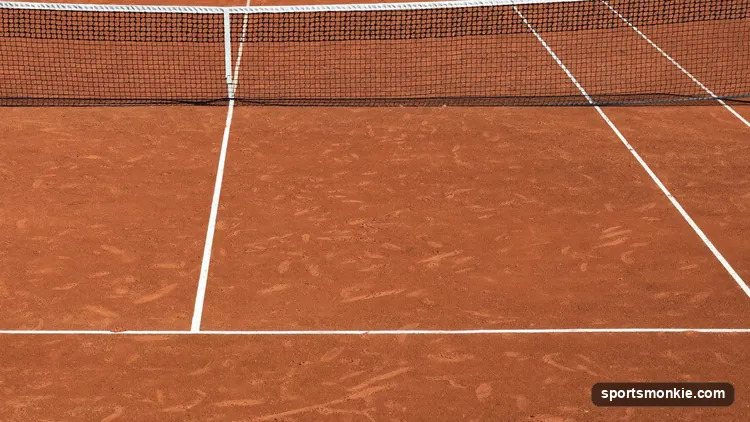
Clay Court Tennis: Surface, Rules, and Why It Plays So Slow
Clay court tennis is the slowest surface with the highest bounce. See red vs. green clay, sliding, ball marks, upkeep, and why Nadal owns it.
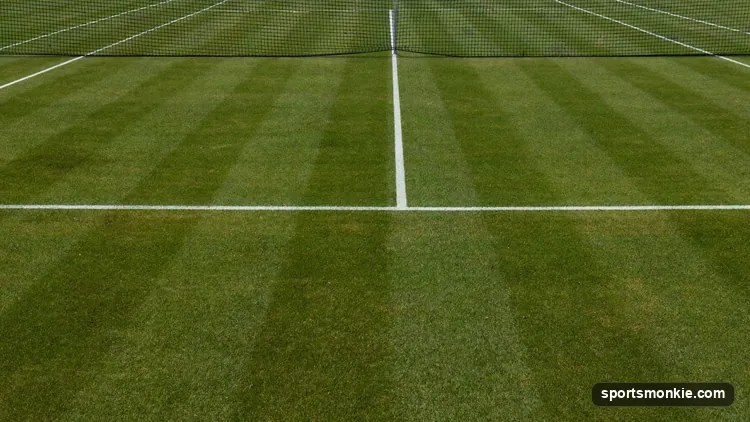
Grass Court Tennis: Why the Fastest Surface Plays So Different
Grass court tennis is the fastest, lowest-bouncing surface in the sport, per ITF's own pace rating. How Wimbledon's ryegrass shapes serve-and-volley play.
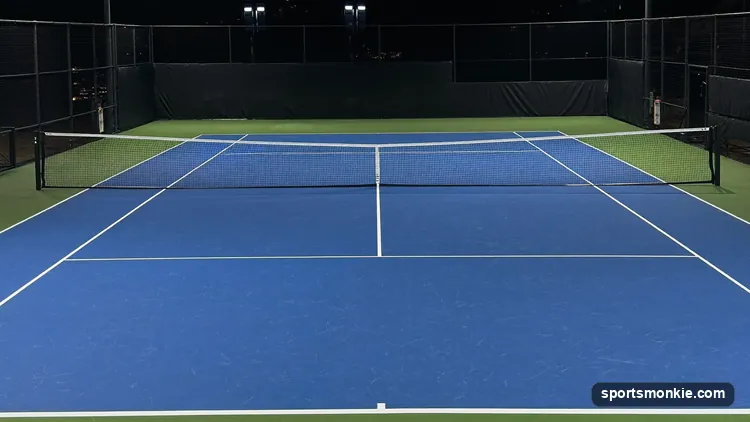
Hard Court Tennis: Construction, Speed, and Why It's the Most Common Surface
Hard court tennis is played on rigid acrylic-coated asphalt or concrete, the medium-fast, most consistent surface used at the US Open and Australian Open.
Tennis Court Lines Explained: Every Line, Named and Defined
Tennis court lines explained: baseline, sidelines, service line, centre service line, centre mark and net — ITF dimensions, singles vs doubles, in/out rule.
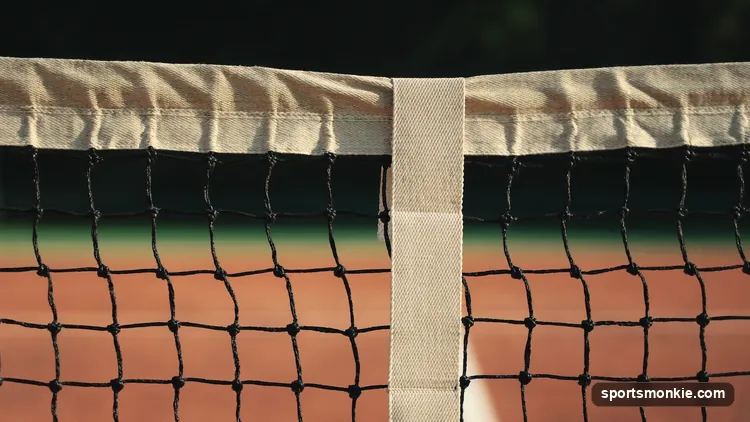
Tennis Net Height: Official ITF Measurements at Centre and Posts
A tennis net is 3 ft (0.914 m) high at the centre and 3 ft 6 in (1.07 m) at the posts, per the ITF Rules of Tennis. Full specs, measuring trick, and singles sticks.
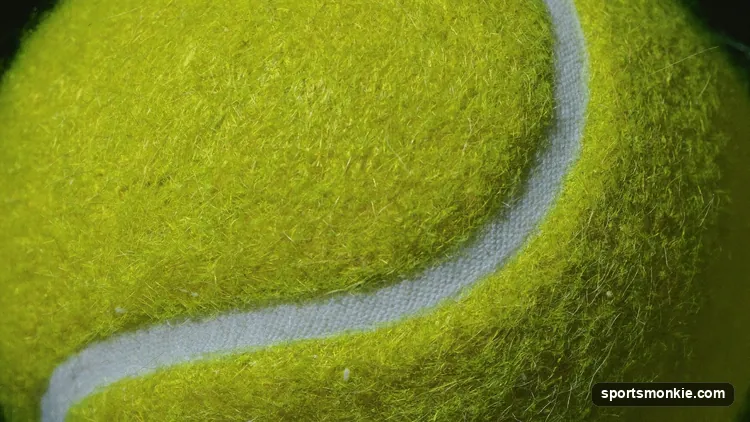
Why Do Tennis Balls Have Fuzz? The Real Aerodynamic Reason
Why do tennis balls have fuzz? The wool-nylon nap doubles aerodynamic drag, slows the ball, grips spin, and meets ITF's 56.0-59.4g spec.
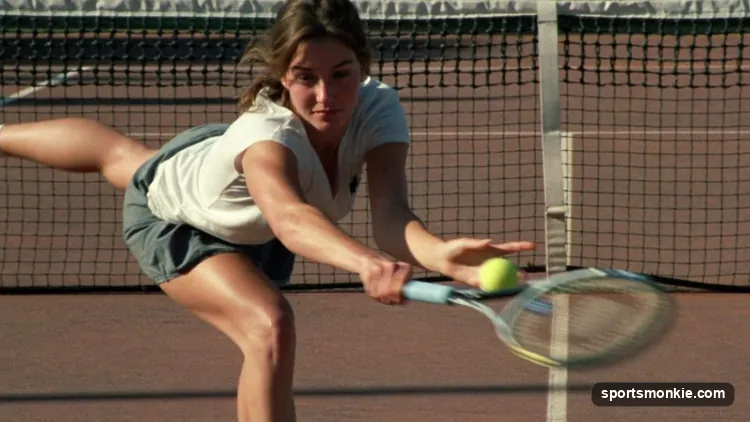
Drop Shot in Tennis: Technique, Timing, and When to Use It
A drop shot in tennis is a soft, backspin-heavy stroke that just clears the net and dies short. Learn the grip, disguise, and when to hit it.
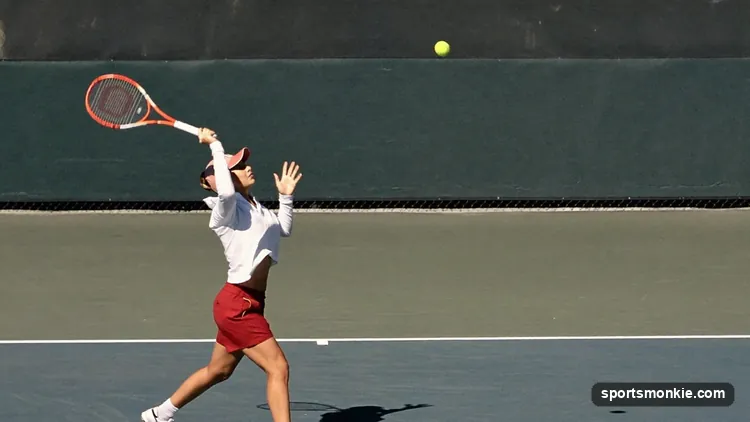
Lob in Tennis: Definition, Technique, and When to Use It
A lob in tennis is a high, arcing shot hit over an opponent at the net. Learn the offensive vs. defensive lob, technique, and its counter, the smash.
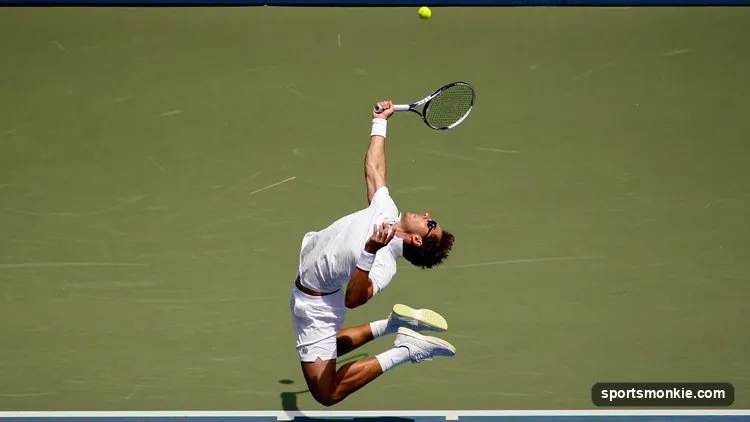
Overhead Shot in Tennis: How to Hit the Smash (Complete Guide)
The overhead shot in tennis is a serve-like swing hit above the head to put away a lob. Learn the technique, footwork, and common errors.
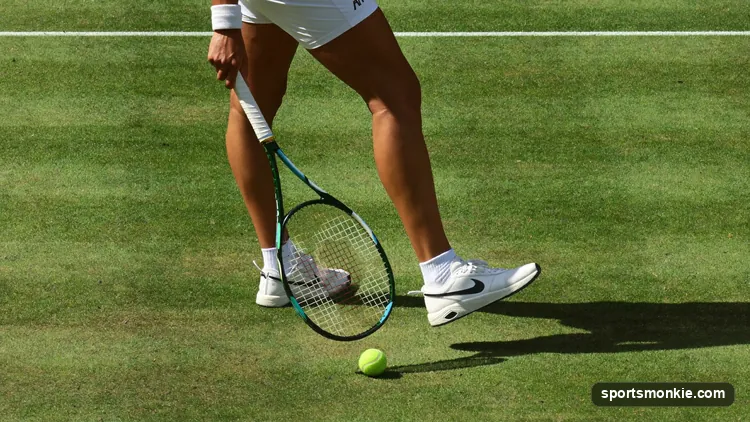
Slice in Tennis: How the Underspin Shot Works and When to Use It
A slice in tennis is a backspin shot hit with a high-to-low swing and open racket face that stays low and skids. Grip, technique, and tactics explained.
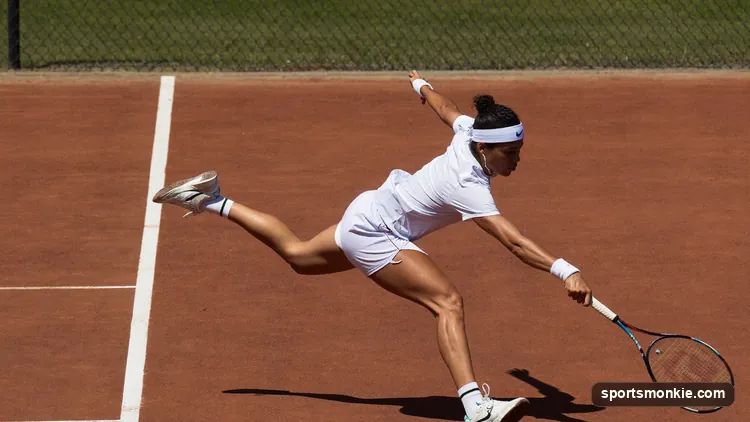
Types of Tennis Shots: The Complete Guide to Every Stroke
The main types of tennis shots are groundstrokes, the serve, volleys, and specialty shots like the slice, lob, smash, and drop shot.
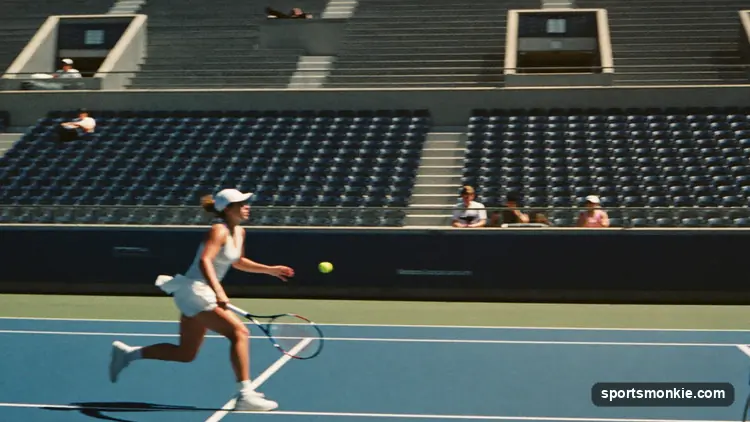
Highest-Paid Female Tennis Players: Pay Explained
Highest-paid female tennis players: prize money vs endorsements, the Grand Slam equal-pay history, where pay is still not equal, and the career money leaders.
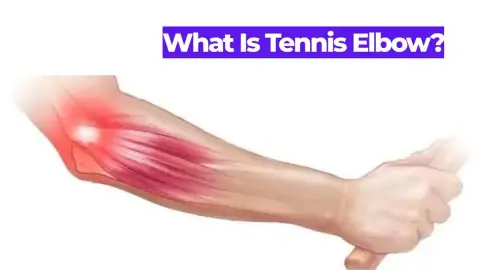
What Is Tennis Elbow? Causes, Symptoms, and Treatment
Tennis elbow (lateral epicondylitis) is a painful overuse injury of the tendons outside the elbow. Despite its name, many who never play tennis get it.
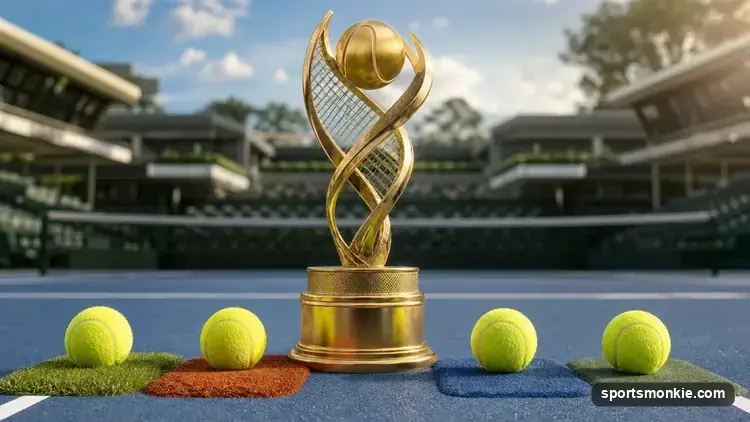
What Is a Grand Slam in Tennis? The Four Major Tournaments
A Grand Slam in tennis is the four biggest events: the Australian Open, French Open, Wimbledon and US Open. Winning all four in a year is a Calendar Slam.
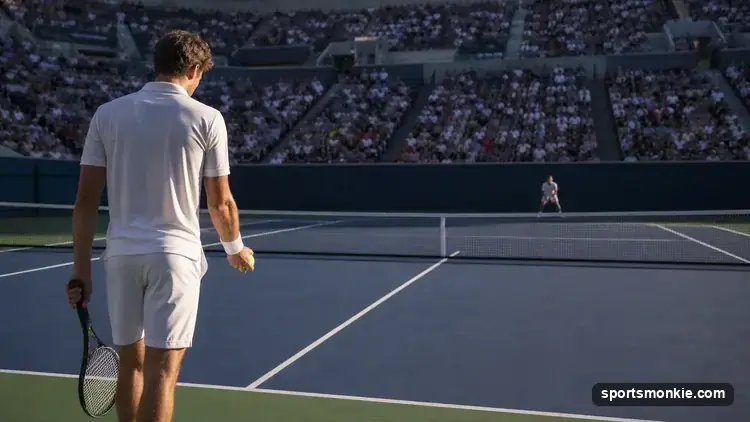
What Is a Match Point in Tennis? Rules Explained
A match point in tennis is when the leading player needs one more point to win. It can come on serve or return, and several may occur before one is won.
What Color Is a Tennis Ball? The Science Behind the Yellow-Green
Tennis balls are officially optic yellow, a shade between yellow and green. It was adopted in 1972 to improve visibility on colour television broadcasts.

Benefits of Playing Tennis: Health, Mental, and Social Gains
Tennis offers a full-body workout, sharp mental engagement, and lifelong social connection. Here are the key benefits of playing tennis at any age or level.
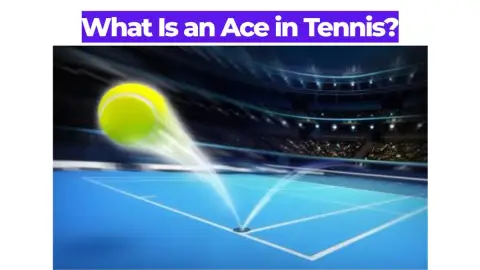
What Is an Ace in Tennis? Definition and Why It Matters
An ace in tennis is a legal serve that lands in the service box untouched by the receiver, winning the point outright. It is a server's top weapon.
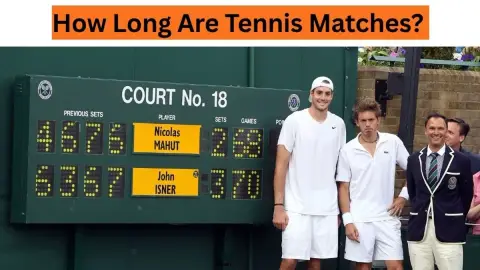
How Long Are Tennis Matches? Average Duration Explained
Tennis match length varies widely: a best-of-three match runs 90 minutes to 2 hours, while a best-of-five Grand Slam match can last 3 to 5 hours or more.

What Is Deuce in Tennis? Scoring Rules Fully Explained
Deuce in tennis is the 40-40 score where both players are tied and one must win two straight points to win the game. It repeats until someone leads by two.

What Does Ad Mean in Tennis? Advantage Scoring Explained
Ad in tennis means advantage, the point after deuce when one player needs one more to win. Win it to take the game; lose it and the score returns to deuce.
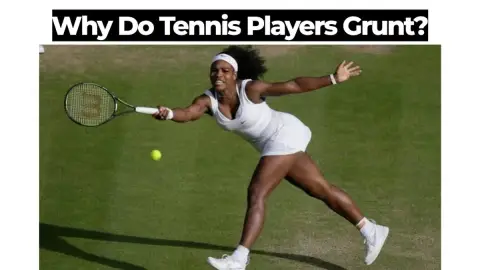
Why Do Tennis Players Grunt? The Science Behind It
Tennis players grunt because the sharp exhale at ball contact stabilises the core, releases tension and can boost power. It's a habit from early training.
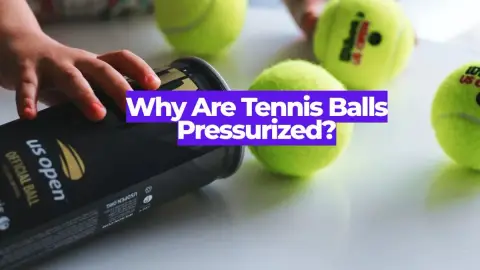
Why Are Tennis Balls Pressurized? The Science Explained
Tennis balls are pressurized with air or nitrogen to give them their bounce and feel. The pressure keeps the rubber core firm so the ball rebounds fast.
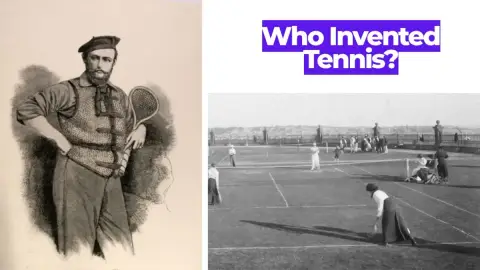
Who Invented Tennis? The History and Origins of the Sport
Modern tennis was invented by Major Walter Clopton Wingfield, who patented the lawn game Sphairistike in 1874. The first Wimbledon followed in 1877.