
Volleyball
Indoor and beach volleyball rules, positions, skills, equipment, competitions and player guides.
25 guides, records and explainers.
Positions
Open topic hub →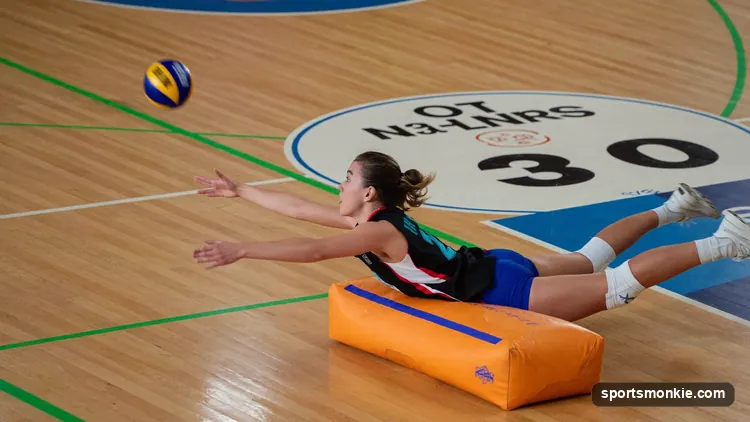
Defensive Specialist in Volleyball: DS Role Explained
A defensive specialist (DS) in volleyball subs in for weaker-passing front-row players in the back row. DS vs libero rules, jersey, and skills explained.

Libero in Volleyball: What the Position Actually Does
The libero volleyball role: the back-row defensive specialist who passes, digs and reads hitters. Origin, skills, jobs and the players who define it.
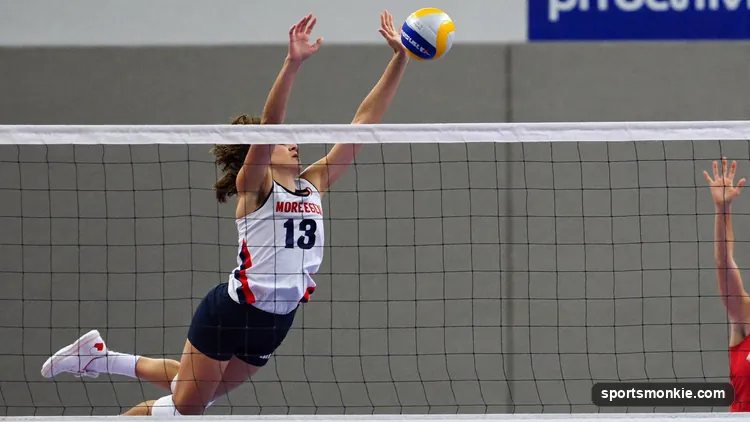
Middle Blocker in Volleyball: Role, Skills and Quick Sets Explained
A middle blocker volleyball player anchors the net's block and hits fast quick-tempo sets. Full guide to the role, footwork, quick sets and top players.
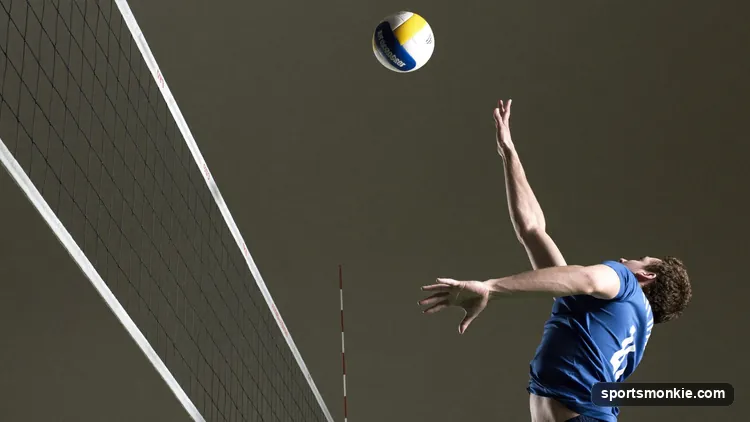
Opposite Hitter in Volleyball: Role, Skills & Top Players
The opposite hitter volleyball position attacks from the right side, blocks the outside hitter, and rarely passes serve receive. Full role breakdown.
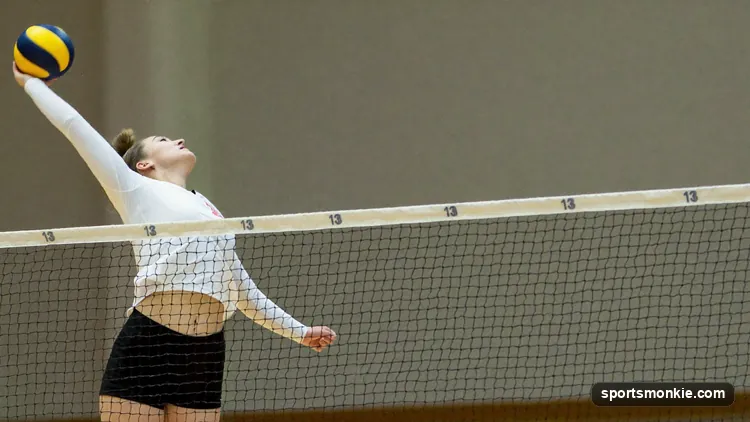
Outside Hitter in Volleyball: Role, Skills & Why They Lead in Kills
An outside hitter volleyball position attacks from zone 4, leads the team in kills, and also passes serve-receive — here's the full role explained.
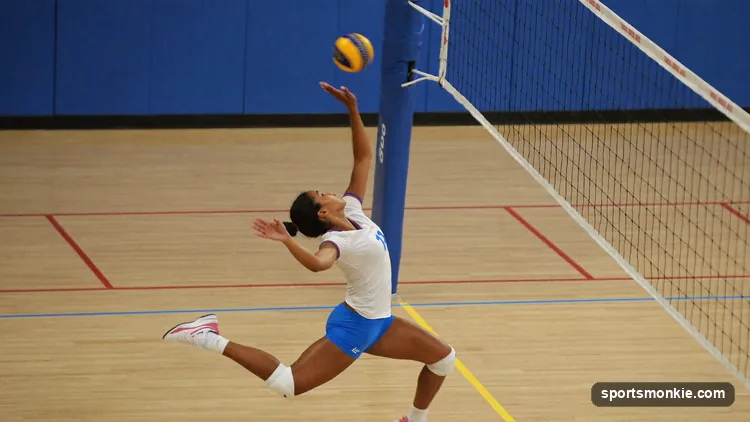
Setter in Volleyball: Role, Rules, Tempo & Best Setters Explained
The setter in volleyball takes the second touch and delivers the ball to a hitter, running the offense like a team's on-court quarterback.
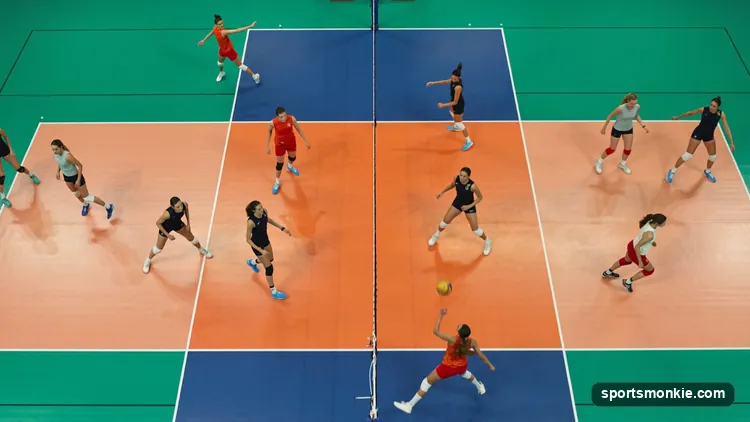
Volleyball Positions by Number: Zones 1-6 Explained
Volleyball positions numbers run 1-6 around the court: 1=back-right server, 2=front-right, 3=front-middle, 4=front-left, 5=back-left, 6=back-middle.
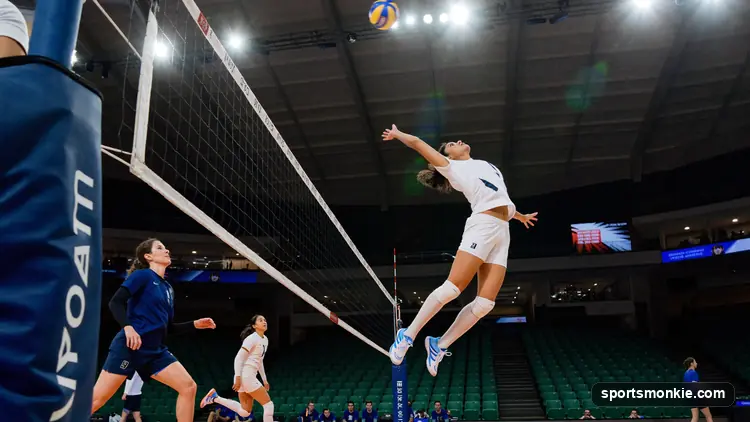
Volleyball Positions Explained: Every Role
Volleyball has six player roles: setter, outside hitter, opposite, middle blocker, libero and defensive specialist. Each position explained clearly.
Rules & Fundamentals
Open topic hub →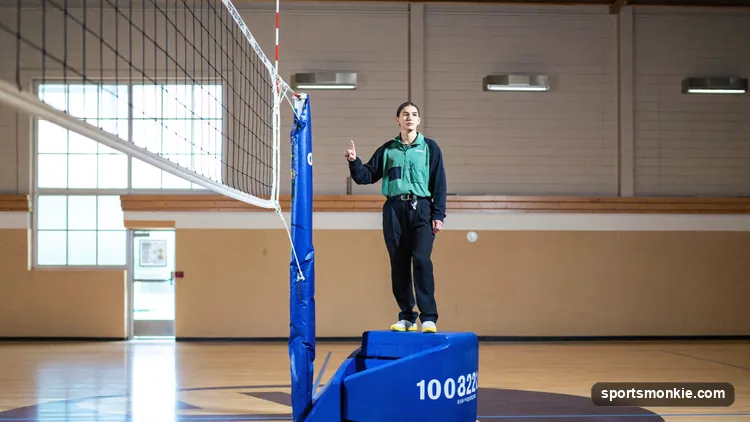
Volleyball Referee Signals: Every Official Hand Signal Explained
Volleyball referee signals explained: point, ball in/out, four hits, double contact, net touch, foot fault, ball touched, delay, substitution, and end of set.
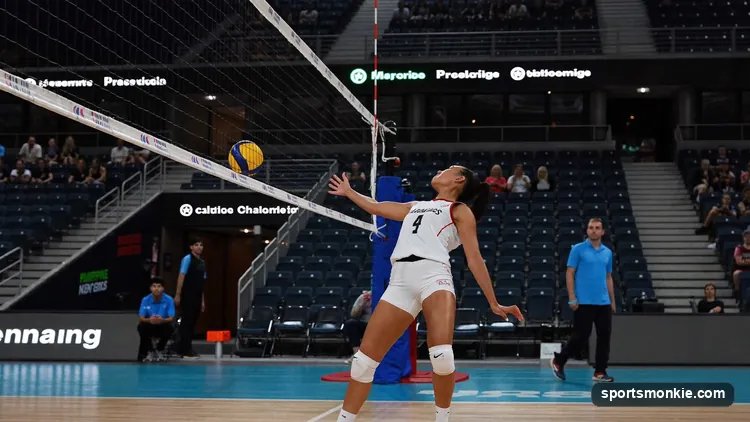
How Volleyball Scoring Works: Rally Scoring Explained
Volleyball uses rally scoring: a point on every rally, sets to 25, a fifth set to 15, win by two. How points, sets and matches are counted, with a table.
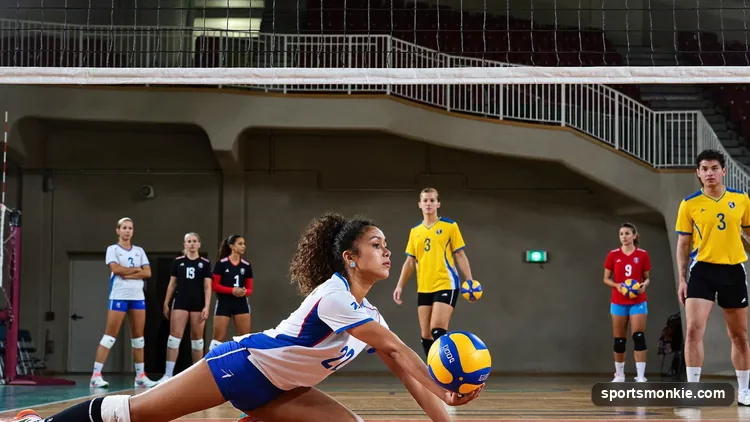
Libero Rules in Volleyball: What They Can and Can't Do
The libero is a back-row defensive specialist who can't attack above the net or block. Full libero rules: the jersey, substitutions and what's allowed.
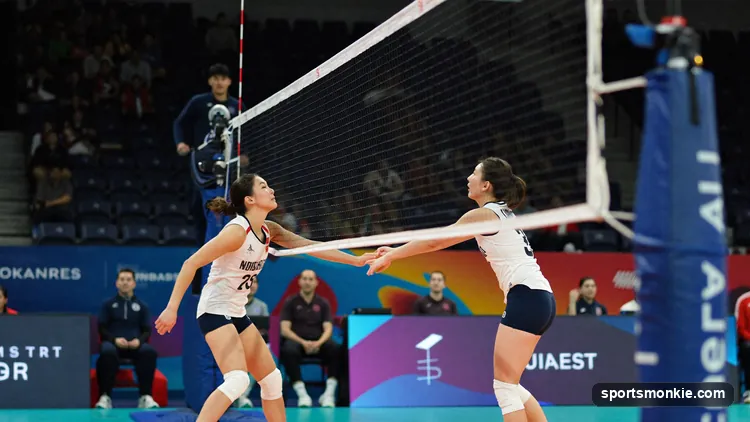
Volleyball Rules Explained: The Full Ruleset
Volleyball rules in one place: six players a side, three hits per rally, rally scoring to 25, clockwise rotation and the common faults that lose points.
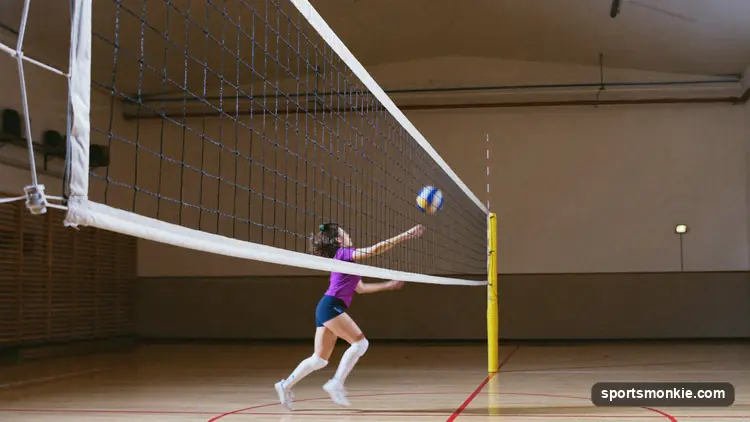
Volleyball Net Height: Men, Women and Juniors
Official volleyball net height is 2.43 m (7 ft 11 5/8 in) for men and 2.24 m (7 ft 4 1/8 in) for women. Full chart for juniors, coed, beach and sitting.
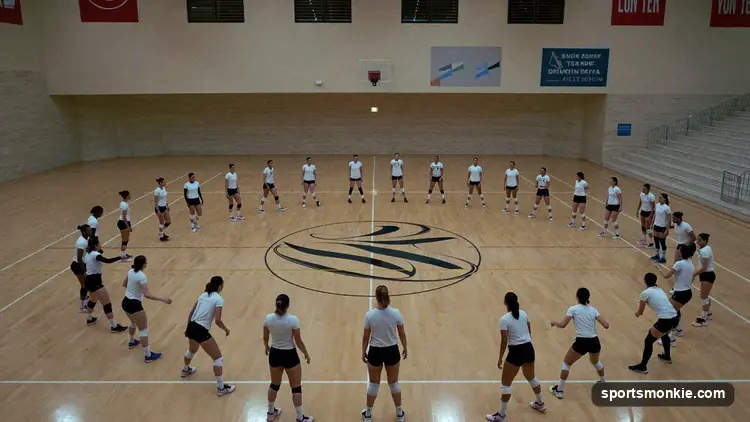
Volleyball Rotation Explained Simply
Volleyball rotation means the six players move one spot clockwise each time their team wins the serve. How rotation, serve order and overlap work.
Skills & Training
Open topic hub →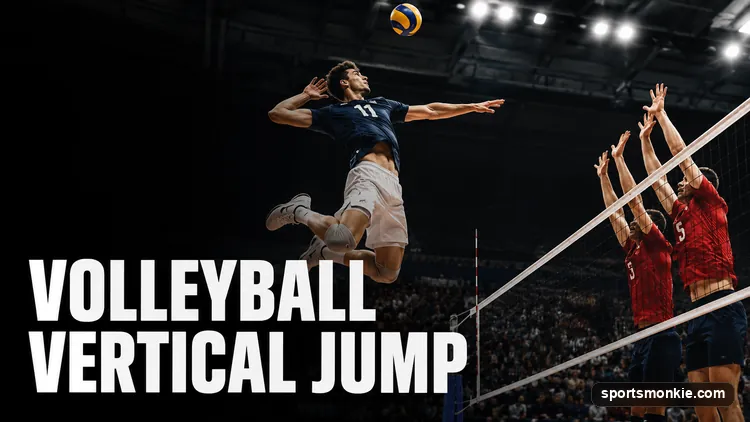
How to Jump Higher for Volleyball: Approach, Plyo & Strength
To jump higher for volleyball, fix your approach mechanics first, then add twice-weekly plyometrics and heavy lower-body strength. Here is the exact approach-jump technique, drills, and 8-week plan.

Plyometric Exercises for Volleyball: 8 Court-Specific Drills That Transfer
The best plyometric exercises for volleyball train the exact jumps the sport demands — approach jumps, block jumps, and lateral cuts — not generic vertical-jump drills, so power shows up on the court, not just on a jump mat.
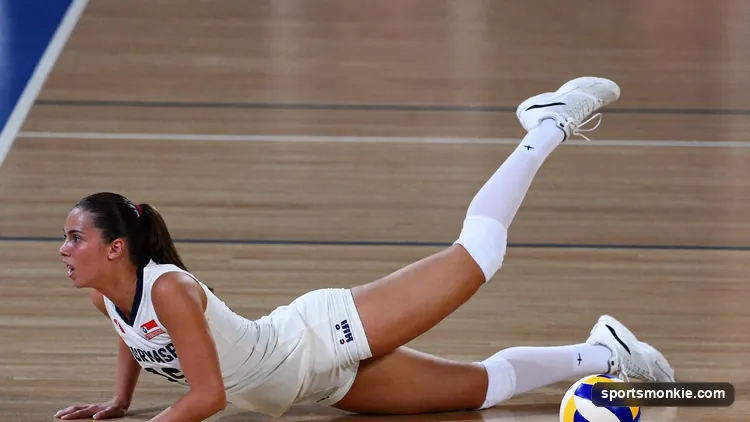
What Is a Dig in Volleyball? The Defensive Save
A dig is a defensive pass that keeps a hard-driven spike off the floor. What counts as a dig, the technique, and how it differs from a pass or reception.
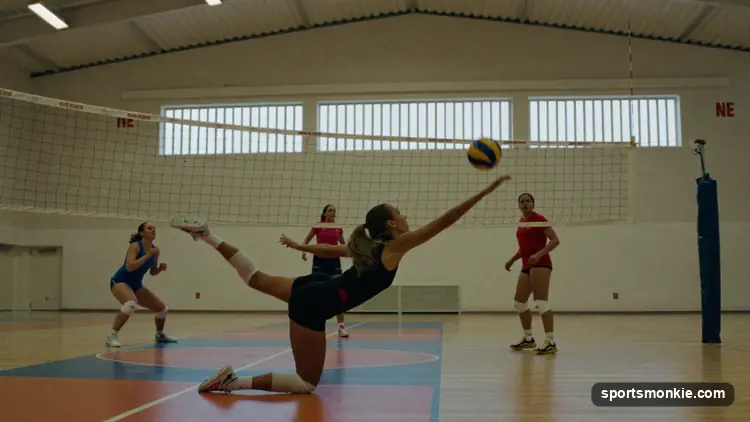
What Is a Kill in Volleyball? Stats & Examples
A kill in volleyball is an attack that directly wins the rally, landing in for a point or deflecting out off the block. It is the top offensive stat.
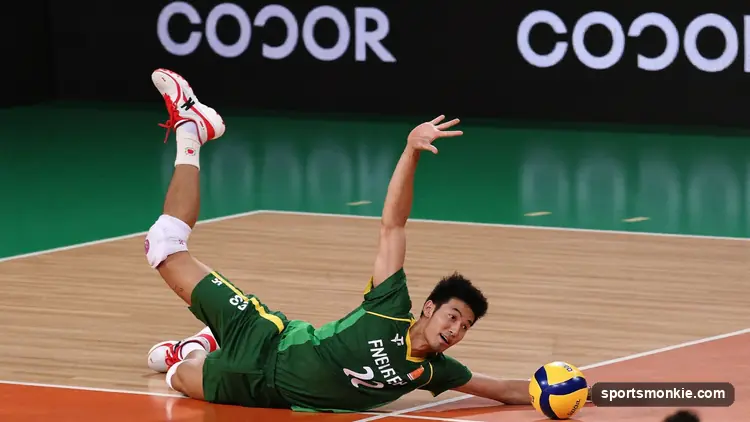
What Is a Pancake in Volleyball?
A pancake is an emergency dig where a player slides a flat hand under the ball on the floor so it bounces off the back of the hand and stays in play.
Competitions & Players
Open topic hub →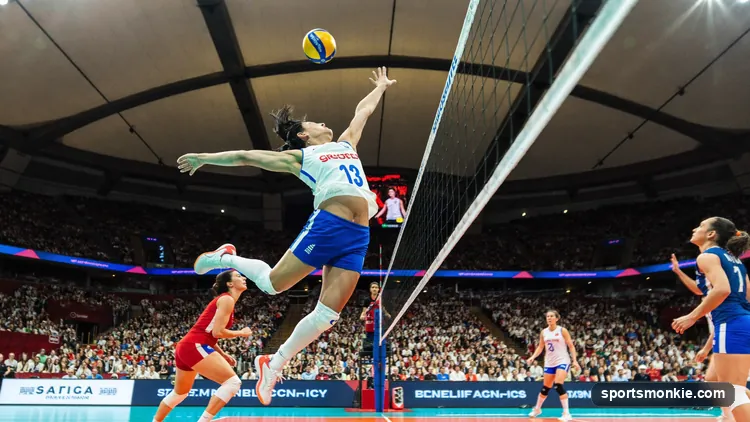
Best VNL Players: The Top Stars of the Nations League
The best VNL players, named and ranked: Wilfredo León, Yuji Nishida, Paola Egonu, Tijana Bošković, Gabi and more — with why each one made the list.
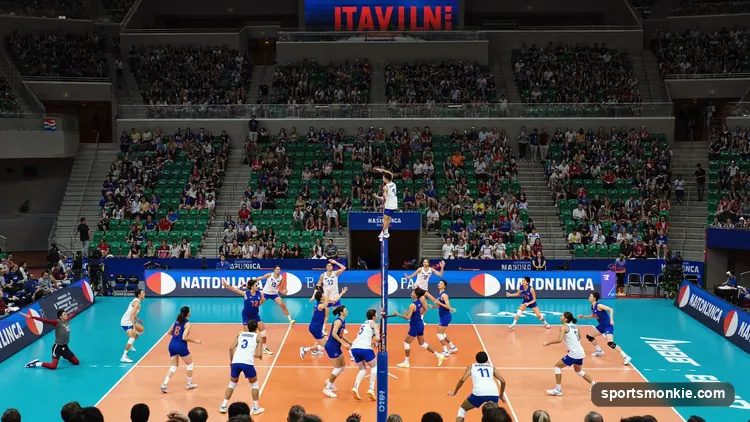
What Is the Volleyball Nations League (VNL)?
The Volleyball Nations League is FIVB's top annual national-team tournament, with 16 men's and 16 women's teams playing a group stage and a Finals each summer.
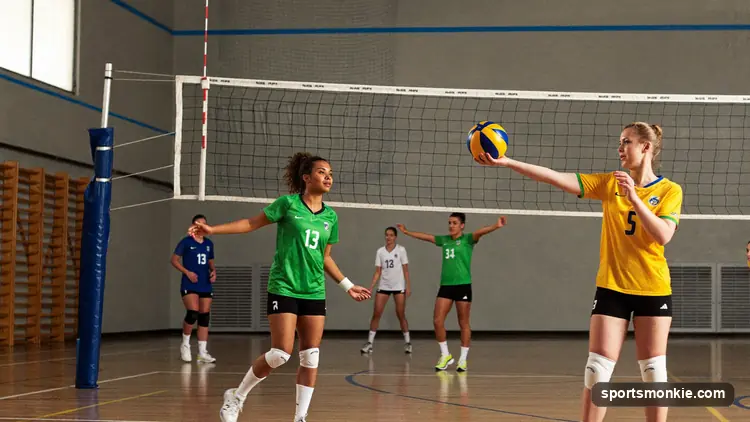
How Much Does Club Volleyball Cost?
Club volleyball typically costs a few thousand dollars a season once fees, travel and gear are added. Full cost breakdown and why it's expensive.

Best Volleyball Players of All Time: The Greatest Ever
A ranked look at the greatest volleyball players in history, covering legendary setters, outside hitters, and blockers who defined the sport across decades.
Beach Volleyball

Beach Volleyball Rules: Two Players, Sets to 21
Beach volleyball rules: two players a side, no rotation, sets to 21 (win by two), a decider to 15, a smaller 16x8m court and stricter hand-set rules.
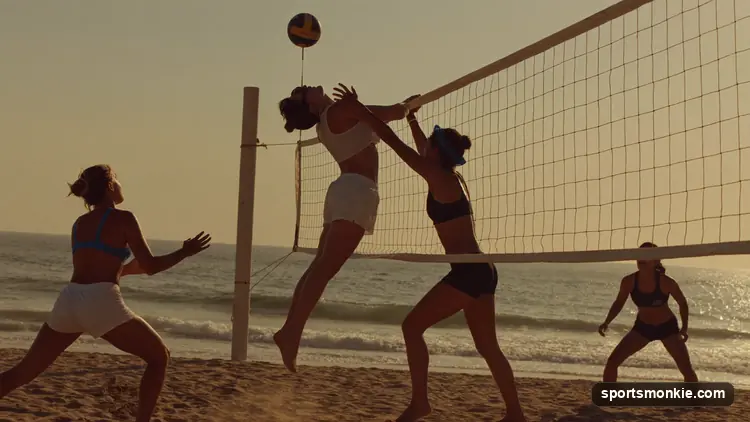
Beach vs Indoor Volleyball: Differences
Beach volleyball is 2v2 on sand with a smaller court and a softer, larger ball; indoor is 6v6 on a hard court. Key differences in rules, court and ball.