
Opposite Hitter in Volleyball: Role, Skills & Top Players
On this page7
- 01What is an opposite hitter in volleyball?
- 02Why do opposites attack from the right side?
- 03Do opposite hitters pass serve-receive?
- 04What does an opposite hitter block?
- 05Opposite hitter vs. outside hitter: what’s the real difference?
- 06What is the physical profile of an opposite hitter?
- 07Real opposite hitters worth watching
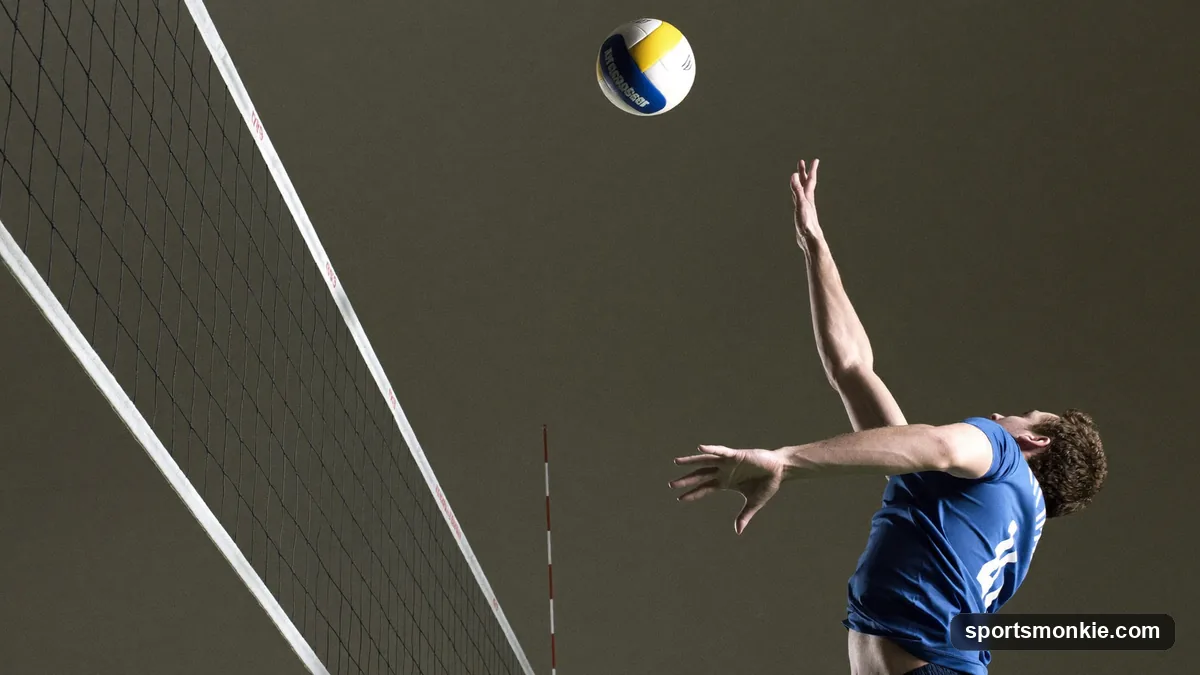
The opposite hitter (OPP), or right-side hitter, attacks from zone 2 on the right side of the net, blocks the opponent’s outside hitter, and usually skips serve-receive so they can focus entirely on scoring. Named for the fact that they line up opposite the setter in the rotation, the opposite is often a team’s single biggest point-scorer, especially when a play breaks down and the setter needs a reliable, high-power option.
The role gets confused with the outside hitter constantly, both are power attackers who can look similar from the stands, but the jobs, the court zones, and the physical demands are genuinely different. Here is exactly what an opposite does, why the position is built the way it is, and who plays it best in the world today.
What is an opposite hitter in volleyball?
The opposite hitter is one of six recognized roles in the volleyball positions explained framework: setter, outside hitter, opposite, middle blocker, libero and defensive specialist. The opposite’s defining trait is where they sit in the rotation. Because the setter and opposite are always positioned across the net-formation from each other, whenever the setter rotates into the front row, the opposite rotates to the back row, and vice versa. This guarantees the opposite is in the front row for roughly half the rotation and in the back row for the other half, which matters enormously for how the position attacks.
Why do opposites attack from the right side?
Attacking from zone 2 (front right) gives the opposite a natural angle into the opponent’s court that a left-side hitter does not have, particularly for a cross-court shot that travels away from a right-handed blocker’s natural reach. It also keeps the offense balanced: with the outside hitter dominating the left side and the middle blocker running quick sets through the center, the opposite’s right-side attack forces the defense to cover the entire width of the net rather than collapsing toward one side.
Because the setter usually faces away from the right side when running the offense, sets to the opposite frequently travel behind the setter’s back, called a back-set, or come out fast and slightly off-target on broken plays. That makes the opposite’s attacking window smaller and more technical than the outside hitter’s, which is why the best opposites are also some of the cleanest shot-makers on the roster.
Do opposite hitters pass serve-receive?
Almost never, and this is one of the most distinctive things about the role. Most systems keep the opposite entirely out of the serve-receive pattern, leaving passing to the libero, the outside hitters and sometimes the setter. Skipping passing means the opposite:
- Stays physically fresh for a full approach and jump on nearly every attacking opportunity
- Can start moving toward their attacking position the instant the serve is contacted, instead of reading and shaping to pass first
- Is available to hit from the back row (zone 1) far more often than a passing player would be, since a clean release from serve-receive frees them to swing on a wider variety of sets
That back-row attacking from zone 1 is a real weapon: a legal back-row attack must be launched from behind the 3-meter (10-foot) attack line, but because the opposite isn’t tied up passing, coaches can call plays that put the ball in their hands from deep even on plays that started clean.
What does an opposite hitter block?
The opposite carries arguably the hardest blocking assignment on the court: stopping the opposing team’s outside hitter, who typically takes the highest volume of swings of any player on the floor. Because the opposite lines up on the right side of the net across from the opponent’s left-side attacker, that matchup is unavoidable on almost every rally. A strong opposite has to read the set, close the block with a middle blocker, and do it repeatedly against the other team’s most trusted hitter, on top of their own attacking workload. Coaches often say the position demands the most complete all-around skill set at the net, blending power, footwork and blocking IQ in a way no other position quite requires.
Opposite hitter vs. outside hitter: what’s the real difference?
| Opposite hitter (OPP) | Outside hitter (OH) | |
|---|---|---|
| Attacking zone | Right side, zone 2 | Left side, zone 4 |
| Serve-receive role | Rarely passes | Major passing responsibility, with the libero |
| Primary blocking target | Opponent’s outside hitter | Opponent’s opposite |
| Set type | Often back-sets, fast/technical sets | Highest volume of sets overall, including out-of-system |
| Back-row attacking | Frequent, from zone 1 | Occasional, from zone 1 |
| Physical bias | Power, blocking reach, can favor left-handed | All-around, stamina for passing plus attacking |
The two roles are often confused because both are power attackers who can put a ball away from distance. The real split is workload: the outside hitter is the offense’s volume shooter and primary passer, while the opposite is a specialist who trades passing duty for a heavier blocking assignment and a cleaner attacking role. Teams also lean on the middle blocker to help close blocks alongside the opposite, since neither position defends the net alone.
What is the physical profile of an opposite hitter?
Opposites are built for power and reach. At the elite level they are frequently among the tallest players on the roster, since height and a big spike/block reach directly translate into more effective attacks and tougher blocks against the opponent’s best hitter. Beyond size, the position rewards a fast, explosive arm swing (because sets are often quick or slightly imperfect), strong core and shoulder stability to generate power without a full approach every time, and sharp blocking footwork to close against the outside hitter under pressure.
Left-handedness is a notable and real edge at this position. A left-handed opposite’s hitting arm naturally aligns with sets coming from the right antenna without the ball crossing the body, producing a cleaner, more natural swing on tight or off-speed sets and cross-court angles that right-handed blockers see far less often. It’s a big part of why several of the sport’s best current opposites are left-handed.
Real opposite hitters worth watching
The clearest way to see the role in action is to watch the players who define it at the top level:
- Yuji Nishida (Japan) — Widely regarded as the game’s most explosive current opposite, Nishida is known for elite jump-serve velocity and attacking power built on speed and technique rather than pure size, playing internationally for Team Japan.
- Paola Egonu (Italy) — An Olympic gold medalist and World Championship winner with Italy’s national team, Egonu has been repeatedly named best opposite at major FIVB tournaments and holds the sport’s fastest recorded spike, at 112.7 km/h.
Both players show what the role rewards: a heavy, technical attacking workload from the right side, a defined blocking assignment, and almost no time spent in serve-receive.
The short version: the opposite hitter attacks from the right side of the net, is excused from most serve-receive to stay fresh for attacking and back-row hitting, and takes on the toughest blocking matchup in the sport, the opponent’s outside hitter. It’s a role built entirely around power and precision at the net rather than all-around ball control, which is exactly why it produces some of volleyball’s biggest point-scorers.
Frequently asked questions
What does an opposite hitter do in volleyball?+
The opposite hitter attacks from the right side of the net (zone 2), takes high-velocity back-sets when the play breaks down, blocks the opposing team's outside hitter, and often hits from the back row out of zone 1. Because opposites rarely pass serve-receive, they conserve energy and focus almost entirely on scoring and blocking, making them one of the highest-volume attackers on the floor.
Is opposite hitter the same as right-side hitter?+
Yes. 'Opposite hitter,' 'right-side hitter' and 'OPP' all refer to the same volleyball position. The name 'opposite' comes from where the player lines up in the rotation, directly across the net formation from the setter, so whenever the setter is in the front row, the opposite is in the back row, and vice versa.
Why do opposite hitters not pass?+
Coaches keep opposites out of serve-receive so they stay fresh and mentally locked in on attacking and blocking, their two hardest jobs. An opposite who also had to read serves and pass accurately would be pulled between two demanding skills; removing passing lets them line up early, get a full approach, and be ready to hit from the back row (zone 1) almost every time their team is out of system.
Why do opposite hitters block the outside hitter?+
In a standard rotation, the opposite lines up on the right side of the net directly across from the opponent's outside hitter, who attacks from the left side (zone 4) and takes the highest volume of swings on most teams. Since the opposite is already positioned there, they draw the toughest one-on-one blocking matchup on the court, closing the block against the other team's best and busiest attacker.
Can an opposite hitter be left-handed?+
Yes, and it is a real advantage. A left-handed opposite's hitting arm lines up naturally with sets delivered from the right antenna without the ball crossing the body, producing a cleaner swing on tight or off-speed sets and cross-court angles that right-handed blockers see less often. Many elite opposites, including Yuji Nishida, are left-handed for exactly this reason.
What is the difference between an opposite hitter and an outside hitter?+
The outside hitter attacks from the left side (zone 4), usually carries heavy serve-receive passing duties alongside the libero, and takes the majority of sets when a play breaks down. The opposite attacks from the right side (zone 2), is mostly excused from passing, and specializes in blocking the opponent's outside hitter. Both are power attackers, but the opposite's role is built around attacking and blocking with almost no passing load.
How tall does an opposite hitter need to be?+
There is no fixed minimum, but elite opposites are typically among the tallest players on the roster because they need reach for both hard-driven attacks and one-on-one blocking against the opponent's outside hitter. Men's national-team opposites commonly stand around 6'6" to 6'9", while top women's opposites are frequently 6'3" to 6'5", though vertical jump and arm speed matter as much as raw height.
Who is the best opposite hitter in volleyball?+
Japan's Yuji Nishida and Italy's Paola Egonu are widely regarded as the sport's premier opposites as of 2026. Nishida is known for elite jump-serve velocity and attacking power despite being shorter than most rivals, while Egonu, an Olympic and world champion with Italy, holds the fastest recorded spike in the sport at 112.7 km/h and has repeatedly been named best opposite at major FIVB events.
Sources
Play & tools
Free browser games and tools — no account, no download.
- Play today's Sports Connections — Today's Sports Connections — daily hints, answers, and play the grid.
- Play Guess the NFL Player — A new mystery NFL player every day. Eight guesses, with a clue on each — plus free unlimited mode.
- Explore all our games →
Related guides
Outside Hitter in Volleyball: Role, Skills & Why They Lead in Kills
An outside hitter volleyball position attacks from zone 4, leads the team in kills, and also passes serve-receive — here's the full role explained.
Middle Blocker in Volleyball: Role, Skills and Quick Sets Explained
A middle blocker volleyball player anchors the net's block and hits fast quick-tempo sets. Full guide to the role, footwork, quick sets and top players.
Defensive Specialist in Volleyball: DS Role Explained
A defensive specialist (DS) in volleyball subs in for weaker-passing front-row players in the back row. DS vs libero rules, jersey, and skills explained.
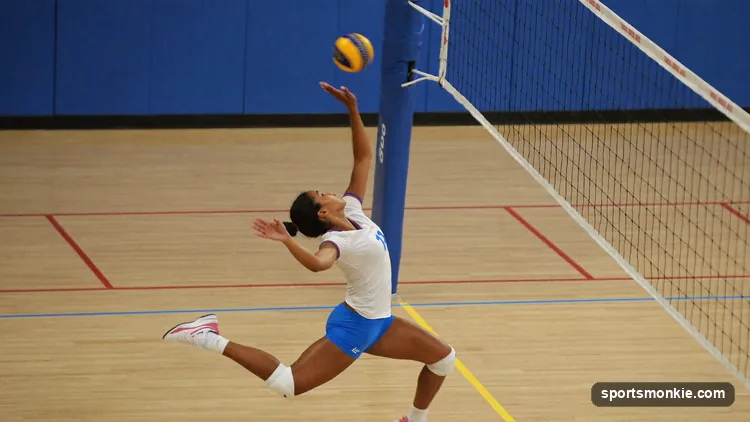
Setter in Volleyball: Role, Rules, Tempo & Best Setters Explained
The setter in volleyball takes the second touch and delivers the ball to a hitter, running the offense like a team's on-court quarterback.
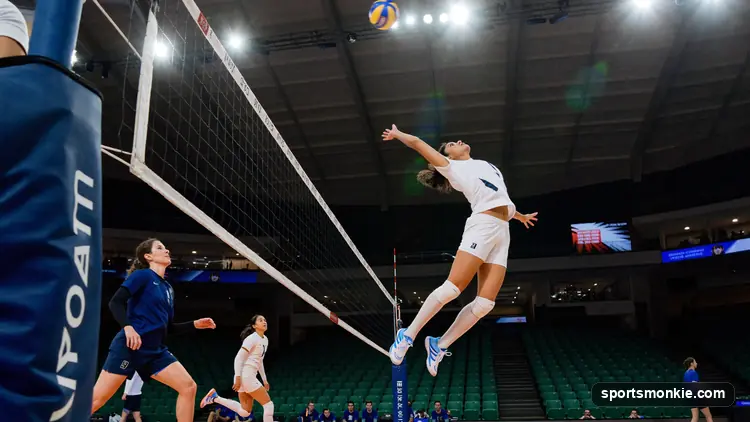
Volleyball Positions Explained: Every Role
Volleyball has six player roles: setter, outside hitter, opposite, middle blocker, libero and defensive specialist. Each position explained clearly.
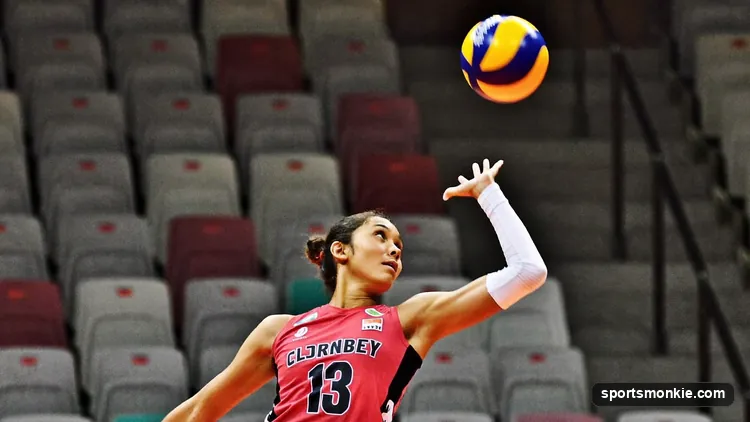
Libero in Volleyball: What the Position Actually Does
The libero volleyball role: the back-row defensive specialist who passes, digs and reads hitters. Origin, skills, jobs and the players who define it.