
Volleyball Positions Explained: Every Role
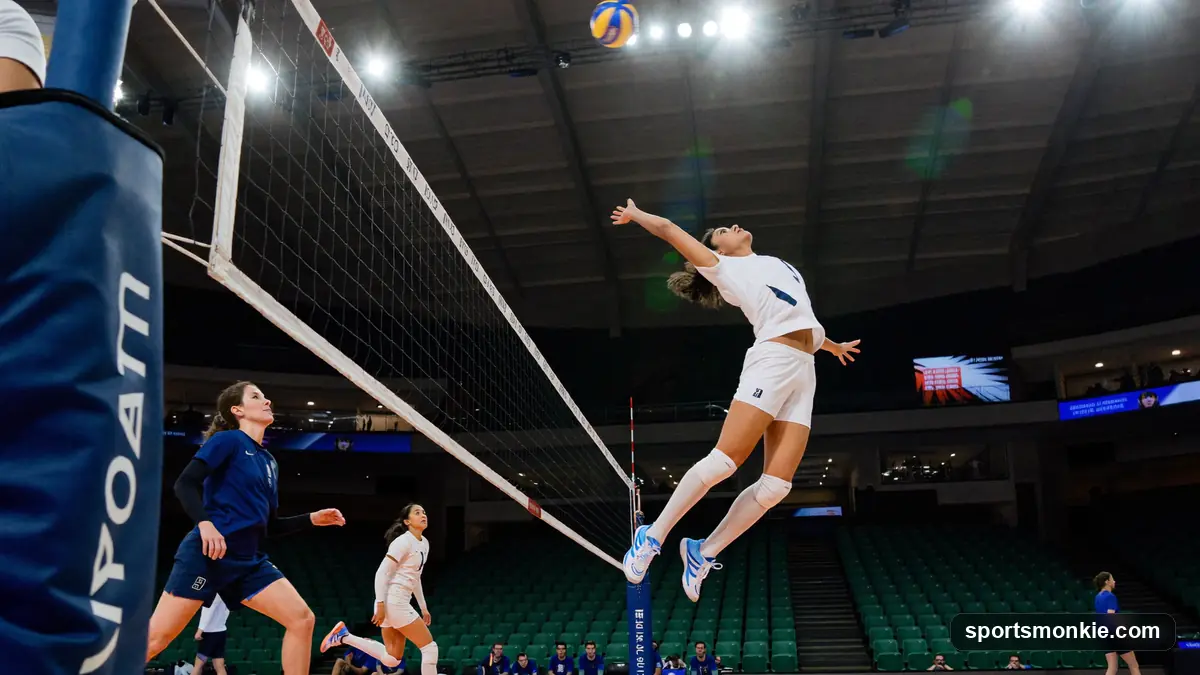
On this page5
Volleyball has six recognised player roles: the setter, the outside hitter, the opposite (right-side) hitter, the middle blocker, the libero and the defensive specialist. Each role has a distinct job, from running the offense to anchoring the net to specialising in back-row defence, and a full six-player lineup is built by combining them.
There is a second, easy-to-confuse meaning of “positions,” though: the six numbered spots on the court that players rotate through. Understanding both, the roles players specialise in and the court positions they rotate around, is the key to reading a volleyball team. Here is every role explained, plus how rotations and formations work.
The six player roles
Each role is defined by where a player attacks or defends from and what they are expected to do on the second and third touches of a rally.
| Role | Primary job | Where they play |
|---|---|---|
| Setter | Delivers the second touch to set up an attack | Runs offense from front or back row |
| Outside hitter | Main attacker; hits from the left | Front and back row |
| Opposite (right-side) hitter | Attacks from the right; blocks the other team’s outside | Opposite the setter in rotation |
| Middle blocker | Blocks at the net; hits quick middle attacks | Centre of the net |
| Libero | Back-row defence and serve-receive passing | Back row only, contrasting jersey |
| Defensive specialist | Substitute who strengthens back-row defence | Back row |
The setter is the quarterback of the team, touching the ball on almost every rally and deciding which hitter gets the ball. The outside hitter usually takes the most swings, especially out of a scrambled play, while the opposite provides a second attacking threat and blocks the opponent’s best outside hitter. The middle blocker lives at the net, defending quick attacks and running fast middle plays of their own, work that often ends in a kill when the timing is right. Rounding out the back row, the defensive specialist is a substitute who shores up passing and digging.
The libero, explained
The libero is the role that most confuses newcomers, largely because of the different-coloured jersey. The libero is a back-row defensive specialist who exists to improve passing and digging. Under the sport’s governing rules, the libero can only play in the back row, cannot attack a ball that is entirely above the height of the net, and cannot block or attempt to block.
The libero also swaps in and out freely for back-row players without counting as a normal substitution, which is why you see them come and go so often. Serving rules for the libero vary by ruleset: international (FIVB) rules do not allow the libero to serve, while some domestic and college rules permit the libero to serve in one rotational position. What never changes is the libero’s core purpose, keeping the ball off the floor and delivering clean passes to the setter.
Court positions and rotation
Separate from roles, the court is divided into six numbered positions. Position 1 is the back-right corner (where the server stands), 2 is front-right, 3 is front-centre, 4 is front-left, 5 is back-left, and 6 is back-centre. When a team wins back the serve, all players rotate one spot clockwise. Our guide to volleyball positions by number breaks down each zone and how the numbering differs from the specialist roles above.
Because players rotate, a setter or hitter will not always be in their ideal spot. Teams solve this with switching: as soon as the ball is served, players move to their specialist positions while respecting the overlap rules that govern where they can stand at the moment of the serve. This is also why the layout matters so much positionally. Our volleyball court dimensions guide shows the attack line, zones and free space, while how tall a volleyball net is explains the barrier players attack over.
Offensive systems: 5-1, 6-2 and 4-2
Teams organise their roles into systems named by the count of hitters and setters:
- 5-1: Five hitters and one setter. The single setter runs the entire offense, setting from both the front and back row. It is the most common system at competitive levels because it gives one consistent decision-maker.
- 6-2: Six hitters and two setters. The setter always comes out of the back row, so the team keeps three front-row attackers at all times, maximising attacking options.
- 4-2: Four hitters and two setters, with the setter setting from the front row. It is simpler and common at beginner levels, but it leaves only two front-row attackers.
The choice of system shapes how a team attacks and where its best players slot in. Watching how the top players move between these roles is part of what makes elite volleyball so fluid, as our list of the best volleyball players shows.
Putting it together
A strong lineup balances all six roles. You want a reliable setter to run the offense, an outside hitter who can score from anywhere, an opposite who blocks and attacks the right side, a middle blocker who controls the net, and a libero who turns hard-driven balls into clean passes. Get those pieces working in rhythm through the rotation, and the offense flows naturally from pass to set to kill.
The short version: volleyball has six player roles, setter, outside hitter, opposite, middle blocker, libero and defensive specialist, plus six numbered court positions that players rotate through clockwise. Teams arrange those roles into systems like 5-1, 6-2 and 4-2, and the libero is the back-row specialist in the contrasting jersey who cannot attack above the net.
Frequently asked questions
What are the 6 positions in volleyball?+
The six player roles are setter, outside hitter (left side), opposite or right-side hitter, middle blocker, libero and defensive specialist. The setter delivers the second touch so a hitter can attack, the outside and opposite hitters take most of the swings, the middle blocker defends the centre of the net, the libero is a back-row defensive specialist in a different-coloured jersey, and the defensive specialist is a substitute who improves back-row defence. Separately, the court has six numbered spots (1 to 6) that players rotate through.
Where do you put your best player in volleyball?+
It depends on their strength. If your best player is the team's top attacker, they usually play opposite or outside hitter so they get the most swings, including from the back row. If your best player is the floor general who makes the offense run, they play setter in a 5-1 system so they touch the ball on almost every rally. Many teams build their lineup so that their strongest attacker is always available to hit from both the front and back row.
What is the hardest position in volleyball?+
The setter is widely considered the hardest position because they must deliver an accurate set on nearly every rally while making split-second decisions about which hitter to feed, all under pressure and often while moving. The libero is a close second, since it demands elite reaction time and consistent passing with no attacking reward. Both roles are judged on consistency rather than highlight moments, which is why they are so demanding.
What do 4-2, 6-2 and 5-1 mean in volleyball?+
These are offensive systems named by the number of hitters and setters on the court. A 4-2 uses four hitters and two setters, with the setter setting from the front row. A 6-2 uses six hitters and two setters, where the setter comes from the back row so the team always has three front-row attackers. A 5-1 uses five hitters and one setter who runs the whole offense, and it is the most common system at higher levels.
What is the difference between a libero and a defensive specialist?+
Both play back-row defense, but the rules differ. A libero wears a contrasting jersey, swaps in and out freely without counting as a substitution, and cannot attack above net height or block. A defensive specialist is a normal substitute who counts against the team's sub limit, wears the standard jersey, and has no attacking or serving restrictions — making the DS more flexible but far less freely interchangeable than the libero.
Which volleyball position should a beginner play?+
Beginners are often started at outside hitter or defensive specialist because both build core skills — passing, serving and a basic attack approach — without the specialized demands of setting or middle blocking. Taller newcomers may be steered toward middle blocker for the height advantage, while players with quick hands and good court vision are tried at setter. Most youth coaches rotate beginners through several roles before specializing.
Sources
Play & tools
Free browser games and tools — no account, no download.
- Play today's Sports Connections — Today's Sports Connections — daily hints, answers, and play the grid.
- Play Guess the NFL Player — A new mystery NFL player every day. Eight guesses, with a clue on each — plus free unlimited mode.
- Explore all our games →
Related guides
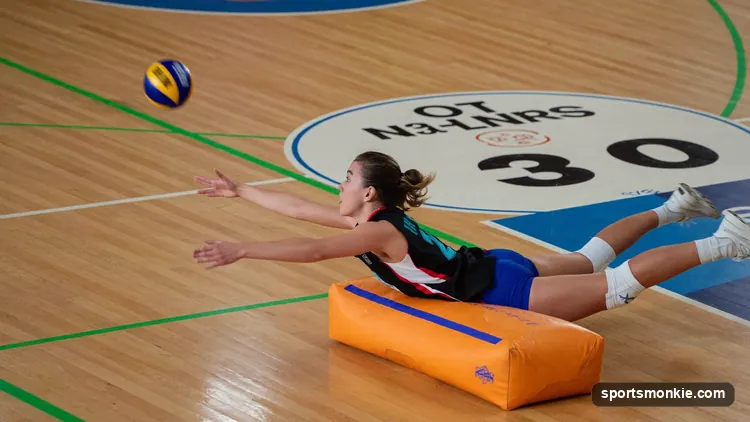
Defensive Specialist in Volleyball: DS Role Explained
A defensive specialist (DS) in volleyball subs in for weaker-passing front-row players in the back row. DS vs libero rules, jersey, and skills explained.
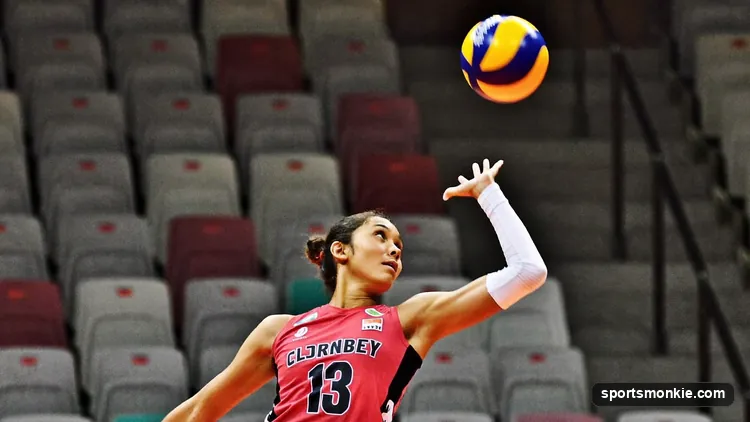
Libero in Volleyball: What the Position Actually Does
The libero volleyball role: the back-row defensive specialist who passes, digs and reads hitters. Origin, skills, jobs and the players who define it.
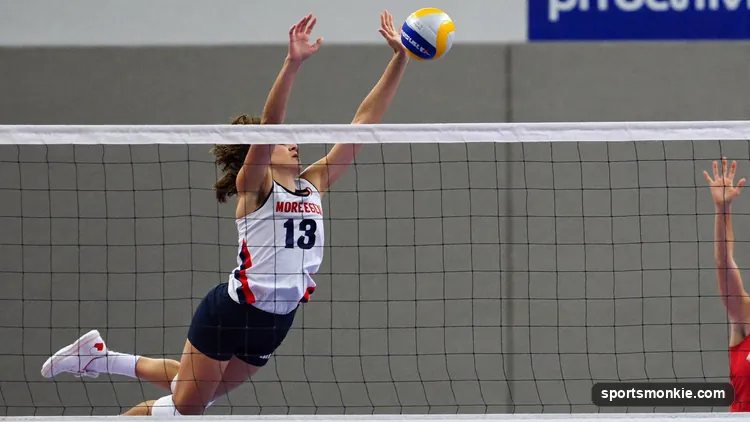
Middle Blocker in Volleyball: Role, Skills and Quick Sets Explained
A middle blocker volleyball player anchors the net's block and hits fast quick-tempo sets. Full guide to the role, footwork, quick sets and top players.
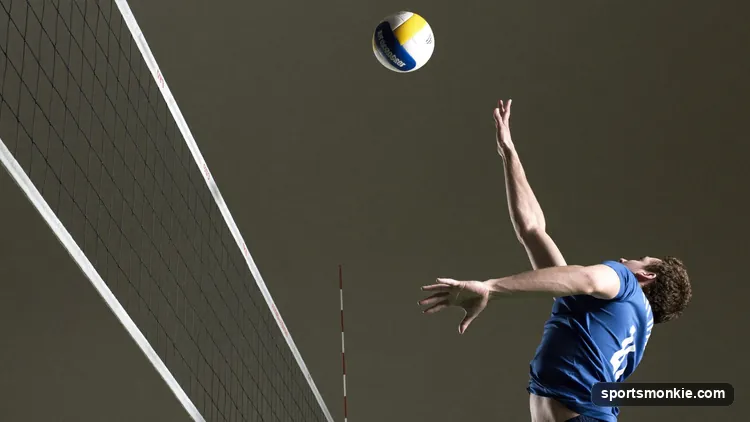
Opposite Hitter in Volleyball: Role, Skills & Top Players
The opposite hitter volleyball position attacks from the right side, blocks the outside hitter, and rarely passes serve receive. Full role breakdown.
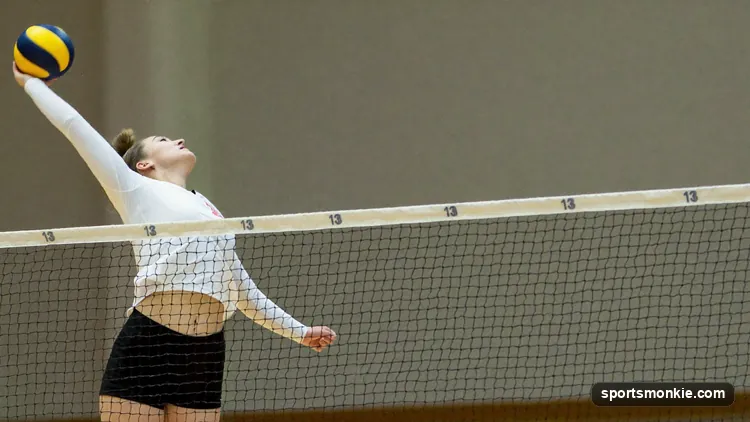
Outside Hitter in Volleyball: Role, Skills & Why They Lead in Kills
An outside hitter volleyball position attacks from zone 4, leads the team in kills, and also passes serve-receive — here's the full role explained.
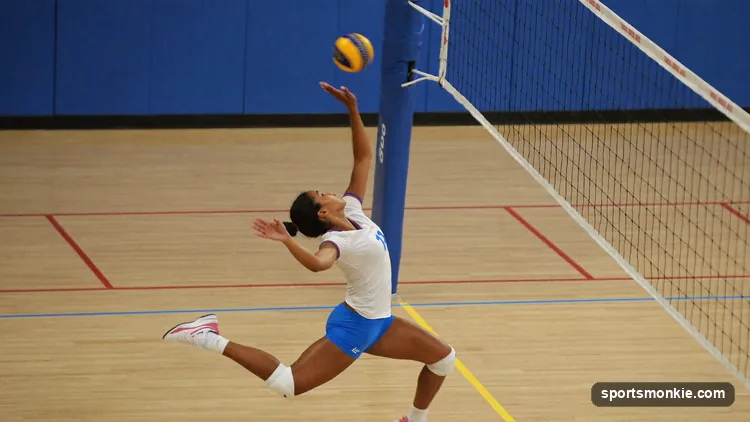
Setter in Volleyball: Role, Rules, Tempo & Best Setters Explained
The setter in volleyball takes the second touch and delivers the ball to a hitter, running the offense like a team's on-court quarterback.