
Motorsport: Explainers
Browse SportsMonkie's explainers about motorsport, organized in one crawlable topic hub.
22 articles in this topic.
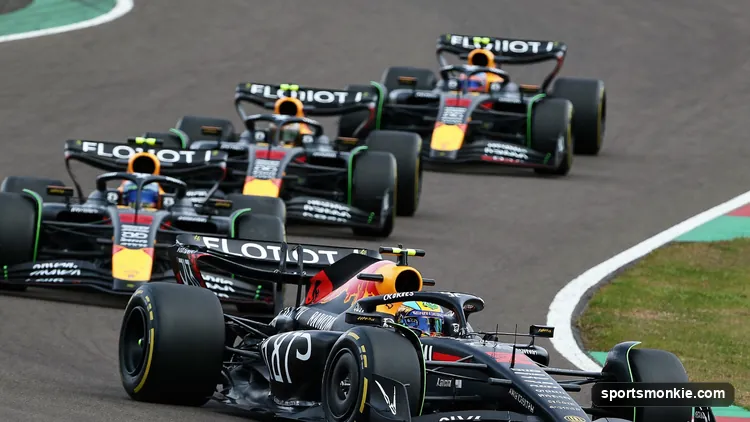
F1 Formation Lap Explained: Purpose, Rules and Aborted Starts
The formation lap is the single lap to the grid before an F1 race starts. Drivers warm tyres and brakes, hold position, and stop for the standing start.
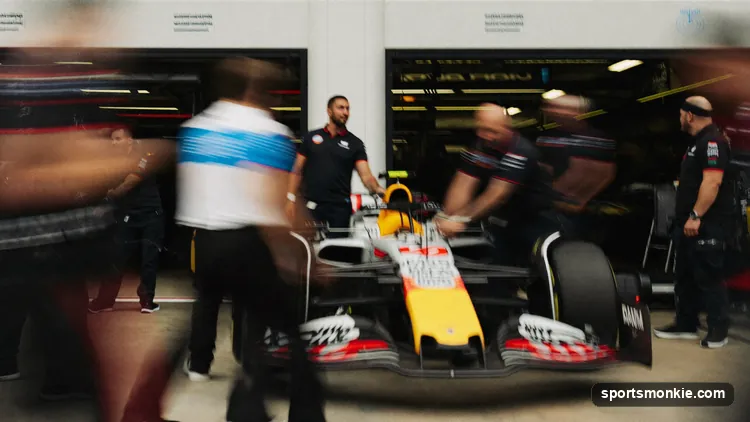
Fastest F1 Pit Stop Ever: The Full Leaderboard (1.80s Record)
McLaren's 1.80-second stop for Lando Norris at the 2023 Qatar GP is the fastest F1 pit stop ever, ratified by Guinness. See the full top-9 leaderboard.
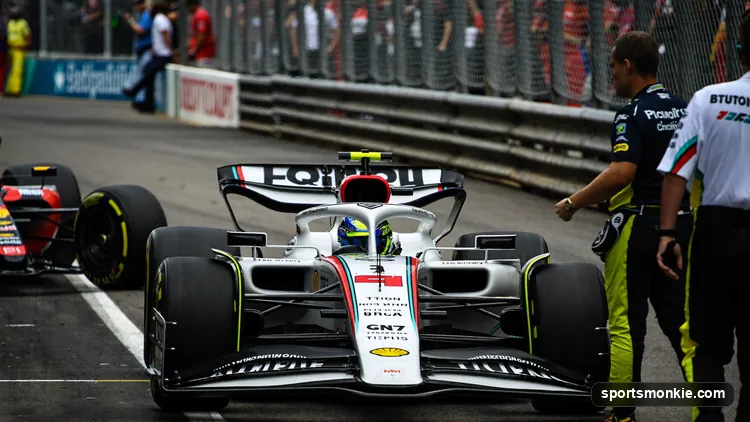
F1 Penalties Explained: Every Type and What It Costs
F1 penalties range from 5-second time penalties to drive-throughs, stop-gos, grid drops and superlicence points. Here's every type and when it's used.
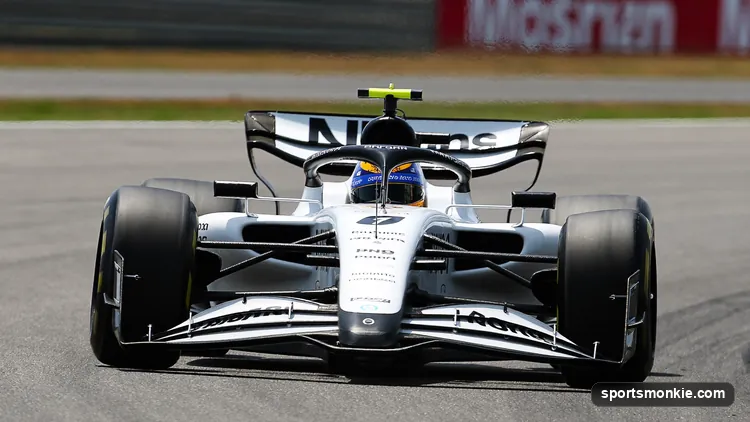
F1 Qualifying Format Explained: Q1, Q2 and Q3 Knockout
F1 qualifying is a three-part knockout — Q1 drops the slowest 5, Q2 drops 5 more, and Q3's 10 cars fight for pole. Here's how each session works.
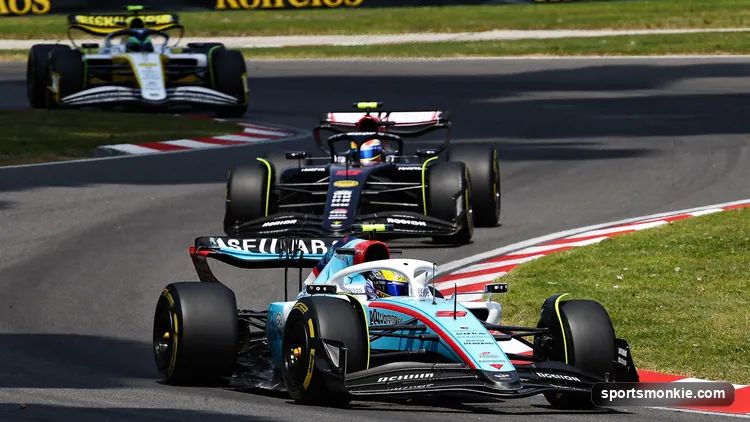
F1 Sprint Race Explained: Format, Length and Points
An F1 sprint is a short 100km Saturday race that awards points to the top 8. Learn the format, how it fits the weekend, and how it differs from the GP.
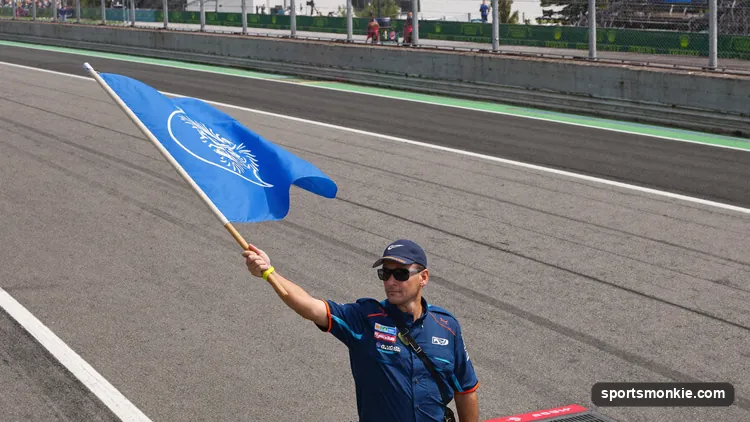
F1 Blue Flag Meaning: Get Out of the Way, Fast
A blue flag in F1 tells a slower, about-to-be-lapped driver to let a faster car past. Ignore it three times and you're penalised. Here's the full rule.
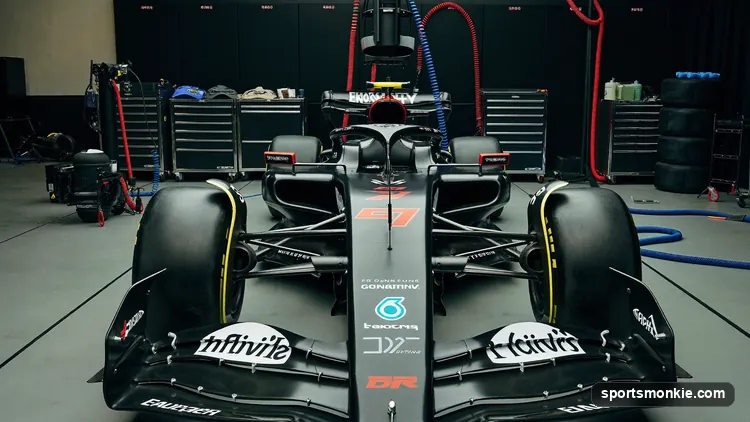
F1 Cost Cap Explained: The Budget Limit and What Counts
F1's cost cap limits team spending to roughly $135M a year, adjusted for inflation. Driver pay is excluded. Breach it and fines and testing cuts follow.
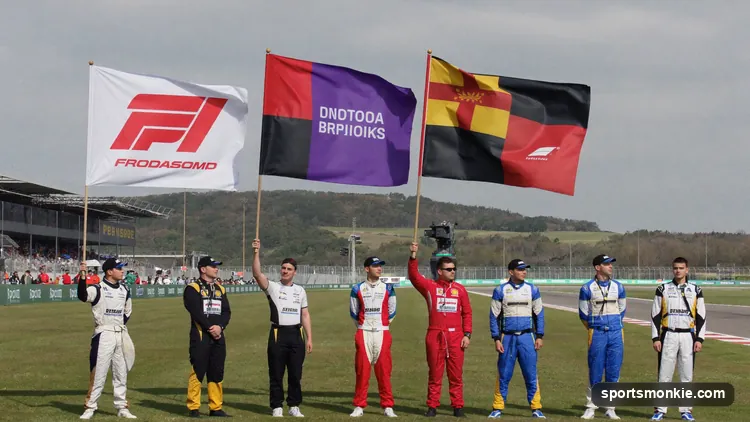
F1 Flags Explained: Every Racing Flag and What It Means
A full reference to every F1 flag — green, yellow, double yellow, red, blue, white, black, meatball, black-and-white, chequered and the striped flag.
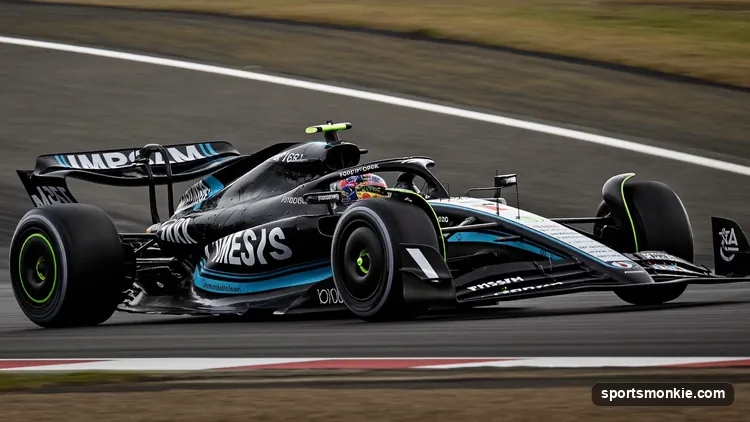
F1 Ground Effect Explained: The Floor That Sucks Cars Down
F1 ground effect uses the car's floor to create downforce, sucking it to the track. It returned in 2022 via venturi tunnels, and brought porpoising too.
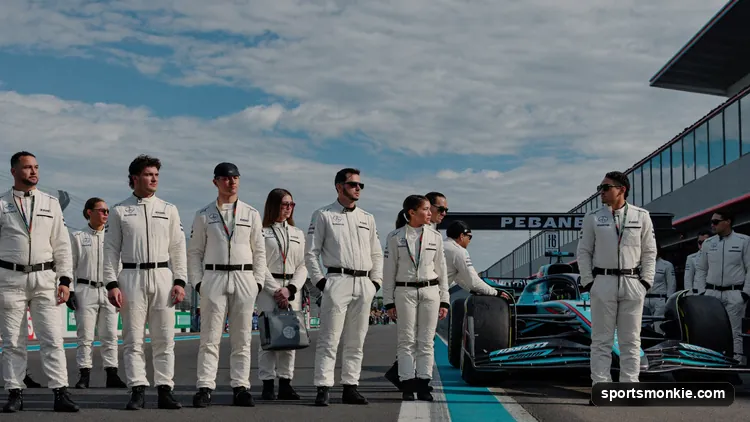
F1 Pit Crew Salary: What Mechanics Really Earn
F1 pit crew members are team mechanics who earn a reported £30,000-£100,000+ a year depending on role. Here's how the pay breaks down by job.
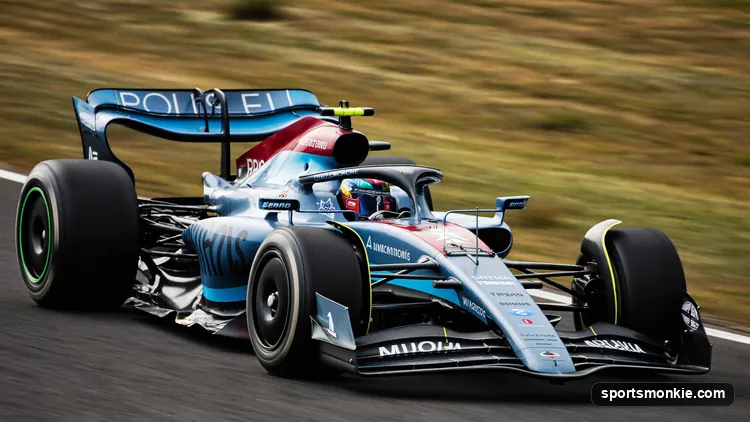
F1 Porpoising Explained: The 2022 Bouncing and How It Was Fixed
Porpoising is the violent vertical bouncing that hit F1's ground-effect cars in 2022. Here's the aerodynamics behind it and how teams and the FIA cured it.
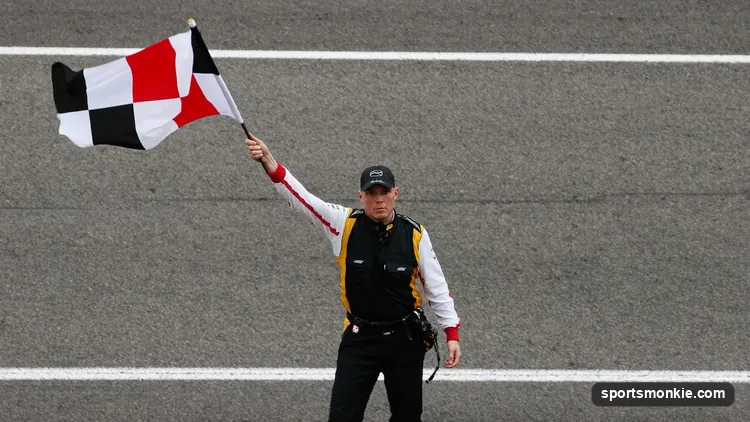
F1 Red Flag Explained: What It Means and How Restarts Work
A red flag stops an F1 session immediately. Cars slow to a delta and return to the pit lane, teams can work on them, and the race restarts from there.
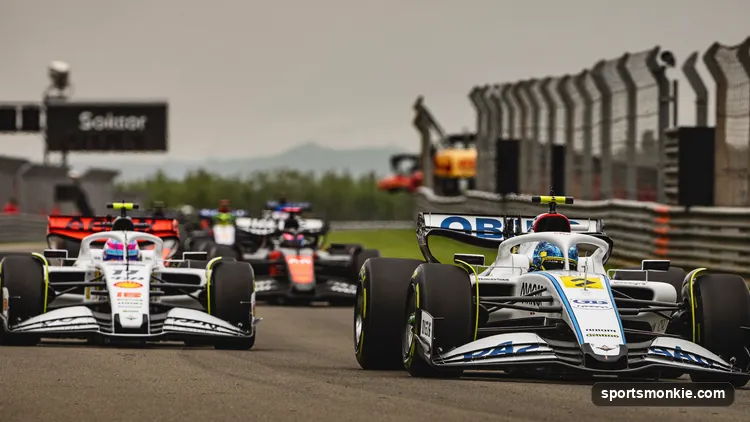
F1 Safety Car Explained: When It Comes Out and the Rules
The F1 safety car neutralises the race behind a real car when there's danger on track. Learn when it deploys, the rules, and how restarts work.
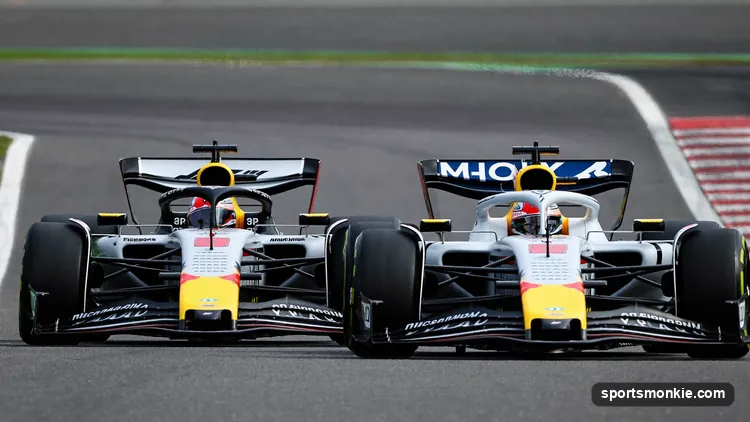
F1 Slipstream and Tow Explained: The Physics of Drafting
A slipstream, or tow, is the low-drag pocket of air behind an F1 car. Follow closely and you gain top speed on the straights — the base that DRS builds on.
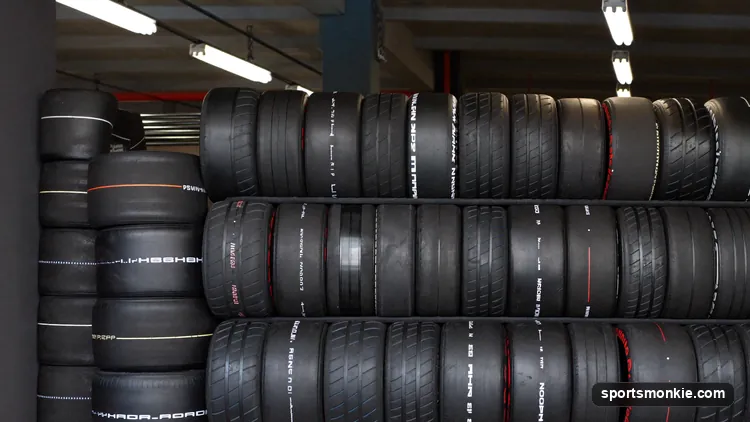
F1 Tyre Compounds Explained: Colours, C1–C5 and Strategy
F1 uses Pirelli slicks graded C1 (hardest) to C5 (softest), shown as white, yellow and red each weekend, plus green inters and blue wets. Here's how.
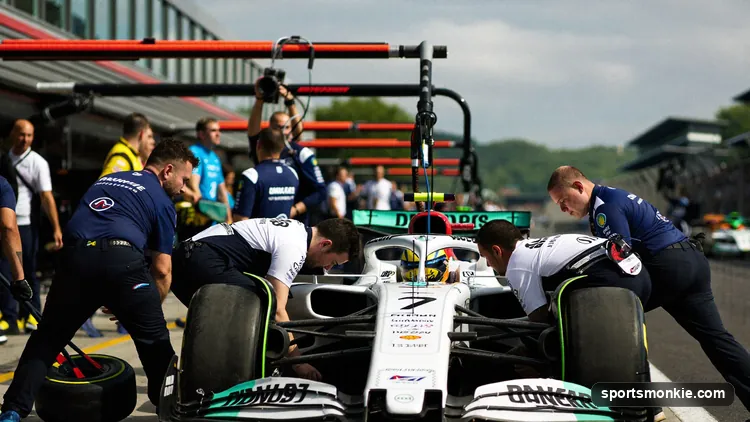
How F1 Pit Stops Work: The 20-Person, 2-Second Job
An F1 pit stop swaps all four tyres in around 2-3 seconds using a crew of about 20. Here's every role, why it's so fast, and what can go wrong.
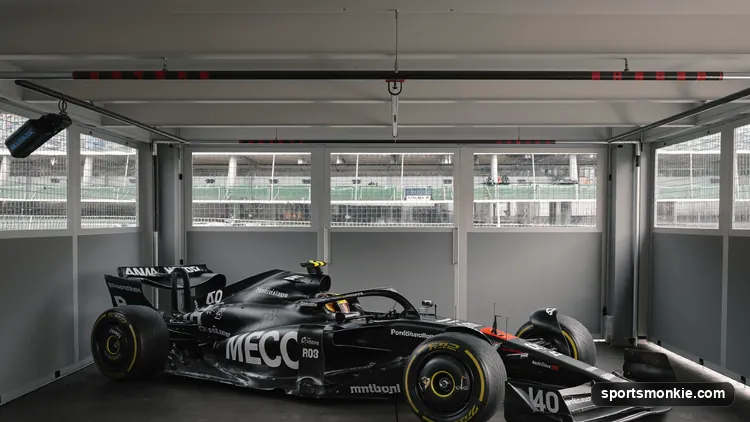
Parc Fermé in F1 Explained: The Rules That Lock a Car's Setup
Parc fermé is F1's restricted-work condition from the start of qualifying to the race. Change the setup and the car has to start from the pit lane.
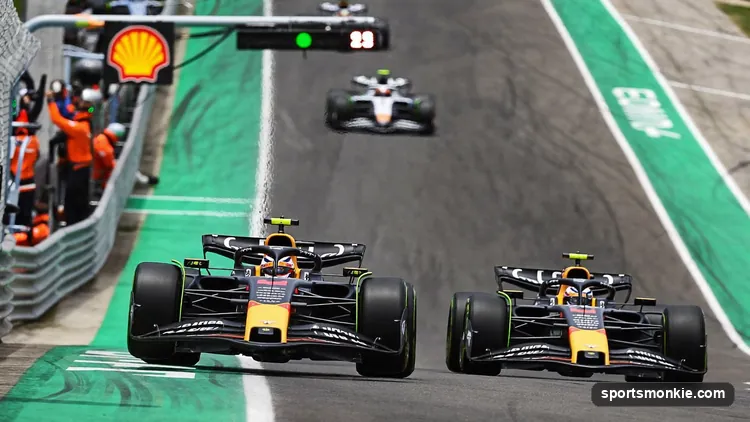
Undercut vs Overcut in F1: The Two Pit Strategies Explained
The undercut means pitting earlier to jump a rival on fresh tyres; the overcut means staying out longer to pass them. Here's exactly when each one wins.
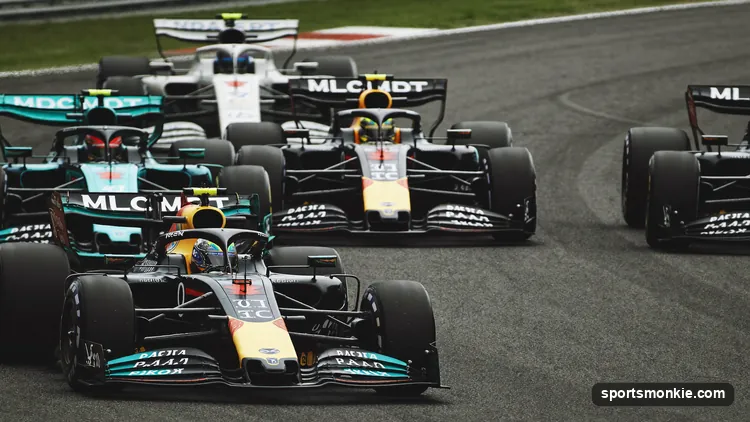
Virtual Safety Car vs Safety Car: The Key Differences
The safety car is a real car that bunches the F1 field; the virtual safety car uses a delta time and no car at all. Here's when each is used and why.
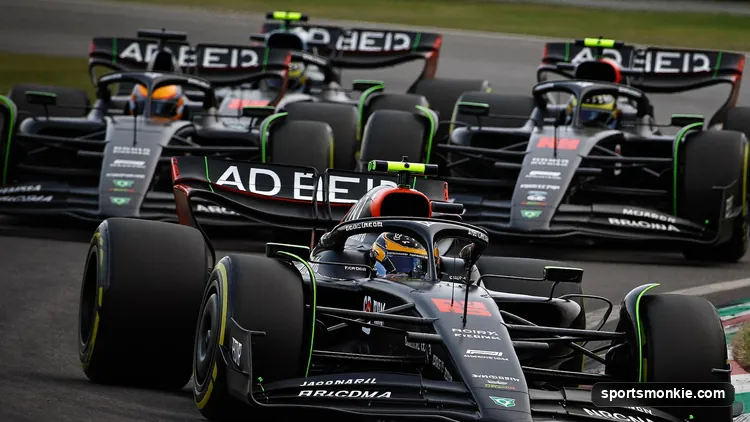
What Is a DRS Train in F1? Why a Queue Cancels the Advantage
A DRS train is a line of F1 cars each within one second of the next, so every car opens DRS at once and nobody gains — the passing aid neutralises itself.
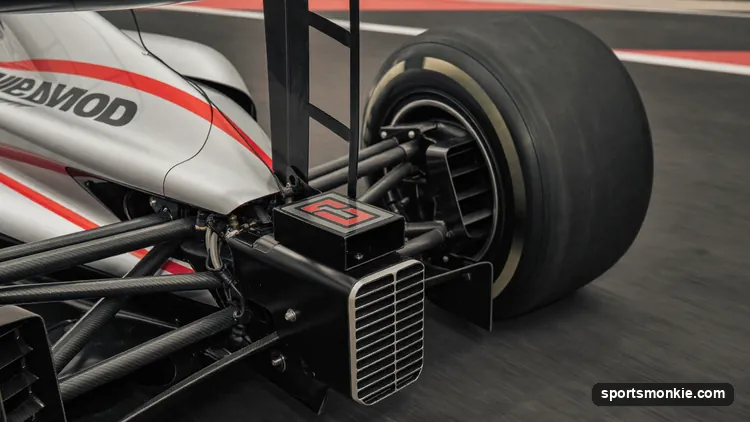
What Is ERS in F1? The Hybrid Boost, Explained
ERS is F1's Energy Recovery System: it harvests energy and gives about a 160hp electric boost. The MGU-H is dropped for 2026, tripling electric power.
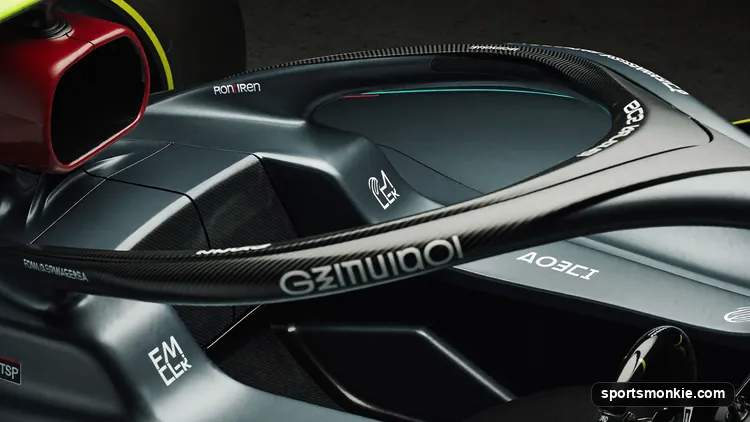
What Is the Halo in F1? The Titanium Bar That Saves Lives
The halo is a titanium ring above an F1 cockpit that protects the driver's head. Mandatory since 2018, it withstands about 15 times the car's weight.