
Undercut vs Overcut in F1: The Two Pit Strategies Explained
On this page5
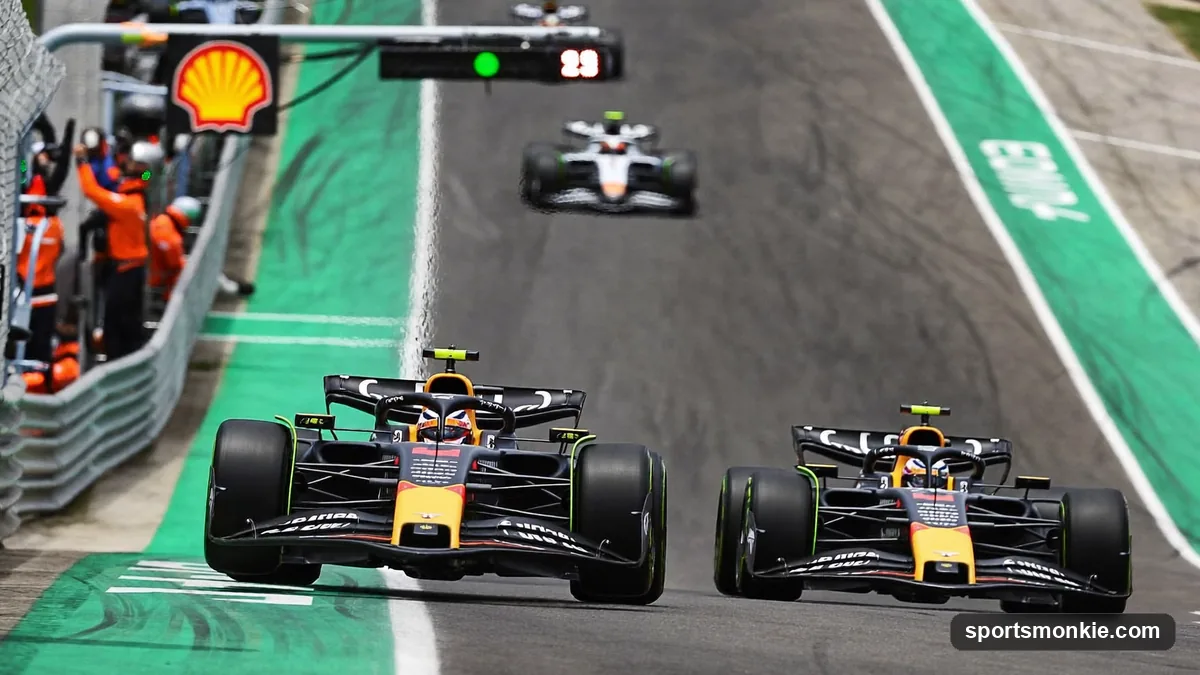
The undercut and the overcut are Formula 1’s two ways of passing a rival through the pit stops rather than on track. The undercut means pitting earlier and using fresh-tyre pace to jump the car ahead when they stop. The overcut means staying out longer, lapping fast in clear air while their new tyres struggle to warm up, then coming out in front. The undercut wins when fresh tyres are strong; the overcut wins when wear is low or warm-up is slow.
On a track where overtaking is hard, these two calls decide most of the positions — which is why strategists obsess over them.
The undercut: attack by pitting first
The undercut is the more famous of the two, and usually the more powerful. The logic runs like this: a fresh set of tyres can be worth a second or more per lap over worn ones. So a driver stuck behind a rival pits first, bolts on new rubber, and immediately starts lapping much faster. The rival, still on old tyres, cannot match that pace for the lap or two before they pit themselves. When they finally stop, they rejoin behind — beaten in the pit window rather than on track.
The critical moment is the out-lap. To make the undercut stick, the pitting driver has to get heat into the new tyres fast and nail a strong first lap out of the pit lane. A slow or scruffy out-lap wastes the advantage. The move also depends on a clean, quick stop — the kind of choreography we break down in how F1 pit stops work.
The overcut: attack by staying out
The overcut flips the plan. Instead of diving in first, the driver stays out after the rival has pitted. Two things now work in their favour: they are lapping in clear air with no dirty air hurting the car, and the rival’s brand-new tyres take time to reach working temperature, so the rival is actually slow for their first lap or two. The driver who stayed out banks that time on older-but-warm tyres, then pits and rejoins ahead.
The overcut is more situational. It leans on low tyre wear — so staying out doesn’t cost much — and on tyres that warm up slowly, which punishes the rival’s out-lap. It shows up most at cooler races and on smooth, low-degradation circuits.
When each one wins
Here is the decision in one place:
| Factor | Favours the undercut | Favours the overcut |
|---|---|---|
| Fresh-tyre pace advantage | Large | Small |
| Tyre degradation | High | Low |
| Tyre warm-up speed | Fast | Slow |
| Pit-lane time loss | Short | Long |
| Car ahead’s situation | On worn tyres / in traffic | Pits into traffic or cold track |
Read across the table and the pattern is clear: the undercut is a bet on fresh-tyre grip, the overcut is a bet on the rival’s cold out-lap and stable tyres. Get the read wrong — undercut into low degradation, or overcut when new tyres are flying — and you hand the place to the driver you were trying to pass.
Why the tyres decide everything
Both moves are really tyre gambles, which is why the choice of tyre compounds sits underneath every strategy call. A soft tyre that gives a huge initial burst but drops off fast makes the undercut lethal. A hard tyre that takes an age to switch on makes the overcut viable. Track temperature, abrasiveness and each car’s habit of chewing its rubber all feed into whether pitting now or later is quicker.
Strategists run live simulations throughout a race, constantly comparing “box this lap” against “stay out.” When the projected time saved from fresh tyres beats the pit-lane loss, they undercut. When holding position on stable tyres in clear air gains more, they overcut. It is one of the few overtaking tools that works even where the DRS train has frozen the on-track order.
The bottom line on undercut vs overcut
The undercut passes a rival by pitting earlier and using fresh-tyre pace; the overcut passes them by staying out longer while their new tyres struggle to warm up. The undercut is the stronger, more common weapon and thrives on high degradation and fast-warming tyres; the overcut is the situational counter for low-wear, slow-warm-up races. Both come down to reading the tyres better than the car you are racing.
To see the pit stop that makes an undercut possible, read how F1 pit stops work, and get the record for it in our fastest F1 pit stop breakdown.
Frequently asked questions
What is an undercut in F1?+
An undercut is when a driver pits before the car ahead, fits fresh tyres, and uses their extra grip to set much faster laps. When the rival finally pits a lap or two later, they rejoin behind, because the undercutting driver banked enough time on new rubber to leapfrog them. It is the most common pit-stop overtake in modern F1.
What is an overcut in F1?+
An overcut is the opposite: a driver stays out longer than the car ahead after their rival has pitted. Running in clear air on older but warmed-up tyres, they lap quickly while the rival's fresh tyres take time to reach temperature. Time their own stop well and they emerge in front. It works best when tyre wear is low and new tyres warm up slowly.
When does the undercut work best?+
The undercut works when fresh tyres offer a big immediate pace advantage, when the pit lane is short so stopping costs little time, and when the car ahead is in traffic or on worn tyres. It is strongest on tracks where new rubber gives a clear grip jump and where the out-lap can be pushed hard without the tyres overheating.
When does the overcut work best?+
The overcut works when tyre degradation is low, so staying out on older tyres costs little pace, and when fresh tyres are slow to warm up, so the rival loses time on their out-lap. It also works when the car ahead pits into traffic or a cold section of track. Overcuts are more common at cooler races and on smooth, low-wear circuits.
Is the undercut or the overcut more powerful in F1?+
The undercut is generally the stronger and more common weapon, because fresh-tyre pace is usually a bigger gain than the wear you save by staying out. The overcut is more situational, relied on when the undercut is blunted — for instance when new tyres warm up slowly or degradation is very low. Teams model both live during a race.
How do teams decide between an undercut and an overcut?+
Teams weigh tyre degradation, how quickly fresh tyres warm up, the time lost in the pit lane, and whether the target car will rejoin in traffic. Strategists run live simulations comparing pitting now versus later. If fresh-tyre pace outweighs the pit-lane time loss, they undercut; if staying out on stable tyres gains more, they overcut.
Sources
Play & tools
Free browser games and tools — no account, no download.
- Play 24-0 — Draft an F1 chassis and two drivers, then chase a perfect 24-0 — win every race on the 24-round calendar.
- Explore all our games →
Related motorsport guides
View all →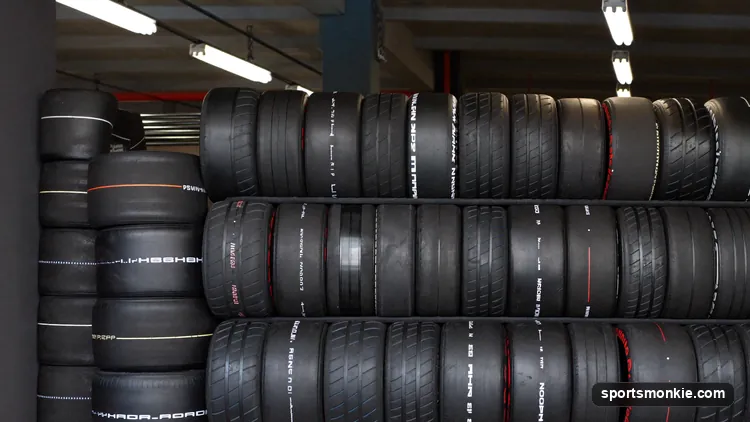
F1 Tyre Compounds Explained: Colours, C1–C5 and Strategy
F1 uses Pirelli slicks graded C1 (hardest) to C5 (softest), shown as white, yellow and red each weekend, plus green inters and blue wets. Here's how.
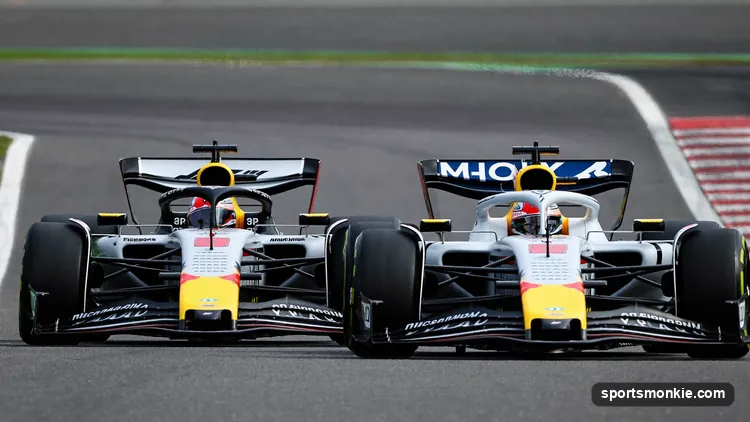
F1 Slipstream and Tow Explained: The Physics of Drafting
A slipstream, or tow, is the low-drag pocket of air behind an F1 car. Follow closely and you gain top speed on the straights — the base that DRS builds on.
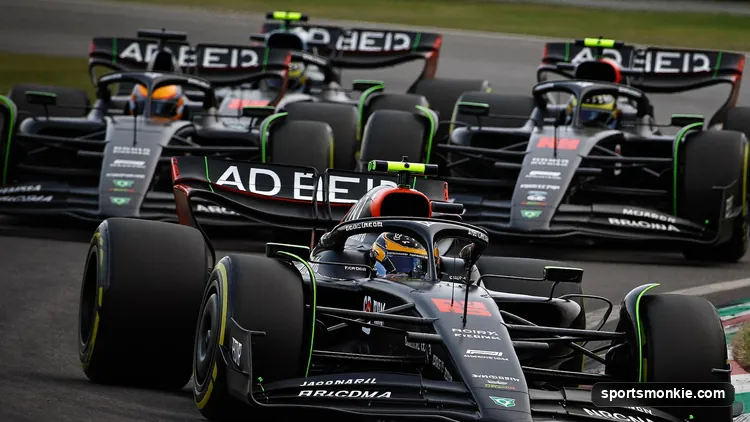
What Is a DRS Train in F1? Why a Queue Cancels the Advantage
A DRS train is a line of F1 cars each within one second of the next, so every car opens DRS at once and nobody gains — the passing aid neutralises itself.
What Is Dirty Air in F1? Why It Kills Overtaking
Dirty air in F1 is the turbulent wake behind a car that robs the following car of downforce, making it slide and struggle to follow closely or overtake.
What Is DRS in F1? Drag Reduction System Explained
DRS opened a flap in an F1 rear wing to cut drag and aid overtakes. It was dropped for 2026, replaced by active aero and Override Mode. See how it works.
F1 Pit Crew Salary: What Mechanics Really Earn
F1 pit crew members are team mechanics who earn a reported £30,000-£100,000+ a year depending on role. Here's how the pay breaks down by job.