
What Is Dirty Air in F1? Why It Kills Overtaking
On this page5
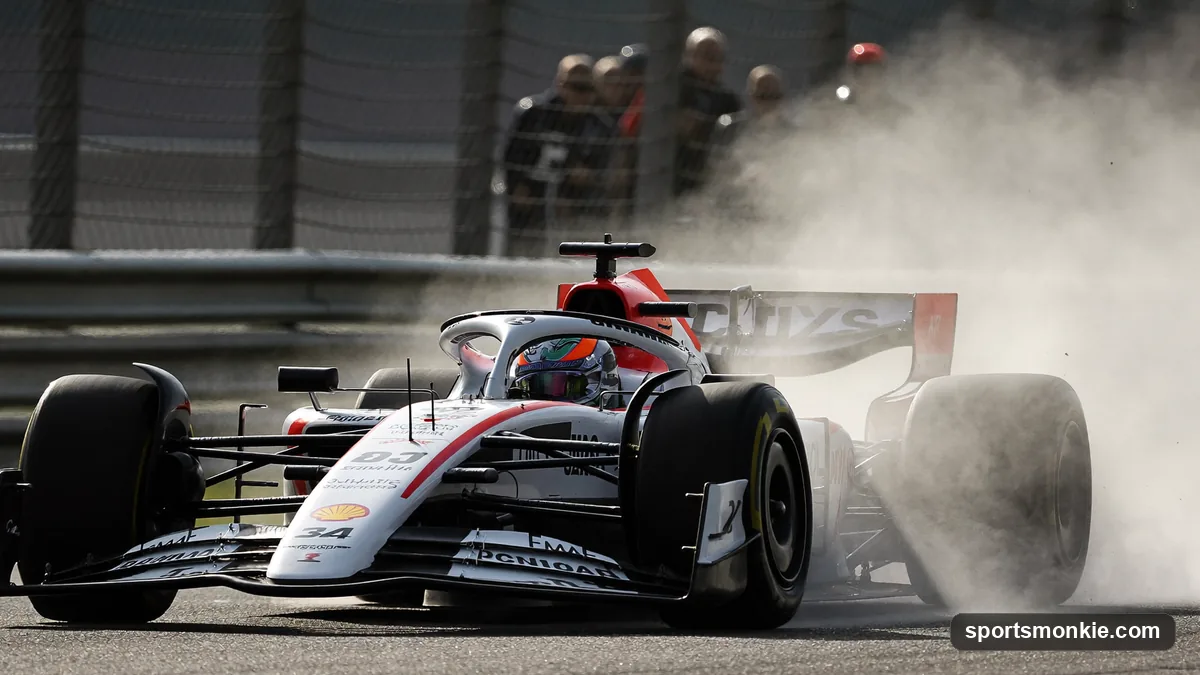
Dirty air in Formula 1 is the turbulent wake that trails behind a car and robs the car following it of downforce. Drive into it and the wings and floor work less efficiently, the tyres slide and overheat, and cornering closely — let alone overtaking — becomes far harder. The 2022 ground-effect rules were written specifically to reduce it.
How dirty air forms and hurts
An F1 car generates grip by managing airflow over its wings and under its floor. As that air passes the car it is churned into a turbulent, low-energy wake. A following car driving into this wake can’t feed clean air to its own aero surfaces, so it loses downforce, the tyres start to slide, and the driver simply can’t carry the same speed through a corner as the car in front.
Why it strangles overtaking
Passing usually requires following closely through the corner before a straight, so the chasing car is near enough to attack. Dirty air removes grip exactly there.
| In clean air | In dirty air |
|---|---|
| Full downforce, stable car | Reduced downforce, sliding car |
| Tyres in their window | Tyres overheating |
| Can follow closely | Falls back before the straight |
That gap is why the DRS system exists — it is a straight-line tool to help a car recover ground it lost in the corners.
The 2022 fix: ground effect
The 2022 regulations moved much of the car’s downforce to the underfloor using ground effect, and reshaped the wings to send the wake upward, away from the following car. The result was cars that could follow more closely and race harder — an improvement, though dirty air was reduced rather than removed.
Dirty air vs. the slipstream
Dirty air is often confused with the slipstream and tow, but they are opposites. The slipstream is the low-drag pocket directly behind a car on a straight that helps the follower go faster; dirty air is the turbulence that hurts it in the corners. A driver hunting a pole-sitter wants the slipstream’s help on the straight without spending too long trapped in dirty air through the turns.
What it means for racing
Dirty air is the invisible force behind so much of modern F1 strategy: undercuts, tyre management, and the value of clear track. Understanding it explains why a faster car can sit stuck behind a slower one for laps. For more on how the cars and races work, browse our motorsport guides.
Frequently asked questions
What does dirty air do to an F1 car?+
Dirty air disrupts the smooth airflow an F1 car needs to generate downforce. In a leading car's wake, the following car's front wing, floor and rear wing all work less efficiently, so it produces less grip. The driver feels the car understeer and slide, the tyres overheat, and lap time drops — which is why a chasing car often can't stay close through fast corners.
Why does dirty air make overtaking hard in F1?+
To overtake, a car usually has to follow closely through the corner before a straight to be within striking range. Dirty air robs it of grip exactly there, so it falls back before it can attack. This is the core reason modern F1 cars, which rely heavily on aerodynamic downforce, have historically struggled to race wheel to wheel without help from tools like DRS.
How did the 2022 rules reduce dirty air?+
The 2022 regulations shifted downforce generation toward the car's underfloor using 'ground effect,' and reshaped the wings to throw the wake upward and away from the following car. The goal was to let a chasing car keep more of its own downforce when running close behind. It improved following noticeably, though dirty air was reduced, not eliminated. See our explainer on F1 ground effect for the detail.
What is the difference between dirty air and a slipstream?+
They are related but opposite in effect. A slipstream is the low-drag 'tow' directly behind a car on a straight, which helps the following car go faster and set up an overtake. Dirty air is the turbulence that hurts the following car in the corners by removing downforce. One helps on the straights, the other hurts in the turns — see our guide to the slipstream and tow.
Does DRS exist because of dirty air?+
Largely, yes. The Drag Reduction System was introduced to counter the difficulty of overtaking caused in part by dirty air. By opening a flap on the rear wing in designated zones, DRS cuts drag and boosts straight-line speed, helping a car that lost ground in the corners close back up and pass. It is a workaround for an aerodynamic problem rather than a cure.
Can dirty air damage the tyres or engine?+
Dirty air itself doesn't damage components, but the sliding it causes makes the tyres overheat and degrade faster, and running nose-to-tail can raise engine and brake temperatures because there is less clean, cool air reaching the radiators. Teams monitor this closely, and a driver stuck in dirty air for many laps often has to back off to protect tyres and cooling.
Sources
Play & tools
Free browser games and tools — no account, no download.
- Play 24-0 — Draft an F1 chassis and two drivers, then chase a perfect 24-0 — win every race on the 24-round calendar.
- Explore all our games →
Related motorsport guides
View all →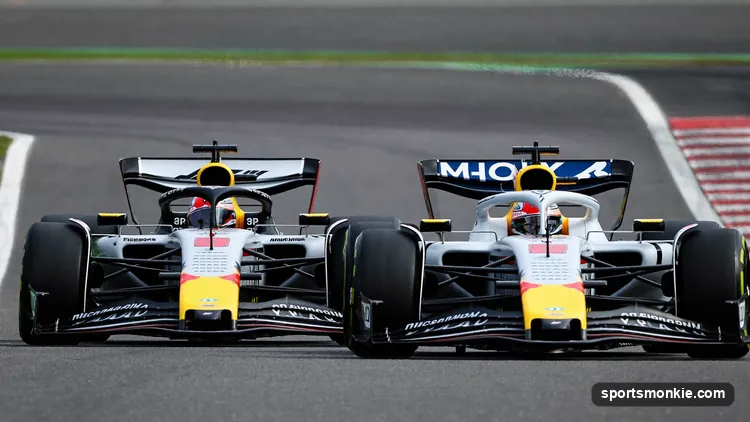
F1 Slipstream and Tow Explained: The Physics of Drafting
A slipstream, or tow, is the low-drag pocket of air behind an F1 car. Follow closely and you gain top speed on the straights — the base that DRS builds on.
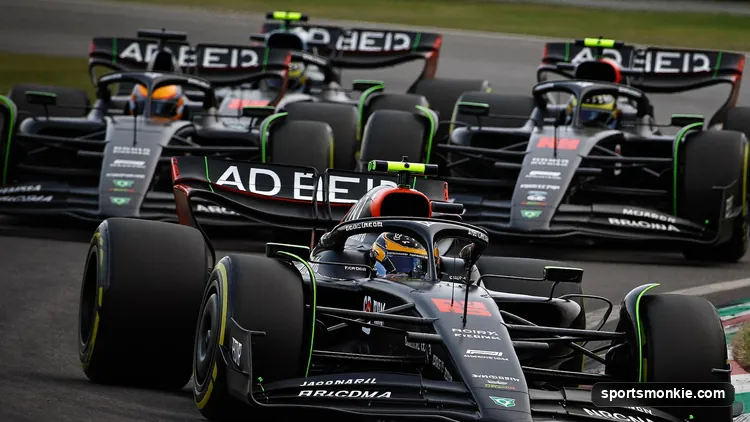
What Is a DRS Train in F1? Why a Queue Cancels the Advantage
A DRS train is a line of F1 cars each within one second of the next, so every car opens DRS at once and nobody gains — the passing aid neutralises itself.
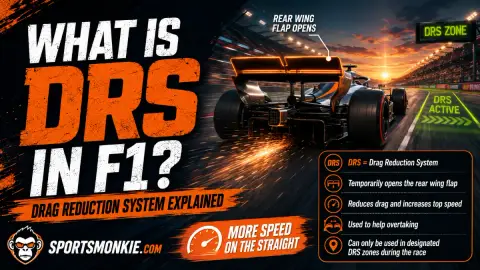
What Is DRS in F1? Drag Reduction System Explained
DRS opened a flap in an F1 rear wing to cut drag and aid overtakes. It was dropped for 2026, replaced by active aero and Override Mode. See how it works.
What Is a Drive-Through Penalty in F1?
A drive-through penalty in F1 makes a driver drive through the pit lane at the speed limit without stopping, losing around 20 seconds but staying in the race.
What Is a DNF in F1? Did Not Finish, Explained
A DNF in F1 means 'Did Not Finish' — a driver who retires from a race through a crash, mechanical failure or other issue and is not classified in the results.
What Is Pole Position in F1? How It's Decided
Pole position in F1 is first place on the starting grid, earned by setting the fastest lap in qualifying. It gives the cleanest line into turn one and a big advantage.