
What Is a Restrictor Plate in NASCAR?
On this page5
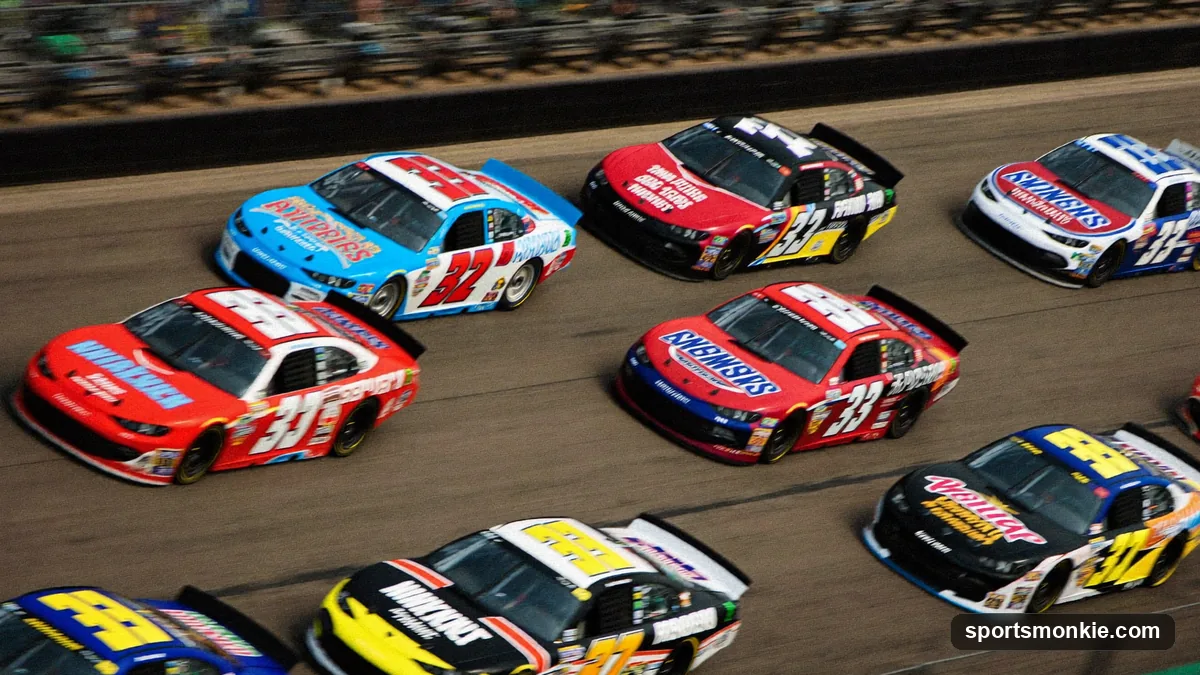
A restrictor plate limits the air and fuel reaching a NASCAR engine to cap horsepower and speed at the sport’s fastest tracks — the superspeedways at Daytona and Talladega. By slowing the cars it prevents dangerous speeds and bunches the field into tight “pack racing.” NASCAR now uses a “tapered spacer” for the same effect, but the term restrictor plate has stuck.
What it does
The plate is a thin piece of metal with holes that choke the airflow into the engine, cutting horsepower. Less power means lower top speed. At tracks where unrestricted cars would exceed 220 mph, that reduction keeps speeds in a safer range — and, as a side effect, keeps the whole field close together.
Where it’s used and why
| Track | Why restricted |
|---|---|
| Daytona International Speedway | Long, high-banked; huge speeds |
| Talladega Superspeedway | The fastest oval in NASCAR |
NASCAR mandated the plates after Bobby Allison’s car went airborne at Talladega in 1987. Cutting horsepower brought speeds down and reduced the risk of cars lifting off the track.
Pack racing and “the big one”
Because every car has similar limited power, none can pull away, so the field runs in a tight pack. That makes for thrilling, side-by-side finishes — but also “the big one,” a multi-car wreck that can collect half the field, since there’s nowhere to escape when trouble starts.
Restrictor plate vs. tapered spacer
Today NASCAR uses a tapered spacer rather than a true plate, but it does the same job: reduce airflow, reduce power, reduce speed. Fans still call these “restrictor-plate races” because the racing at Daytona and Talladega feels exactly the same.
How it shapes the race
With power equalized, drafting and cooperation decide the outcome, and the win often comes on the final lap. Track position and avoiding wrecks matter more than horsepower — a discipline all its own, ending under NASCAR’s green-white-checkered overtime if a late caution appears. For more, see our motorsport guides.
Frequently asked questions
What does a restrictor plate do in NASCAR?+
A restrictor plate is a thin metal plate with holes that limits the amount of air and fuel flowing into the engine, which reduces horsepower. Less power means lower top speeds. NASCAR uses it at its biggest, fastest tracks to keep cars from reaching speeds where they could lift off the ground, and the reduced power packs the field tightly together.
Which tracks use a restrictor plate?+
The restrictor plate — or its modern equivalent, the tapered spacer — is used at NASCAR's superspeedways: Daytona International Speedway and Talladega Superspeedway. These are the longest, highest-banked ovals, where unrestricted cars would top 220 mph. Limiting power keeps speeds in a safer range and produces the bunched-up racing those tracks are famous for.
Why did NASCAR introduce restrictor plates?+
NASCAR mandated restrictor plates at Daytona and Talladega after a 1987 crash in which Bobby Allison's car went airborne toward the grandstands at Talladega. Capping horsepower brought top speeds down from the 210-plus mph range and reduced the risk of cars becoming airborne. Safety, not competition, was the original driver of the rule.
What is pack racing?+
Pack racing is what the restrictor plate creates: because every car has similar, limited power, they cannot break away from one another, so the whole field runs nose-to-tail and side-by-side in a large 'pack.' It produces dramatic, close finishes but also 'the big one' — multi-car wrecks that can collect much of the field at once, since there is nowhere to go when trouble starts.
Is it still called a restrictor plate?+
Fans and media still call these events 'restrictor-plate races,' but NASCAR now uses a tapered spacer rather than a true restrictor plate to limit airflow. The spacer achieves the same result — reduced horsepower and speed — through a different design. The old name stuck because the racing it produces at Daytona and Talladega is unchanged in character.
How does the restrictor plate affect strategy?+
With power equalized, aerodynamics and cooperation matter more than raw speed, so [drafting](/what-is-drafting-in-nascar/) becomes essential — cars work together to go faster, and the winning move often comes on the last lap. Track position, fuel strategy, and avoiding wrecks outweigh horsepower. It is a very different discipline from the horsepower-driven racing at other tracks.
Do restrictor plates make racing safer?+
They lower top speeds and reduce the chance of cars going airborne, which was their purpose. But by bunching the field, they also make large multi-car crashes more likely, so the safety benefit is a trade-off. NASCAR has paired the reduced power with other safety measures — better barriers, aero flaps, and stronger cars — to manage the risks of superspeedway pack racing.
Sources
Play & tools
Free browser games and tools — no account, no download.
- Play 24-0 — Draft an F1 chassis and two drivers, then chase a perfect 24-0 — win every race on the 24-round calendar.
- Explore all our games →
Related motorsport guides
View all →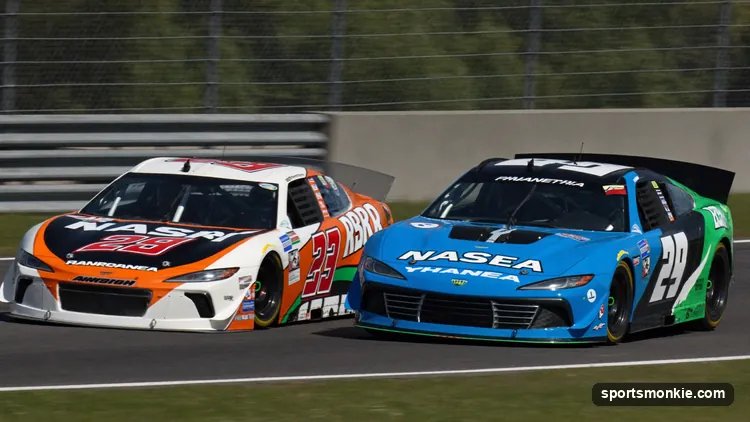
What Is Drafting in NASCAR?
Drafting is when NASCAR cars run nose-to-tail to cut aerodynamic drag, letting them go faster together than alone — the key to passing at superspeedways.
NASCAR Stage Racing Explained: Stages & Stage Points
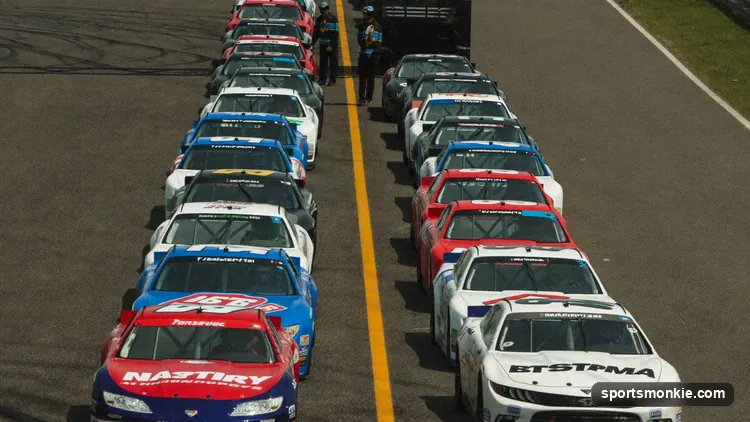
NASCAR splits each race into three stages. The top finishers in each stage earn stage points, and a caution flies at each stage break to reset the field.
NASCAR Cup vs Xfinity vs Truck: The 3 Series
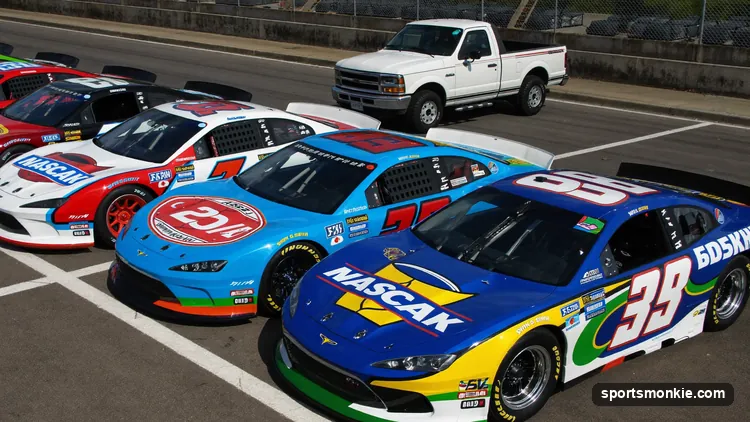
NASCAR's three national series are the Cup Series (top tier), the Xfinity Series (second), and the Craftsman Truck Series. See how the cars, races and drivers differ.
What Is a Green-White-Checkered Finish in NASCAR?
A green-white-checkered finish is NASCAR overtime: if a late caution appears, the race is extended so it ends under green over a two-lap dash to the checkered flag.
What Is the Lucky Dog in NASCAR? (Free Pass)
The lucky dog, or free pass, gives the first car one lap down its lap back when a caution comes out — a chance to rejoin the lead lap and keep racing for the win.
How Do NASCAR Playoffs Work?
NASCAR's playoffs feature 16 drivers in a 10-race, four-round elimination format that ends with a winner-take-all Championship 4 finale. Explained simply.