
NASCAR Cup vs Xfinity vs Truck: The 3 Series
On this page5
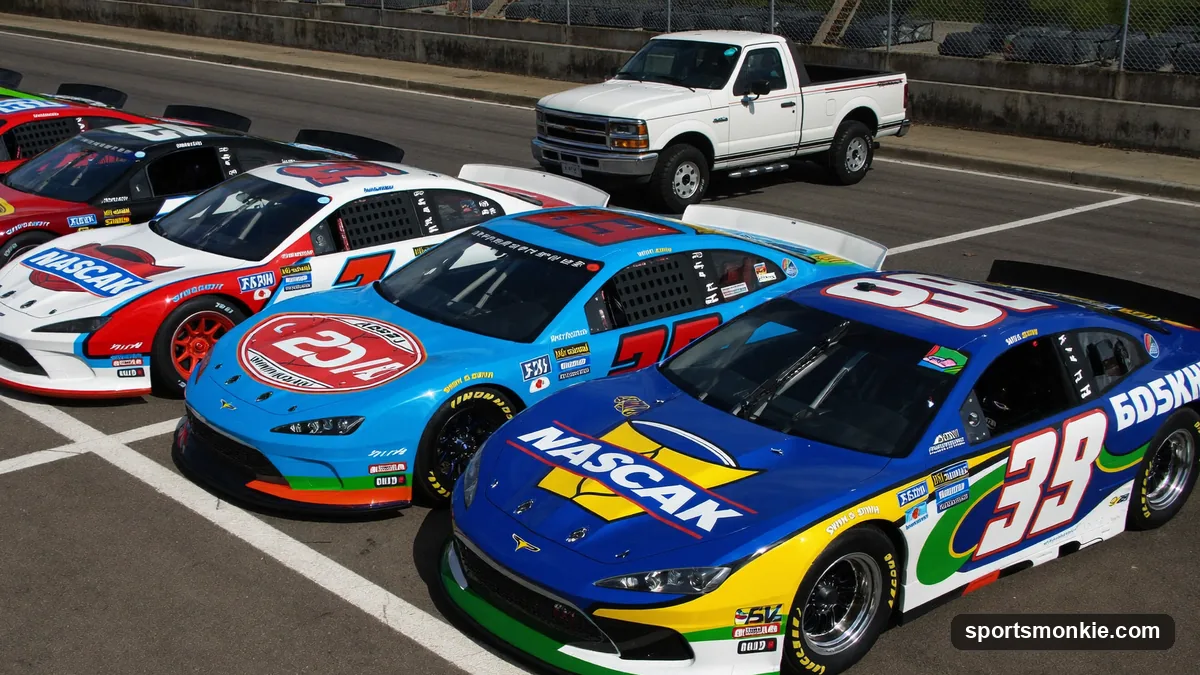
NASCAR runs three national series: the Cup Series (top tier — best drivers, most powerful cars, longest races), the Xfinity Series (second tier — a proving ground with slightly less powerful cars and shorter races), and the Craftsman Truck Series (third tier — pickup-truck-bodied vehicles over the shortest distances). Together they form a ladder to the top.
The three series at a glance
| Series | Tier | Cars | Races |
|---|---|---|---|
| Cup Series | Top | Most powerful | Longest |
| Xfinity Series | Second | Less power than Cup | Shorter |
| Craftsman Truck Series | Third | Pickup-truck bodies | Shortest |
Cup Series: the top level
The Cup Series is stock-car racing’s major leagues — the biggest stars, best-funded teams, marquee events like the Daytona 500, and the most powerful cars. Its championship, decided through the NASCAR playoffs, is the sport’s highest prize.
Xfinity Series: the proving ground
The second tier is where young drivers develop before reaching Cup. The cars resemble Cup cars with less horsepower over shorter races. Many Cup champions came up through Xfinity.
Craftsman Truck Series: the entry point
The third series races pickup-truck-bodied vehicles over the shortest distances. The different bodies change how the trucks handle, and it is often where drivers get their first national-series starts, producing aggressive, close racing.
A shared ladder
The three series often share a race weekend at the same track and use the same rules — stage racing, the green-white-checkered finish, and superspeedway drafting. Drivers climb from Trucks to Xfinity to Cup as they progress. For more, see our motorsport guides.
Frequently asked questions
What is the difference between NASCAR Cup, Xfinity and Truck?+
They are NASCAR's three national series in descending order of prestige: the Cup Series is the premier level with the top drivers and most powerful cars over the longest races; the Xfinity Series is the second tier with slightly lower-powered cars and shorter races; and the Craftsman Truck Series is the third tier, racing modified pickup trucks over the shortest distances. Together they form NASCAR's development ladder.
Which NASCAR series is the top level?+
The NASCAR Cup Series is the top level — the equivalent of the major leagues. It features the sport's best-known drivers, the largest and best-funded teams, the biggest events like the Daytona 500, and the most powerful cars. Winning the Cup Series championship, decided through the [NASCAR playoffs](/how-do-nascar-playoffs-work/), is the highest achievement in stock-car racing.
What is the NASCAR Xfinity Series?+
The Xfinity Series is NASCAR's second-tier national series, a proving ground where young drivers develop and established drivers sometimes make one-off starts. The cars are similar in look to Cup cars but with less horsepower and shorter races. Many Cup stars came up through Xfinity, making it a key rung on the ladder to the top level.
What is the Craftsman Truck Series?+
The Craftsman Truck Series is NASCAR's third national series, racing vehicles built with pickup-truck bodies rather than car bodies. The races are the shortest of the three series, and the trucks handle differently because of their size and aerodynamics. It is often where drivers get their first national-series experience, and it produces close, aggressive racing.
Do the three NASCAR series race at the same tracks?+
Often, yes. NASCAR frequently schedules the three series on the same race weekend at a track — a Truck race one day, an Xfinity race the next, and the Cup race on Sunday. This lets fans see all three levels at one venue and gives up-and-coming drivers a chance to race the same circuit as the Cup stars, though the series run separate events and championships.
Can a driver race in more than one NASCAR series?+
Yes, though NASCAR limits how often full-time Cup drivers can compete in the lower series to protect their development purpose. Cup drivers sometimes 'move down' for select Xfinity or Truck races, and lower-series regulars move up as their careers progress. The ladder is designed so drivers climb from Trucks to Xfinity to Cup, gaining experience at each level.
How do the cars differ between the series?+
Cup cars are the most powerful and technologically advanced. Xfinity cars are similar in body style but produce less horsepower and are a step down in performance. Truck Series vehicles use pickup-truck bodies, which changes their aerodynamics and handling. All three still race on the same variety of ovals and road courses and use similar rules like [stage racing](/nascar-stage-racing-explained/) and the [green-white-checkered](/what-is-a-green-white-checkered-finish/) finish.
Sources
Play & tools
Free browser games and tools — no account, no download.
- Play 24-0 — Draft an F1 chassis and two drivers, then chase a perfect 24-0 — win every race on the 24-round calendar.
- Explore all our games →
Related motorsport guides
View all →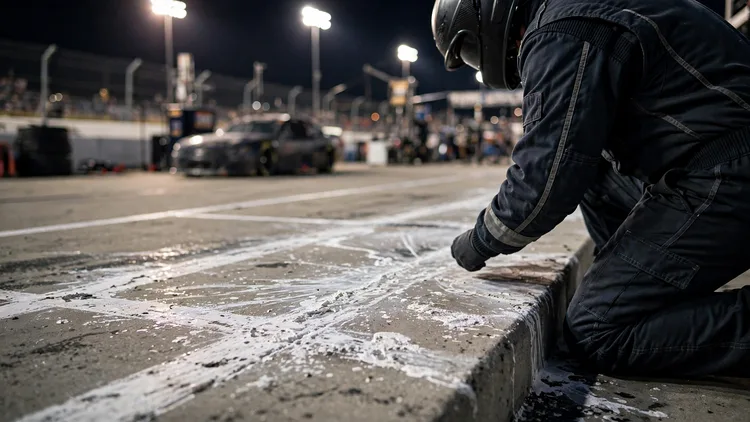
NASCAR Warns Teams After Pit-Stall Spray Left White Residue Over the Lines at Las Vegas
NASCAR has warned Cup teams about pit-stall traction spray after a white residue at Las Vegas threatened the lines its penalty equipment reads.
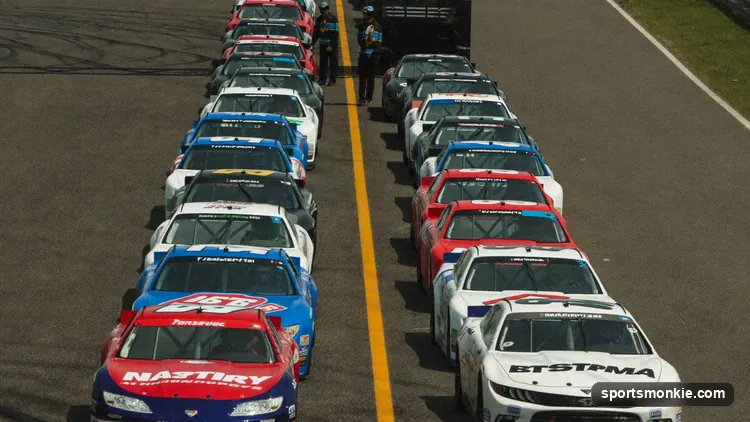
NASCAR Stage Racing Explained: Stages & Stage Points
NASCAR splits each race into three stages. The top finishers in each stage earn stage points, and a caution flies at each stage break to reset the field.
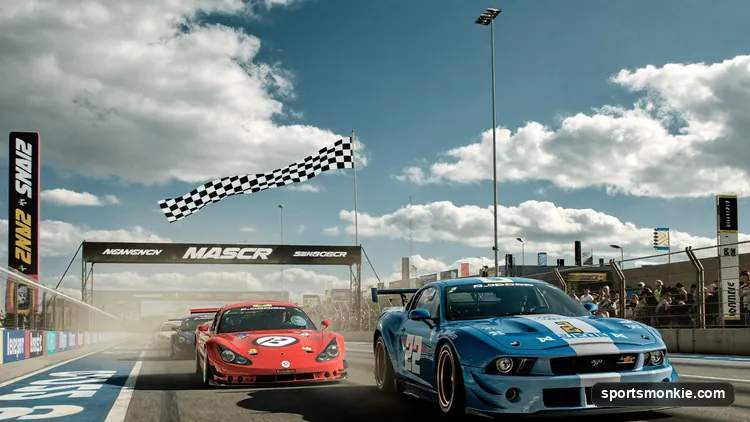
What Is a Green-White-Checkered Finish in NASCAR?
A green-white-checkered finish is NASCAR overtime: if a late caution appears, the race is extended so it ends under green over a two-lap dash to the checkered flag.
What Is the Lucky Dog in NASCAR? (Free Pass)
The lucky dog, or free pass, gives the first car one lap down its lap back when a caution comes out — a chance to rejoin the lead lap and keep racing for the win.
What Is a Restrictor Plate in NASCAR?
A restrictor plate limits airflow to a NASCAR engine to cap horsepower and speed at superspeedways like Daytona and Talladega, creating tight 'pack racing'.
What Is Drafting in NASCAR?
Drafting is when NASCAR cars run nose-to-tail to cut aerodynamic drag, letting them go faster together than alone — the key to passing at superspeedways.