
What Is Drafting in NASCAR?
On this page5
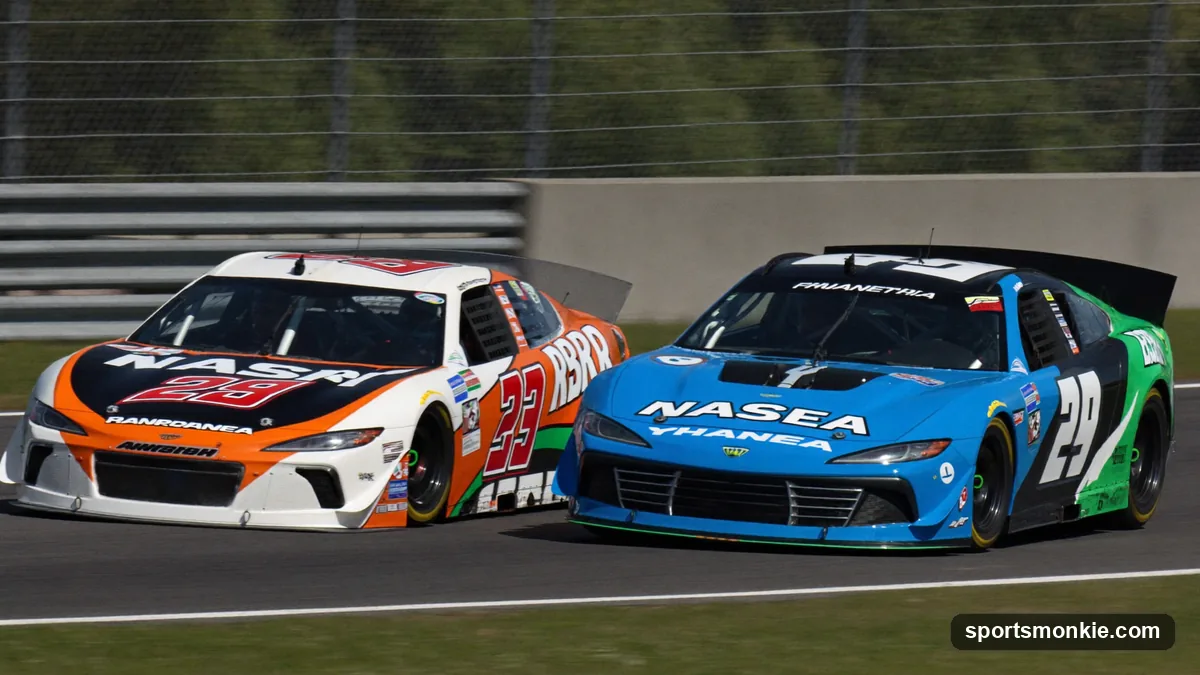
Drafting is when NASCAR cars run closely nose-to-tail to cut aerodynamic drag, letting them go faster together than alone. It is the key to speed and passing at superspeedways like Daytona and Talladega, where power is capped and aerodynamics rule — home of the classic “slingshot” pass.
How drafting works
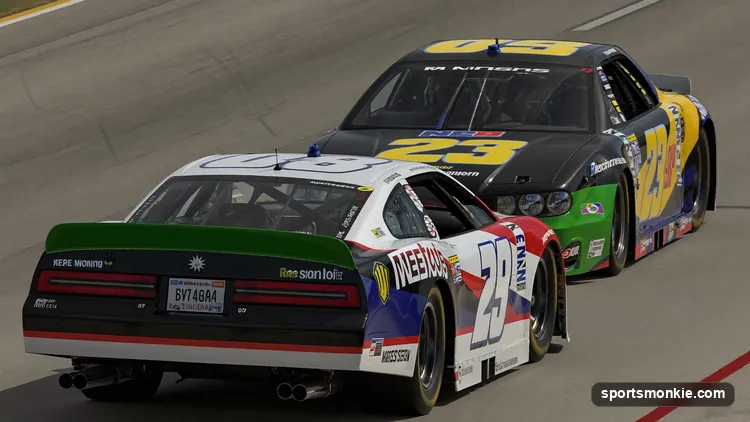
A car punches a hole in the air and leaves a low-pressure wake behind it. A trailing car tucked into that wake meets less resistance, so it needs less power for the same speed — and the lead car gains slightly too. Two cars in a draft beat one car in clean air.
The slingshot
The signature move: a trailing car builds speed in the draft, then swings out and uses its momentum to rocket past the leader, often at the finish line. Because the leader is breaking the air, the follower can carry more speed at the decisive moment.
Why it dominates superspeedways
At Daytona and Talladega, the restrictor plate caps horsepower, so no car can power away. Aerodynamics decide the race, and cooperation in the draft is the only way forward — which is why the field runs in a tight pack.
Bump drafting and its risks
| Move | Effect |
|---|---|
| Draft | Follow closely to cut drag; both go faster |
| Slingshot | Use draft momentum to pass |
| Bump draft | Nudge the car ahead to push it — can cause wrecks |
Bump drafting boosts speed but, mistimed in a corner, can trigger a multi-car crash.
Strategy
Drafting forces drivers to cooperate with rivals to stay up front, then time a break for the end. It rewards patience and track position over horsepower, and the bunched racing often comes down to a final-lap scramble, sometimes decided in a green-white-checkered overtime. For more, see our motorsport guides.
Frequently asked questions
What is drafting in NASCAR?+
Drafting is when a car tucks in close behind another so it runs in the leader's slipstream — the pocket of lower-pressure air behind the car. That reduces aerodynamic drag on the trailing car and also, slightly, on the lead car, so both go faster than a car running alone. Drivers use the draft constantly at high-speed tracks to gain speed and set up overtakes.
Why does drafting make cars faster?+
A car pushes through the air, creating drag that slows it and a low-pressure wake behind it. A trailing car running in that wake meets less air resistance, so it needs less power to hold the same speed — or can go faster on the same power. The lead car benefits a little too, because the trailing car reduces the low-pressure drag pulling on its rear. Together they beat a lone car.
What is a slingshot pass?+
The slingshot is a classic drafting move: a trailing car uses the reduced drag of the draft to build up speed, then pulls out from behind the leader and 'slingshots' past using its momentum, often near the finish line. Because the leader is punching the hole in the air, the follower can carry more speed at the critical moment. Timing the slingshot for the final lap is a superspeedway art form.
Where is drafting most important?+
Drafting matters most at the superspeedways — Daytona and Talladega — where cars run with a [restrictor plate](/what-is-a-restrictor-plate-in-nascar/) or tapered spacer that limits power. With horsepower capped, aerodynamics decide everything, so no car can pull away alone and cooperation in the draft is the only way to move forward. It matters at other big tracks too, but superspeedways are where it defines the race.
What is bump drafting?+
Bump drafting is when the trailing car makes contact with the rear bumper of the car ahead to push it forward, helping both accelerate. Done well, it boosts speed for the pair; done badly, especially in corners, it can turn the lead car and trigger a wreck. NASCAR has at times restricted where bump drafting is allowed because of the crash risk it creates in the pack.
Can you draft alone?+
No — drafting requires at least one other car to run behind or ahead of. A car by itself in clean air has no draft to use and is usually slower than a group working together, which is why a driver who gets shuffled out of the pack at a superspeedway can quickly fall back. Finding and keeping drafting partners is a core skill at these tracks.
How does drafting affect race strategy?+
Because drafting partners go faster than lone cars, drivers must cooperate even with rivals to stay near the front, then time their move to break away at the end. It puts a premium on track position, patience, and picking the right moment for a slingshot, all while avoiding 'the big one.' The racing often stays bunched until a dramatic final-lap scramble, sometimes settled in [overtime](/what-is-a-green-white-checkered-finish/).
Sources
Play & tools
Free browser games and tools — no account, no download.
- Play 24-0 — Draft an F1 chassis and two drivers, then chase a perfect 24-0 — win every race on the 24-round calendar.
- Explore all our games →
Related motorsport guides
View all →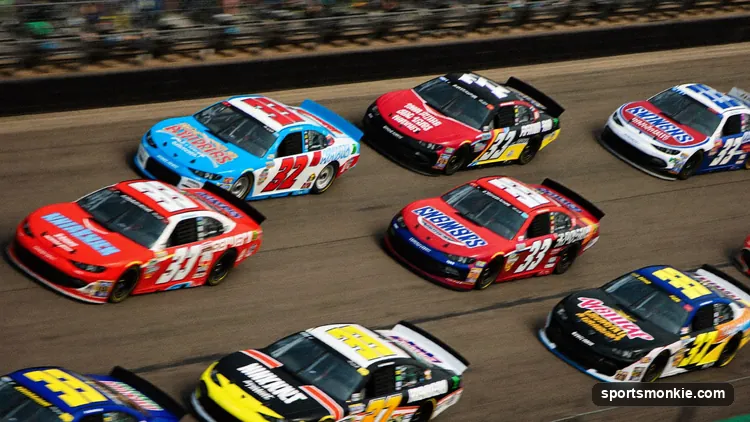
What Is a Restrictor Plate in NASCAR?
A restrictor plate limits airflow to a NASCAR engine to cap horsepower and speed at superspeedways like Daytona and Talladega, creating tight 'pack racing'.
F1 Slipstream and Tow Explained: The Physics of Drafting
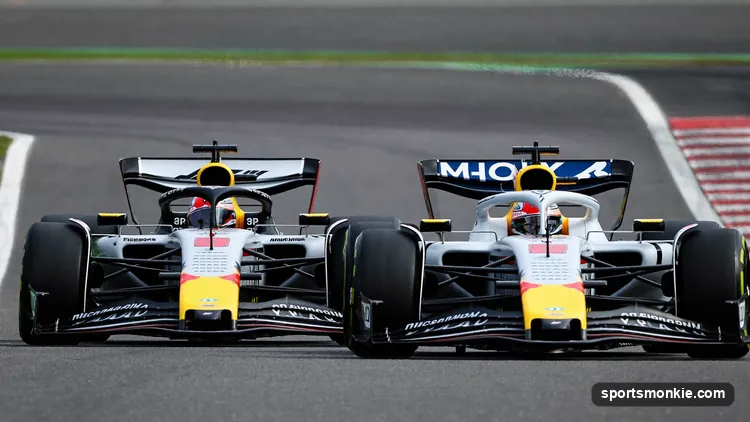
A slipstream, or tow, is the low-drag pocket of air behind an F1 car. Follow closely and you gain top speed on the straights — the base that DRS builds on.
NASCAR Stage Racing Explained: Stages & Stage Points
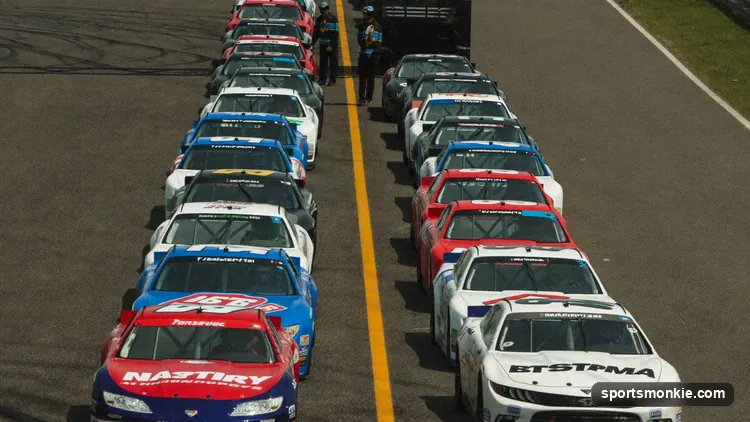
NASCAR splits each race into three stages. The top finishers in each stage earn stage points, and a caution flies at each stage break to reset the field.
NASCAR Cup vs Xfinity vs Truck: The 3 Series
NASCAR's three national series are the Cup Series (top tier), the Xfinity Series (second), and the Craftsman Truck Series. See how the cars, races and drivers differ.
What Is a Green-White-Checkered Finish in NASCAR?
A green-white-checkered finish is NASCAR overtime: if a late caution appears, the race is extended so it ends under green over a two-lap dash to the checkered flag.
What Is the Lucky Dog in NASCAR? (Free Pass)
The lucky dog, or free pass, gives the first car one lap down its lap back when a caution comes out — a chance to rejoin the lead lap and keep racing for the win.