
What Is the Lucky Dog in NASCAR? (Free Pass)
On this page5
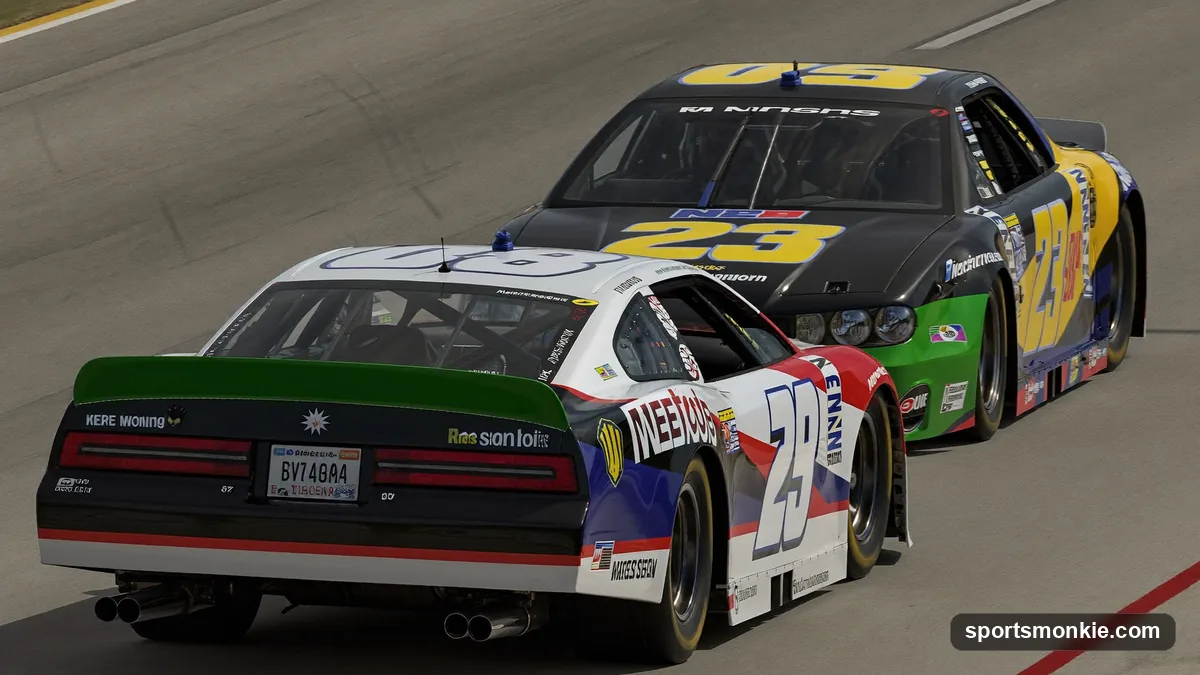
The lucky dog — officially the free pass — gives the first car one lap down its lost lap back when a caution flag comes out. That driver rejoins the tail end of the lead lap and gets a second chance to race for a strong finish. NASCAR added it for safety in 2003, and only one car per caution receives it.
How the free pass works
When a caution begins, the highest-running car that is one lap down is awarded its lap back. It moves to the back of the lead-lap pack, pits with the field, and restarts with a full chance to race forward. A car on the lead lap can’t get it, and only one car benefits per caution.
Why it’s called the lucky dog
The name stuck because the beneficiary gets a fortunate, unearned break — a lap handed back by the timing of a caution rather than earned on track. NASCAR calls it the “free pass” or “beneficiary,” but everyone else says lucky dog.
Why it exists
Before 2003, lapped cars raced at full speed back to the start-finish line under caution, trying to reclaim their lap before the leader — often speeding past wrecks. The free pass removed that dangerous incentive by awarding the lap automatically.
Free pass vs. wave-around
| Rule | What it does |
|---|---|
| Free pass (lucky dog) | One lapped car gets its lap back automatically |
| Wave-around | Lapped cars that don’t pit drive past the pace car to the lead lap |
The lucky dog is the more valuable of the two.
Where it fits
The lucky dog is one of NASCAR’s caution-period rules, alongside stage breaks, the green-white-checkered overtime finish, and the flags that govern the race. For more, see our motorsport guides.
Frequently asked questions
What is the lucky dog in NASCAR?+
The lucky dog, or free pass, is the rule that awards the first car running one lap down its lap back when a caution period begins. That driver moves to the back of the lead-lap cars and can once again race for the win or a strong finish. Only the highest-scored lapped car gets it, and only one car per caution, so it is a meaningful break for whoever qualifies.
Why is it called the lucky dog?+
The nickname 'lucky dog' caught on because the driver who receives the free pass gets a fortunate, unearned break — a lost lap handed back through the timing of a caution rather than through on-track performance. NASCAR's official term is the 'free pass' or 'beneficiary,' but 'lucky dog' is what fans, drivers and broadcasters have always called it.
Who gets the lucky dog?+
The first car one lap down at the moment the caution flag flies — the highest-running lapped car — receives the free pass. If that car is involved in causing the caution, it is not eligible, and the pass goes to the next car in line. A car on the lead lap cannot get it, since it hasn't lost a lap, and only one car benefits per caution period.
When was the lucky dog rule introduced?+
NASCAR introduced the free pass in 2003 for safety reasons. Before it, lapped drivers would race at full speed back to the start-finish line when a caution came out, trying to beat the leader and reclaim their lap — a dangerous practice with cars sometimes speeding past a wreck or a stranded car. The free pass removed the incentive to race back to the caution.
Can the lucky dog car pit?+
Yes. After receiving the free pass, the driver typically pits along with the field during the [caution](/nascar-stage-racing-explained/), takes tires and fuel, and then lines up at the tail end of the lead lap for the restart. Getting the lap back is what matters most; from there the driver has a full chance to move forward, just like any lead-lap car.
Is the lucky dog the same as a wave-around?+
No, though both help lapped cars. The free pass gives one lapped car its lap back automatically. A 'wave-around' lets lapped cars that choose not to pit drive past the pace car to the tail of the lead lap, but they do not officially get a lap credited the same way and usually give up track position to fresher-tired cars. The lucky dog is the more valuable of the two.
How does the lucky dog affect the race?+
It keeps more cars on the lead lap and in contention, which tightens the racing and can set up dramatic finishes, especially when the beneficiary charges back through the field. Because only one car gets it per caution, drivers a lap down often race hard to be the first lapped car when a caution seems likely — see how it fits with NASCAR's [stage](/nascar-stage-racing-explained/) cautions and [flags](/nascar-flags-meaning/).
Sources
Play & tools
Free browser games and tools — no account, no download.
- Play 24-0 — Draft an F1 chassis and two drivers, then chase a perfect 24-0 — win every race on the 24-round calendar.
- Explore all our games →
Related motorsport guides
View all →
What Is a Green-White-Checkered Finish in NASCAR?
A green-white-checkered finish is NASCAR overtime: if a late caution appears, the race is extended so it ends under green over a two-lap dash to the checkered flag.
NASCAR Stage Racing Explained: Stages & Stage Points
NASCAR splits each race into three stages. The top finishers in each stage earn stage points, and a caution flies at each stage break to reset the field.
NASCAR Cup vs Xfinity vs Truck: The 3 Series
NASCAR's three national series are the Cup Series (top tier), the Xfinity Series (second), and the Craftsman Truck Series. See how the cars, races and drivers differ.
What Is a Restrictor Plate in NASCAR?
A restrictor plate limits airflow to a NASCAR engine to cap horsepower and speed at superspeedways like Daytona and Talladega, creating tight 'pack racing'.
What Is Drafting in NASCAR?
Drafting is when NASCAR cars run nose-to-tail to cut aerodynamic drag, letting them go faster together than alone — the key to passing at superspeedways.
How Do NASCAR Playoffs Work?
NASCAR's playoffs feature 16 drivers in a 10-race, four-round elimination format that ends with a winner-take-all Championship 4 finale. Explained simply.