
F1 Formation Lap Explained: Purpose, Rules and Aborted Starts
On this page6
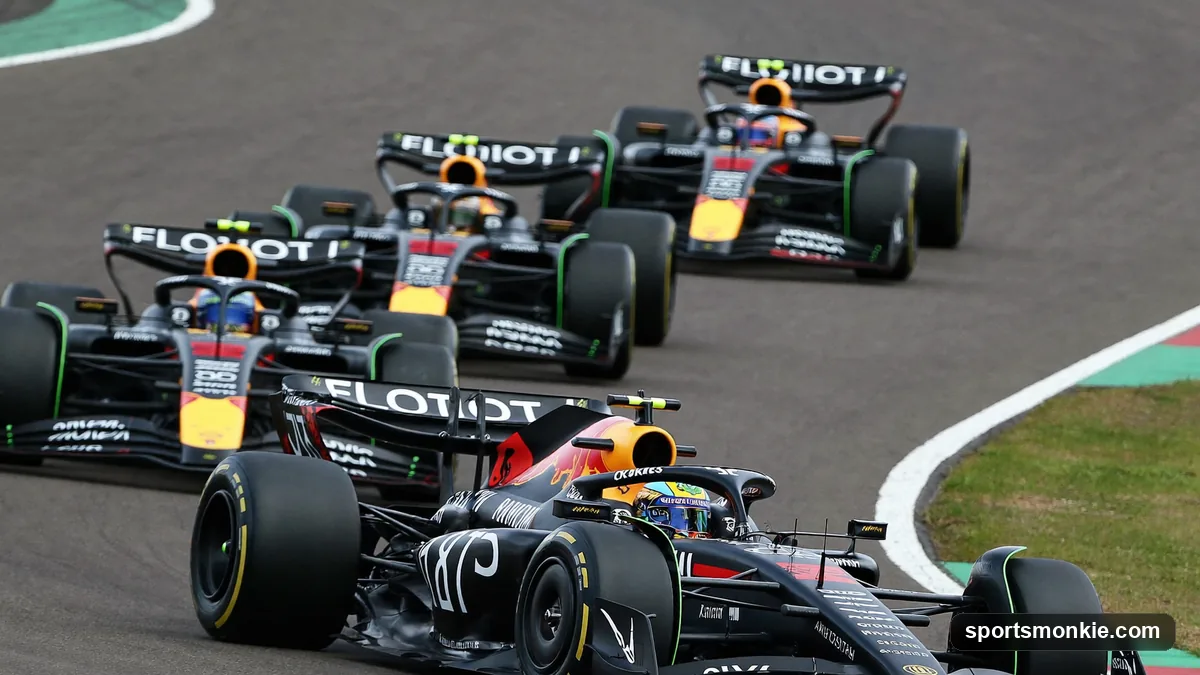
The formation lap is the single lap a Formula 1 field runs from the grid before the race officially begins. Led by the pole-sitter, drivers weave to warm their tyres and brakes, hold their grid order with no overtaking, and return to their exact starting slots for the standing start. If something goes wrong — a stalled car, an unsafe grid — the start is aborted, an extra formation lap runs, and the race is shortened by a lap.
It looks like a warm-up, and it is, but it is also a lap where races can be lost before they begin.
Why the formation lap exists
The whole point is temperature. A standing start demands maximum grip off the line and hard braking into the first corner, and cold tyres and brakes deliver neither. During the formation lap drivers swerve side to side and brake hard in short bursts to build heat into the rubber and the discs, so the car is ready to launch when the lights go out.
It also serves as a final systems check. A driver feeling a problem — a misfire, a brake issue, a warning light — has one last chance to report it before committing to the start, or to peel into the pit lane and start from there instead.
The rules drivers must follow
The formation lap has firm rules that keep the field safe and orderly:
- No overtaking. Drivers hold their grid order. The only exception is passing a car that is clearly slowing with a fault.
- Stay in formation. A driver who drops back to work their tyres must be back in position before the grid forms up.
- The pole-sitter sets the pace, within limits — they cannot dawdle so much that the pack bunches dangerously or brakes overheat.
- No practising starts on the lap itself — those are done earlier, on the way to the grid.
- Return to your exact slot and stop; the start sequence only begins once every car is stationary and correctly placed.
Fall out of position or jump the sequence and a penalty follows, which ties into the wider F1 penalties framework.
Practice starts and the run to the grid
Before the formation lap, as cars leave the pit lane for the grid, you will see drivers pull off the racing line and perform practice starts — a quick launch to rehearse clutch bite and throttle control. These happen at designated points so they do not block the track. The real start is one of the purest skills in F1: get the clutch release and wheelspin right and you can gain three places into turn one; get it wrong and you lose them.
When the start is aborted
Not every start goes cleanly. If a car stalls on the grid, or the grid is unsafe, or the weather turns, race control aborts the start.
| Situation | What happens |
|---|---|
| Car stalls on the grid | Driver raises a hand; abort signalled |
| Start aborted | Extra formation lap run; race shortened by one lap |
| Stranded car | Moved to safety or started from the pit lane |
| Repeated problems | Further formation laps; possible delayed or standing restart |
The key consequence is that each aborted start costs a lap of racing: an extra formation lap runs, and the scheduled race distance is trimmed accordingly. The driver whose car caused the abort typically starts from the back or the pit lane once their machine is recovered.
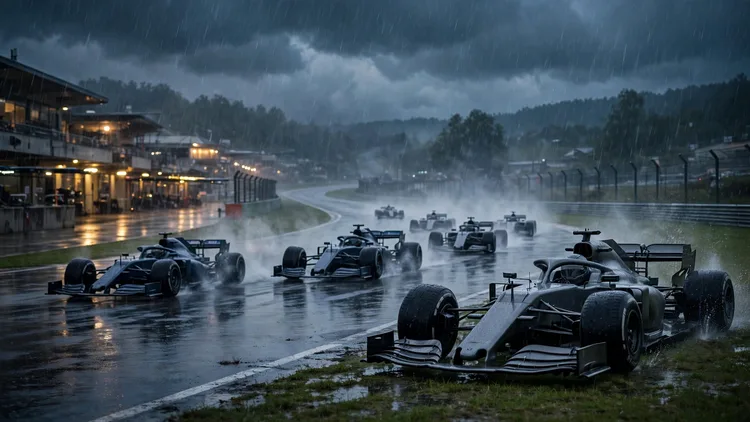
Sepang in October 2026 produced the strangest modern version: a software bug cut power to several cars on a wet formation lap, Lewis Hamilton had to stop and restart his car on track, and the FIA patched every car’s software before the race could begin. We covered the full sequence in the FIA’s investigation into the Sepang formation-lap glitch.
From formation lap to lights out
Once the field is stationary and the grid is confirmed clear, the five red lights illuminate one by one, then go out together — and the race is on. If conditions are too poor for a standing start, the field may instead be led away behind the safety car for a rolling start, which changes the whole procedure but keeps the formation-lap logic of warming up and holding position.
The bottom line on the formation lap
The formation lap is the warm-up lap to the grid: drivers heat tyres and brakes, hold their order without overtaking, and return to their slots for the standing start. Get a fault, report it here. Trigger an abort, and the field runs another lap while the race gets a lap shorter. It is the calm before one of the most decisive moments in any grand prix.
The start it sets up is where grid position pays off — and where the tyre compounds you warmed suddenly matter. To see how the order is decided in the first place, read our F1 qualifying format explainer.
Frequently asked questions
What is the purpose of the formation lap in F1?+
The formation lap gets heat into the tyres and brakes so the cars have grip and stopping power for the standing start, and it lets drivers check the car and clear the track of any last issues. Cold tyres offer little grip, so the weaving you see is drivers deliberately generating temperature before the lights go out.
Can you overtake on the formation lap in F1?+
No. Drivers must hold their grid order on the formation lap and are not allowed to overtake, except to pass a car that is clearly slowing with a problem. A driver who falls behind may catch back up, but must be back in position by the time the field forms up on the grid for the start.
What happens if a car stalls on the formation lap?+
If a car stops or stalls, the driver raises a hand to warn others and marshals work to restart or clear it. If a car is stranded on the grid after the formation lap, the start is aborted, the field completes an extra formation lap, and the race is shortened by one lap while the stricken car is moved or started from the pit lane.
What is an aborted start in F1?+
An aborted start happens when a problem — a stalled car, an unsafe grid, or bad weather — means the race cannot begin safely. Yellow lights and boards signal the abort, the field runs another formation lap, and the race distance is reduced by that lap. Repeated aborts can lead to a delayed or standing-restart procedure.
Do drivers do practice starts before the formation lap?+
Yes. On the way from the pit lane to the grid before the formation lap, drivers usually pull to the side and perform practice starts to rehearse clutch and throttle control. These are done off the racing line at designated points, and getting the real start right is one of the biggest single-moment skills in the sport.
Who leads the formation lap in F1?+
The pole-sitter leads the formation lap and sets the pace, which they control within limits set by race rules — they cannot go so slowly that they cause the pack to bunch dangerously or overheat their brakes waiting. The rest of the field follows in grid order behind, weaving to warm tyres without falling out of position.
Sources
Play & tools
Free browser games and tools — no account, no download.
- Play 24-0 — Draft an F1 chassis and two drivers, then chase a perfect 24-0 — win every race on the 24-round calendar.
- Explore all our games →
Related motorsport guides
View all →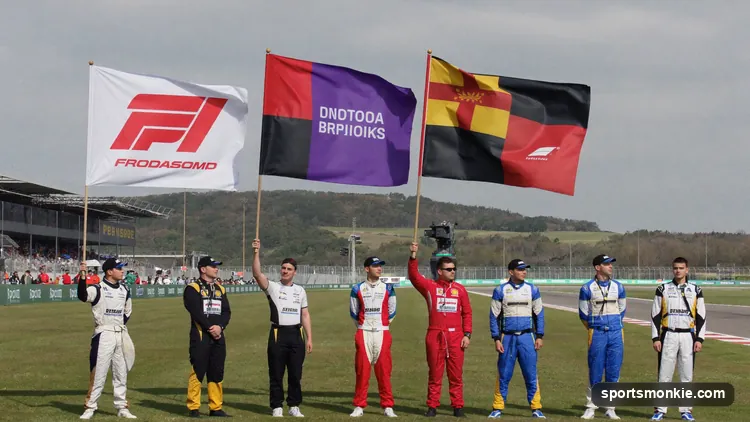
F1 Flags Explained: Every Racing Flag and What It Means
A full reference to every F1 flag — green, yellow, double yellow, red, blue, white, black, meatball, black-and-white, chequered and the striped flag.
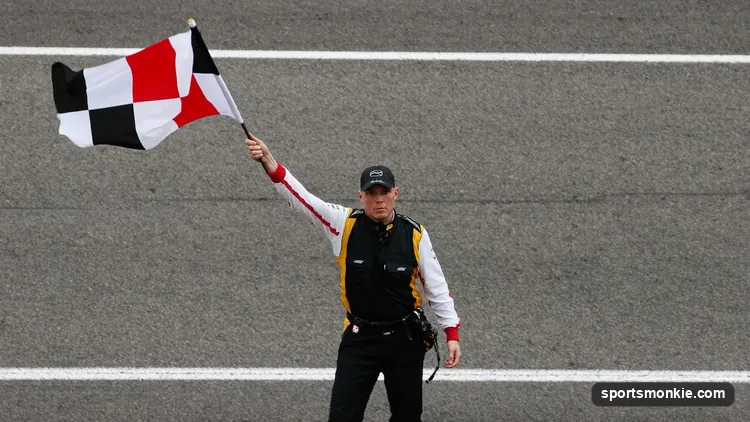
F1 Red Flag Explained: What It Means and How Restarts Work
A red flag stops an F1 session immediately. Cars slow to a delta and return to the pit lane, teams can work on them, and the race restarts from there.
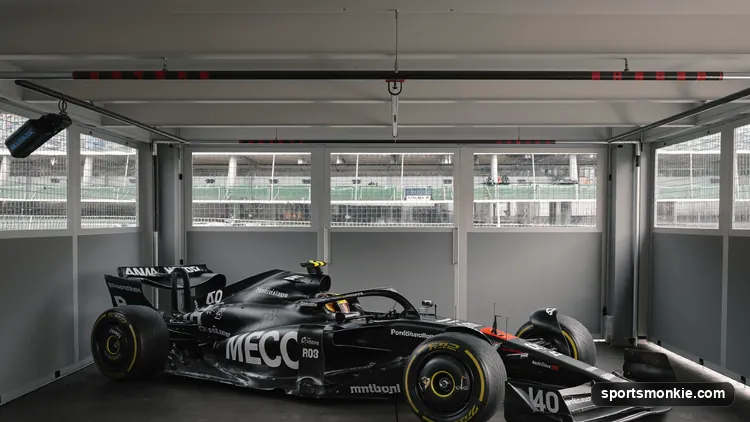
Parc Fermé in F1 Explained: The Rules That Lock a Car's Setup
Parc fermé is F1's restricted-work condition from the start of qualifying to the race. Change the setup and the car has to start from the pit lane.
FIA to Investigate Software Glitch That Stopped F1 Cars on the Formation Lap in Malaysia
The FIA promised a full review after a software bug cut power to F1 cars on a wet formation lap at Sepang, forcing Hamilton to stop and restart his car.
F1 Cost Cap Explained: The Budget Limit and What Counts
F1's cost cap limits team spending to roughly $135M a year, adjusted for inflation. Driver pay is excluded. Breach it and fines and testing cuts follow.
F1 Porpoising Explained: The 2022 Bouncing and How It Was Fixed
Porpoising is the violent vertical bouncing that hit F1's ground-effect cars in 2022. Here's the aerodynamics behind it and how teams and the FIA cured it.