
Motorsport: Explainer
Browse SportsMonkie's explainer about motorsport, organized in one crawlable topic hub.
19 articles in this topic.
How Do NASCAR Playoffs Work?
NASCAR's playoffs feature 16 drivers in a 10-race, four-round elimination format that ends with a winner-take-all Championship 4 finale. Explained simply.
What Is a Pit Stop in F1? Tyres, Strategy, and Timing
An F1 pit stop brings a car into the lane for tyre changes and permitted adjustments, often deciding race strategy in seconds.
What Is a Chicane in F1? Track Design and Overtaking
An F1 chicane is a sequence of opposite-direction corners that slows cars, tests braking, and can create an overtaking or track-limit challenge.
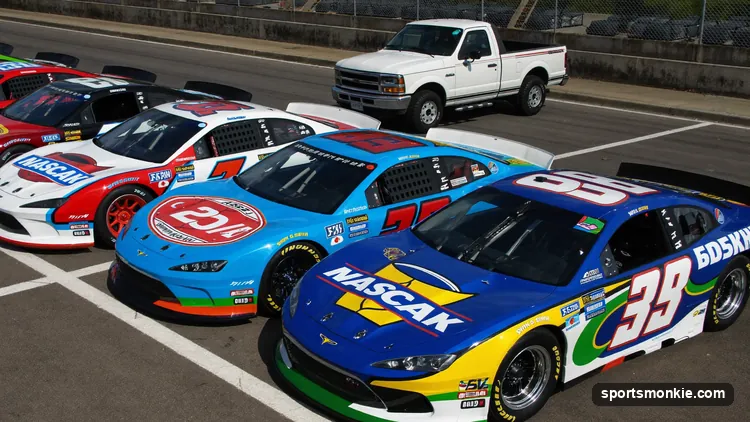
NASCAR Cup vs Xfinity vs Truck: The 3 Series
NASCAR's three national series are the Cup Series (top tier), the Xfinity Series (second), and the Craftsman Truck Series. See how the cars, races and drivers differ.
NASCAR Stage Racing Explained: Stages & Stage Points
NASCAR splits each race into three stages. The top finishers in each stage earn stage points, and a caution flies at each stage break to reset the field.
What Is a Green-White-Checkered Finish in NASCAR?
A green-white-checkered finish is NASCAR overtime: if a late caution appears, the race is extended so it ends under green over a two-lap dash to the checkered flag.
What Is the Lucky Dog in NASCAR? (Free Pass)
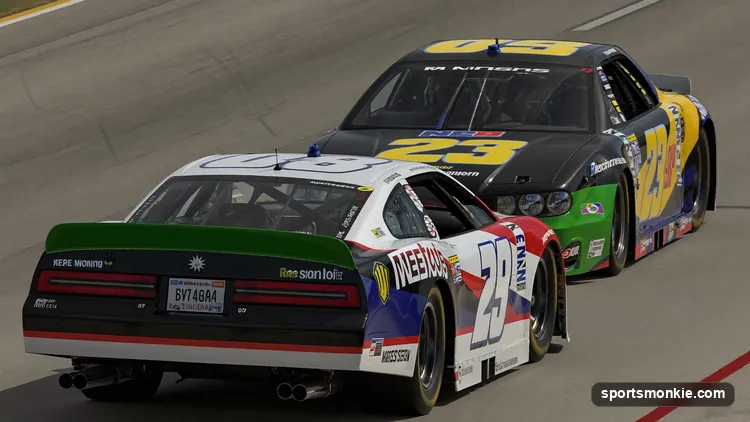
The lucky dog, or free pass, gives the first car one lap down its lap back when a caution comes out — a chance to rejoin the lead lap and keep racing for the win.
What Is a Restrictor Plate in NASCAR?
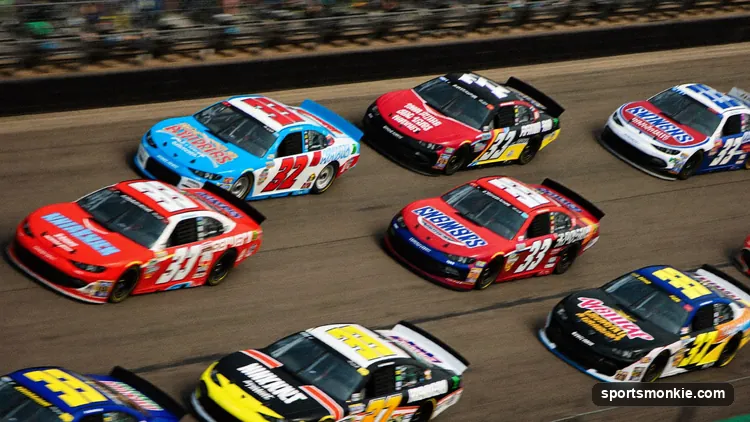
A restrictor plate limits airflow to a NASCAR engine to cap horsepower and speed at superspeedways like Daytona and Talladega, creating tight 'pack racing'.
What Is Drafting in NASCAR?
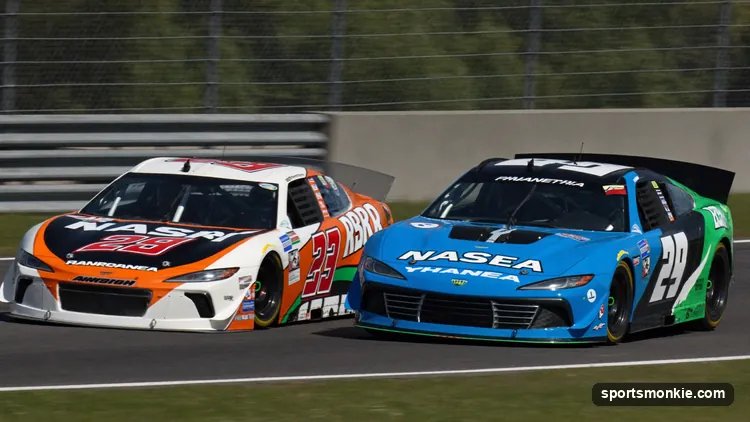
Drafting is when NASCAR cars run nose-to-tail to cut aerodynamic drag, letting them go faster together than alone — the key to passing at superspeedways.
NASCAR Flags and What Each One Means
A plain-English guide to every NASCAR flag: green, yellow, red, black, white, checkered and the blue-with-yellow-stripe, and exactly what each one signals.
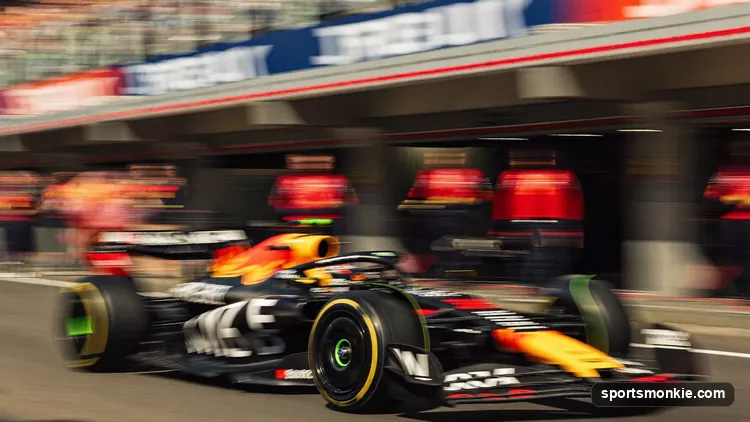
What Is a Drive-Through Penalty in F1?
A drive-through penalty in F1 makes a driver drive through the pit lane at the speed limit without stopping, losing around 20 seconds but staying in the race.
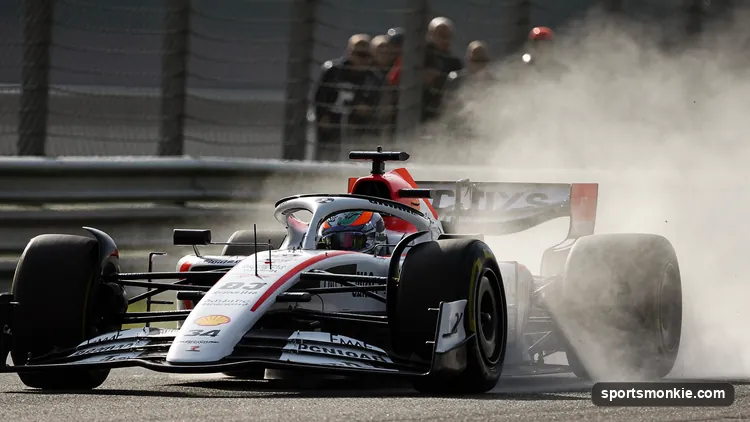
What Is Dirty Air in F1? Why It Kills Overtaking
Dirty air in F1 is the turbulent wake behind a car that robs the following car of downforce, making it slide and struggle to follow closely or overtake.
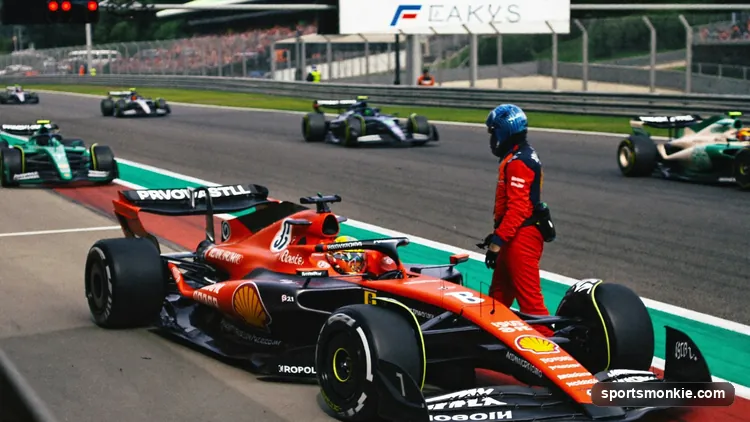
What Is a DNF in F1? Did Not Finish, Explained
A DNF in F1 means 'Did Not Finish' — a driver who retires from a race through a crash, mechanical failure or other issue and is not classified in the results.
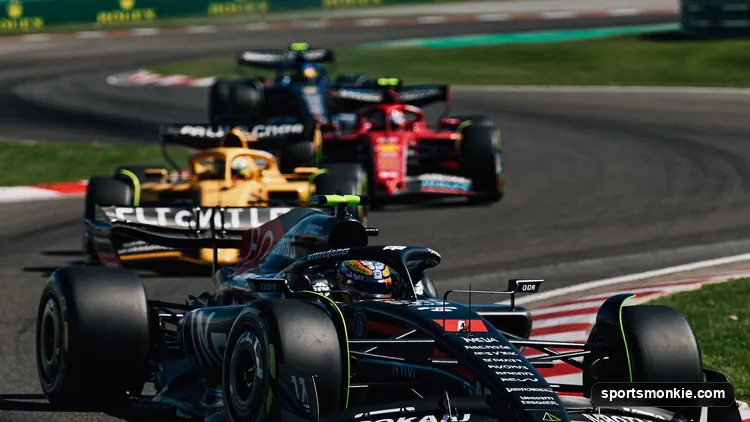
What Is Pole Position in F1? How It's Decided
Pole position in F1 is first place on the starting grid, earned by setting the fastest lap in qualifying. It gives the cleanest line into turn one and a big advantage.
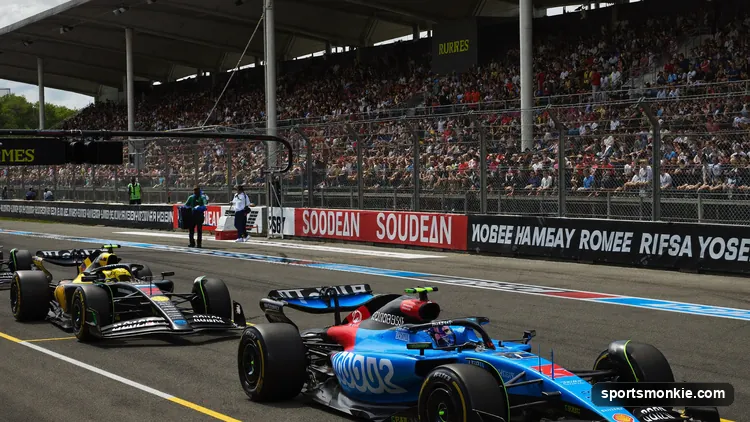
What Is Sprint Qualifying in F1? The Sprint Format
Sprint qualifying in F1 is the short session that sets the grid for the Saturday Sprint, a mini-race of about 100km that awards points to the top eight finishers.
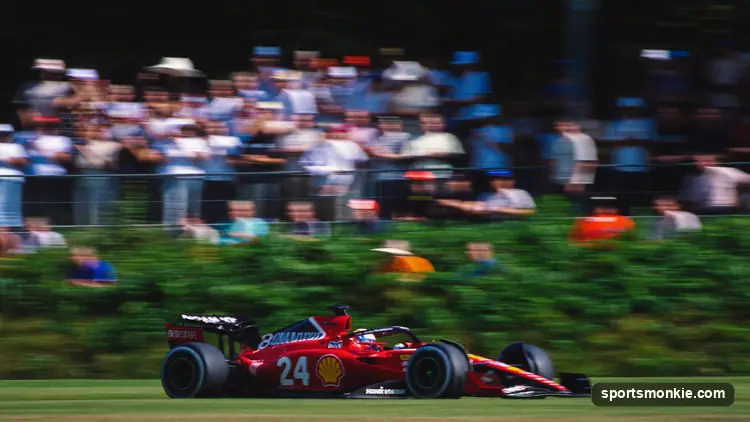
F1 General Admission Tickets Explained
What F1 general admission tickets are, how they differ from grandstands, what you see, and typical 2026 price ranges that vary by Grand Prix.
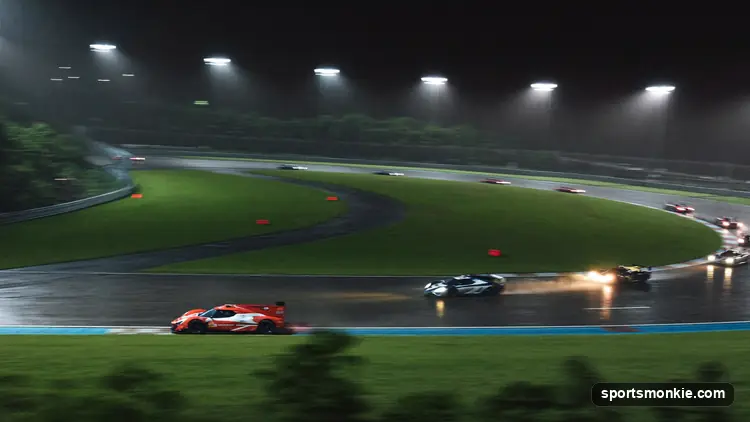
How Does the 24 Hours of Le Mans Work?
The 24 Hours of Le Mans is an endurance race where teams of drivers share one car for 24 hours; whoever covers the most distance wins. How it works.
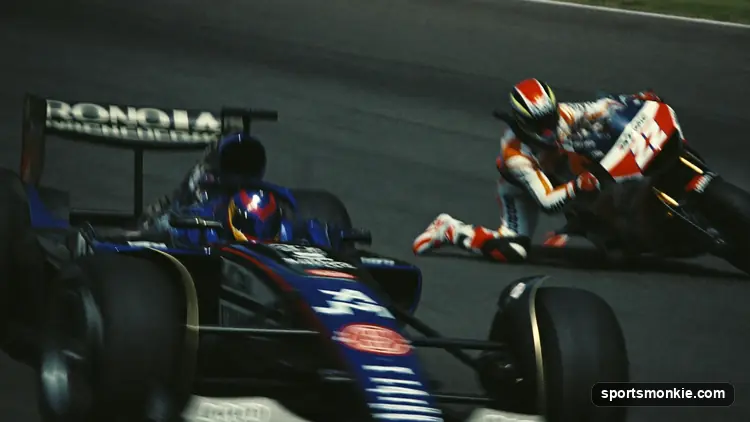
MotoGP vs F1: Speed, Cost and Key Differences
MotoGP is premier motorcycle racing; F1 is premier open-wheel car racing. How they compare on speed, cost, driver pay and difficulty, explained.
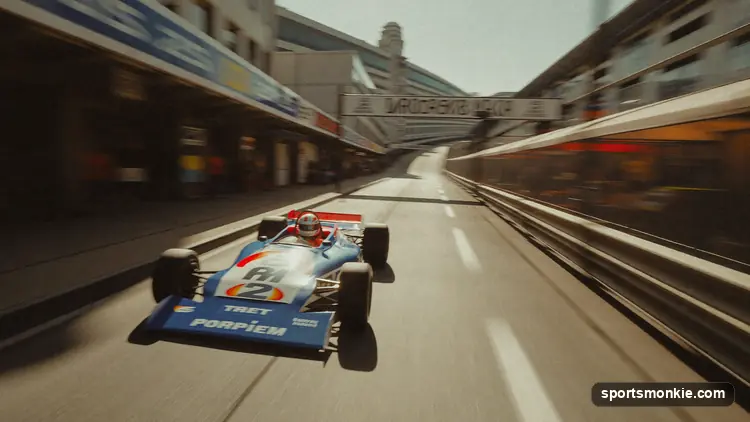
What Is Push-to-Pass in IndyCar?
Push-to-pass is an IndyCar button that gives a temporary horsepower boost to help overtaking. How it works, its limits, and where it's used.