
What Is a Chicane in F1? Track Design and Overtaking
On this page5
TL;DR
A chicane is a linked sequence of opposing corners, commonly left-right or right-left. In Formula 1 it slows the approach to a faster section, tests braking precision and often shapes the following straight.
Why circuits use chicanes
Designers use chicanes to control speed before a dangerous or high-energy section. They can also create a second racing line and make the exit more important than the entry.
Braking and kerbs
Drivers brake late, rotate the car through the first turn and try to straighten the sequence without exceeding track limits. Kerbs can help a car turn, but attacking them too aggressively unsettles the platform.
Overtaking around a chicane
The heavy braking zone can invite a pass, especially when a driver gets alongside before the first corner. A strong exit matters because it determines speed onto the next straight and the next defensive opportunity.
Track limits and penalties
The painted boundary, kerbs and event-specific limits determine whether a driver has left the track. Race control can delete a lap, issue a time penalty or require a position to be returned depending on the incident.
Related motorsport terms
Read what is a red flag in F1, what is DRS and how does Le Mans work for more circuit context.
FAQs
Motorsport fans can place F1 in the broader world sports landscape before exploring circuit design.
Is a chicane always two corners?
No. The word describes a tight change of direction and can cover a more complex sequence, though a two-corner left-right combination is common.
Why do drivers cut chicanes?
They may seek a faster line, but the permitted area is controlled by track limits. Leaving it can bring a lap deletion or penalty.
Are chicanes good for overtaking?
They can be. Heavy braking creates a passing opportunity, while the second corner and exit determine whether the move is completed safely.
Why are kerbs important?
Kerbs define or protect the corner edge and can shorten the route. Their height and shape affect grip, suspension load and the legal racing line.
Is a chicane slower than a hairpin?
Usually a chicane has a higher minimum speed than a hairpin, but every circuit layout differs. The sequence and approach determine the actual speed.
Can a chicane be removed?
Circuit owners can redesign a track subject to safety, licensing and approval requirements. Any change affects lap length, speed and overtaking.
Sources
Play & tools
Free browser games and tools — no account, no download.
- Play 24-0 — Draft an F1 chassis and two drivers, then chase a perfect 24-0 — win every race on the 24-round calendar.
- Explore all our games →
Related motorsport guides
View all →
What Is Dirty Air in F1? Why It Kills Overtaking
Dirty air in F1 is the turbulent wake behind a car that robs the following car of downforce, making it slide and struggle to follow closely or overtake.
F1's Fuel Flow Meter Supplier Is Sued Over a Patent Days Before the US Grand Prix
Sentronics, the FIA's former fuel flow meter supplier, has sued its replacement Allengra in Texas, claiming the sensors on every F1 car infringe its patent.
F1 Restores 305km Race Distance in 2028 After One Season at 290km
The FIA's published 2027 regulations restore the 305km grand prix distance from 2028. The 290km cut lasts one season. Here is the timeline and the engine changes behind it.
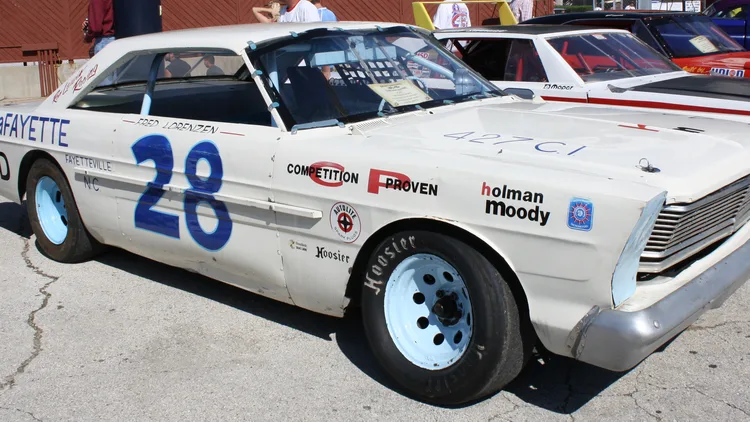
Fred Lorenzen Diagnosed With Stage 3 CTE, the First Confirmed Case in a NASCAR Driver
Boston University researchers diagnosed Fred Lorenzen with stage 3 CTE, the first confirmed case in a NASCAR driver. His family gave $1 million and set up a helpline for drivers.
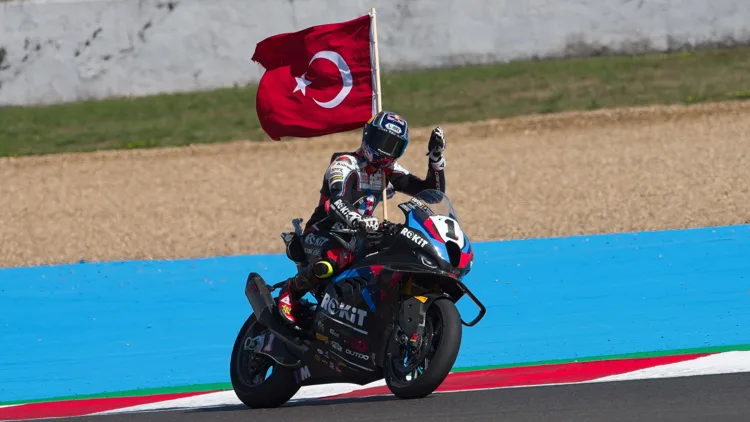
Razgatlioglu's First MotoGP Season Is Over: Shoulder Surgery Rules Him Out Until 2027
Toprak Razgatlioglu will miss Phillip Island and the rest of the 2026 MotoGP season. Shoulder surgery on Oct 26 ends his first year with Pramac, and Augusto Fernandez steps in.
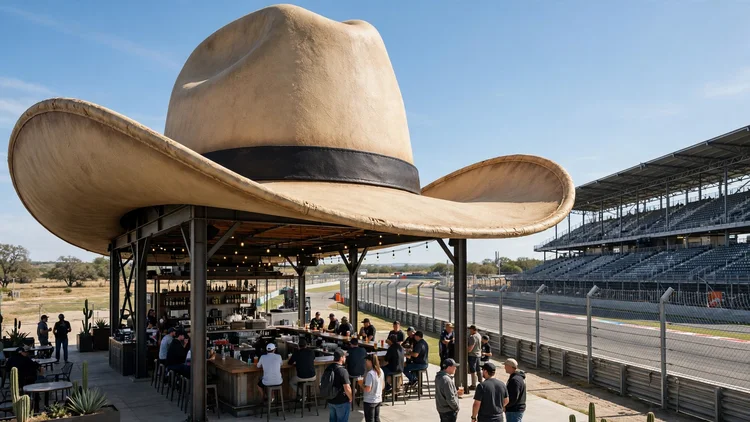
COTA Unveils the World's Largest Cowboy Hat, With a Bar Under It, Before the US Grand Prix
Circuit of the Americas and Tecovas unveiled a 47-foot cowboy hat on Monday, certified by Guinness World Records as the world's largest, with a bar underneath.