
What Does a Red Flag Mean in F1?
On this page5
TL;DR
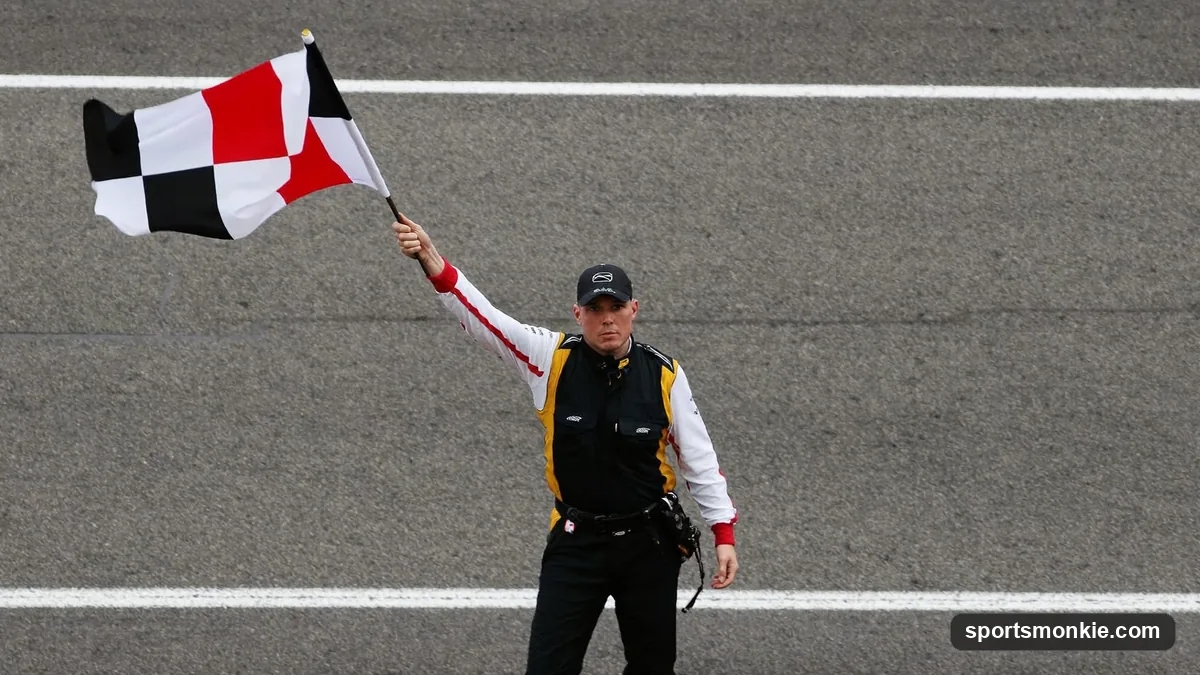
The red flag means a session is stopped. Race control uses it when continuing would be unsafe or impossible, and the regulations determine whether the event resumes, is shortened or is declared.
Why race control shows it
Typical reasons include a serious crash, debris, heavy rain, barrier damage or a vehicle blocking the circuit. Safety crews need a protected track before racing can continue.
What drivers do
Drivers slow, follow marshal instructions and return to the pit lane or grid as directed. They cannot treat a red flag as a normal pit-stop opportunity.
Restart and scoring
Restart format, tyre rules and classification depend on the FIA regulations for that season and event. Check the official race documents instead of relying on an old restart explanation.
Red flag versus yellow flag
A yellow flag warns drivers and restricts overtaking locally; a red flag stops the session or race. Confusing the two can lead to unsafe assumptions about whether racing continues.
Compare F1 flags, the safety car, the points system and the formation lap.
Reviewed September 29, 2026.
Sources
Play & tools
Free browser games and tools — no account, no download.
- Play 24-0 — Draft an F1 chassis and two drivers, then chase a perfect 24-0 — win every race on the 24-round calendar.
- Explore all our games →
Related motorsport guides
View all →
F1 Red Flag Explained: What It Means and How Restarts Work
A red flag stops an F1 session immediately. Cars slow to a delta and return to the pit lane, teams can work on them, and the race restarts from there.
F1's Fuel Flow Meter Supplier Is Sued Over a Patent Days Before the US Grand Prix
Sentronics, the FIA's former fuel flow meter supplier, has sued its replacement Allengra in Texas, claiming the sensors on every F1 car infringe its patent.
F1 Restores 305km Race Distance in 2028 After One Season at 290km
The FIA's published 2027 regulations restore the 305km grand prix distance from 2028. The 290km cut lasts one season. Here is the timeline and the engine changes behind it.
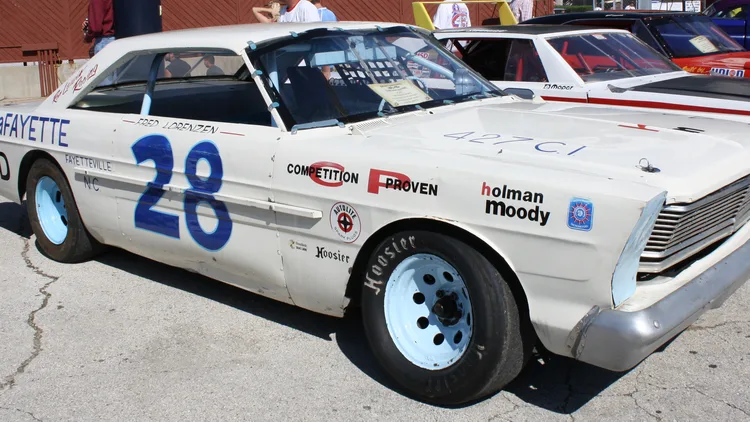
Fred Lorenzen Diagnosed With Stage 3 CTE, the First Confirmed Case in a NASCAR Driver
Boston University researchers diagnosed Fred Lorenzen with stage 3 CTE, the first confirmed case in a NASCAR driver. His family gave $1 million and set up a helpline for drivers.
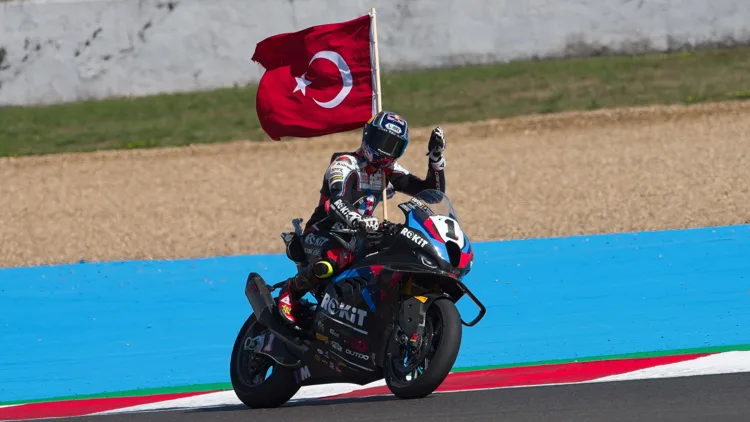
Razgatlioglu's First MotoGP Season Is Over: Shoulder Surgery Rules Him Out Until 2027
Toprak Razgatlioglu will miss Phillip Island and the rest of the 2026 MotoGP season. Shoulder surgery on Oct 26 ends his first year with Pramac, and Augusto Fernandez steps in.
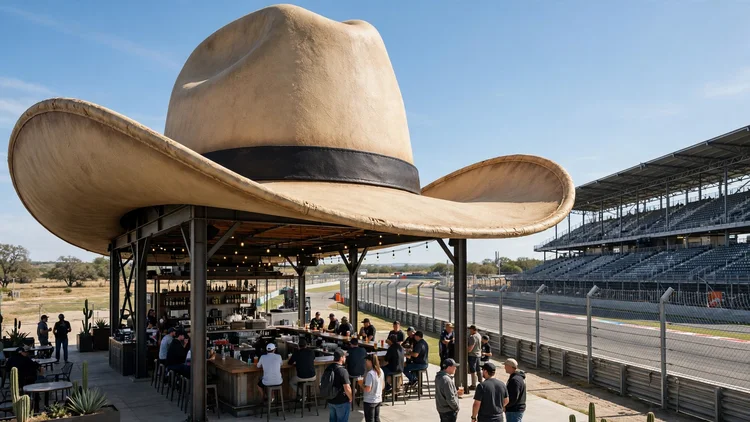
COTA Unveils the World's Largest Cowboy Hat, With a Bar Under It, Before the US Grand Prix
Circuit of the Americas and Tecovas unveiled a 47-foot cowboy hat on Monday, certified by Guinness World Records as the world's largest, with a bar underneath.