
How to Swim: Complete Technique Guide for All 4 Strokes
On this page8
Learning how to swim comes down to three things you repeat in every stroke: hold a long, flat body position at the surface, exhale steadily into the water, and move water backward with a relaxed but purposeful pull and kick. Get those fundamentals right and freestyle, breaststroke, backstroke, and butterfly all become variations on the same balanced, streamlined shape rather than four separate battles with the water.
This guide is the hub for everything you need, from your first float to a smooth, efficient stroke. Work through it in order, then dive deeper into the individual stroke and skill guides linked along the way.
Start With Water Confidence and Floating
Before any stroke, you need to trust the water. Stand in shallow water, take a normal breath, put your face in, and hum out a slow stream of bubbles. Repeat until it feels boring. That single habit, exhaling underwater instead of holding your breath, prevents the panic that makes most beginners sink.
Next, practice floating. Press your chest gently down, spread your arms, and let your legs rise behind you. Your body wants to float; tension is what stops it. If you are starting from zero, our full walkthrough on how to swim for beginners breaks the first sessions into small, repeatable steps, and adults in particular should read learning to swim as an adult for confidence-building drills built around a grown-up’s fears and schedule.
Key first-session checkpoints:
- You can exhale a full, slow breath with your face submerged.
- You can float on your front and back for five seconds, relaxed.
- You can push off the wall and glide in a streamline for two body lengths.
Master Body Position and Streamline
Everything fast and easy in swimming starts with reducing drag. The streamline is your reference shape: arms stretched overhead, one hand stacked on the other, biceps squeezing your ears, legs together, toes pointed. Push off the wall in this position on every length and you feel how little effort it takes to travel when the water flows cleanly around you.
While swimming, keep your head neutral and look straight down, not forward. Your hips and heels should ride near the surface. A useful cue: imagine swimming slightly downhill, pressing your chest into the water so your legs float up behind you. When the head lifts, the legs sink, and drag multiplies.
Learn Freestyle, the Foundation Stroke
Freestyle (front crawl) is the stroke to master first because its balanced, rotating body position underlies every other stroke. Focus on four elements in order:
- Body line and rotation. Rotate from your core so each shoulder and hip turn toward the ceiling as that arm reaches forward. Swim on your sides, not flat on your stomach.
- The catch. As your hand enters and extends, bend the elbow and keep it high while your forearm faces backward. You are anchoring your hand and pulling your body past it.
- The pull. Press water straight back to your hip, then exit cleanly. Do not cross your hand under your centerline.
- The kick. Kick from the hips with loose ankles and slightly bent knees, small and steady, roughly six kicks per stroke cycle.
Our dedicated freestyle swimming technique guide covers each phase with drills, and because breathing is where most freestylers struggle, work through freestyle breathing technique alongside it to sync the head turn with your body rotation.
Add the Other Three Strokes
Once freestyle feels stable, expand your range. Each stroke teaches a new skill that feeds back into the others.
| Stroke | Key body position | Breathing | Common beginner error |
|---|---|---|---|
| Freestyle | Rotating, on your sides | Turn head to the side | Lifting head to breathe |
| Backstroke | Flat on back, hips up | Face always clear | Bent, dropped hips |
| Breaststroke | Flat then streamlined glide | Lift chin each cycle | Pulling too wide and long |
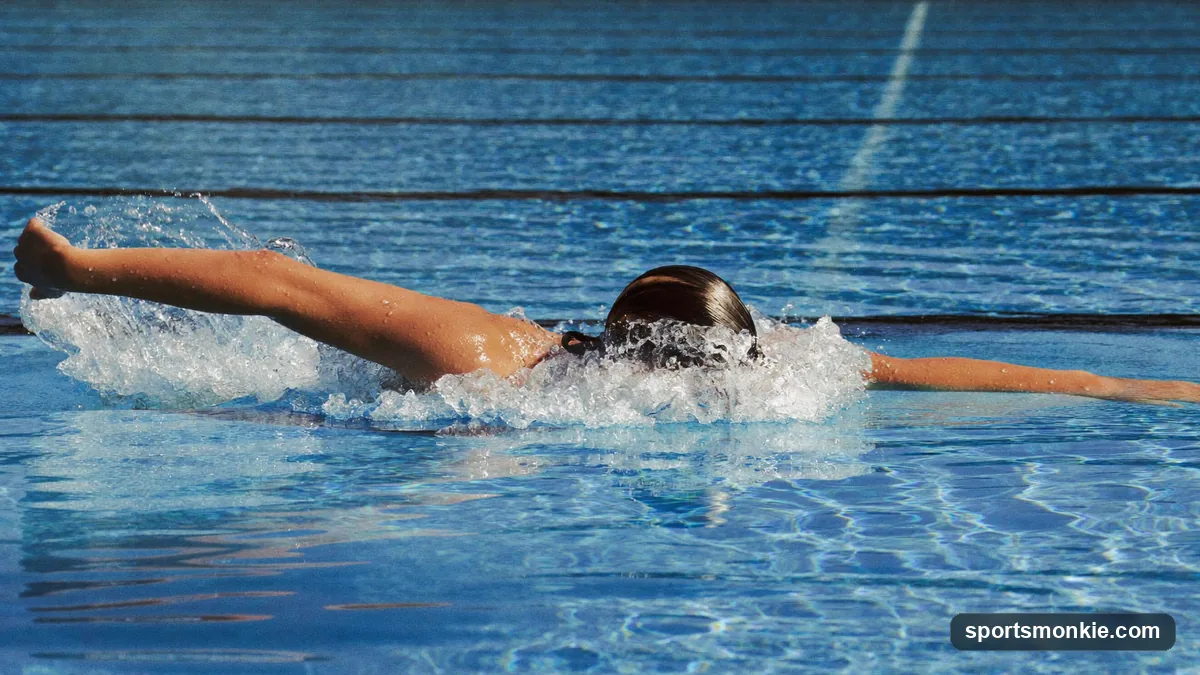
| Butterfly | Undulating from chest | Chin-forward peek | Muscling the arms |
Breaststroke is the most popular stroke for comfort because your face clears the water each cycle. The engine is the legs, so study the breaststroke kick technique first, then assemble the full pull-breathe-kick-glide timing in the breaststroke technique guide. Butterfly looks intimidating but is really a rhythm skill built on the same body-line undulation, and the butterfly stroke technique guide shows how to learn it without exhausting yourself.
Breathe Correctly in Every Stroke
Breathing is the single skill that separates swimmers who tire in one lap from those who cruise for a mile. The rule is constant: exhale underwater, inhale above it. Never store air and try to blow out and breathe in during one hurried moment at the surface.
For a stroke-by-stroke breakdown of timing, head position, and how to beat the out-of-breath feeling, read how to breathe while swimming. Practical cues:
- Exhale slowly the entire time your face is down, through nose and mouth.
- Turn, do not lift, to breathe in freestyle; keep one goggle in the water.
- In breaststroke and butterfly, let the natural rise of your body lift your mouth to the air rather than forcing your head up.
Build Technique With Drills
You cannot fix a whole stroke while swimming it at full speed. Drills isolate one piece so your body can learn it. A short menu of drills at the start of every session pays off faster than grinding out laps.
Effective starter drills include catch-up freestyle (one hand waits at full stretch until the other returns), kicking on your side with a board, and six-kick switches to build rotation and balance. Our swimming drills for beginners guide sequences them into a repeatable practice plan. Once your technique holds up, apply the tips in how to swim faster to convert clean mechanics into real speed through better tempo, streamline off the walls, and pacing.
Understand Distance, Laps, and Gear
As you progress you will want to measure your swimming, and pool math trips people up. A “lap” in a standard pool usually means one length, so counting matters. The exact numbers:
- A land mile is 1,609 meters, which is about 32.2 lengths of a 50-meter pool.
- One mile is 1,760 yards, or roughly 64.4 lengths of a 25-yard pool.
- The “swimmer’s mile” is 1,650 yards, exactly 66 lengths of a 25-yard pool.
- The “metric mile” race distance is 1,500 meters.
For the full breakdown of lengths versus laps in every pool size, see how many laps are in a mile swimming, and to set realistic time goals use the pace tables in how long it takes to swim a mile. On the gear side, a small detail matters more than beginners expect: a cap that keeps slipping ruins your rhythm, so our quick guide on how to put on a swim cap saves you the frustration before a workout.
Put It Together
Progress in a clear order rather than chasing everything at once. Build water confidence and floating, then lock in a streamlined body position, then add freestyle, then breathing, then the other three strokes, using drills to fix each piece along the way. Every technique in this hub connects back to the same principles: stay long and flat, exhale underwater, and move water backward with relaxed power. Follow that path and swimming stops feeling like a fight and starts feeling like gliding.
Frequently asked questions
How do I learn to swim as an adult beginner?+
Start in shallow water where you can stand. Practice blowing bubbles with your face in the water, then float on your front and back until you feel relaxed and balanced. Add a gentle flutter kick while holding the wall, then push off into a streamline glide. Only after you can float, glide, and breathe comfortably should you add arm strokes. Most adults need six to ten short sessions to swim a confident lap of freestyle.
Which swimming stroke is easiest to learn first?+
Freestyle and breaststroke are the two most common starting points. Breaststroke keeps your head near the surface and lets you see forward, which feels safer for nervous beginners. Freestyle is more efficient long term and teaches the body position every other stroke relies on. Many coaches start adults with breaststroke for comfort, then move to freestyle once the swimmer trusts the water and can exhale underwater without panic.
Why do I sink when I try to swim?+
Most sinking comes from lifting the head, holding your breath, and letting the hips drop. When you look forward or up, your legs fall and create drag. Fix it by looking straight down at the pool bottom, pressing your chest slightly into the water, and exhaling steadily so your lungs are not rigidly full. A relaxed body floats far better than a tense one, so slow down and let the water support you.
How do I breathe without getting tired or panicking?+
The key is exhaling continuously underwater through your nose and mouth so your lungs are ready to inhale the instant your mouth clears the surface. Never hold your breath and then try to blow out and breathe in during one quick turn, because that rushes the exchange and builds carbon dioxide. Turn your head just enough for your mouth to reach air, keeping one goggle in the water, then return your face down smoothly.
How long does it take to get good at swimming?+
A motivated beginner can swim a continuous 25-meter lap within a few weeks of regular practice, two or three sessions a week. Swimming a comfortable non-stop 400 meters usually takes two to three months as fitness and technique improve together. Reaching a smooth, efficient stroke that feels effortless can take a year or more, but steady drill work and consistent practice speed the process dramatically.
Do I need lessons or can I teach myself to swim?+
You can teach yourself basic water confidence and stroke mechanics using structured drills, video, and shallow-water practice, and many adults do. However, a few lessons with a qualified instructor dramatically shorten the learning curve and, more importantly, keep you safe by teaching floating, treading water, and how to recover if you get tired. If you cannot yet float or reach the wall, take at least a few in-person lessons before practicing alone.
Sources
Play & tools
Free browser games and tools — no account, no download.
- Play today's Sports Connections — Today's Sports Connections — daily hints, answers, and play the grid.
- Play Guess the NFL Player — A new mystery NFL player every day. Eight guesses, with a clue on each — plus free unlimited mode.
- Explore all our games →
Related guides
How to Swim for Beginners: First Steps in the Water
Learn how to swim as a beginner with a step-by-step plan: get comfortable, float, blow bubbles, kick, and swim your first freestyle strokes safely.
Tips to Start Swimming: A Beginner's Complete Guide
To start swimming as an adult, build water confidence first, then master freestyle breathing, kick, and arm technique. Here's a step-by-step plan.
Backstroke Swimming: Technique, Start, and Drills Explained
Backstroke swimming is the only competitive stroke swum face-up. Learn the flutter kick, arm recovery, body roll, start, and drills to swim it correctly.
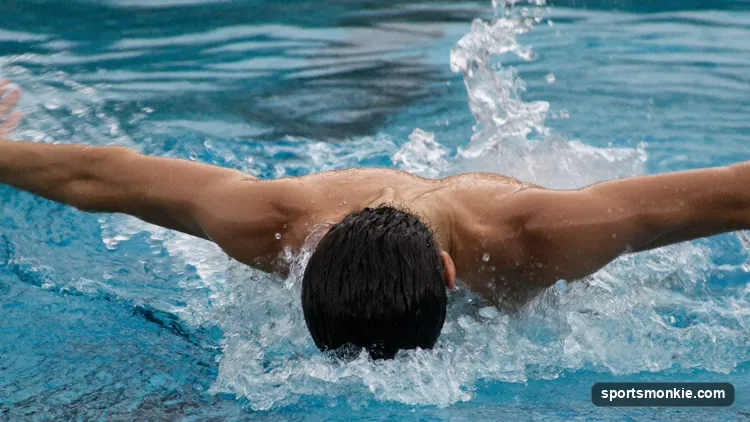
Breaststroke Swimming: Technique, Timing, and Drills Explained
Breaststroke swimming is the slowest competitive stroke, built on a pull-breathe-kick-glide rhythm and a whip kick. Learn the timing, pull-out, and fixes.
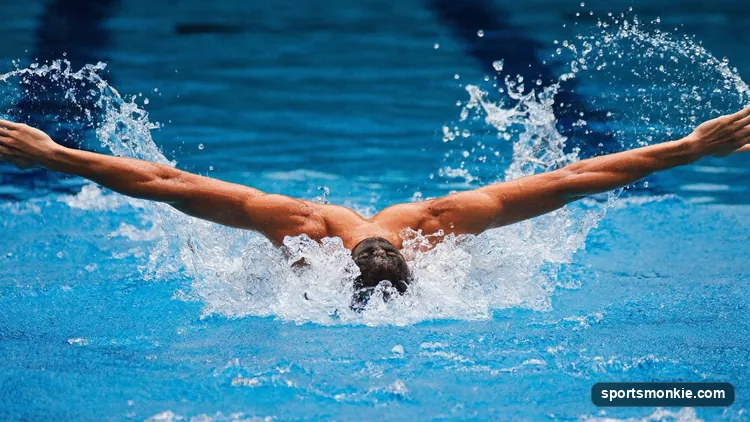
Butterfly Stroke: Technique, Kick Timing, and Drills Explained
The butterfly stroke pairs a simultaneous over-water arm recovery with two dolphin kicks per cycle, making it swimming's hardest, second-fastest stroke.
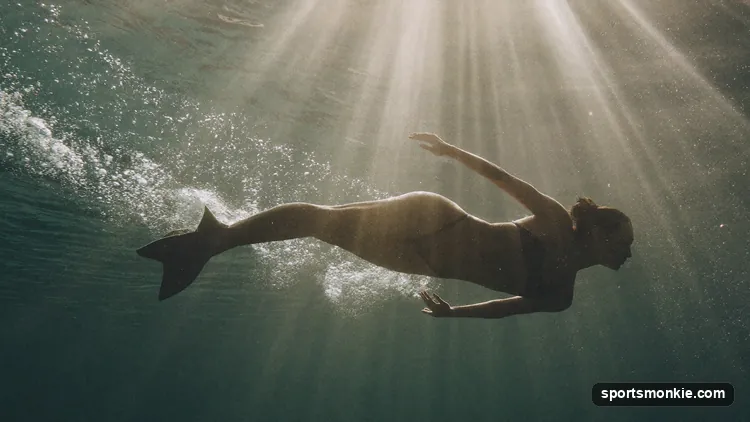
Dolphin Kick Swimming: Technique, the 15-Meter Rule, and Drills
The dolphin kick swimming technique explained: core-driven undulation, streamline, the 15-meter underwater rule, and drills to build a faster fifth stroke.