
How to Swim for Beginners: First Steps in the Water
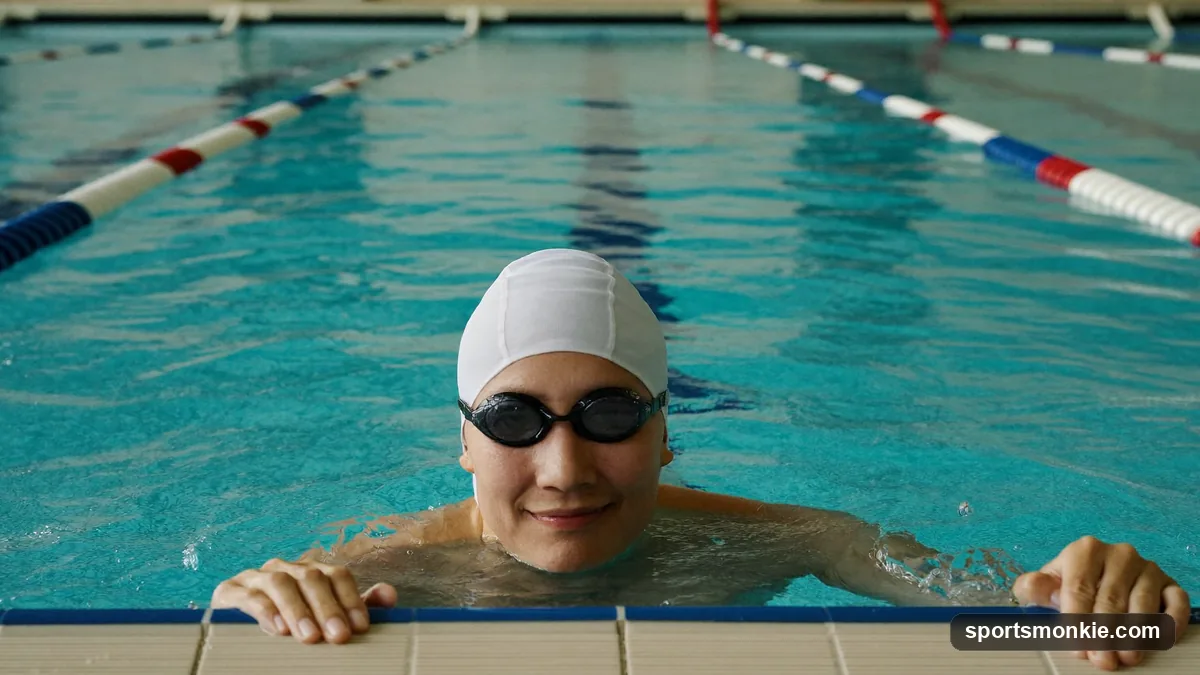
On this page8
Learning to swim as a beginner comes down to a simple order: get comfortable in the water, learn to breathe out underwater, float, kick, then add your arms. Start in shallow water where you can stand, master calm breathing before you chase strokes, and build one skill at a time. Do that and your first real freestyle is only a few weeks away.
This guide walks you through each step in the exact sequence a good instructor would use, with the technique cues that actually make it click. For a deeper breakdown of every stroke and skill, keep our complete swim technique guide open alongside this one.
Step 1: Get Comfortable in Shallow Water
Everything starts with feeling safe. Stand in water that reaches your chest or lower, where you can always plant your feet and put your head up in a second. Walk around, splash your face, and duck your chin to the surface until the sensation of water on your skin feels ordinary rather than alarming.
Do these three confidence drills before anything else:
- Face dips: Hold the wall, take a breath, and lower your face into the water for two or three seconds. Repeat ten times.
- Bobbing: Bend your knees, sink until your shoulders are under, and pop back up. This teaches you that the water holds you and you can always surface.
- Eyes open: Wear goggles and open your eyes underwater. Seeing the pool bottom removes a surprising amount of fear.
Tension is the enemy at every stage. If you feel your shoulders climbing toward your ears, stand up, breathe, and reset. Nervous beginners often benefit from the structured plan in our guide to learning to swim as an adult.
Step 2: Learn to Breathe Out Underwater
The single most important beginner skill is exhaling underwater. Most panic in the pool comes from holding your breath, feeling starved for air, and gasping, which pulls water in. Break that cycle now.
Hold the wall, take a normal breath, put your face down, and hum a slow, steady stream of bubbles out of your nose and mouth. Empty about half your air, lift your face to the side, and breathe in only clean air. The rhythm is breathe out under, breathe in above — never hold and hope.
Practice until you can blow bubbles for five to eight seconds without rushing. This one habit underpins every stroke you will ever swim, and we cover it in detail in how to breathe while swimming.
Step 3: Float on Your Front and Back
Floating proves the water supports you, and it teaches the streamlined body position every stroke needs.
Front float: Hold the wall, take a big breath, put your face down, and let your legs rise behind you. Keep full lungs — air in your chest is a built-in life jacket. Press your chest down slightly and your hips and legs will lift toward the surface. Let go of the wall for a second or two, then stand.
Back float: This is the most valuable safety skill you can own. Lean back, let your ears drop into the water, look straight up, and push your belly and hips toward the sky. Keep your arms out wide like a starfish and breathe normally. If you feel your legs sinking, that is usually because you lifted your head — relax it back down.
Common floating fixes:
| Problem | Cause | Fix |
|---|---|---|
| Legs sink | Head lifted, breath held out | Look down/up, keep lungs full |
| Rolling sideways | Uneven arms, tense core | Spread arms wide, relax |
| Feel like you’ll go under | Rushing, panic | Stand up, reset, try shorter |
Step 4: Add a Relaxed Flutter Kick
Once you can float, put the two together with a kick. Hold the wall or a kickboard, extend into a front float, and flutter your legs from the hips — not the knees.
Key cues for the flutter kick:
- Keep legs long with a soft, loose knee, like flicking water off your toe.
- Point your toes so the tops of your feet press the water.
- Make the kick small and fast, roughly shin-deep, not a big bicycle motion.
- Stay relaxed; a stiff, splashy kick tires you out and moves you nowhere.
Kick a full pool length holding a board, breathing to the side as you go. This builds the leg endurance and body line you need before adding arms. More beginner kicking and coordination work lives in our swimming drills for beginners.
Step 5: Swim Your First Freestyle
Now you combine everything into swimming. Freestyle (front crawl) is the natural first stroke because the kick and reach feel intuitive.
Break it into a simple sequence:
- Push gently off the wall into a front float with a flutter kick.
- Reach one arm forward, then pull it down and back toward your hip while the other arm reaches over the water to replace it.
- Keep your face down, blowing bubbles, and let your body roll slightly with each stroke.
- To breathe, turn your head to the side with your body roll — keep one goggle in the water — grab a breath, and return your face down.
Start with just a few strokes, stand up, and reset. Extend a little further each time. Two habits make freestyle click: reaching long instead of windmilling fast, and exhaling steadily so the breath is calm rather than panicked. Dial in those fundamentals with our dedicated guides to freestyle technique and freestyle breathing.
A Sample Four-Week Beginner Plan
Consistency beats marathon sessions. Aim for two or three 30-minute practices a week and follow this rough progression.
| Week | Focus | Goal |
|---|---|---|
| 1 | Comfort + bubbles | Blow bubbles 8 sec, dunk without fear |
| 2 | Front + back float | Float unassisted 5 sec each |
| 3 | Flutter kick + float | Kick one length with a board |
| 4 | First freestyle | Swim 5–10 strokes with side breathing |
Do not skip ahead. The swimmers who progress fastest are the ones who nail breathing and floating before touching arm strokes.
Beginner Mistakes to Avoid
- Holding your breath. Always exhale underwater. This fixes most panic.
- Lifting your head to breathe in freestyle. Turn to the side instead; lifting drops your hips and stalls you.
- Kicking from the knees. Drive the kick from the hips with loose knees.
- Practicing alone. Never swim without a lifeguard or a capable buddy present.
- Rushing to deep water. Stay where you can stand until strokes are reliable.
Where to Go Next
Once you can swim a short freestyle, expand your range. Learn a restful second stroke with our breaststroke technique guide, then work on covering distance and speed through how to swim faster. When you are ready to measure progress, our breakdowns of how many laps make a mile and how long it takes to swim a mile give you concrete targets.
The path is always the same: comfort, breathing, floating, kicking, then stroke. Respect that order, practice with patience, and get a few lessons from a qualified instructor to lock in safe habits. The water will start to feel less like an obstacle and more like home.
Frequently asked questions
Can an adult learn to swim from scratch?+
Yes. Adults learn to swim all the time, and in some ways they learn faster than children because they can follow instructions and manage fear deliberately. The main obstacle is usually tension, not age or fitness. Start in shallow water, master breathing and floating before strokes, and practice two or three short sessions a week. Most adults can swim a basic freestyle within four to eight weeks of steady, patient practice.
Why do I sink when I try to float?+
Most beginners sink because they hold their breath, lift the head, or tense up, which drops the hips and legs. Full lungs make you more buoyant, so inhale and keep air in your chest while floating. Let your head rest in the water so your ears are submerged and your eyes look down or up, not forward. Relax your legs and let them hang, then slowly bring them toward the surface. Leaner, more muscular bodies float lower, so a gentle kick helps.
How do I stop swallowing water and panicking?+
The fix is exhaling underwater instead of holding your breath. When you hold air in, you feel rushed and gasp on the way up, which pulls water in. Practice blowing slow, steady bubbles out of your nose and mouth while your face is down, then turn to breathe in only air. Stay in water shallow enough to stand so you can stop and reset anytime. Calm breathing beats every panic response in the pool.
How long does it take to learn to swim?+
Most beginners get comfortable floating and blowing bubbles in one or two sessions, and manage a short, unbroken freestyle within four to eight weeks of practicing two or three times weekly. Speed depends on how relaxed you are and how consistent your practice is. Rushing to strokes before you can breathe and float calmly usually slows people down. Build each skill in order and the swimming part arrives quickly.
Should I learn freestyle or breaststroke first?+
Most coaches start beginners with freestyle because the flutter kick and forward reach feel natural, and rhythmic side breathing builds core water confidence. Breaststroke appeals to swimmers who dislike putting their face down, since you can lift your head each stroke, but its timing is trickier. A practical path is to learn freestyle basics first, then add breaststroke for variety and rest. Both belong in a well-rounded beginner routine.
Is it safe to teach myself to swim?+
You can practice water comfort, floating, and bubbles safely on your own in shallow water where you can always stand and with a lifeguard present. But for real skill and safety, take a few lessons with a qualified instructor. They spot habits you cannot feel, keep you safe in deep water, and shorten the learning curve dramatically. Never practice swimming alone, in open water, or beyond water you can stand in.
Sources
Play & tools
Free browser games and tools — no account, no download.
- Play today's Sports Connections — Today's Sports Connections — daily hints, answers, and play the grid.
- Play Guess the NFL Player — A new mystery NFL player every day. Eight guesses, with a clue on each — plus free unlimited mode.
- Explore all our games →
Related guides
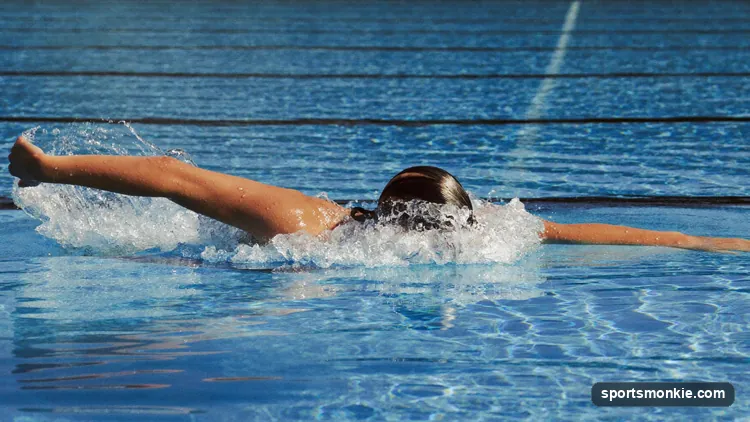
How to Swim: Complete Technique Guide for All 4 Strokes
Learn how to swim with correct technique for freestyle, breaststroke, backstroke, and butterfly. Body position, breathing, kick, and drills to swim farther and faster.
Tips to Start Swimming: A Beginner's Complete Guide
To start swimming as an adult, build water confidence first, then master freestyle breathing, kick, and arm technique. Here's a step-by-step plan.
How to Learn to Swim as an Adult: A Step-by-Step Guide
Learn to swim as an adult with a fear-first, step-by-step progression: water comfort, breathing, floating, and your first strokes. Confidence-building drills that actually work.
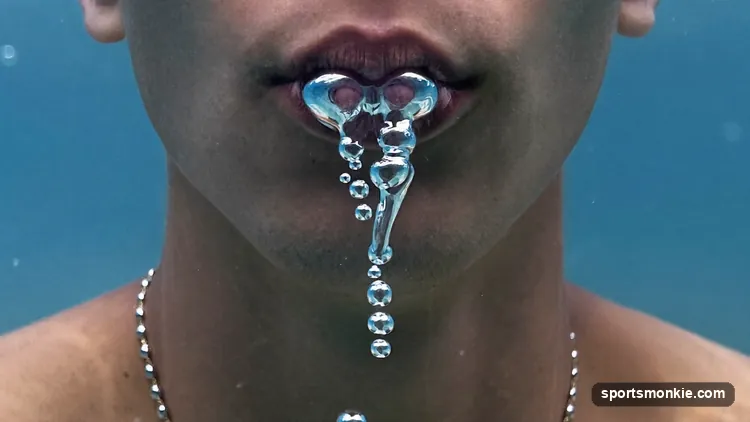
How to Breathe While Swimming: Rhythmic Breathing Guide
Learn how to breathe while swimming with rhythmic breathing, correct exhale timing, and stroke-by-stroke cues so you stop gasping and swim relaxed for longer.
How to Put On a Swim Cap Without Tearing or Slipping
Learn how to put on a swim cap the easy way: silicone vs latex, keeping long hair tucked in, avoiding tears, and stopping it from sliding off mid-swim.
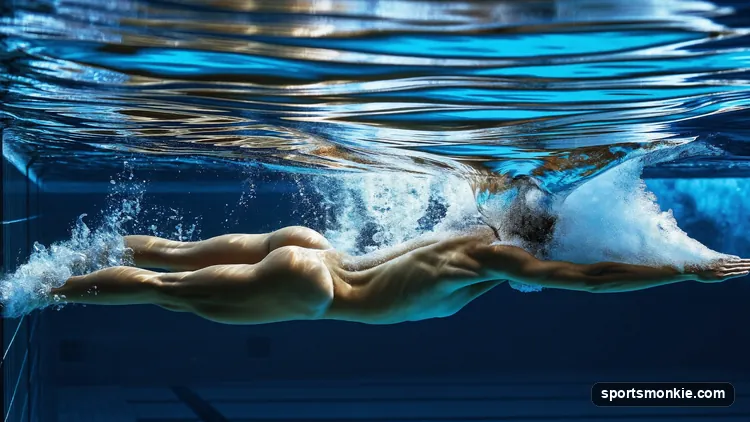
How to Swim Faster: Streamline, Stroke & Turn Tips
Learn how to swim faster with proven fixes: tighter streamlines, more distance per stroke, quicker turns, and smarter tempo. A coach-built guide to real speed.