
How to Throw a Disc Golf Disc: The Basics
On this page5
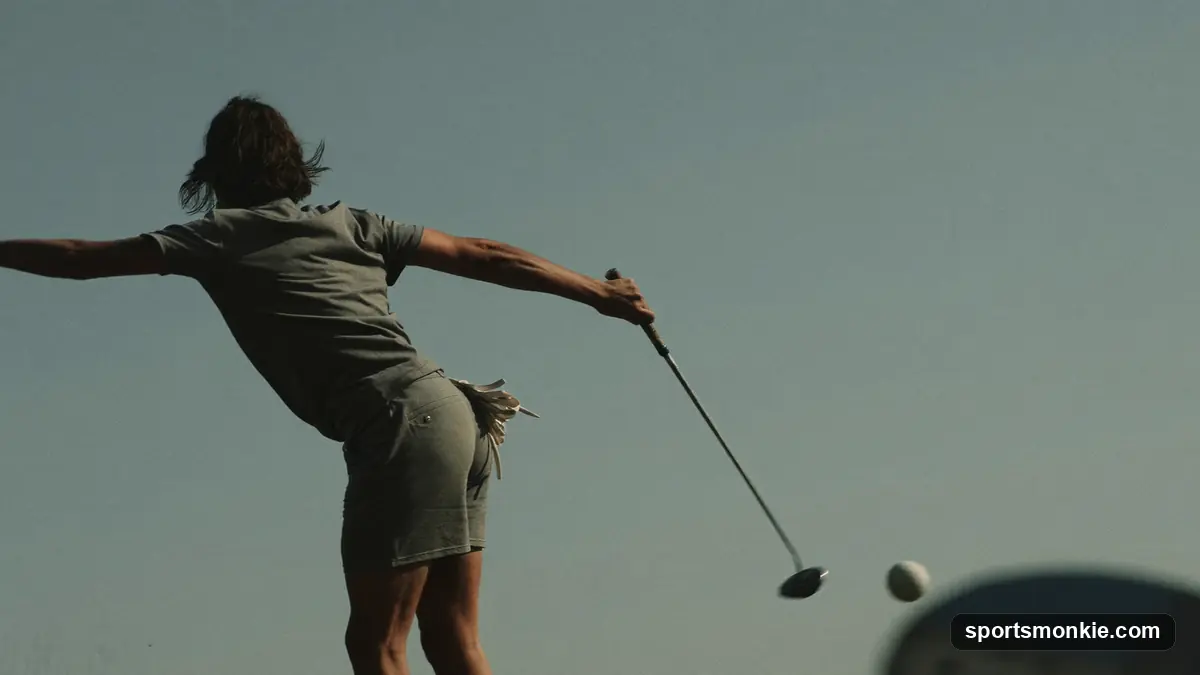
To throw a disc golf disc, you use one of two basic motions: the backhand, where you reach the disc across your body and pull it out in a straight line while snapping your wrist, or the forehand (also called a flick or sidearm), where you throw it much like a sidearm baseball toss. Both get their distance from a fast, clean release and rotation through the hips and shoulders, not from brute arm strength.
That is the mechanical heart of it. The reason beginners struggle is almost never power, it is timing and keeping the disc flat. Get those right and the disc glides; get them wrong and it dives into the ground or hooks off the fairway. Here is how to build both throws from scratch.
The backhand: your first throw
The backhand is the throw to learn first, because it is the most natural and the most powerful for most players. Break it into a sequence.
- Grip. Fold your four fingers under the rim and press your thumb on top. Firm, not white-knuckle.
- Stance. Stand side-on to your target, lead shoulder pointing where you want the disc to go.
- Reach back. Extend the disc back and across your body, close to chest height.
- The pull. Pull the disc in a straight line toward and past your chest, as if starting a lawnmower, letting your hips and shoulders rotate open.
- The snap and release. As the disc reaches full extension in front of you, snap your wrist and let go with the disc flat and level.
- Follow through. Let your body rotate to face the target.
The single biggest fault is “rounding,” swinging the arm out in a wide arc instead of pulling it straight across the chest. Rounding kills accuracy and power. Think straight line out, not big loop.
The forehand (flick)
The forehand is the second tool. You grip the disc with two fingers under the rim (index and middle, often in a “peace sign” against the inner rim) and your thumb on top, then throw it with a sidearm motion, snapping the wrist so the disc spins off your fingers.
It feels awkward at first because the wrist snap is doing most of the work, but it is invaluable: a forehand curves the opposite way to a backhand for a right-handed thrower, so together the two throws let you shape shots around obstacles in either direction. Start with short, controlled forehands and build up rather than trying to bomb it immediately.
Backhand vs forehand at a glance
| Feature | Backhand | Forehand (flick) |
|---|---|---|
| Motion | Pull across the body | Sidearm, like a baseball flick |
| Grip | Four fingers under the rim | Two fingers under, “peace sign” |
| Natural curve (RHBH thrower) | Finishes left | Finishes right |
| Easiest to learn | Yes | Second |
| Main power source | Hip and shoulder rotation | Wrist snap and forearm |
Most players learn the backhand to a reliable standard first, then add the forehand for the shots the backhand cannot shape. Having both makes almost any hole playable.
Flat is fast: the release angle
Whichever throw you use, release angle decides the flight. A disc released flat (level with the ground) flies the straightest and holds its line longest. Tilt the outer edge down and it will bank hard in that direction; tilt it up and it will climb, stall and drop.
Beginners almost always release with the nose angled up, trying to make the disc “fly” like a plane. Counterintuitively, a slightly nose-down, flat release travels much farther because it does not stall in the air. If your throws keep ballooning up and dropping short, check your release angle before anything else.
Realistic distance and disc choice
Do not expect 400-foot drives on day one. Most beginners throw roughly 150 to 250 feet once they have a basic pull, and less in the first outing. That is completely normal, and distance climbs fast as the pull and wrist snap get cleaner.
Disc choice helps. New players do best with a light, understable disc, which resists the beginner tendency to fade hard left (for a right-handed backhand) and stays in the air longer. Heavy, overstable drivers are for players who can already generate high speed and snap.
A common beginner mistake is starting with a fast, high-speed driver because it promises distance. In untrained hands those discs actually travel shorter, because they need far more arm speed to fly as designed and otherwise dump hard to the ground. A slower midrange or fairway disc will fly farther and straighter for a new player, and it doubles as a putting and approach disc while you learn. Build up to high-speed drivers only once your pull and snap are generating real speed.
The last piece is grip pressure and timing. Many beginners let the disc slip out early or hang on too long, both of which sap distance. Aim to release right as the disc reaches full extension in front of your chest, gripping firmly until that instant and then letting the wrist snap fling it free. That late, sudden release is what puts spin on the disc, and spin, not raw arm force, is what keeps it stable and flying.
Technique is only half of playing well, of course, the other half is knowing the game around it. Our disc golf rules for beginners guide covers tees, lies and penalties so you can take these throws onto a real course. If you enjoy the flight of a disc, the team-sport cousin ultimate frisbee uses many of the same backhand and forehand mechanics in a very different setting.
The short version: learn the backhand first with a straight-line pull and a flat, snappy release, add the forehand for the opposite curve, keep the disc flat to fly far, pick a light understable disc, and expect 150 to 250 feet while your technique catches up to your ambition.
Frequently asked questions
How to properly throw a disc in disc golf?+
Grip the disc firmly, stand side-on to your target, reach the disc back across your body, then pull it in a straight line close to your chest and snap your wrist as it leaves your hand. Power should flow from your legs and hips rotating through the throw, with the arm following, not leading. Keep the disc flat at release so it does not veer sharply, and follow through with your body facing the target.
What is the golden rule in disc golf?+
The golden rule is courtesy: stay quiet and still while others throw, stand behind the thrower, let faster groups play through, and leave no litter. It is an etiquette standard rather than a scoring rule, but it matters because disc golf is self-officiated and played on shared public land. Good throwing technique means little if you are distracting or endangering the group around you.
How far should a beginner throw a disc golf?+
Most beginners throw somewhere between 150 and 250 feet with a backhand once they have a basic grip and pull, and shorter than that in the first few sessions. Raw arm strength matters far less than clean technique and timing, which is why many new players are surprised that smooth throwers out-drive stronger ones. Distance grows quickly with practice on the pull and release, not with force.
How to throw a frisbee golf disc for beginners?+
Start with the backhand and a light, understable disc, which is easier to keep in the air. Focus on three things: a firm grip, a straight-line pull across your chest rather than a big rounding arm swing, and releasing the disc flat and level. Aim for smooth, repeatable form over maximum power. Once the backhand feels natural, add the forehand for shots that curve the other way.
Sources
Play & tools
Free browser games and tools — no account, no download.
- Play today's Sports Connections — Today's Sports Connections — daily hints, answers, and play the grid.
- Play Guess the NFL Player — A new mystery NFL player every day. Eight guesses, with a clue on each — plus free unlimited mode.
- Explore all our games →
Related guides
Disc Golf Rules for Beginners: Tees and Lies
Disc golf rules made simple: tee off, play from where your disc lands, avoid penalties, and reach the basket in fewest throws. PDGA basics for beginners.
Types of Tennis Shots: The Complete Guide to Every Stroke
The main types of tennis shots are groundstrokes, the serve, volleys, and specialty shots like the slice, lob, smash, and drop shot.
Best Disc Golf Discs for Beginners
The best beginner disc golf discs are slow, understable putters and midranges. How to choose by flight numbers, plus a simple 3-disc starter setup.
Longboard vs Skateboard: Which to Ride First
Longboards are longer, more stable and built for cruising; skateboards are shorter and made for tricks. Key differences and which to learn on first.
Pickleball Rules for Beginners: A Simple Guide
New to pickleball? Learn the serve, the two-bounce rule, the non-volley kitchen zone, scoring to 11, and the faults that trip up beginners the most.
Vertical Jump Training Basics: How to Start (Beginner Guide)
Vertical jump training basics: build leg and hip strength, add plyometrics to turn that strength into speed, and train two to three days a week. Here is how to start from scratch and what to skip.