
Best Disc Golf Discs for Beginners
On this page8
The best disc golf discs for beginners are slow, understable putters and midranges, not the high-speed distance drivers the professionals throw. A new player simply cannot generate enough arm speed to make a fast, overstable driver fly properly, so those discs dive into the ground, while a lightweight, low-speed, understable disc flies straight and surprisingly far.
If you are just starting, resist the urge to buy the same discs you see on tour highlights. The smart beginner bag is small and forgiving, and choosing it well comes down to understanding the flight numbers printed on every disc. Here is how to read them and what to buy.
Start with three discs, not twenty
The single most useful thing a beginner can do is carry a small bag. Three discs are enough: a putter, a midrange, and a slow, understable fairway driver. A compact set forces you to learn how each disc behaves and builds the throwing form that actually creates distance. A bag stuffed with high-speed drivers does the opposite, it hides your inconsistencies and slows your progress.
This mirrors the advice you will hear from the Professional Disc Golf Association (PDGA) and from disc manufacturers alike: control before distance. A player who can reliably throw a putter and midrange straight will beat a player who bombs erratic drivers all day.
Understand the four flight numbers
Nearly every modern disc is printed with four numbers, a system popularised by disc maker Innova and now used across the sport. Reading them is the whole skill of choosing discs.
| Flight number | What it means | Beginner target |
|---|---|---|
| Speed (1–14) | How fast you must throw for the disc to fly as designed | Low, roughly 1–7 |
| Glide (1–7) | How well the disc stays aloft | Higher is better for distance |
| Turn (+1 to −5) | Tendency to bank right early (RHBH); negative = understable | Understable (−2 to −5) |
| Fade (0–5) | How hard it hooks left at the end | Low (0–2) |
For a right-handed backhand thrower, a negative turn number means the disc is understable, exactly what a beginner wants. High glide keeps the disc in the air longer, adding distance without extra power. A low fade number stops the disc hooking hard left as it slows down.
Why understable beats overstable early
The most common beginner frustration is watching every throw dive hard to the left and land short. That happens because overstable discs are built to fight back to the left, and they only fly straight when thrown with high speed. Since beginners throw slower, an overstable disc never reaches the speed it needs and simply fades out early.
An understable disc solves this. Its natural tendency to turn right counteracts the beginner’s early left fade, producing a straighter, longer flight. As your arm speed grows over months of play, you will gradually add more stable and overstable discs, but understable is where everyone should begin.
Go lighter than you think
Weight matters too. Discs come in a range of weights (often up to 175 grams for a driver), and lighter discs require less power to get up to speed. A beginner throwing a lighter, understable disc will get noticeably more glide and distance than the same person throwing a heavy, overstable one. Many manufacturers sell lightweight beginner lines for precisely this reason.
A simple starter setup
Putting it together, a forgiving three-disc beginner bag looks like this:
- Putter: a slow (speed 1–3), straight-to-understable putter for short approaches and putting.
- Midrange: a speed 4–5 understable midrange, the most useful disc in the bag for controlled, straight shots.
- Fairway driver: a slow (speed 6–8), understable, high-glide driver for your longest throws.
Master those three and you will score better than most players who skipped straight to distance drivers. If you are still learning the mechanics of the throw itself, our guide to how to throw a disc golf disc walks through grip and release, and our overview of the rules of disc golf covers how the game is actually scored so you know what all this equipment is for.
Plastic types and durability
One detail beginners often overlook is the plastic a disc is made from, which affects both grip and how the disc ages. Base or entry-level plastics are cheaper and offer a grippier feel, but they wear faster, and as a disc scuffs and beats in, it gradually becomes more understable over time. Premium plastics are more durable and hold their original flight far longer, at a higher price. For a beginner, an inexpensive disc in base plastic is perfectly fine and even useful, since a slightly beaten-in disc turns more, which suits a slower arm. Do not feel you need to spend heavily on premium plastic to start.
How to grow your bag over time
The right way to expand from three discs is slowly and deliberately. Once you can reliably throw your putter, midrange and fairway driver straight, add discs one at a time and learn each before buying the next. A sensible progression is to add a slightly more stable midrange, then a second fairway driver with different flight numbers, and only much later a distance driver, once your form produces real arm speed. Resist the temptation to fill gaps in your game with new plastic; most of those gaps are fixed by technique, not by another disc. A player who adds discs thoughtfully ends up with a bag they understand, rather than a pile of drivers they cannot control.
Common mistakes to avoid
Two errors slow down almost every beginner. The first is buying high-speed distance drivers (speed 11 to 14) too soon; they need more power than a new thrower has and will only teach bad habits. The second is buying too many discs at once, which spreads your reps thin and hides which disc is really misbehaving. Keep it slow, keep it understable, and keep it small.
The short version: the best disc golf discs for beginners are slow, understable, lightweight putters and midranges plus one understable fairway driver. Read the flight numbers, keep speed low and turn negative, favour high glide, and build a three-disc bag before you ever reach for a fast distance driver.
Frequently asked questions
What discs should I start with for disc golf?+
Start with just three discs: a putter, a midrange and a slow, understable fairway driver. Beginners throw with far less arm speed than professionals, so a small, controllable set teaches accuracy and consistency better than a bag full of fast drivers. Choose lighter, low-speed, understable models, which fly straighter and farther for a new player. Most disc makers and the PDGA recommend mastering a putter and midrange first because control matters more than raw distance early on.
What is the 35 rule in disc golf?+
A common beginner guideline is that your disc's speed number multiplied by roughly five should not exceed your throwing power in miles per hour, and many new players are told to keep total disc speed low, often summarised as a '30-35' style cap on combined speed until form develops. In practice it means a beginner rarely benefits from high-speed drivers (speed 11 to 14) and should stay with lower-speed discs. Treat any such rule as a rough rule of thumb rather than an official regulation, since the PDGA rules govern play, not disc selection.
Is overstable or understable better for beginners?+
Understable is better for beginners. An understable disc tends to turn to the right (for a right-handed backhand throw) and resists the hard left fade that plagues new players who cannot generate much speed. Overstable discs are designed to fight back to the left and finish hard, which requires more arm speed to fly properly and will simply dump to the ground for a beginner. Start understable, then add overstable discs later as your power grows.
What is the best disc driver for a beginner?+
The best driver for a beginner is a slow, understable fairway driver rather than a high-speed distance driver. Look for a lower speed rating (roughly 6 to 8), high glide and an understable turn number, which together produce a straight, forgiving flight at slower arm speeds. Many disc makers market specific lightweight, understable fairway drivers to beginners for exactly this reason. Avoid speed 11-plus distance drivers until your form and power have developed.
Sources
Play & tools
Free browser games and tools — no account, no download.
- Play today's Sports Connections — Today's Sports Connections — daily hints, answers, and play the grid.
- Play Guess the NFL Player — A new mystery NFL player every day. Eight guesses, with a clue on each — plus free unlimited mode.
- Explore all our games →
Related guides
Disc Golf Rules for Beginners: Tees and Lies
Disc golf rules made simple: tee off, play from where your disc lands, avoid penalties, and reach the basket in fewest throws. PDGA basics for beginners.

How to Throw a Disc Golf Disc: The Basics
Learn to throw a disc golf disc: backhand and forehand grips, the reach-back and pull, the release, and how far a beginner should expect to throw.
Bouldering Gear for Beginners
The bouldering gear beginners actually need: climbing shoes, chalk and a brush for the gym, plus a crash pad and more for outdoor bouldering.
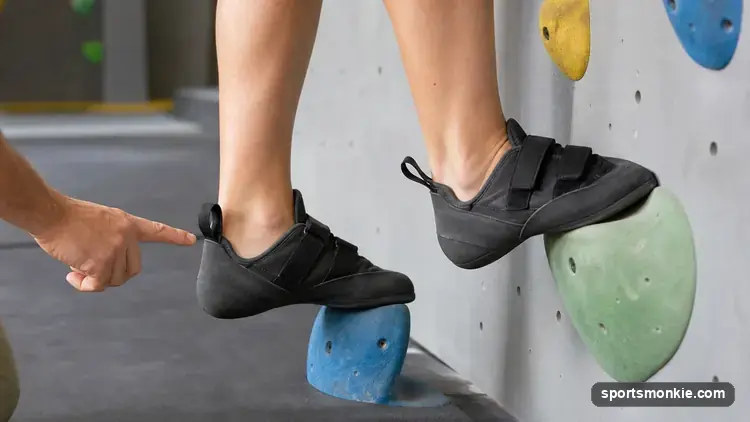
Climbing Shoes for Beginners: What to Buy and How They Should Fit
The best climbing shoes for beginners are flat, neutral, and snug, not painful. Here's how to size them, rent vs buy, and 5 real 2026 models with prices.
Climbing and Bouldering Gear for Beginners: What You Need
Bouldering gear for beginners: what to rent at the gym, what's worth buying on day one, and a real starter budget from chalk bags to crash pads.
Fly Fishing Gear for Beginners: What You Actually Need
Fly fishing gear for beginners beyond the rod: waders, boots, tools, and a 4-fly starter kit, with real combo prices for the US, UK, AU, and CA.