
Bouldering Gear for Beginners
On this page5
Bouldering needs remarkably little gear to start, which is a big part of its appeal. For indoor bouldering you really only need climbing shoes and chalk, and because gyms rent shoes, you can try the sport with almost nothing of your own. Bouldering also skips the rope, harness and belay device that rope climbing requires, since the climbs are low and your falls are protected by padded flooring indoors or a crash pad outdoors.
That means beginners can focus on just a few items and add more as they commit. This guide lays out what to buy first, what can wait, and what you can simply rent, so you spend on the right things and avoid gear you don’t need yet.
The essentials, indoor vs outdoor
Your gear list depends entirely on where you climb. Indoor bouldering is minimal; outdoor bouldering adds the crash pad and a bit more. Here is the practical breakdown.
| Item | Indoor | Outdoor | Notes |
|---|---|---|---|
| Climbing shoes | Essential (rent or buy) | Essential | Comfort-first for beginners |
| Chalk + chalk bag/bucket | Essential | Essential | Keeps hands dry and grippy |
| Brush | Nice to have | Essential | Cleans holds of chalk and dirt |
| Crash pad | Not needed (padded floor) | Essential | Protects landings on hard ground |
| Spotter | Not needed | Recommended | A person who guides your fall |
| Approach shoes | Not needed | Useful | For hiking to outdoor boulders |
Notice there is no rope, harness or belay device anywhere on the list, that gear belongs to roped climbing, not bouldering.
Start with shoes and chalk
If you buy just two things, make them climbing shoes and chalk. For a first pair of shoes, prioritize comfort and a flatter, less aggressive shape over high-performance downturned models. A moderately snug (not painful) fit, a flat or slightly downturned profile, and durable rubber will serve you far better while learning than an aggressive shoe built for steep, advanced problems. Try pairs on in person if you can, since fit varies by brand and foot shape, and rent a few different models at the gym first to learn what suits you. Our bouldering shoes for beginners guide goes deeper on fit and choosing your first pair.
Chalk keeps your hands dry for better grip. A simple chalk bag (for quick dips) or a larger chalk bucket (handy for bouldering, where you chalk between attempts) plus a block or loose chalk is all you need to begin.
Add a brush, then a crash pad for outdoors
Once you are climbing regularly, a small brush earns its place: it cleans chalk build-up and dirt off holds so they grip better, useful indoors and essential outdoors. When you start bouldering outside, the big-ticket purchase is a crash pad, a portable foam mat that cushions your landing on hard, uneven ground. Many outdoor boulderers use more than one pad and climb with a spotter, a partner who guides your fall toward the pad and away from hazards. Approach shoes for hiking to the boulders round out the outdoor kit.
What you can skip (for now)
Beginners often over-buy. You do not need a rope, harness, belay device, aggressive performance shoes, a fingerboard, or specialist tape on day one. Chalk-free “liquid chalk” and other extras are optional refinements. Build strength and technique first; the gear can follow your progress. For the broader climbing picture, our rock climbing for beginners guide explains how bouldering fits alongside roped disciplines, and climbing gear for beginners covers what changes once you add a rope. When you’re ready to climb better, our climbing tips for beginners has technique pointers that matter more than any purchase.
The bottom line
Bouldering is one of the most gear-light ways into climbing: indoors, rent shoes and buy chalk, and you’re set. As you commit, invest in a comfortable beginner pair of shoes, a chalk bag and a brush, and add a crash pad and spotter when you head outdoors. Prioritize comfort and technique over flashy, aggressive equipment, and let your gear grow with your climbing rather than buying it all up front.
Frequently asked questions
What gear do you need to start bouldering?+
For indoor bouldering you really only need climbing shoes and chalk, and most gyms rent shoes, so you can try it with almost no gear. As you get into it, the beginner essentials are a comfortable pair of climbing shoes, a chalk bag or bucket with chalk, and a small brush for cleaning holds. Bouldering does not use a rope, harness or belay device, because climbs are low to the ground and falls are protected by padded flooring indoors or a crash pad outdoors. Start minimal and add gear as you commit.
Do you need a crash pad for bouldering?+
Only for outdoor bouldering. Indoor gyms have thick padded flooring under the walls, so you don't need your own crash pad there. Outdoors, a crash pad (a portable foam mat) is essential safety gear, it cushions your landing on uneven, hard ground, and many boulderers use several pads plus a spotter for higher or riskier problems. If you only climb in the gym, you can skip buying a crash pad entirely until you start heading outside.
What climbing shoes should a beginner buy?+
Beginners should prioritize comfort and a flatter, less aggressive shape over high-performance downturned models. A moderately snug but not painful fit, a flat or slightly downturned profile, and a durable rubber sole make learning far more enjoyable and let you climb longer sessions. Aggressive, heavily downturned shoes are built for steep, advanced problems and tend to be uncomfortable for new climbers. Try shoes on in person if you can, since fit varies by brand and foot shape. Rent a few pairs at the gym first to learn what suits you.
Is bouldering an expensive hobby to start?+
Bouldering is one of the more affordable climbing disciplines to begin, because indoors you can rent shoes and just buy chalk, keeping startup costs low. The main ongoing cost is the gym membership or day passes. Buying your own beginner shoes, a chalk bag and chalk is a modest one-time outlay. Costs rise if you move outdoors and invest in a crash pad and a brush kit, or buy multiple pads. Overall, it needs far less gear than rope climbing, which requires a harness, rope, belay device and more.
Sources
Play & tools
Free browser games and tools — no account, no download.
- Play today's Sports Connections — Today's Sports Connections — daily hints, answers, and play the grid.
- Play Guess the NFL Player — A new mystery NFL player every day. Eight guesses, with a clue on each — plus free unlimited mode.
- Explore all our games →
Related guides
Climbing and Bouldering Gear for Beginners: What You Need
Bouldering gear for beginners: what to rent at the gym, what's worth buying on day one, and a real starter budget from chalk bags to crash pads.
Fly Fishing Gear for Beginners: What You Actually Need
Fly fishing gear for beginners beyond the rod: waders, boots, tools, and a 4-fly starter kit, with real combo prices for the US, UK, AU, and CA.

Best Disc Golf Discs for Beginners
The best beginner disc golf discs are slow, understable putters and midranges. How to choose by flight numbers, plus a simple 3-disc starter setup.
Bouldering Shoes for Beginners
How to choose beginner bouldering shoes: why a flat, comfortable, moderately snug shoe beats an aggressive one, plus sizing, fit and material tips.
Beginner Scuba Gear: What to Buy and What to Rent
Beginner scuba gear cost, broken down by what to buy first, what to rent, what to skip, and the Amazon-ready starter kit that makes sense for new divers.
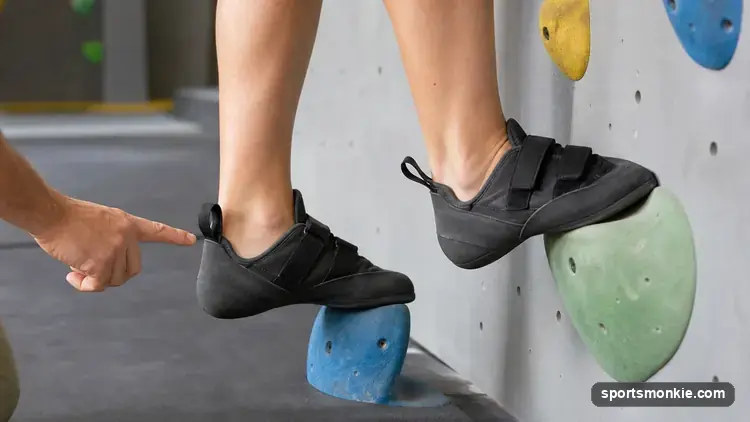
Climbing Shoes for Beginners: What to Buy and How They Should Fit
The best climbing shoes for beginners are flat, neutral, and snug, not painful. Here's how to size them, rent vs buy, and 5 real 2026 models with prices.