
Rock Climbing for Beginners: How to Actually Get Started

On this page6
- 01Where should a total beginner actually start?
- 02What’s the difference between bouldering, top-rope, and lead climbing?
- 03How much does a first visit to a climbing gym actually cost?
- 04Do you need a belay certification before you can climb ropes?
- 05How steep is the learning curve, honestly?
- 06What should you wear and bring to your first session?
Rock climbing for beginners starts at an indoor climbing gym, not on an actual cliff. Sign a waiver, rent shoes and a harness, and try bouldering (no rope, no partner needed) or a top-rope route with staff supervision. A first session costs roughly $30 to $49 in the US, and most gyms require a short belay test before you can climb ropes on your own. Skip lead climbing entirely until you’ve logged real top-rope time.
That’s the whole decision tree, but the details matter: which discipline to try first, what a gym actually charges once rental fees and orientation are added, and how a belay test works before anyone hands you a rope. Here’s what the top-10 pages for this topic gloss over, with real gym prices from four countries.
Where should a total beginner actually start?
At an indoor climbing gym, every time. Outdoor climbing adds route-finding, weather, loose rock and anchor-building that no beginner should be managing alone, while a gym gives you padded floors, color-coded routes graded by difficulty, and staff watching for bad habits before they turn into injuries. REI’s beginner guide points new climbers toward exactly this: bouldering or top-roping indoors as the two realistic entry points, since both need minimal gear and neither demands outdoor skills you haven’t built yet.
You do not need to be strong first. Climbing gyms grade routes from absolute beginner up, and most people who show up out of shape find their first V0-V2 boulder problems or 5.6-5.9 top-rope routes are more about figuring out where to put your feet than raw power. Show up, sign the waiver, and let the grading system sort you into the right routes.
What’s the difference between bouldering, top-rope, and lead climbing?
Three distinct disciplines, and beginners should only touch two of them. Bouldering keeps you low and rope-free; top-rope climbing takes you higher with a rope already anchored above; lead climbing has you clipping the rope in as you ascend, which is where real fall risk shows up. As the American Alpine Institute explains, a lead climber who falls ten feet above their last clip drops twenty feet before the rope catches, a risk gap that simply doesn’t exist in top-roping.
| Bouldering | Top-Rope Climbing | Lead Climbing | |
|---|---|---|---|
| Typical height | Under 15-20 ft | 30-60+ ft | 30-60+ ft |
| Gear needed | Shoes, chalk | Shoes, harness, rope, belay device, partner | Shoes, harness, rope, quickdraws, experienced partner |
| Skill/certification | None | Belay test or paid intro class | Advanced belay skills plus a lead certification |
| Fall risk | Low (crash pads, short falls) | Low, rope stays taut throughout | Higher; falls can be double the distance to your last clip |
| Best for | Absolute beginners, solo climbers | Beginners with a partner, building rope skills | Climbers with months of solid top-rope experience |
My take: bouldering wins for a first visit if you’re going alone, since you can walk in, rent shoes, and start climbing within ten minutes with zero paperwork beyond a waiver. Top-rope is the better starting point once you have a regular partner, because the rope skills you build there are the same ones lead climbing eventually demands.
How much does a first visit to a climbing gym actually cost?
Plan for $25 to $50 on your first visit almost anywhere in the English-speaking world, once you add gear rental to the entry fee. Movement Gyms, a major US chain, charges day passes between $23 and $37 depending on the city, plus $6-7 for shoes, $4-5 for a harness, and $2-3 for chalk, or a bundled rental package around $7-12. That puts a realistic US first visit at $30 to $49 before any lesson.
| Country | Example gym | Entry | Gear rental | Approx first-visit total |
|---|---|---|---|---|
| USA | Movement Gyms | $23-37 | $7-12 (bundle) | $30-49 |
| UK | London Climbing Centres | £11-17 (off-peak/peak) | £4.50 shoes, £2.50 chalk | £17.50-24 |
| Australia | Sydney Indoor Climbing Gym | A$25 | A$12 (harness + shoes) | A$37 |
| Canada | Joe Rockhead’s | Included | Included | CAD $45 (Top Rope 101, all-in) |
Two things worth flagging. First, that Canadian figure isn’t a bare day pass; it’s Joe Rockhead’s “Top Rope 101” class, which bundles entry, rental gear and belay instruction into one price, which is arguably the cleanest way to start anywhere on this list. Second, several gyms sweeten a first visit: London Climbing Centres knocks £5 off your second session, and Sydney Indoor Climbing Gym’s belay orientation is free the moment you walk in. Ask at the front desk before you assume you’re paying full rack rate.
Do you need a belay certification before you can climb ropes?
Yes, at nearly every gym, and this is the part first-timers underestimate. Before you can climb or belay on ropes unsupervised, staff will test you on tying in correctly, fitting a harness, and belaying a partner safely, including catching a fall. Sydney Indoor Climbing Gym runs this as a free ten-minute practical evaluation bundled into every new visitor’s orientation; Joe Rockhead’s folds the same skills into its $45 Top Rope 101 class, which teaches belaying and top-rope routes together rather than testing you cold.
Bouldering sidesteps this entirely, which is another reason it’s the friction-free way to try climbing once and decide if you like it. If you already know you want to climb ropes, book the paid intro class rather than winging the belay test on your first visit. It’s cheaper than a wasted trip, and instructors would rather teach the habit correctly than fail you and send you home.
How steep is the learning curve, honestly?
Steeper on your forearms than your brain. Most beginners can complete an easy boulder problem or top-rope route within their first hour, because gym grading systems exist specifically to make day one achievable. What actually takes time is forearm and finger strength, since climbing loads muscles most people have never trained, and reading movement, since efficient climbing is about weight placement and footwork, not pulling harder.
Give it two to three months of climbing once or twice a week before movement starts feeling less awkward and your forearms stop pumping out after five minutes. Comfortably progressing to lead climbing, if you want to, typically sits six to twelve months out, once top-rope movement and belaying feel automatic rather than deliberate. Anyone promising faster than that is selling something.
What should you wear and bring to your first session?
Just clothes; the gym supplies everything else. Wear athletic leggings, joggers or shorts that don’t restrict a high knee lift, and a fitted top that stays put under a harness. Tie back long hair, skip jewelry that could snag, and bring a water bottle, since a session runs longer and sweatier than most people expect from what looks like a static sport.
Rental shoes, a harness, and chalk are all available at the desk, usually for the bundled price shown in the table above. There’s no reason to buy anything before your first visit; save the gear decisions for once you know you’re coming back. When you’re ready to buy your own pair, our guide to climbing shoes for beginners covers sizing, fit, and which models are actually worth it, so you’re not guessing at the shop.
Book that first session on a weekday off-peak slot if your gym has one; it’s cheaper and quieter, which means more attention from staff and less waiting for a route. Once bouldering or top-rope has you hooked, our breakdown of the best push-up exercises for climbers covers the antagonist strength training that keeps your shoulders healthy as your session count climbs, and if the outdoor side of the sport eventually calls, our look at the greatest mountaineers of all time is worth a read for where this hobby can lead.
Frequently asked questions
How much does rock climbing cost for a first-time beginner?+
Budget $30 to $49 in the US for a day pass plus shoe, harness and chalk rental at a gym like Movement. In the UK expect roughly £17.50 to £24 for a session and gear hire, in Australia about A$37, and in Canada around CAD $45 for an all-inclusive beginner belay class like Joe Rockhead's Top Rope 101.
What's the difference between bouldering, top-rope, and lead climbing?+
Bouldering stays under 15-20 feet with no rope, just shoes, chalk and crash pads, and needs no partner. Top-rope climbing goes higher on walls up to 60 feet with a rope anchored above you and a belayer holding your fall. Lead climbing means clipping the rope in as you climb, which carries real fall risk and isn't for beginners.
Do I need a belay certification to climb ropes at a gym?+
Yes, almost every gym requires you to pass a belay test or take a paid intro class before you can climb or belay on ropes without staff supervision. The test checks your knot-tying, harness fit and ability to catch a falling partner safely. Bouldering skips this requirement entirely, since there's no rope involved.
Is rock climbing hard to learn as a beginner?+
The first session is humbling more than hard. Most beginners climb easy bouldering problems or top-rope routes within an hour of instruction. Building real strength and reading movement takes 2 to 3 months of regular sessions, and comfortably leading routes is typically 6 to 12 months away. Nobody climbs their hardest grade on day one.
Should a beginner start with bouldering or top-rope climbing?+
Bouldering, if you're climbing solo or unsure you'll stick with it, since it needs no partner, harness, or belay test, just shoes and chalk. Top-rope suits you better if you already have a regular climbing partner, since ropes let you climb higher and build the rope-safety habits you'll need for lead climbing later.
What should a beginner wear to a climbing gym?+
Athletic clothes you can move freely in: leggings, joggers or shorts that don't restrict a high step, and a fitted t-shirt that won't ride up under a harness. Skip jeans and baggy clothing that snags on holds. The gym rents shoes, harness and chalk, so you don't need to own any gear for your first visit.
Sources
- REI Expert Advice — Rock Climbing Basics: Getting Started
- American Alpine Institute — Definitions for Beginners: Top-Rope vs. Lead vs. Bouldering vs. Free Solo
- Movement Gyms — Memberships & Passes (US pricing)
- London Climbing Centres — Prices (UK pricing)
- Sydney Indoor Climbing Gym — Our Prices (AU pricing)
- Joe Rockhead's — Beginners (Canada pricing and belay class)
Play & tools
Free browser games and tools — no account, no download.
- Play today's Sports Connections — Today's Sports Connections — daily hints, answers, and play the grid.
- Play Guess the NFL Player — A new mystery NFL player every day. Eight guesses, with a clue on each — plus free unlimited mode.
- Explore all our games →
Related guides
Fly Fishing for Beginners: How to Actually Get Started
Fly fishing for beginners explained: how it differs from spin fishing, why casting is the real learning curve, where to practice, costs, and etiquette.
Climbing Tips for Beginners: What Actually Helps You Improve
Real climbing tips for beginners: footwork over arm strength, reading routes, grip types, falling safely, and pacing to avoid forearm pump.
How to Swim for Beginners: First Steps in the Water
Learn how to swim as a beginner with a step-by-step plan: get comfortable, float, blow bubbles, kick, and swim your first freestyle strokes safely.

Marathon Training Plan for Beginners: A 16-Week Schedule
A beginner marathon training plan runs 16 to 18 weeks, builds from about 15 to 40 weekly miles, and peaks with a 20-mile long run before a 3-week taper. Here is the full week-by-week schedule.
Best Scuba Diving Destinations for Beginners
The best scuba diving destinations for beginners, compared on water temp, visibility, and real cost: Bonaire, Cozumel, Key Largo, Koh Tao, and Cairns.
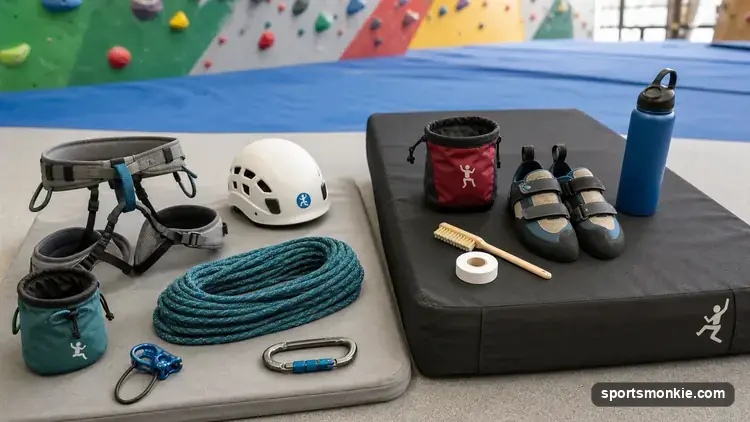
Climbing and Bouldering Gear for Beginners: What You Need
Bouldering gear for beginners: what to rent at the gym, what's worth buying on day one, and a real starter budget from chalk bags to crash pads.