
Breaststroke Technique: Pull, Breathe, Kick, Glide Timing
On this page8
- 01The Pull-Breathe-Kick-Glide Rhythm
- 02The Breaststroke Pull: Short, Quick, and Sculling
- 03Breathing Without Wrecking Your Body Line
- 04The Whip Kick: Where Most of Your Power Comes From
- 05Body Undulation: The Subtle Wave
- 06Hold the Glide (This Is Where You Travel)
- 07A Simple Drill Progression
- 08Putting It All Together
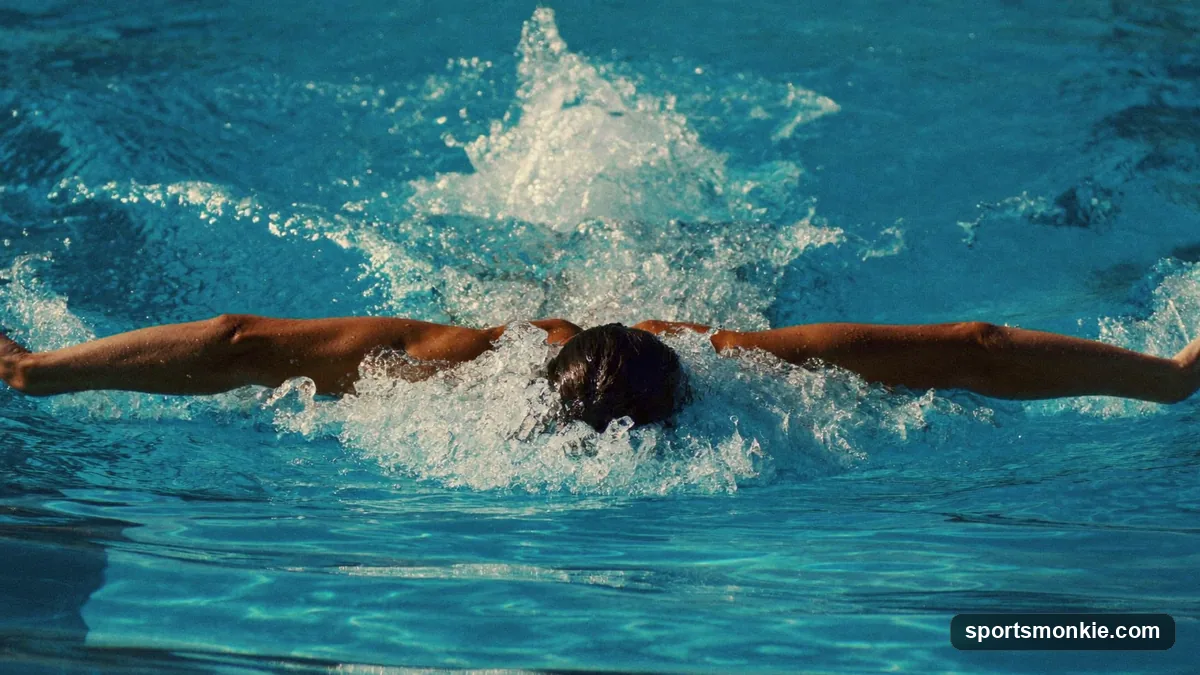
Breaststroke works on one repeating rhythm: pull, breathe, kick, glide. You sweep your hands out and in to lift your chest and grab a breath, snap a whip kick behind you, then shoot both arms forward into a long streamline and glide before starting again. Get that timing right and the stroke turns from an exhausting slog into the most relaxed, efficient way to swim.
The Pull-Breathe-Kick-Glide Rhythm
Everything in breaststroke lives or dies by sequence. The single biggest mistake swimmers make is pulling and kicking at the same time, which cancels out both propulsive forces and leaves you spinning your wheels. Instead, the movements overlap in a specific order.
- Pull - hands sweep out, catch, and scull back in.
- Breathe - the inward pull naturally lifts your chest so you inhale.
- Kick - as the arms shoot forward, the legs whip back.
- Glide - you streamline and ride the speed before the next pull.
Say it out loud in your head while you swim: pull, breathe, kick, glide. When the timing is right, your hands and feet are never both working at once. The arms recover forward at the same moment the legs drive back, so you are always producing propulsion from one end of your body. If you are new to the water entirely, build this on top of the fundamentals in our how to swim for beginners guide before you chase speed.
The Breaststroke Pull: Short, Quick, and Sculling
Forget the long, wide sweep you see beginners flailing through. An efficient breaststroke pull is compact and fast.
Start in a full streamline, arms extended, palms angled slightly outward. Then:
- Out-sweep: press your hands out and slightly down until they are a little wider than your shoulders. Feel the catch with your palms and forearms.
- In-sweep: sweep your hands down, in, and back toward your chest in a heart shape. This is the power phase, and it is what lifts your upper body.
- Recovery: snap both hands forward together, under your chin, and extend into a streamline.
Your elbows should stay high during the catch, the same “early vertical forearm” idea used in freestyle swimming technique. Never pull your hands past your shoulders toward your hips. In breaststroke, a pull that goes too far back and too wide sinks your body and steals your glide.
Breathing Without Wrecking Your Body Line
The breath is built into the pull, not bolted on top of it. As your hands sweep inward and press down, that action raises your shoulders and head just enough to clear the surface. Inhale quickly through the mouth, then drive your face back down as your arms shoot forward.
Common breathing faults and fixes:
| Fault | What it does | Fix |
|---|---|---|
| Lifting the whole head | Sinks the hips, adds drag | Let the pull raise you; keep the chin tucked |
| Breathing too late | You rush and gulp air | Inhale during the in-sweep, not after |
| Holding your breath | CO2 builds, you tire fast | Exhale steadily through the glide |
Keep your eyes angled down and slightly forward, not straight ahead. The water should break around your hairline, not your throat. If breathing rhythm is your weak point across every stroke, spend time on the drills in our how to breathe while swimming guide.
The Whip Kick: Where Most of Your Power Comes From
Breaststroke is the only stroke where the legs often out-produce the arms. The propulsion comes from the whip kick, not the old wide “frog” kick.
Here is the sequence:
- Recovery: draw your heels up toward your seat, knees about hip-width apart. Keep the knees from splaying too wide, which creates drag.
- Turn out: rotate your feet so the toes point outward and the soles face backward. This is the key position that lets your insteps grab water.
- Whip: press your feet back, out, and around in a circular sweep, accelerating as you go.
- Snap together: finish with your legs fully extended and pressed together, then hold the streamline.
The power is in the acceleration and the instep pressure, not brute force. A narrow, fast whip beats a wide, slow squeeze every time. Because the propulsion phases stack the same way they do in the butterfly stroke technique, many coaches teach the two strokes’ timing side by side.
Body Undulation: The Subtle Wave
A good breaststroke is not flat. Your body moves through a gentle wave, called undulation, that keeps you level and slippery.
As your arms extend forward and your chest presses slightly down, your hips rise. As the kick finishes and drives you forward, your body flattens back into the streamline. This small “body dolphin” reduces drag and helps time the stroke.
The word to remember is subtle. This is not the big hip throw of butterfly. If your hips are breaching the surface or your feet are kicking downward like a dolphin, you have gone too far and, in competition, into an illegal stroke. Let the rhythm of the pull and kick create the wave naturally rather than forcing it.
Hold the Glide (This Is Where You Travel)
The glide is the most under-used weapon in amateur breaststroke. After your kick snaps closed, you are moving at your fastest speed of the whole cycle. Every fraction of a second you spend stretched in a tight streamline is nearly free distance.
- Squeeze into a full streamline: hands stacked, arms hugging your ears, legs together.
- Hold until you feel your speed begin to fade, then start the next pull.
- For distance swimming, that glide might last a full second or more; for sprinting, it shrinks but never disappears.
Cutting the glide to stroke faster is the classic beginner trap. More strokes per length usually means slower, not quicker. Counting your strokes per length and trying to reduce the count is one of the fastest ways to swim faster without getting fitter, because it forces you to use the glide.
A Simple Drill Progression
You do not fix breaststroke by swimming more sloppy laps. Isolate the parts:
- Kick on your back or with a board: heels to seat, toes out, whip and snap. Feel the instep pressure.
- Two kicks, one pull: exaggerate the glide so the timing burns in.
- Three-stroke glide count: hold each streamline for a slow count of “one-thousand-one.”
- Pull-buoy scull: practice the heart-shaped in-sweep without the legs distracting you.
Build these into any warm-up. If you want a structured set to follow, our swimming drills for beginners guide sequences them into a full session, and the master how to swim technique guide shows how breaststroke fits alongside the other strokes as your all-around skills grow.
Putting It All Together
Run through the full cycle slowly in your head: from a streamline, hands sweep out and scull in as your chest lifts and you breathe; arms shoot forward as your heels draw up and whip back; you snap into a tight streamline and glide until the speed drops; then you begin again. Pull, breathe, kick, glide.
Nail the timing first, then sharpen each piece. A short, quick pull, a narrow, accelerating whip kick, a subtle body wave, and a patient glide will carry you farther on less effort than any amount of thrashing. Breaststroke rewards rhythm over raw power, which is exactly why it stays comfortable long after the other strokes have worn you out.
Frequently asked questions
What is the correct order of movements in breaststroke?+
The sequence is pull, breathe, kick, glide, repeated as one continuous rhythm. Your hands sweep out and back to lift your chest so you can breathe, then your arms shoot forward while your legs snap a whip kick behind you, and you finish in a stretched streamline glide. A useful mantra is pull, breathe, kick, glide. Never kick and pull at the same time, or you will stall and fight your own momentum.
Why is breaststroke so tiring for beginners?+
Most beginners exhaust themselves by pulling too wide and too far, lifting the head too high, and skipping the glide. Each of these wastes energy and kills forward speed, so you work harder for less distance. A wide pull past the shoulders drags you down, a high head lift sinks the hips, and no glide means you never rest. Shorten the pull, keep the chin low, and hold each glide for a full second to swim farther with less effort.
How do I get the breaststroke whip kick right?+
Draw your heels up toward your seat with knees roughly hip-width apart, turn your toes out so the soles of your feet face backward, then snap your feet back and around in a circular whip, finishing with the legs pressed together. The power comes from the insteps pressing against the water, not a frog-leg squeeze. Avoid a wide knee spread and never let your feet stay pointed like in freestyle, or you lose all propulsion.
When should I breathe in breaststroke?+
You breathe once per stroke, during the pull. As your hands sweep in and press down, that action naturally lifts your chest and head just enough to inhale through the mouth. Drop your face back into the water as your arms shoot forward, then exhale steadily through your nose and mouth during the glide and kick. Breathing late or lifting the whole head instead of letting the pull raise you are the two most common timing errors.
Is a glide really necessary in breaststroke?+
Yes for distance and efficiency, though the glide shortens as you sprint. The glide is where you actually travel fastest, riding the momentum from your kick in a tight streamline. Cutting it out to stroke faster usually makes you slower because you never let the propulsion work. For training and open water, hold the glide until you feel your speed start to fade, then begin the next pull. Sprinters shorten but never fully eliminate it.
How is the breaststroke body position supposed to move?+
Breaststroke has a gentle undulation, not a flat float. Your hips and chest rise and fall in a small wave: the chest presses forward and slightly down as the arms extend, and the hips lift as the kick finishes. This body dolphin keeps you level and reduces drag. Keep the movement subtle, driven by the rhythm of the stroke rather than an exaggerated butterfly-style hip throw, which would break the legal stroke and waste energy.
Sources
Play & tools
Free browser games and tools — no account, no download.
- Play today's Sports Connections — Today's Sports Connections — daily hints, answers, and play the grid.
- Play Guess the NFL Player — A new mystery NFL player every day. Eight guesses, with a clue on each — plus free unlimited mode.
- Explore all our games →
Related guides
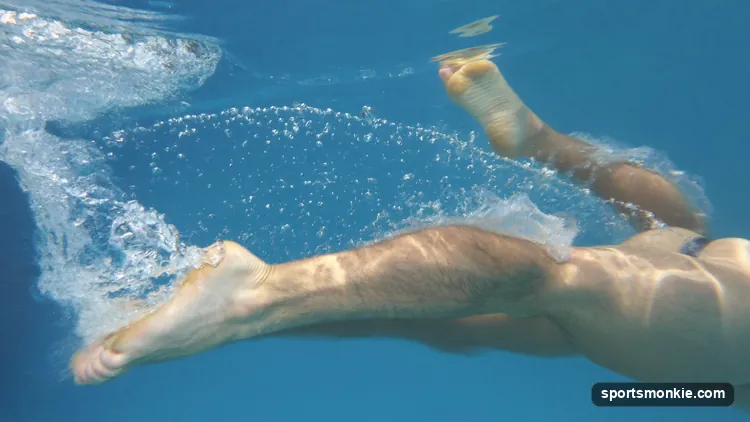
Breaststroke Kick Technique: Whip Kick, Faults & Drills
Master the breaststroke kick with a step-by-step whip kick sequence, ankle flexion cues, whip vs frog kick differences, and fixes for the most common faults.
How to Swim: Complete Technique Guide for All 4 Strokes
Learn how to swim with correct technique for freestyle, breaststroke, backstroke, and butterfly. Body position, breathing, kick, and drills to swim farther and faster.
Freestyle Breathing Technique: Breathe Without Sinking
Master freestyle breathing with head-position, exhale-underwater, and bilateral breathing cues. Fix the lift-and-sink habit and swim relaxed for longer, faster laps.
Freestyle Swimming Technique: Body Position, Catch & Pull
Master freestyle swimming technique with coaching cues for body position, the catch, high-elbow pull, hip rotation, and a two-beat kick that saves energy.
Breaststroke Swimming: Technique, Timing, and Drills Explained
Breaststroke swimming is the slowest competitive stroke, built on a pull-breathe-kick-glide rhythm and a whip kick. Learn the timing, pull-out, and fixes.
Butterfly Stroke: Technique, Kick Timing, and Drills Explained
The butterfly stroke pairs a simultaneous over-water arm recovery with two dolphin kicks per cycle, making it swimming's hardest, second-fastest stroke.