
Racket Sports: Rules and how it works
Browse SportsMonkie's rules and how it works about racket sports, organized in one crawlable topic hub.
26 articles in this topic.
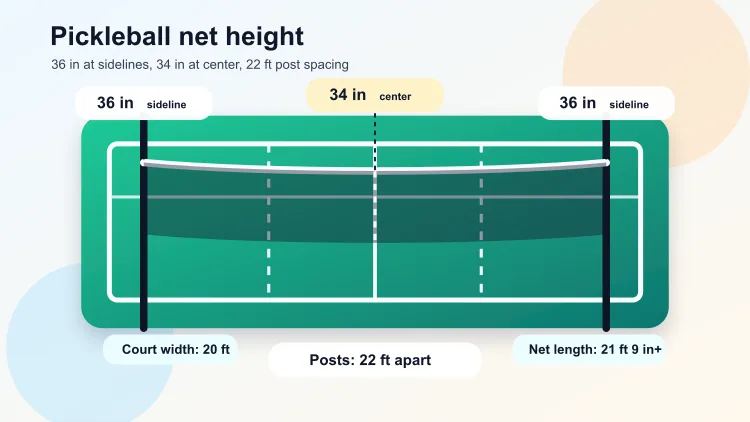
Pickleball Net Height: Official 36/34 Inch Setup
Official pickleball net height is 36 inches at the sidelines and 34 inches at the center. Check post spacing, net length, center sag and tennis-net conversions.
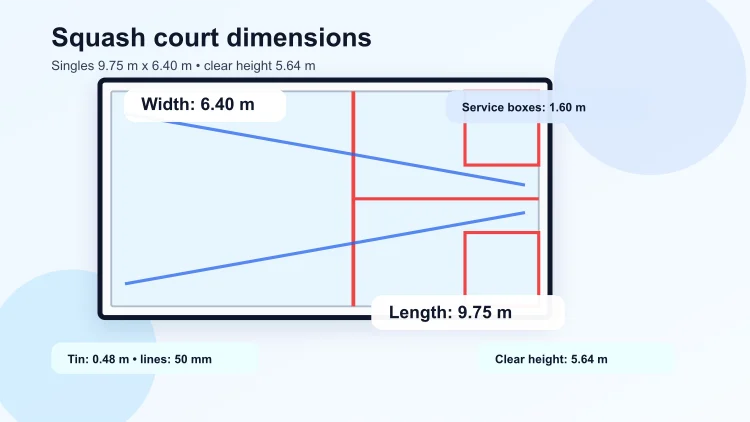
Squash Court Dimensions and Space Needed
Official squash court dimensions: 9.75m x 6.40m singles court, line heights, tin height, service boxes, clear height and build space.
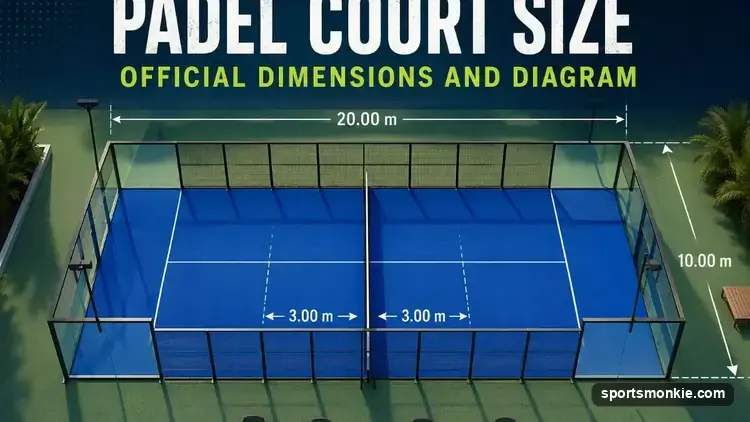
Padel Court Dimensions and Space Needed
Official padel court dimensions from the 2026 FIP rules: 20m x 10m court size, net height, service lines, walls, ceiling height and build footprint.
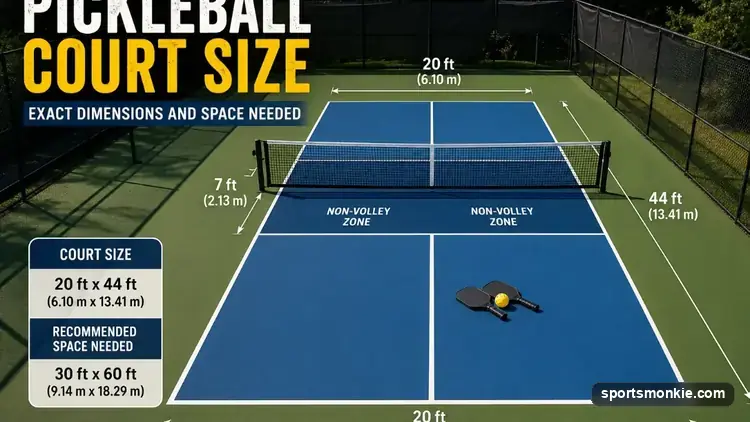
Pickleball Court Dimensions and Space Needed
Official pickleball court dimensions: 20 x 44 ft lines, 30 x 60 ft minimum playing surface, 34 x 64 ft preferred space, kitchen, net and layout.
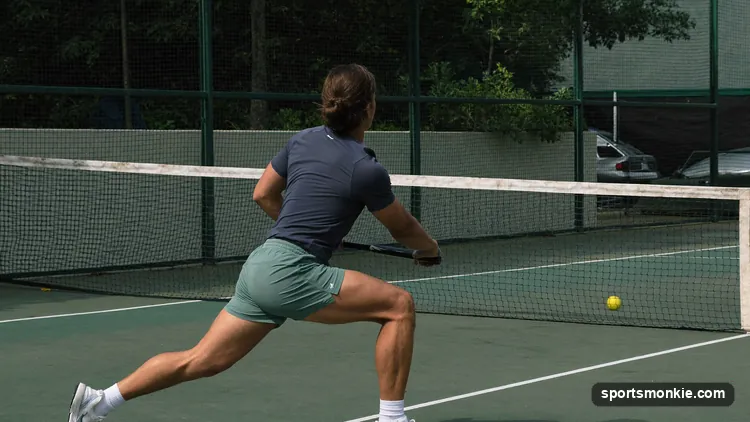
Around the Post Shot in Pickleball (ATP): Legal and Deadly
The around-the-post shot is legal in pickleball — you hit the ball around the outside of the net post, and it can travel below net height. Here's how.
The Double-Bounce Rule in Pickleball, Explained Simply
The double-bounce (two-bounce) rule means the ball must bounce once on each side before anyone can volley. Here's why it exists and the faults it causes.
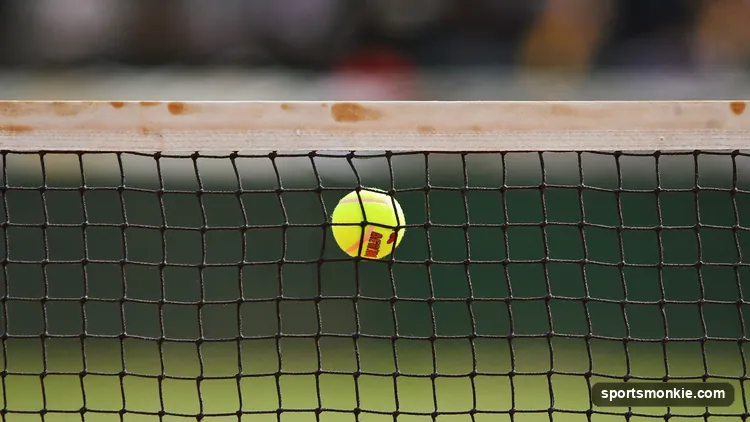
Is There a Let in Pickleball? No — the Net Serve Is Live
There is no let serve in pickleball. Since 2021 a serve that clips the net and lands in is live and played on. Here's what changed and why.
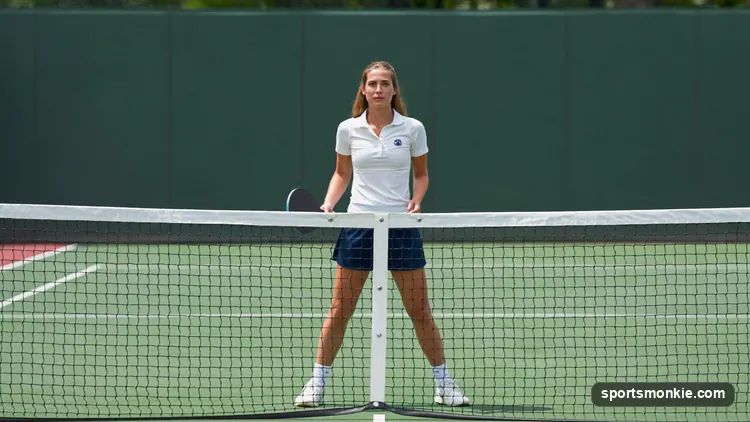
Non-Volley Zone Rules in Pickleball: The Complete Reference
The full non-volley zone rulebook: what's allowed, every common kitchen fault, the momentum rule, and the edge cases players argue about most.
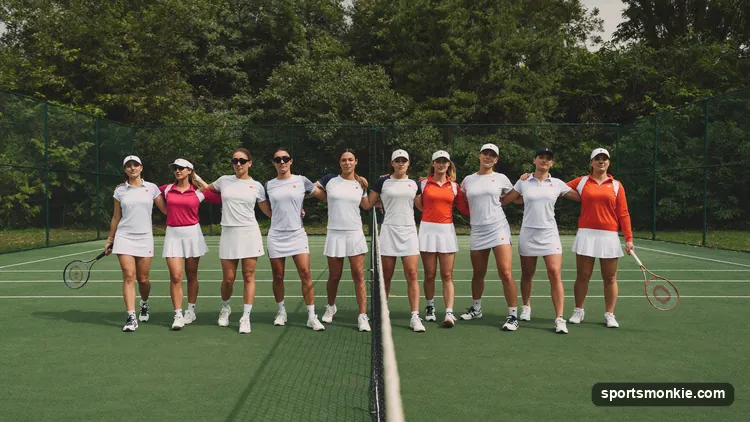
Pickleball Doubles Strategy: The Core Habits That Win
Winning pickleball doubles comes down to four habits: get to the net, move as a pair, target the middle, and out-patience the dink. Here's how.
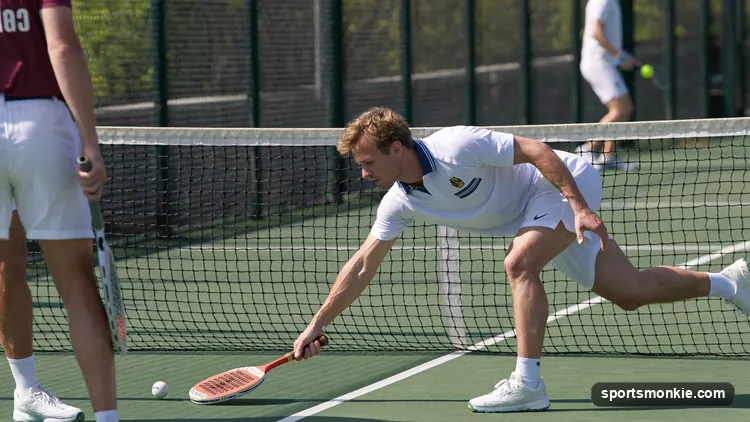
Pickleball Faults Explained: The Full List of Common Faults
A fault ends the rally in pickleball. Here's the full list — kitchen volleys, serve faults, out of bounds, two-bounce violations and net touches.
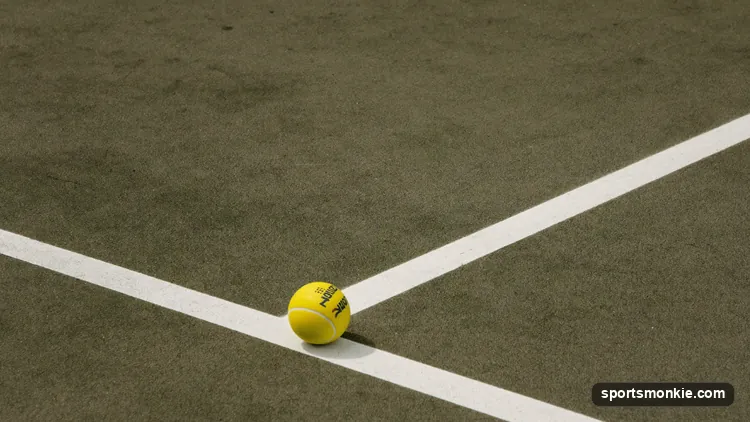
Pickleball Line Call Rules: What's In, What's Out, Who Calls
Every line is in except the kitchen line on a serve. Players call their own end and give the benefit of the doubt. Here's how line calls work.
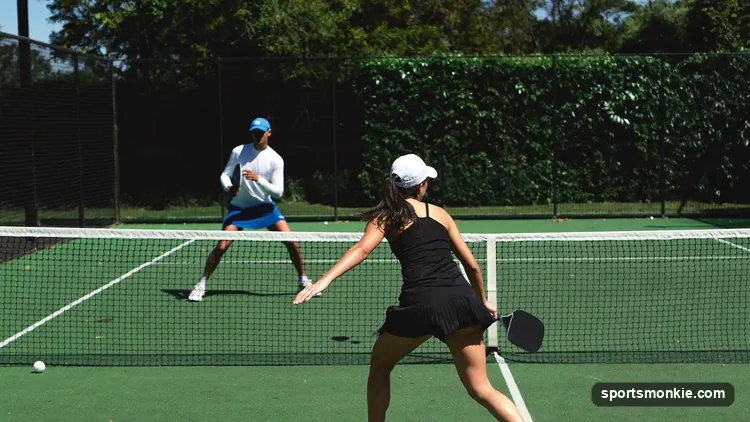
Pickleball Scoring Explained: How Points Actually Work
Only the serving side scores in traditional pickleball. Games go to 11, win by 2. Here's how side-out scoring works and how to call the score.
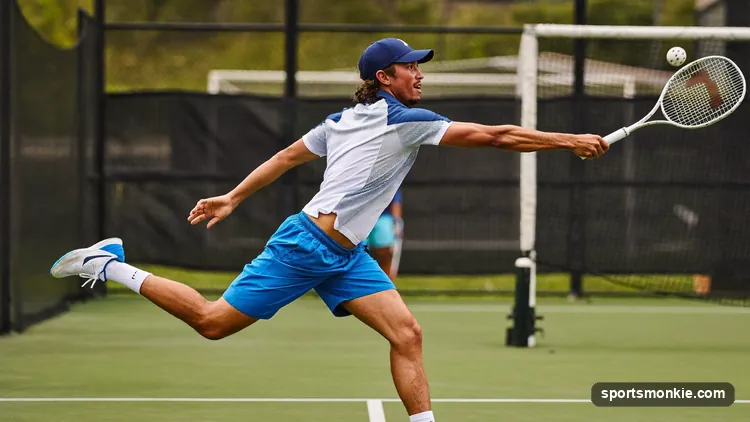
Pickleball Serving Rules: The Legal Serve, Explained
A legal pickleball serve is hit underhand below the waist from behind the baseline, diagonally, with one attempt. The drop serve and full rules here.
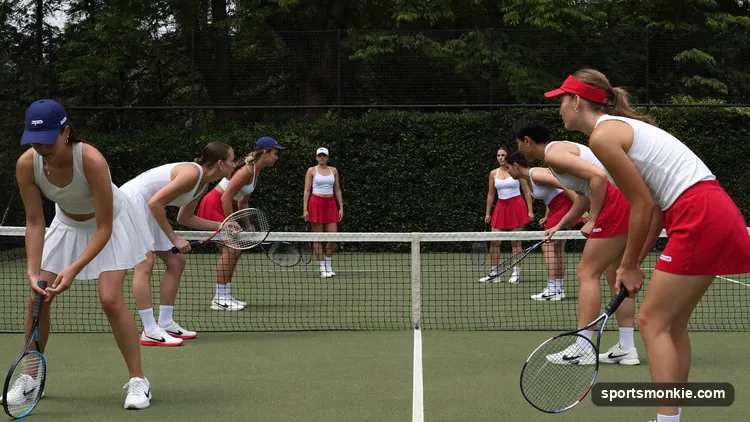
Pickleball Serving Sequence: Who Serves When in Doubles
In doubles, both partners serve before a side-out — except the first turn of the game. Here's the serving sequence and the 0-0-2 start rule.
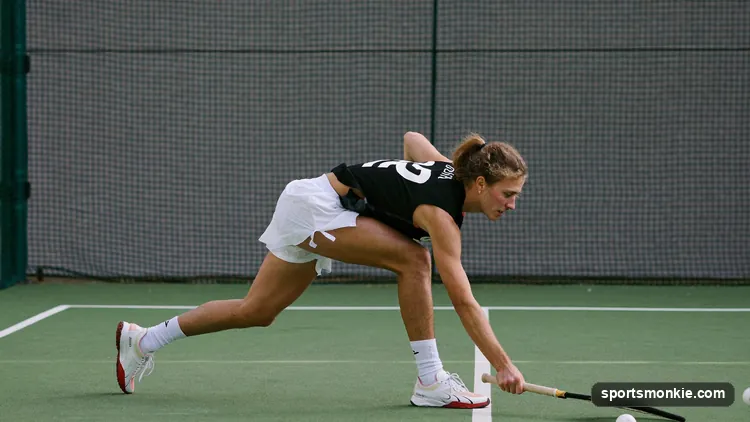
Pickleball Singles Rules: How 1v1 Differs From Doubles
Pickleball singles uses the same court and scoring, but your serve side is set by your score, there's no partner, and you cover the whole court alone.
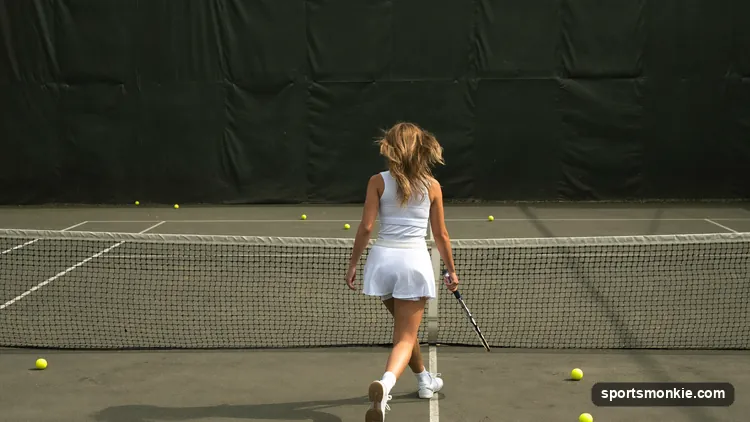
Pickleball Transition Zone: How to Cross No-Man's Land
The transition zone is the mid-court between baseline and kitchen — the most dangerous place to stand. Here's how to move through it and reset.
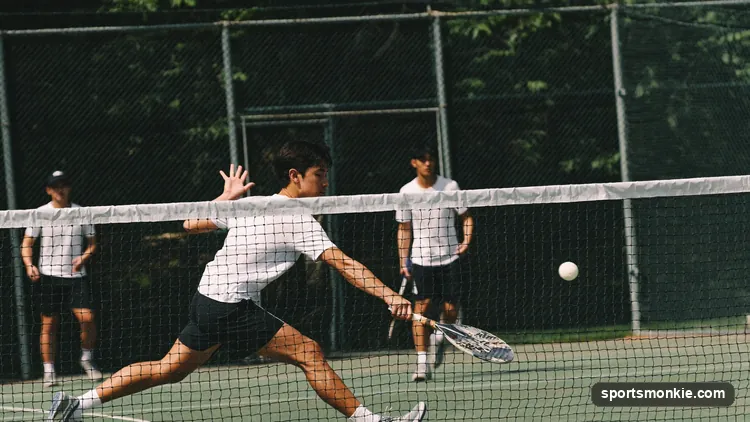
Poaching in Pickleball: When to Cross and Steal the Ball
Poaching means crossing to intercept a ball meant for your partner. Done at the right moment it wins points fast. Here's when to poach and when not to.
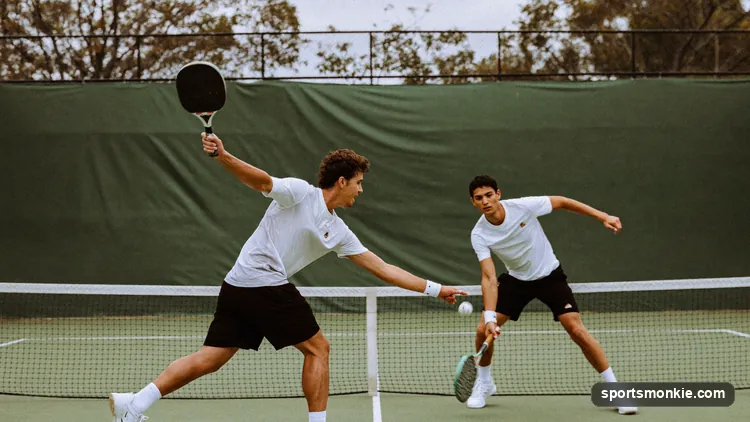
Rally Scoring in Pickleball: How It Works vs Side-Out
In rally scoring every rally is a point, so games move faster — usually to 15 or 21. Here's how it differs from traditional side-out scoring.
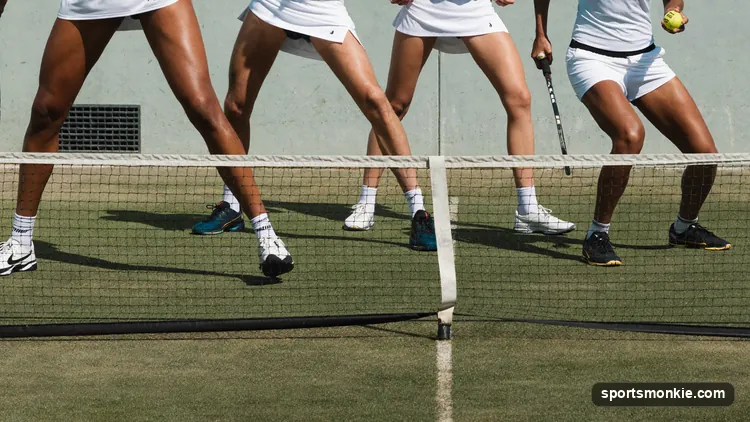
Stacking in Pickleball: What It Is and How to Do It
Stacking is a legal doubles tactic where partners line up on the same side, then switch after the serve to keep each player on their stronger side.
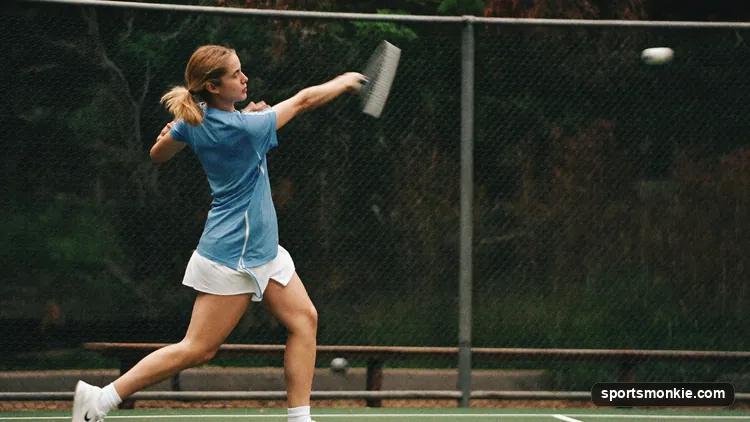
Third-Shot Drop in Pickleball: Why It Wins Points
The third-shot drop is a soft arc from the baseline into the opponent's kitchen that lets the serving team advance to the net. Here's how to hit it.
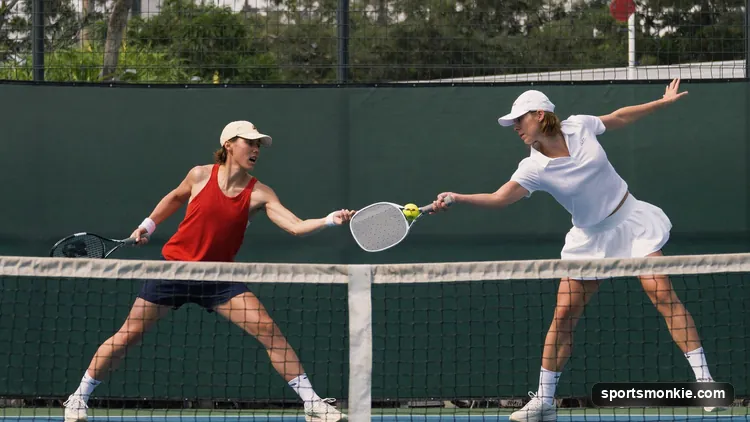
What Is a Dink in Pickleball? The Soft Shot Explained
A dink is a soft pickleball shot that arcs just over the net into the opponent's kitchen, too low to attack. Here's why it's used and how to hit one.
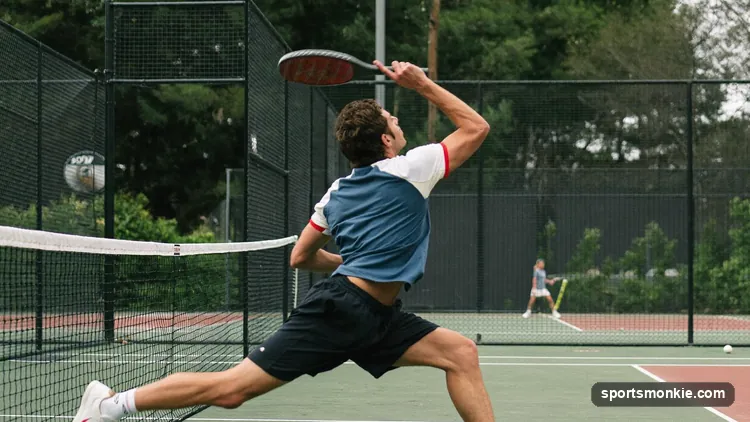
What Is an Erne in Pickleball? The Legal Kitchen Bypass
An erne is a pickleball shot where you jump around the outside of the kitchen to volley right at the net — legal because your feet land outside the zone.
What Is a DUPR Rating in Pickleball? The 2.0–8.0 Scale
DUPR is pickleball's global rating system on a roughly 2.0–8.0 scale, calculated from your real match results. Here's how it works and how to get one.
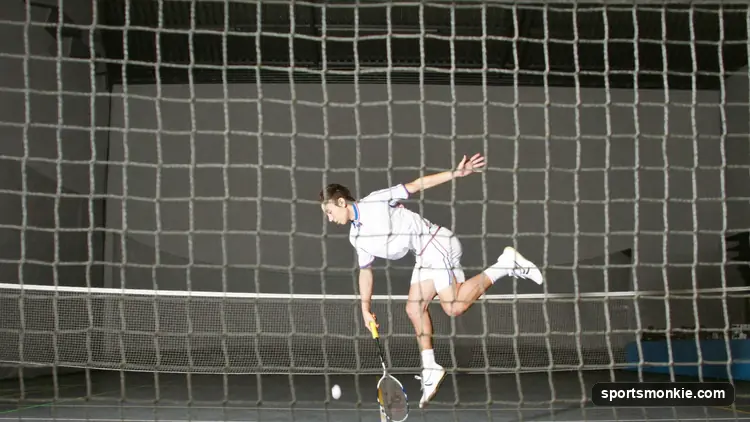
Badminton Scoring Rules, Explained
Badminton is scored to 21 points, best of three games, using rally scoring. Win-by-two, the 30-point cap, serving rules and what happens at 20-all.
Racquetball Rules: Serving, Scoring, Hinders
Racquetball rules made simple: how to serve legally, sideout scoring to 15, the tiebreaker to 11, and the difference between dead-ball and penalty hinders.
Table Tennis Serving Rules: The Legal Serve
Table tennis serving rules explained: the 6-inch toss, open palm behind the end line, ball visible, and how a legal serve must bounce on both sides.