
Types of Shots in Basketball: 10 Every Player Needs
On this page11
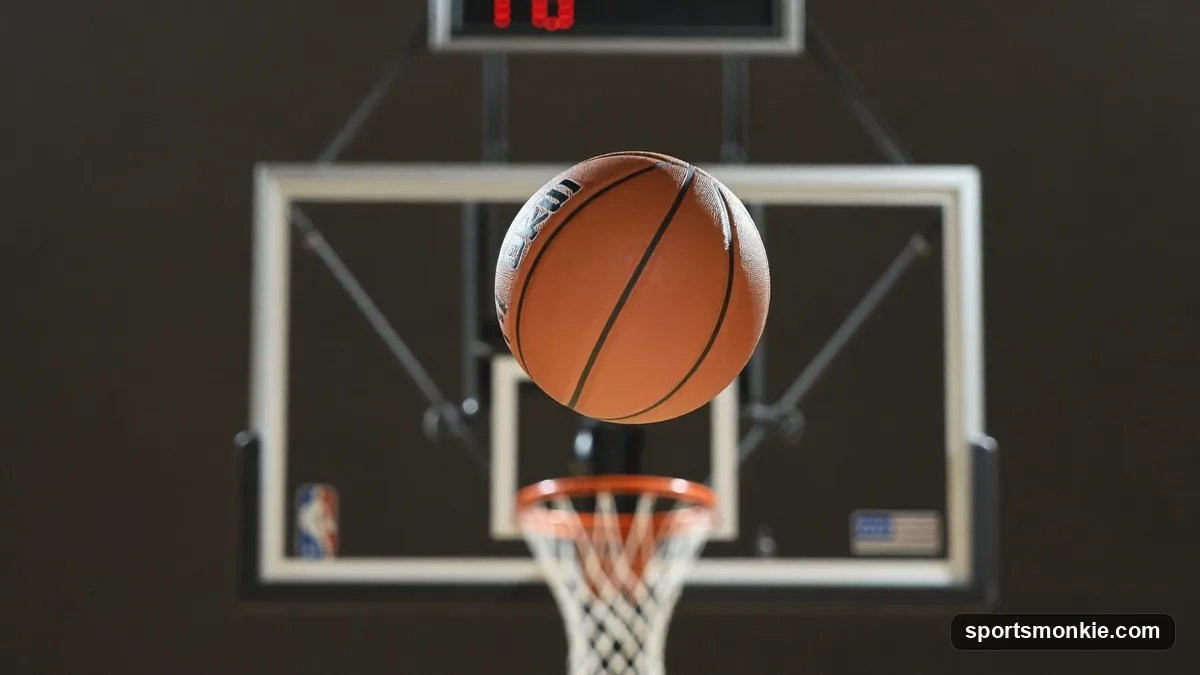
The main types of shots in basketball are the layup, jump shot, three-pointer, free throw, floater, hook shot, bank shot, fadeaway, dunk, and tip-in. Each one exists to solve a specific problem on the floor, and complete scorers learn which shot fits which situation. Below are the 10 shots every player should know, with the mechanics and the exact moment to use each one.
1. Layup
The layup is the highest-percentage shot in the game and the first finish every player should master. You drive to the basket, gather off one foot, and lay the ball softly off the glass or over the rim. Finish with your outside hand and use your inside leg to shield the ball from the defender.
Key cues: keep your eyes on the target (the top corner of the square), extend fully at the peak of your jump, and use a soft touch rather than a hard slap. Learn the reverse layup and the euro-step to finish through traffic. If your handle breaks down before you get to the rim, tighten it with our basketball dribbling drills and study the full how to do a layup breakdown.
2. Jump Shot
The jump shot is the backbone of scoring from mid-range and beyond. You rise into the air and release near the top of your jump, which creates separation and makes the shot harder to block. Everything flows from balanced footwork, a straight-up jump, and a consistent release point above your forehead.
Fix your base and follow-through with the fundamentals in basketball shooting form, then refine your rise and release with our jump shot technique guide. The whole motion starts from the ground up, which is why the how to shoot a basketball pillar walks through the entire chain from your feet to your fingertips.
3. Three-Pointer
A three-pointer is any jump shot taken from behind the arc, worth one extra point. The distances differ by level, so know your line before you step back:
| Level | Distance (top of arc) | Corner distance |
|---|---|---|
| NBA | 23 ft 9 in | 22 ft |
| NCAA (men & women) | 22 ft 1.75 in | 21 ft 8 in |
| High School (NFHS) | 19 ft 9 in | 19 ft 9 in |
Because the shot is deeper, you need more leg drive without losing your form. Do not reach back and heave; extend your range gradually. Build the strength and repetition with our three-point shooting plan and the range-extension work in how to shoot a basketball better.
4. Free Throw
The free throw is an uncontested set shot from 15 feet, taken after a foul. Because no defender is bothering you, it is the most repeatable shot in the game, and elite shooters convert 85 to 90 percent. The entire value is in your routine: same number of dribbles, same breath, same aim every time.
Line your shooting foot up with the center of the rim, bend your knees, and let the shot ride up through your legs into a locked follow-through. Nail the ritual with our free throw technique guide.
5. Floater (Teardrop)
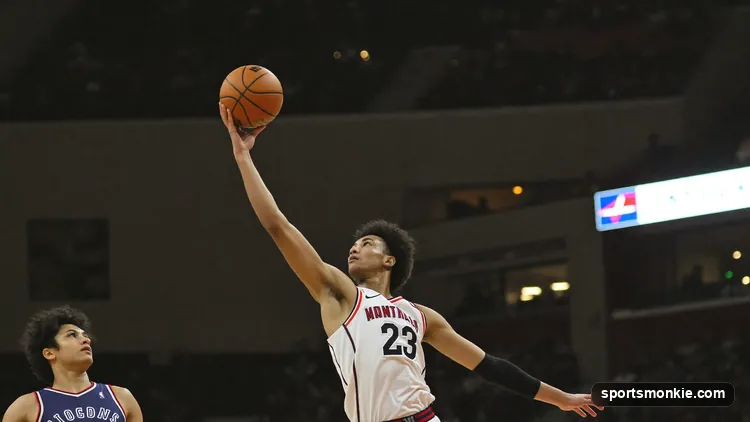
The floater, or teardrop, is a guard’s best friend in the paint. You release it high and early, before a taller shot-blocker can rise, and loft it with a steep arc so it drops straight down through the rim. It lets a smaller player score inside without charging into a big man.
Practice it off one or two dribbles on the move, releasing about eight to ten feet from the rim. Keep the ball high on your fingertips and use plenty of backspin. A tight handle sets up the floater, so drill your attack with the crossover dribble.
6. Hook Shot
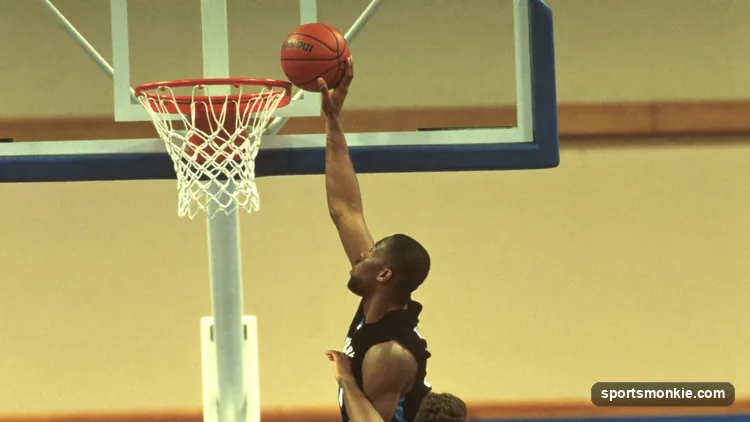
The hook shot is a one-handed sweep released with your body between the ball and the defender. Bigs and skilled forwards use it to score over length, and the classic version, the “sky hook,” is nearly impossible to block because the release point is so high and shielded.
Turn sideways, plant your inside foot, and sweep the ball up in a smooth arc with your outside hand while your off-arm bars the defender. Snap your wrist at the top. It is a slow-motion, high-percentage weapon once you groove the footwork on both blocks.
7. Bank Shot
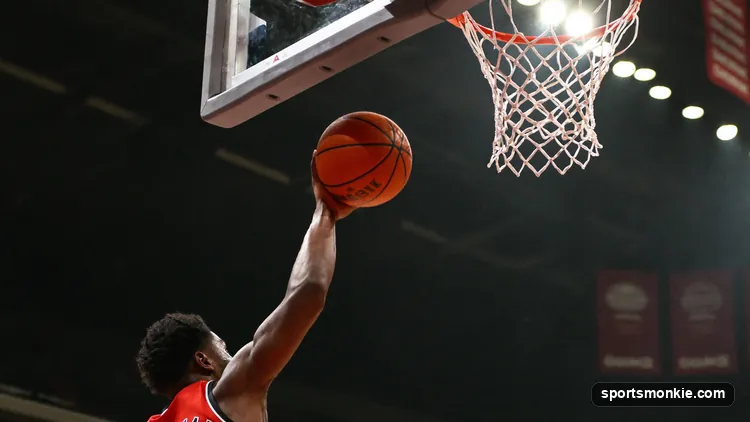
A bank shot uses the backboard to guide the ball into the rim. From the wings and short corners at roughly a 45-degree angle, the glass gives you a bigger, more forgiving target than the rim alone. Aim for the top corner of the painted square on the shooting side.
Bank shots shine on layups, floaters, and off-balance finishes because the board absorbs speed and helps a slightly-off shot still fall. Tim Duncan built a Hall of Fame career on banking mid-range jumpers off the glass.
8. Fadeaway
The fadeaway is a jump shot where you drift backward as you release, moving the ball away from the defender’s hand. Michael Jordan and Kobe Bryant made it iconic. It is one of the hardest shots to contest, but it is also low-percentage because fading away drains your legs’ power and worsens your angle.
Use it only when a defender takes away a cleaner look. Master your standard jump shot technique first, then add the fade so your form stays intact even as you lean away from the rim.
9. Dunk
The dunk is the ultimate rim finish: you jump and force the ball straight down through the hoop with one or both hands. It is worth two points like any other field goal, but it is the highest-percentage shot in basketball and a momentum-swinging highlight.
Dunking requires vertical leap and secure ball control at speed. If you can palm the ball, work on gathering off one foot on the move and finishing with authority through contact. Not everyone gets there, and that is fine, a reliable layup scores just as many points.
10. Tip-In and Putback
The tip-in and putback are second-chance finishes off an offensive rebound. On a tip-in you redirect the missed shot straight back up before landing; on a putback you catch the rebound and immediately go up strong. Both reward timing, positioning, and relentless effort rather than pure skill.
Keep the ball high, jump off both feet under control, and use the glass to soften the finish. These “garbage” points add up fast and often come at the most demoralizing moment for the defense.
Which Shots Should You Learn First?
Master the shots in order of value and frequency. Get these three automatic before anything fancy:
- Layup — you will take more of these than any other shot.
- Free throw — free points that decide close games.
- Jump shot — the foundation for mid-range and the three-pointer.
Then layer in the floater and hook to finish in the paint, and extend to the three-point line once your mechanics hold up under distance. If you want a single roadmap that ties it all together, the how to shoot a basketball pillar sequences every skill, and our basketball shooting drills turn that knowledge into muscle memory. Learn what each of these types of shots is for, drill them daily, and you become the kind of scorer defenses cannot solve.
Frequently asked questions
What are the basic types of shots in basketball?+
The basic shots every player should learn first are the layup, the free throw, and the jump shot. The layup teaches you to finish at the rim off the dribble, the free throw builds a repeatable set-shot motion with no defender, and the jump shot lets you score from mid-range and beyond. Once those three are reliable, you add the floater, hook shot, and three-pointer to become a complete scorer who can attack from any spot on the floor.
What is the difference between a jump shot and a set shot?+
A jump shot is released at or near the top of your jump, so your feet leave the floor before the ball leaves your hand. A set shot is fired with your feet still planted, which is why free throws and some deep three-pointers use a set-shot motion. Jump shots create separation from defenders and are harder to block, while set shots are more repeatable because there is no jump timing to sync with the release.
What is a floater in basketball?+
A floater, also called a teardrop or runner, is a high, soft one-handed shot lofted over a taller defender in the lane. You release it early, before the shot-blocker can rise, and arc the ball so it drops steeply through the rim. Guards use floaters constantly because they let a smaller player score in the paint without charging into a big man or getting the shot swatted away.
When should you use a bank shot?+
Use a bank shot from the wings and short corners at roughly a 45-degree angle, where the backboard gives you a bigger, more forgiving target than the rim alone. Aim for the top corner of the shooting box on the glass. Bank shots are also ideal for layups, floaters, and off-balance finishes near the basket because the board absorbs some speed and helps a slightly-off shot still fall.
What is the hardest shot in basketball to guard?+
The fadeaway is one of the hardest shots to contest because you jump backward as you shoot, moving the ball away from the defender's outstretched hand. Michael Jordan and Kobe Bryant made it iconic. The trade-off is that fading away kills your legs' power and worsens your angle, so it is a low-percentage shot for most players and should only be used when a defender takes away a cleaner look.
How many types of shots are there in basketball?+
There is no single official number, but coaches generally teach around 10 core shot types: the layup, jump shot, three-pointer, free throw, floater, hook shot, bank shot, fadeaway, dunk, and tip-in. Beyond these, players develop variations such as the step-back three, euro-step layup, reverse layup, and pull-up jumper. The core 10 cover every situation you will face, from finishing at the rim to shooting over a closeout.
Sources
Play & tools
Free browser games and tools — no account, no download.
- Play 82-0 — Draft five, one per position, and see if your lineup can go a flawless NBA season.
- Play Era Ball — Draft an all-time NBA roster from a single era, then simulate a season and chase a perfect run.
- Play 32-0 — Draft five college basketball legends, one per position, and chase a perfect 32-0 national title.
- Explore all our games →
- Get the printable bracket — Download and print a blank tournament bracket to fill out by hand.
- Open the TS% calculator — Calculate TS% from points, field goal attempts and free throw attempts — scoring efficiency in one number.
- Explore all our free sports tools →
Related basketball guides
View all →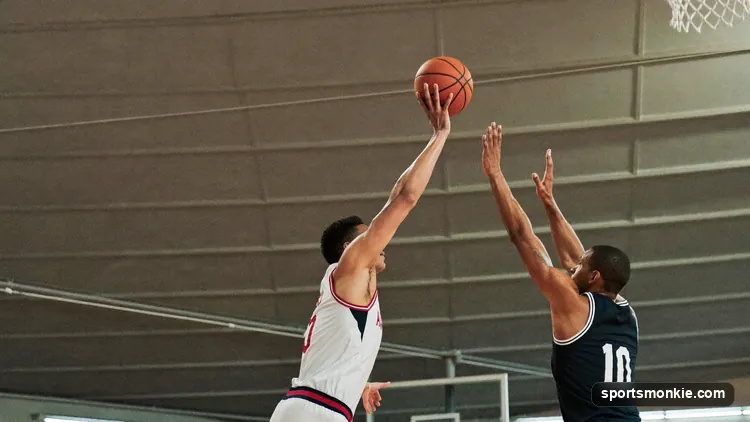
Types of Basketball Shots: Every Shot Explained
The main types of basketball shots are the layup, jump shot, three-pointer, dunk, floater, hook shot, bank shot, fadeaway, step-back, and euro-step.
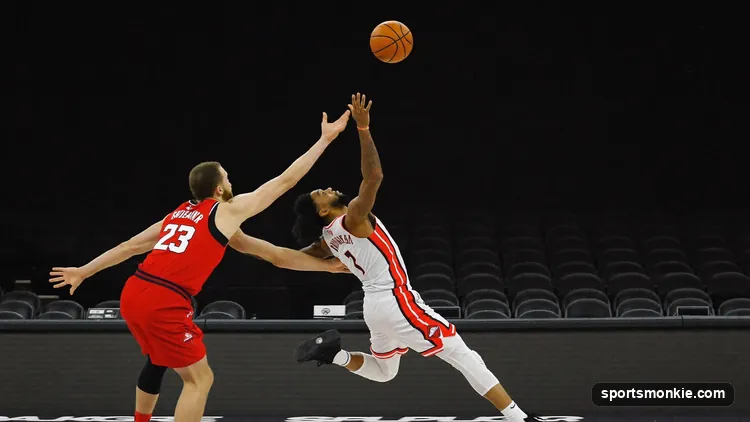
What Is a Fadeaway in Basketball? Technique, History & Best Shooters
A fadeaway in basketball is a jump shot taken while leaping backward, away from the defender, to create space. How it works, technique, and top shooters.
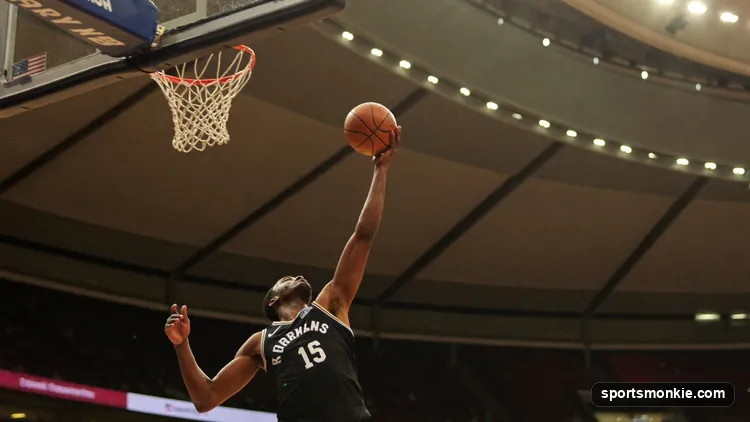
What Is a Layup in Basketball? Footwork, Types & Why It Scores
What is a layup in basketball? A close-range shot laid or banked off the glass after a drive. Learn the footwork, overhand vs. underhand, and variations.
Bank Shot in Basketball: Technique, Geometry, and Why It Works
A bank shot in basketball is a shot deliberately banked off the backboard into the hoop. Learn the aim points, angles, and players who mastered it.
Floater in Basketball: What It Is and How to Shoot One
A floater in basketball is a high, soft one-handed shot lofted over a taller defender before the rim. Learn the technique, when to use it, and the NBA masters.
Hook Shot in Basketball: Technique, Skyhook, and Why It's Unblockable
The hook shot in basketball is a one-handed shot released in a sweeping arc with the shooter's body shielding the ball from the defender.