
Baseball: Rules and how it works
Browse SportsMonkie's rules and how it works about baseball, organized in one crawlable topic hub.
18 articles in this topic.

What Is a Stolen Base in Baseball? Rules and Strategy
A stolen base occurs when a runner advances to the next base without the batter putting the ball in play, usually during the pitcher’s delivery.
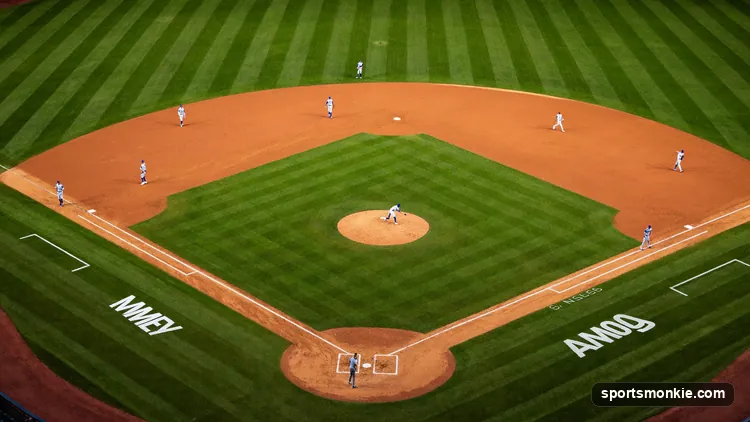
Baseball Positions by Number: The Complete 1-9 Guide
Baseball positions by number run 1-9: pitcher, catcher, first base, second, third, shortstop, left, center, right field. Full scorekeeping guide.
How Many Innings Are in a Baseball Game? (9 in MLB)
A baseball game has nine innings in MLB, the minors, and college. High school plays seven and Little League six. Here's every level, plus how long games last.

What Is a Bunt in Baseball? Types, Rules & Strategy Explained
A bunt in baseball is a ball tapped softly with the bat, not swung at. Learn bunt types, rules, sacrifice bunts, drag bunts, and squeeze plays.
What Is a Can of Corn in Baseball? Meaning, Origin & Examples
A can of corn in baseball is an easy, high fly ball a fielder catches without moving much. Learn the term's grocery-store origin and how it's used.
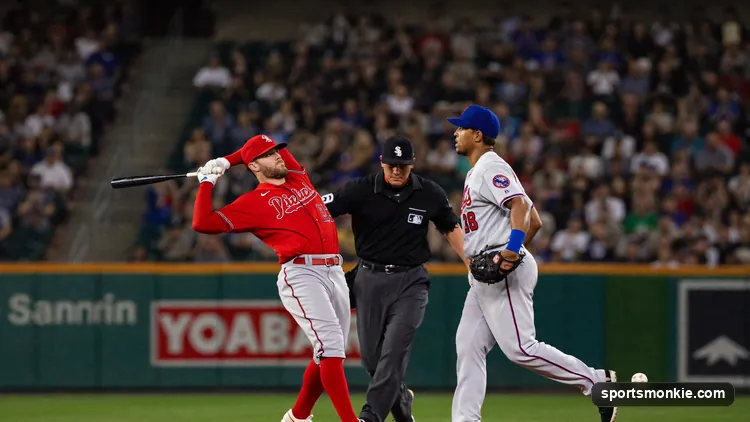
What Is a Double Play in Baseball? Rules, Types & Scoring Explained
A double play in baseball is when the defense records two outs on one continuous play. Learn every type, how it's scored, and the slide rule that protects it.
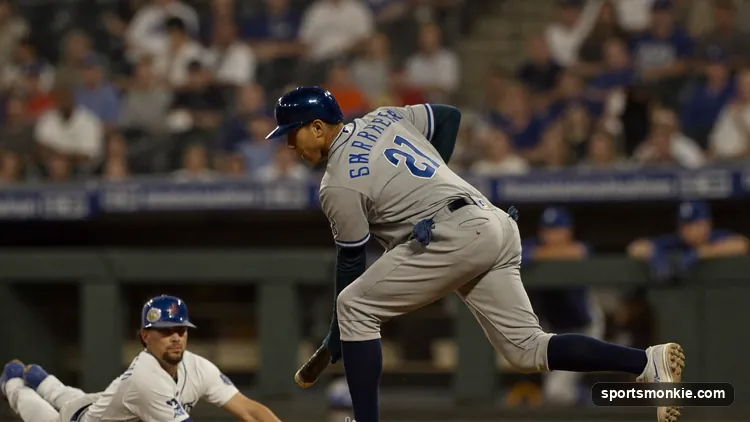
What Is a Force Out in Baseball? Force Play Rules Explained
A force out in baseball happens when a runner must advance to an open base and is put out there before or without a tag. Full rules and examples.
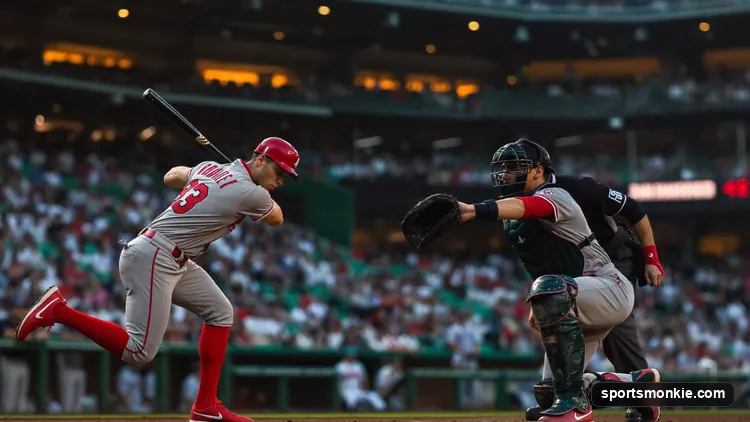
What Is a Full Count in Baseball? 3-2 Count Rules Explained
A full count in baseball is a 3-ball, 2-strike count on the batter, where the next non-foul pitch usually ends the at-bat. Here's how it works.
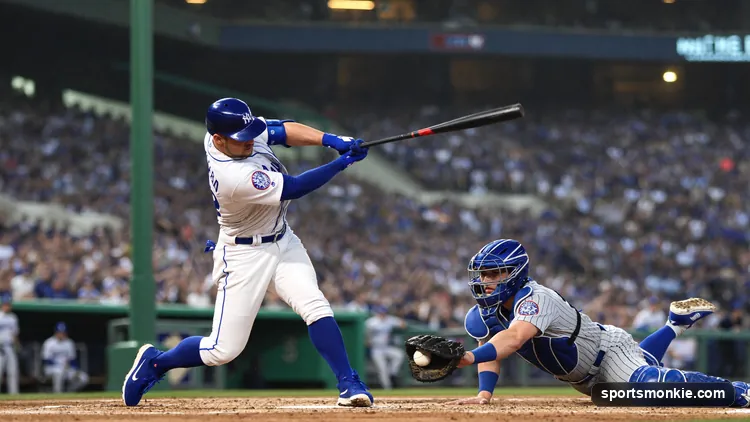
What Is a Grand Slam in Baseball?
A grand slam in baseball is a home run hit with the bases loaded, scoring all four runners for the maximum four runs possible on a single swing.
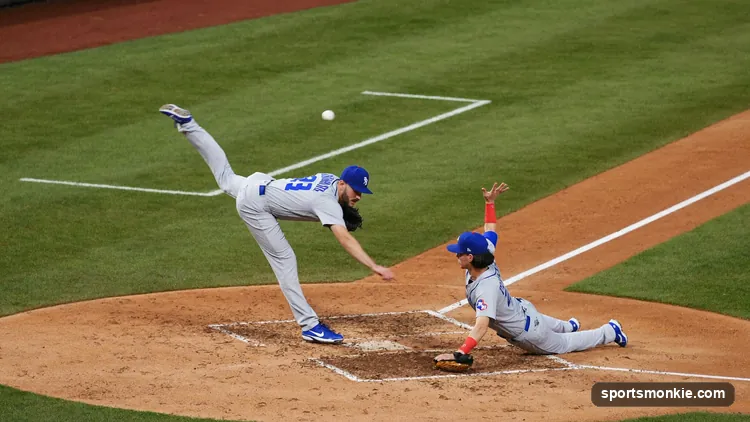
What Is a Sacrifice Fly in Baseball? Rule, Scoring, RBI Explained
A sacrifice fly in baseball is a fly out that scores a runner from third base. Learn the official rule, scoring, RBI, and how it differs from a sac bunt.
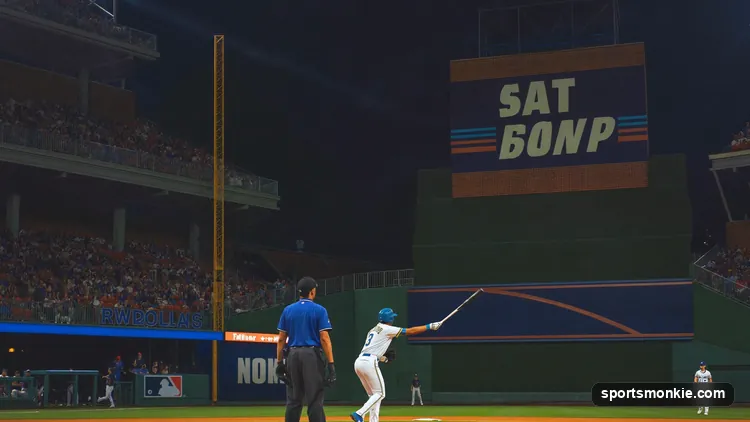
What Is the Strike Zone in Baseball? Rules, Dimensions & 2026 ABS Explained
The strike zone in baseball is the area over home plate a pitch must cross for a strike. Learn its exact dimensions, history, and MLB's ABS challenge rules.
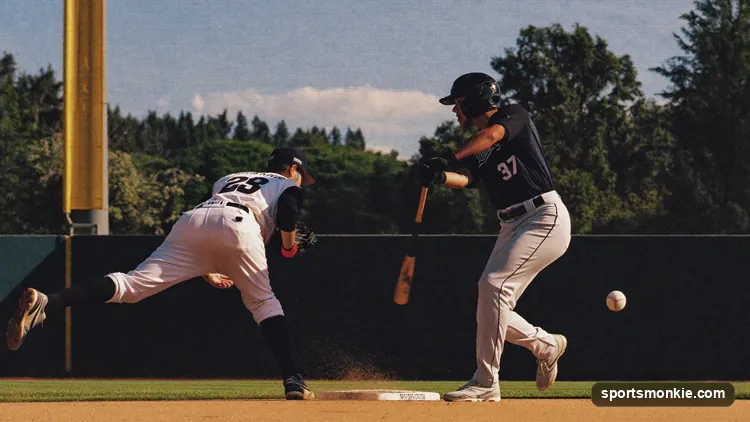
What Is Tagging Up in Baseball?
Tagging up is when a baserunner waits on his base until a fly ball is caught, then advances. He must be touching the base at the moment of the catch.

The Ghost Runner Rule in MLB, Explained
The ghost runner rule places an automatic runner on second base to start each half-inning in extra innings. Why MLB added it and how it works.
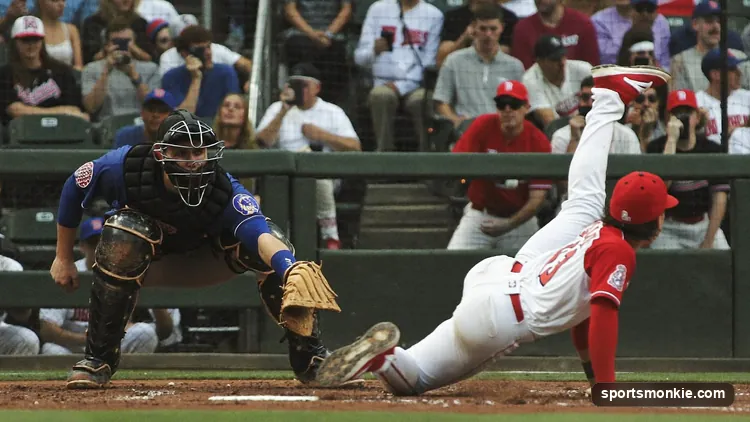
Dropped Third Strike Rule in Baseball, Explained
On an uncaught third strike, the batter can try to reach first base if it's unoccupied or there are two outs — the strikeout doesn't automatically end the at-bat.
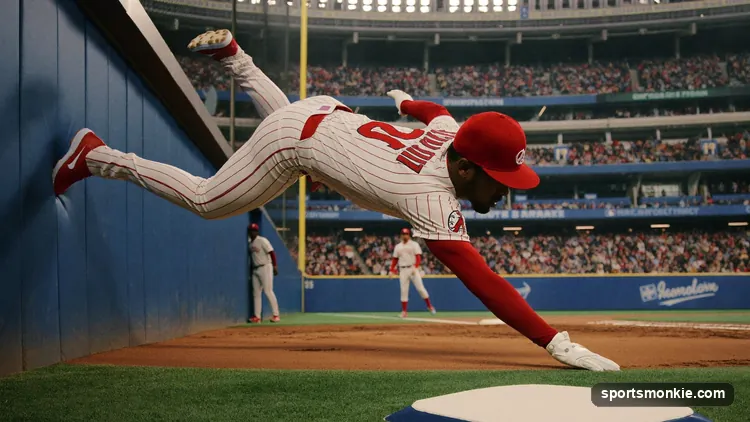
What Is a Ground-Rule Double in Baseball?
A ground-rule double awards the batter two bases when a fair ball bounces over the outfield fence or is out of play. Runners advance two bases from where they were.
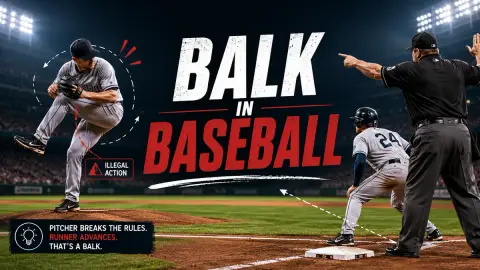
What Is a Balk in Baseball? Rules, Types, and Penalty
A balk is an illegal pitching motion with runners on base, and the penalty advances every runner one base. Here are the common types and the reasons.

The Infield Fly Rule in Baseball, Explained Simply
The infield fly rule calls the batter out on an easy pop-up with runners on first and second (or bases loaded) and fewer than two outs. Here is why it exists.

Wiffle Ball Rules: How to Play and Score
Wiffle ball rules explained: teams, innings, how to get outs, scoring by hit zones and the no-baserunning format most backyard games actually use.