
What Is a Quick Stick in Lacrosse? The Fastest Finish
On this page4
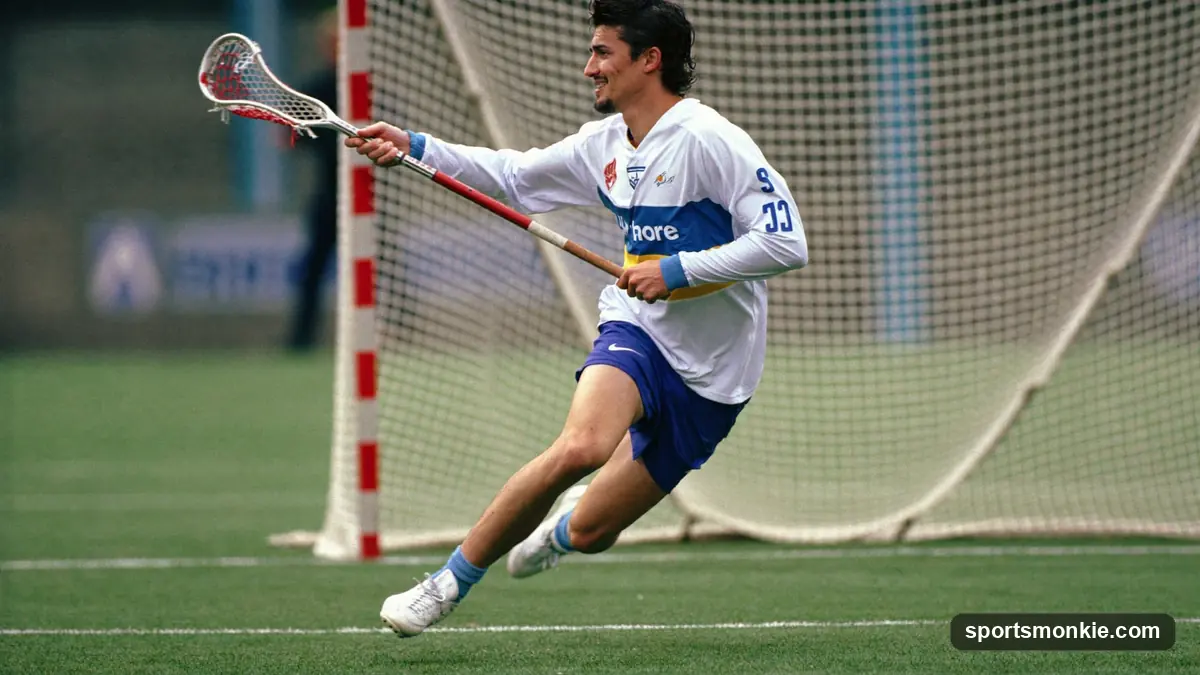
A quick stick in lacrosse is a one-motion catch-and-shoot: the attackman receives a feed and redirects it straight to goal in a single movement, without cradling or winding up. It is the fastest finish in the sport because it fires before the goalie can slide across and reset. Done right, the ball is in the net before the goalie has squared up to it.
Everything about the shot is built to steal time. There is no cradle, no crank, no telegraph, just a catch that is already a shot.
What a quick stick really is
On a normal shot, a player catches the ball, cradles it into position, winds up, and releases. Each of those steps takes a fraction of a second, and a good goalie uses every one of them to track the ball and set their feet. A quick stick collapses all of it into a single motion: the ball hits the pocket and is immediately redirected at the cage on the same path it arrived.
USA Lacrosse coaching resources describe it as a redirect rather than a shot, and the distinction matters. You are not generating power from a big windup; you are borrowing the speed of the incoming feed and steering it into an open corner. Soft, sure hands are the whole game, which is why the shot lives or dies on the catch.
When to quick stick, and when not to
The quick stick is a situational finish, not an every-play shot. It works when the ball arrives inside the shooting range with the goalie already moving, and it fails when you have time and space to load up a harder, more accurate shot. Reading that difference is a lacrosse-IQ skill as much as a physical one.
| Situation | Quick stick? | Why |
|---|---|---|
| Feed from X to the back-side pipe | Yes | Goalie just slid; no time to reset |
| Skip pass across the crease | Yes | Ball beats the goalie’s recovery |
| Catch with a defender closing fast | Yes | No time to cradle before the check |
| Wide-open catch, goalie set | No | You have time for a stronger, placed shot |
| Feed above the pocket / off-target | No | Secure it first; a bad quick stick is a turnover |
| Long-range catch, no pressure | No | Cradle and drive for a better angle |
The single biggest error is forcing a quick stick on a bad pass. If the feed is off-target or above your shoulder, catch it clean and reset. A dropped or shanked quick stick is a fast-break the other way, and no highlight finish is worth that trade.
The back-side quick stick
The most lethal version is the back-side finish. When the ball moves behind the goal and a feeder threads it to the far pipe, the goalie has to slide across the crease to follow it. For a split second the back corner is open and the goalie is still moving. A quick stick to that spot arrives before they can plant and square up.
This is why feeds from behind the goal are so dangerous, and why the attackman operating there is such a threat. The area directly behind the cage, known as X, exists to create exactly these angles, covered in our explainer on the X position in lacrosse. Learn to time the goalie’s slide and the back-side quick stick becomes nearly unguardable.
Drills to build a reliable quick stick
The quick stick is trained the same way every soft-hands skill is: volume against a wall, then live reps under a feed. Below are the staples, ordered from foundation to game speed.
| Drill | Reps / setup | What it builds |
|---|---|---|
| Wall ball quick-stick sets | 30 per hand, close to wall | Catch-and-release with no cradle |
| Partner rapid feeds | 20 per hand, 5-8 yds apart | Redirecting a real pass on target |
| Around-the-crease finishing | 10 feeds per spot | Reading angles from feed to cage |
| Off-hand quick stick | 20 reps weak hand | Finishing from both sides |
| Full-speed feed and finish | Live, with a passer and shooter | Timing under game tempo |
Start against a wall so the mechanics become automatic, then add a partner feeding from different angles. The catch is the skill; the shot is just the catch continuing. Grooving those soft hands starts with the basics in our guide to catching a lacrosse ball.
Fold quick-stick reps into your regular skill sessions rather than treating them as a separate workout, and build the surrounding footwork with structured lacrosse drills for beginners. Master the redirect and you become the finisher every feeder wants to pass to, the player who turns a good look into a goal before the defense knows the ball has arrived.
Freshness note: quick-stick technique and drill structure are stable coaching fundamentals; re-check USA Lacrosse skill-development resources each season for updated guidance.
Frequently asked questions
What is a quick stick in lacrosse?+
A quick stick is a one-motion catch-and-release shot. Instead of catching a feed, cradling, and winding up, the shooter redirects the incoming pass straight at the goal in a single fluid movement. It is used near the crease to score before the goalie can slide across and reset their positioning.
Why is the quick stick so effective?+
It removes the time a goalie needs to recover. On a normal shot the goalie tracks the ball, sets their feet, and squares up. A quick stick fires the instant the ball arrives, often on the back side of the cage where the goalie has just slid, leaving them out of position with no time to react.
How do you raise your lacrosse IQ?+
Learn to read the game before the ball reaches you: know where the goalie is, where your teammates will feed from, and which finish each situation calls for. Watching film, playing fast in practice, and repeating catch-and-shoot reps until they are automatic all build the anticipation that separates high-IQ finishers.
What is the hardest position in lacrosse?+
Goalie is most often called the hardest, facing shots over 90 mph with split-second reactions, though faceoff specialist is the most narrowly demanding. Attack requires elite finishing and vision, and midfield asks for the most all-around fitness. The quick stick is a skill every attacker and midfielder needs regardless of position.
Sources
Play & tools
Free browser games and tools — no account, no download.
- Play today's Sports Connections — Today's Sports Connections — daily hints, answers, and play the grid.
- Play Guess the NFL Player — A new mystery NFL player every day. Eight guesses, with a clue on each — plus free unlimited mode.
- Explore all our games →
Related guides
The Fastest Lacrosse Shot Ever (And Average Speeds by Level)
The fastest lacrosse shot ever officially recorded is 119.9 mph by Patrick Luehrsen. See the record, plus average lacrosse shot speed by level.
The Behind-the-Back Lacrosse Shot: When and How to Use It
A behind-the-back lacrosse shot fires the ball around your body to fool the goalie. Learn when it works, why players use it, and how to practice it safely.
How to Shoot a Lacrosse Ball Faster: A Technique Guide
Shoot a lacrosse ball faster by generating torque with your hips and shoulders, driving the top hand and snapping the bottom. Here's the full technique.
Why Lacrosse Is the Fastest Game on Two Feet
"The fastest game on two feet" is lacrosse's nickname. Where it comes from, what makes the sport so fast, and how quick the ball and shots really move.
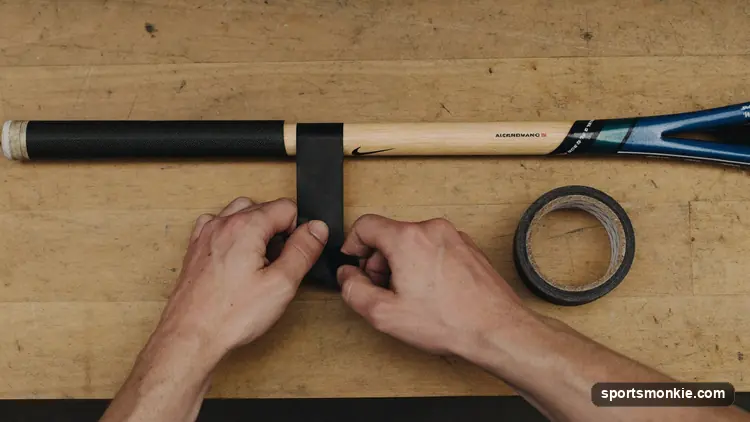
How to Tape a Lacrosse Stick: Grips That Actually Help
How to tape a lacrosse stick: build a butt-end knob, add a top-hand reference band, and choose tape that grips. The wraps that help, and the ones that don't.
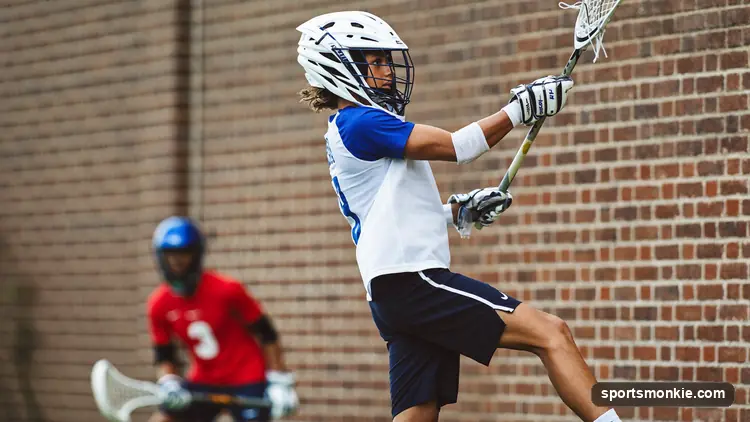
The Lacrosse Wall Ball Routine That Builds Elite Stick Skills
A lacrosse wall ball routine that builds elite stick skills: a rep-by-rep plan of right-hand, left-hand, quick-stick, and behind-the-back throws.