
The Fastest Lacrosse Shot Ever (And Average Speeds by Level)

On this page5
The fastest lacrosse shot ever officially recorded is 119.9 mph (192.96 km/h), set by Patrick Luehrsen in Libertyville, Illinois, on 29 September 2015 and ratified by Guinness World Records. The other mark everyone cites is Zack Dorn’s 116 mph at the 2014 MLL All-Star Game skills competition — remarkable because Dorn was a fan pulled from the crowd, not a professional. Higher numbers get thrown around in unofficial radar contests, but Luehrsen’s is the one with a verified stamp on it.
For everyone who is not chasing a world record, the more useful question is how fast a normal hard shot travels. Below is the record in context, plus honest speed ranges by level.
The fastest lacrosse shot ever recorded
Guinness recognises Patrick Luehrsen’s 119.9 mph as the fastest lacrosse shot on record. It was set in a controlled attempt with a calibrated radar gun, which is why it stands as the official mark even though it sits just under the 120 mph barrier.
Zack Dorn’s 116 mph in 2014 is the more famous clip, because of the story: Dorn entered a fan skills competition at the Major League Lacrosse All-Star Game and out-gunned professionals. His shot was widely reported as a record at the time and still circulates as one of the sport’s great highlights.
You will also see claims of shots at 123 or even 127 mph from private radar sessions in later years. Treat those with caution — they were not run under Guinness conditions and have not been ratified, so they belong in the “impressive but unofficial” column rather than the record books.
Average lacrosse shot speed by level
Record shots are outliers. Here is roughly what a hard shot looks like as players move up the levels. These are commonly cited ranges rather than lab figures, but they match what radar guns show at skills events and combines:
| Level | Typical hard shot | Elite shooters |
|---|---|---|
| Youth (age 10–12) | 40–50 mph | 55+ mph |
| Middle school (13–14) | 50–65 mph | 70 mph |
| High school varsity | 70–80 mph | 90 mph |
| NCAA Division I men | 90–95 mph | 100+ mph |
| Professional (PLL) | 90–100 mph | 110+ mph in contests |
Two things jump out. First, the biggest leap happens between middle school and varsity, as players learn to load the stick and drive with their hips instead of arming the ball. Second, the gap between a good college shooter and a world-record attempt is smaller than you might think — maybe 25 mph — because the mechanics top out and technique, not brute strength, does most of the work.
How fast do D1 and pro players shoot?
Top Division I men’s players sit in the low-to-mid 90s on a running, time-and-room shot, and the hardest of them touch 100 mph. In the Premier Lacrosse League, the same is true — the fastest shooters live around 100 mph, and skills-competition radar numbers climb higher when a player gets a clean, unopposed wind-up.
The catch is that game shots are almost always slower than a player’s max. With a goalie set and defenders closing, deception and placement beat raw pace. A 95 mph rocket into the keeper’s chest is worth less than an 80 mph shot into the corner. The players putting up the most goals — many of them on our highest-paid lacrosse players list — win with release speed and accuracy, not just velocity.
What makes a lacrosse shot fast
Shot speed comes from a chain of small things done well, not from arm strength alone:
- Whole-body sequence — driving with the legs and hips, then torso, then arms, whip-cracking the stick head last.
- Stick load — bending the shaft and letting it spring, which is why flex and materials matter when you pick a stick.
- A crank of the bottom hand — the top hand guides, the bottom hand snaps the shot through.
- Foot plant and momentum — running into the shot adds free speed over a standing crank.
If you are starting out, the gear helps but the mechanics matter far more. Our best lacrosse sticks for beginners rundown covers what actually affects a young player’s shot, and the fundamentals in our lacrosse drills for beginners build the sequence that turns a 45 mph shove into a genuine shot.
Where the record goes from here
Nobody has beaten Luehrsen’s ratified 119.9 mph in an official Guinness attempt, though unofficial radar guns keep inching past it. The likely ceiling is human, not technological — shaft technology has been strong for years, and the limiting factor is how fast a person can rotate through the shooting motion. If the barrier falls, expect it at a staged skills competition rather than in a live game, because no one shoots their absolute hardest with a defender in their hands. For a sense of who might one day take a swing at it, our greatest lacrosse players feature is the place to start.
Frequently asked questions
What is the fastest lacrosse shot ever recorded?+
The fastest officially recognised lacrosse shot is 119.9 mph (192.96 km/h), set by Patrick Luehrsen in Libertyville, Illinois, in September 2015 and ratified by Guinness World Records. Faster figures have been claimed in unofficial radar contests, but Luehrsen's remains the verified record.
How fast do D1 lacrosse players shoot?+
Top Division I men's players typically shoot in the low-to-mid 90s mph on a running, time-and-room shot, with the hardest shooters touching 100 mph. Everyday game shots are slower because accuracy and deception matter more than raw speed once a goalie and defenders are involved.
What is a fast shot speed in lacrosse?+
For a high schooler, anything above 80 mph is a genuinely fast shot. At college and pro level the bar rises to the 90s. Cracking 100 mph puts you among the hardest shooters in the sport — only a handful of players reach it even in radar-gun competitions.
What is the average shot speed of a 12-year-old?+
A 12-year-old youth player usually shoots somewhere around 40 to 50 mph, depending on technique and strength. Speed climbs quickly through the teenage years as players learn to load the stick and use their whole body, so a 40 mph shot at 12 can become 70-plus by high school.
Sources
Play & tools
Free browser games and tools — no account, no download.
- Play today's Sports Connections — Today's Sports Connections — daily hints, answers, and play the grid.
- Play Guess the NFL Player — A new mystery NFL player every day. Eight guesses, with a clue on each — plus free unlimited mode.
- Explore all our games →
Related guides

How to Shoot a Lacrosse Ball Faster: A Technique Guide
Shoot a lacrosse ball faster by generating torque with your hips and shoulders, driving the top hand and snapping the bottom. Here's the full technique.

Why Lacrosse Is the Fastest Game on Two Feet
"The fastest game on two feet" is lacrosse's nickname. Where it comes from, what makes the sport so fast, and how quick the ball and shots really move.
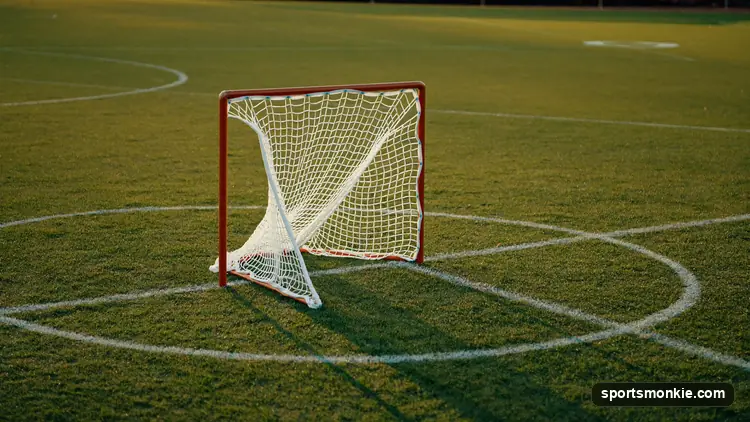
Lacrosse Goal Size: Official Dimensions for Every Level
A lacrosse goal is 6 feet wide by 6 feet high at every field level, from youth to NCAA. Here are the official dimensions, pipe specs, and box differences.
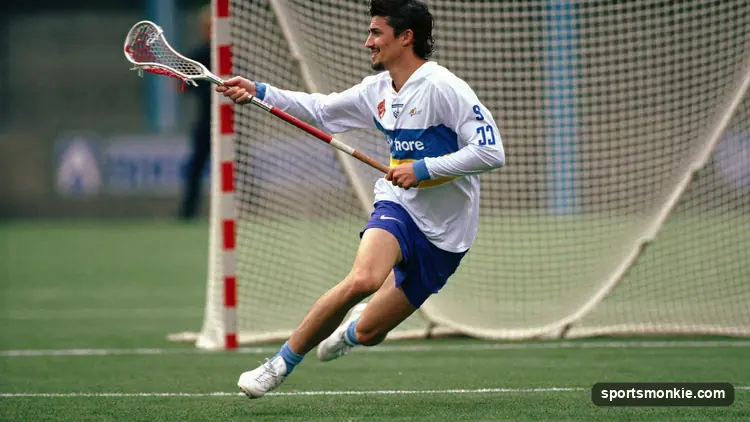
What Is a Quick Stick in Lacrosse? The Fastest Finish
A quick stick in lacrosse is a one-motion catch-and-shoot that redirects a pass to goal without cradling. Here is when to use it and how to drill it.
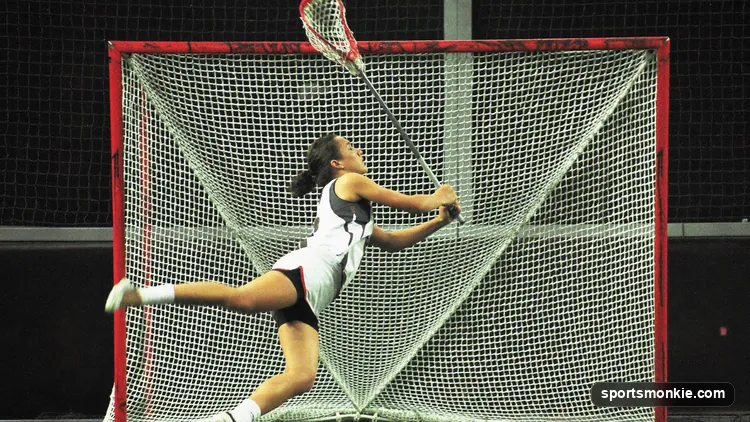
The Behind-the-Back Lacrosse Shot: When and How to Use It
A behind-the-back lacrosse shot fires the ball around your body to fool the goalie. Learn when it works, why players use it, and how to practice it safely.

Box Lacrosse vs Field Lacrosse
Box lacrosse is a fast 5-on-5 indoor game; field lacrosse is a 10-on-10 outdoor sport. Rules, field, gear and physicality compared.