
How to Shoot a Lacrosse Ball Faster: A Technique Guide
On this page7
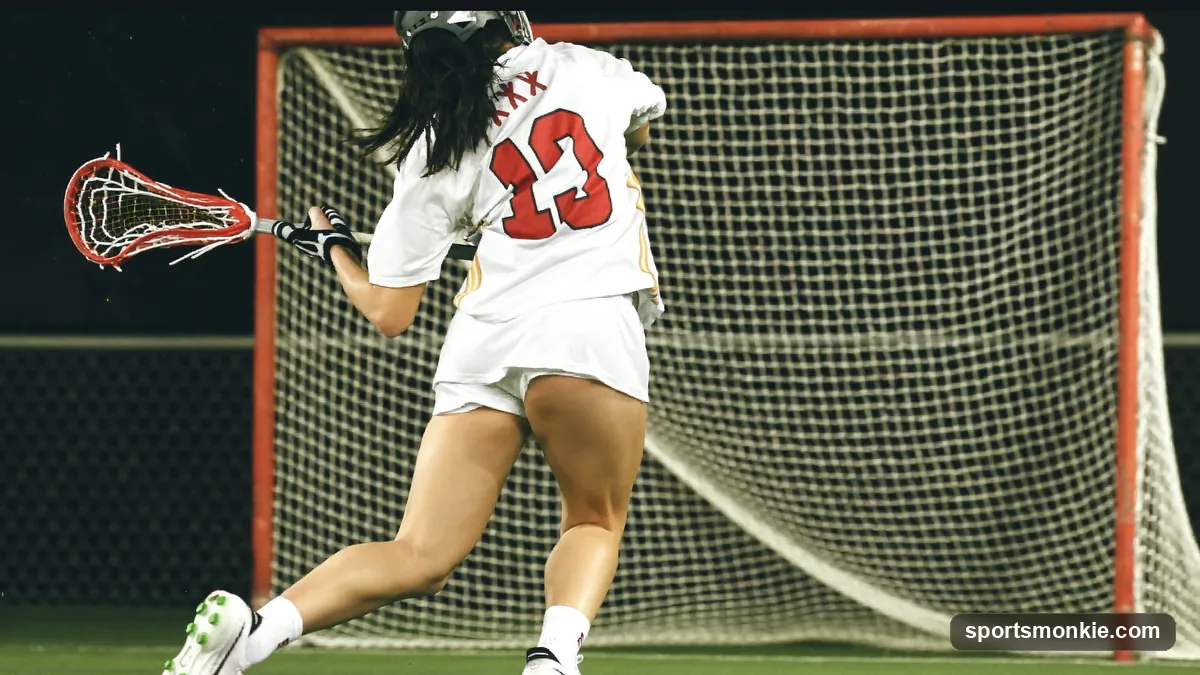
A faster lacrosse shot is built from a sequence, not from a strong arm. You generate torque by rotating your hips and then your shoulders, drive the top hand forward while the bottom hand pulls hard through the shot, snap the wrists, and follow through fully. Add momentum by running into it. Get that chain right and you will out-shoot a physically stronger player who simply arms the ball. Here is the technique, step by step, plus how to train it without wrecking your accuracy.
Speed comes from a chain, not an arm
The single most important idea: power flows from the ground up, one body segment feeding the next. Legs and hips rotate first, that turn drives the torso, the torso whips the arms, and the stick head — the last link — cracks through last and fastest. Each segment adds to the speed of the one before it, like a whip.
Players who plateau almost always do the same thing: they try to muscle the ball with the top hand and arms, skipping the lower body. That caps your speed early, because the arms alone are the weakest part of the chain. Fix the sequence and the speed follows.
The step-by-step technique
Work these in order. Slow first, power later.
- Load the hips. Coil your lower body away from the target so your hips are turned and ready to rotate through. This is where the shot starts.
- Rotate hips, then shoulders. Fire the hips toward the goal and let that turn pull the shoulders around. The rotation is the engine; do not let the arms lead.
- Drive the top hand. Push the top hand forward toward the target — it’s the pivot and the guide, setting direction.
- Pull hard with the bottom hand. This is the power move. Yank the bottom hand into your body to crank the shaft through and whip the head. Push top, pull bottom.
- Snap the wrists. At release, snap both wrists to accelerate the head through the ball at the last instant.
- Follow through fully. Let the stick finish across your body. A cut-off follow-through leaks speed and accuracy.
Add momentum and use the whole ground
A standing shot wastes free speed. Running into the shot lets you plant a foot and pour your body’s momentum into the rotation. Plant the front foot, transfer weight forward as you rotate, and time the release to that weight transfer. This is why a time-and-room shot on the run is almost always harder than a stationary crank.
Overhand vs sidearm
| Release | Strength | Trade-off |
|---|---|---|
| Overhand | Accuracy, consistent placement, easier to hit corners | Slightly less whip than a big sidearm |
| Sidearm | Longer arc can add whip and velocity | Harder to control, easier for a goalie to read |
The honest recommendation: master overhand first. It is more accurate and it is what you will use most, especially with a goalie set. Add sidearm as a situational tool once your overhand is reliable — not as your default, because the extra speed is worth little if you cannot place it.
How to train it safely
The best tool is a wall or a lacrosse rebounder, and the best method is patience. Groove the sequence at half speed until the hip-and-shoulder rotation and the bottom-hand snap feel automatic, then add power gradually over weeks. Warm up before you crank hard shots, and stop at any wrist or shoulder pinch — velocity built on bad form or a cold joint invites injury. A structured wall ball routine is the fastest honest path to a harder, more accurate shot, and the fundamentals in our lacrosse drills for beginners build the base the whole chain sits on.
What about the gear?
A shaft with the right flex and a clean, well-strung pocket give a consistent release, and they help at the margins. But do not expect a stick to fix a shot — the biggest gains by far come from mechanics and body sequencing. Sort the technique first; treat equipment as a small refinement.
How fast is fast?
For perspective: top pros routinely shoot in the 90s mph, the hardest exceed 100 mph in skills competitions, and the fastest officially recorded shot sits well over 100 mph. The striking part is how small the gap is between a good college shooter and a record attempt — maybe 25 mph — because the mechanics top out and technique, not raw strength, carries the day. If the numbers interest you, our breakdown of the fastest lacrosse shot ever covers the records and average speeds by level. Chasing a radar number is fun, but remember: in a real game, a well-placed 80 mph shot beats a 95 mph shot into the goalie’s chest almost every time.
See also how this compares in The Behind-the-Back Lacrosse Shot.
Frequently asked questions
What makes a lacrosse shot go faster?+
A coordinated kinetic chain, not arm strength. Speed builds by rotating the hips, then the torso, then whipping the arms and stick head last, with the bottom hand snapping the shaft through. A player who sequences that chain correctly will out-shoot a stronger player who arms the ball, because each body segment adds to the one before it.
How do the top and bottom hands work in a shot?+
They do opposite jobs. The top hand guides direction and pushes forward, acting as the pivot; the bottom hand does the powerful pull, cranking the shaft through to whip the head. Think push with the top, yank with the bottom. Beginners often try to power the shot with the top hand, which caps speed and hurts accuracy.
Is overhand or sidearm faster in lacrosse?+
Sidearm can generate a whippier, sometimes faster release because of the longer arc, but it is less accurate and easier for a goalie to read. Overhand is more consistent and easier to place in the corners. Most players should master overhand first for accuracy, then add sidearm as a situational weapon rather than a default.
How can I practice shooting harder at home?+
Wall ball is the single best tool. Fire against a wall or rebounder, focusing first on the sequence at half speed, then gradually adding power over weeks. Groove the hip-and-shoulder rotation and the bottom-hand snap with light reps before you crank it. Consistent volume at good form beats a few all-out heaves.
Does a stiffer stick make you shoot faster?+
It helps at the margins, not as much as mechanics. A shaft with the right flex can store and release a little energy, and a well-strung pocket gives a clean, consistent release, but the biggest gains by far come from technique and body sequencing. Fix the mechanics first; treat gear as a small refinement, not a shortcut.
How fast do professional players shoot?+
Top pros routinely shoot in the 90s mph, and the hardest exceed 100 mph in skills competitions. The fastest officially recorded lacrosse shot is well over 100 mph. Everyday game shots are slower, because with a goalie set, accuracy and deception beat raw pace — placement wins more often than a radar-gun number.
Sources
Play & tools
Free browser games and tools — no account, no download.
- Play today's Sports Connections — Today's Sports Connections — daily hints, answers, and play the grid.
- Play Guess the NFL Player — A new mystery NFL player every day. Eight guesses, with a clue on each — plus free unlimited mode.
- Explore all our games →
Related guides
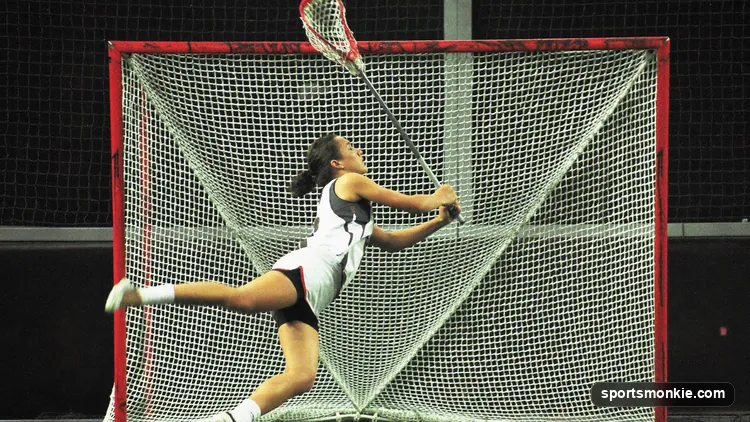
The Behind-the-Back Lacrosse Shot: When and How to Use It
A behind-the-back lacrosse shot fires the ball around your body to fool the goalie. Learn when it works, why players use it, and how to practice it safely.
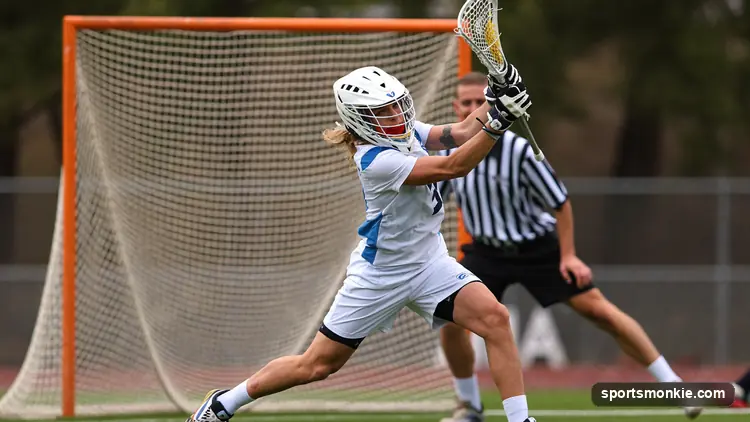
The Fastest Lacrosse Shot Ever (And Average Speeds by Level)
The fastest lacrosse shot ever officially recorded is 119.9 mph by Patrick Luehrsen. See the record, plus average lacrosse shot speed by level.
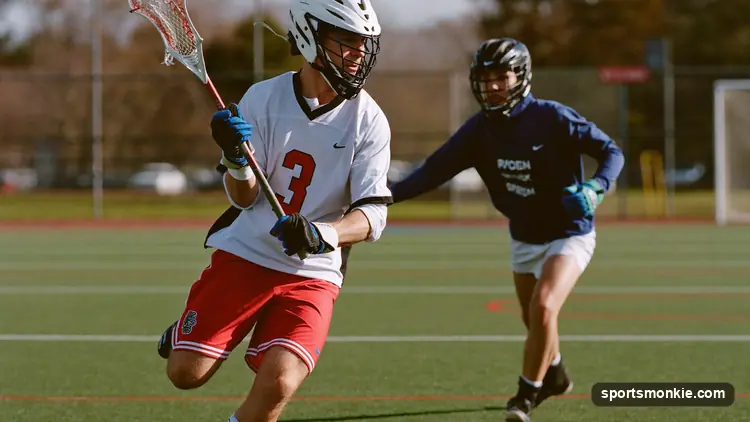
How to Cradle a Lacrosse Ball: Technique for Beginners
To cradle a lacrosse ball, move the stick head in a smooth curved arc so the ball stays pressed in the pocket. Learn one-hand and two-hand cradling here.
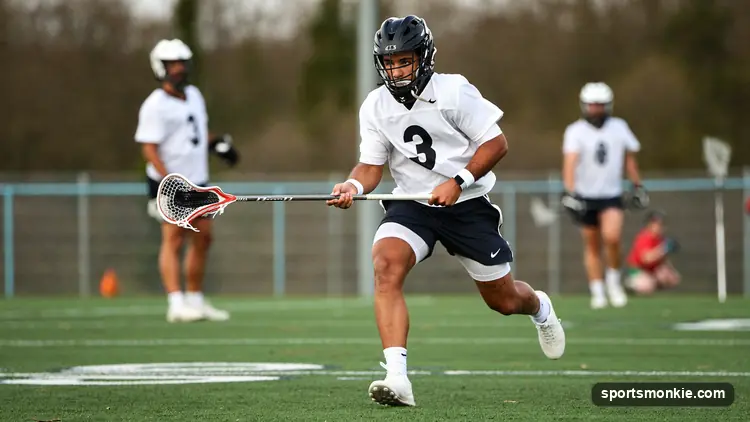
How to Catch a Lacrosse Ball: Soft Hands in 3 Steps
To catch a lacrosse ball, present a target, give with the ball as it arrives, then cradle. Learn the soft-hands technique and beginner drills in three steps.
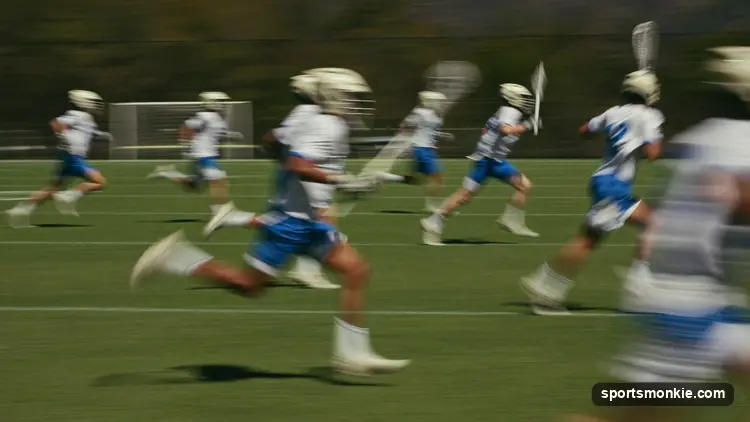
Why Lacrosse Is the Fastest Game on Two Feet
"The fastest game on two feet" is lacrosse's nickname. Where it comes from, what makes the sport so fast, and how quick the ball and shots really move.
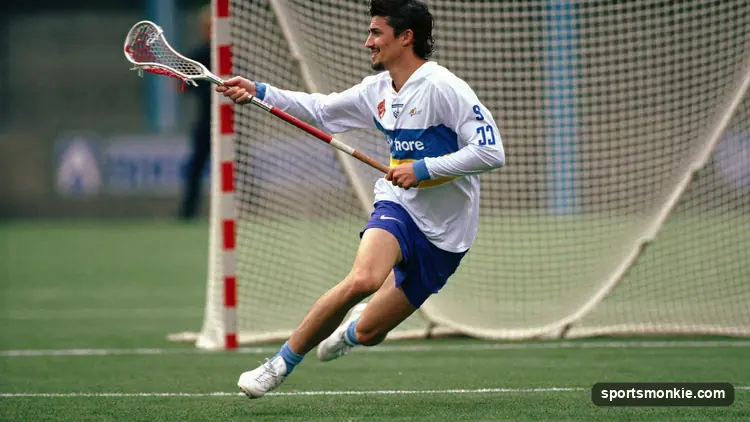
What Is a Quick Stick in Lacrosse? The Fastest Finish
A quick stick in lacrosse is a one-motion catch-and-shoot that redirects a pass to goal without cradling. Here is when to use it and how to drill it.