
Lacrosse Rebounders: Are They Worth It and Which to Buy
On this page5
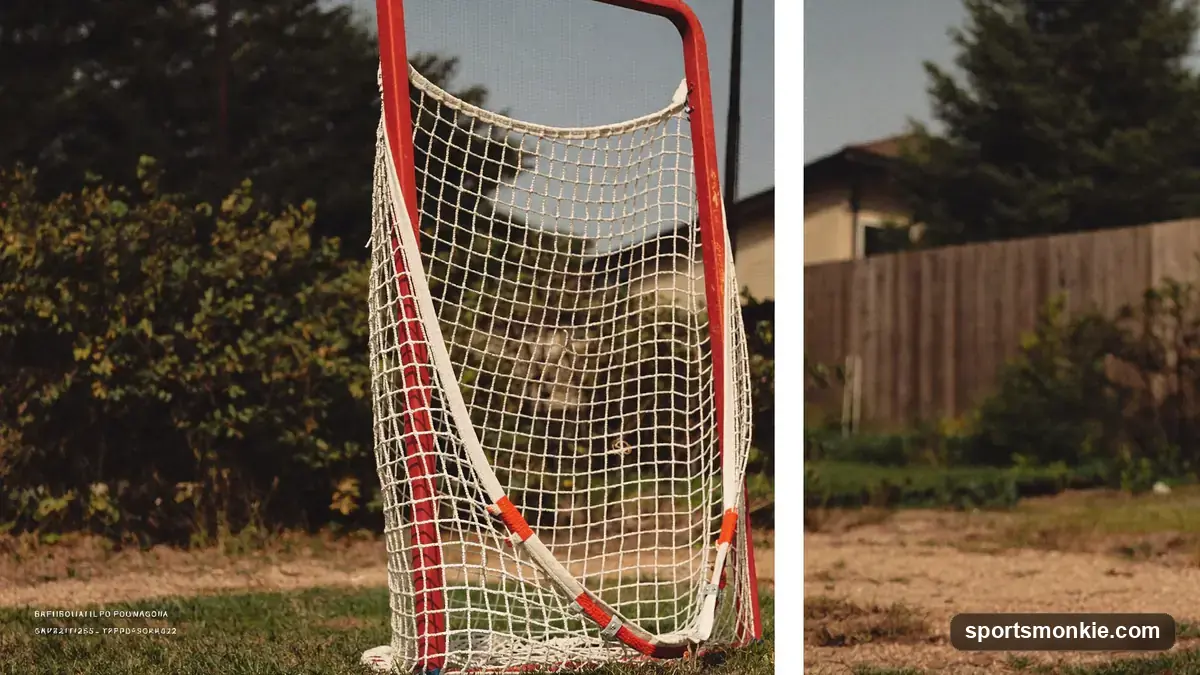
A lacrosse rebounder is an angled net that fires the ball back to you, so one player can practice passing and catching without a partner. It is worth buying if you don’t have steady access to a flat wall. A good one runs roughly $100 to $220, and the biggest names are the EZGoal, Gladiator, and Maverik nets. If you already have a solid brick wall nearby, that wall does most of the same work for nothing.
Here is the honest version most gear pages skip: the rebounder is not magic. Reps are what build stick skills, and a wall gives you the same reps. What you pay for is a portable target you can angle and set up on grass anywhere.
What a lacrosse rebounder actually does
A rebounder is a freestanding frame with a taut net stretched across it. You throw a pass into the net, the net returns the ball, you catch it, and you repeat. The point is volume. USA Lacrosse treats wall ball as the foundational stick-skill drill for a reason: nothing else lets you take hundreds of throws and catches in twenty minutes, both hands, no teammate required.
Most rebounders let you tilt the frame. Set it flatter and the ball comes back low so you can work ground balls and scoops. Stand it more upright and returns come back chest high for catching and quick sticks. That angle adjustment is the main thing a wall can’t give you.
Are lacrosse rebounders worth it?
For anyone without a good wall, yes. A garage door dents, a fence gives a dead and unpredictable bounce, and many people simply don’t have a flat brick surface with space to throw. A rebounder solves all of that and travels to the field for pre-game warm-ups.
If you do have a proper wall, the calculation flips. A wall never wears out, handles the hardest shots, and costs zero. The rebounder then buys convenience and adjustable angles, not better training. That is a real trade-off worth naming before you spend the money.
How the top lacrosse rebounders compare
Sizes, prices, and rebound behavior vary more than the marketing suggests. This table lays out the current field so you can match a model to how you actually train.
| Rebounder | Size | Approx. price (US) | Rebound style | Best for |
|---|---|---|---|---|
| EZGoal 8x6 folding | 8’ x 6’ | $180–220 | Bungee-mounted, adjustable angle | Serious backyard training, all ages |
| Gladiator pitchback | ~4’ x 7’ | $140–180 | Tight woven net, raised off ground | Faster returns, intermediate to advanced |
| Maverik rebounder | ~6’ x 4’ | $100–130 | Heavy-duty flat net | Value pick, catching and passing |
| Mini pitchback (Brine, Champion) | ~3’ x 3’ | $40–70 | Small target | Tight spaces, young beginners |
| A brick or concrete wall | n/a | $0 | True, unlimited | Anyone with access to one |
Prices move with retailer and season; rebounders tend to dip around back-to-school and spike near December as gifts. A larger net is more forgiving of off-target passes, which matters most for beginners still missing the frame.
Before you drop $200 on the net, make sure the thing throwing the ball is dialed in too. A rebounder only sharpens skills if your pocket releases straight, so it pays to read our guide to the best lacrosse mesh and learn how to string a lacrosse head before your first session.
Rebounder vs wall ball
A wall wins on durability, cost, and how hard you can shoot into it. A rebounder wins on portability, adjustable angles, and being available to people who don’t own a wall. Neither develops skills the other can’t; they develop the same skills through the same reps.
If your goal is elite stick work and you have a wall, use the wall and spend the $150 on a better stick. If you’re building a backyard setup from scratch, the rebounder earns its place, and it doubles as a target the whole team can share at practice.
What to look for before buying
- Net tension and material. A lacrosse ball is heavy and hard, so a thin baseball-grade net frays fast. Look for lacrosse-rated netting.
- Adjustable angle. The single most useful feature; skip models that lock at one fixed tilt.
- Frame stability. Raised, tightly woven nets like the Gladiator return the ball faster, which is great once you can catch it and frustrating before you can.
- Fold-flat storage if you’ll move it in and out of a garage.
A rebounder is a tool for the same drill the sport’s best have always used. Lyle Thompson and the other greatest lacrosse players built their hands on thousands of wall-ball reps long before any of them saw a pro floor. The net just brings the wall to your backyard.
Frequently asked questions
Are lacrosse rebounders worth it?+
Yes, if you don't have reliable access to a flat wall. A rebounder lets you get hundreds of reps passing and catching alone, which is the fastest way to build stick skills. If you already have a solid brick or concrete wall nearby, that wall does nearly the same job for free, so the rebounder mainly buys you convenience and adjustable angles.
What is the best rebounder for lacrosse?+
For serious backyard training the EZGoal 8x6 folding rebounder is the most popular pick thanks to its large surface and adjustable angle. The Gladiator pitchback returns the ball faster off a tighter, raised net, which suits intermediate and advanced players, while the Maverik rebounder is the value option for younger players working on catching and passing.
Can you use a baseball rebounder for lacrosse?+
In a pinch, but not ideally. A lacrosse ball weighs 5 to 5.25 ounces, heavier and harder than a baseball, so it stretches or damages the lighter netting on many baseball pitchbacks over time. Baseball rebounders also sit at angles tuned for grounders and pop flies rather than chest-high lacrosse passes. A lacrosse-specific net lasts longer and returns the ball where you actually want it.
What is a rebounder in lacrosse?+
A rebounder is a freestanding, angled net that bounces the ball straight back after you throw it, so a single player can rehearse passing, catching, and quick-stick reps without a partner. Most models let you tilt the frame to change the return: flatter for ground balls, more upright for chest-high passes.
Sources
Play & tools
Free browser games and tools — no account, no download.
- Play today's Sports Connections — Today's Sports Connections — daily hints, answers, and play the grid.
- Play Guess the NFL Player — A new mystery NFL player every day. Eight guesses, with a clue on each — plus free unlimited mode.
- Explore all our games →
Related guides

Lacrosse Drills for Beginners: Skills That Transfer
The best lacrosse drills for beginners: wall ball, cradling, ground balls and passing, with reps and a practice table you can start alone today.

How to Break In a Lacrosse Pocket the Right Way
Break in a lacrosse pocket with wall ball, targeted stretching and small string adjustments — and stay inside the NCAA pocket-depth rule while you do it.
Best Lacrosse Mesh: Types, Brands and How to Choose
The best lacrosse mesh for most players is a semi-soft performance mesh. How the mesh types compare, the top brands, and how to pick the right pocket feel.

Faceoff Lacrosse Heads: What Makes Them Different
Faceoff lacrosse heads use flexible plastic and an aggressive scoop for the clamp. What separates them, the legal rules, and the top heads compared.
What Is a D-Pole? Long Poles vs Short Sticks
A lacrosse d-pole is the long defensive stick, 52 to 72 inches. How long poles differ from short sticks, who carries one, and the four-pole rule.

How to Catch a Lacrosse Ball: Soft Hands in 3 Steps
To catch a lacrosse ball, present a target, give with the ball as it arrives, then cradle. Learn the soft-hands technique and beginner drills in three steps.