
How to String a Lacrosse Head: Step-by-Step
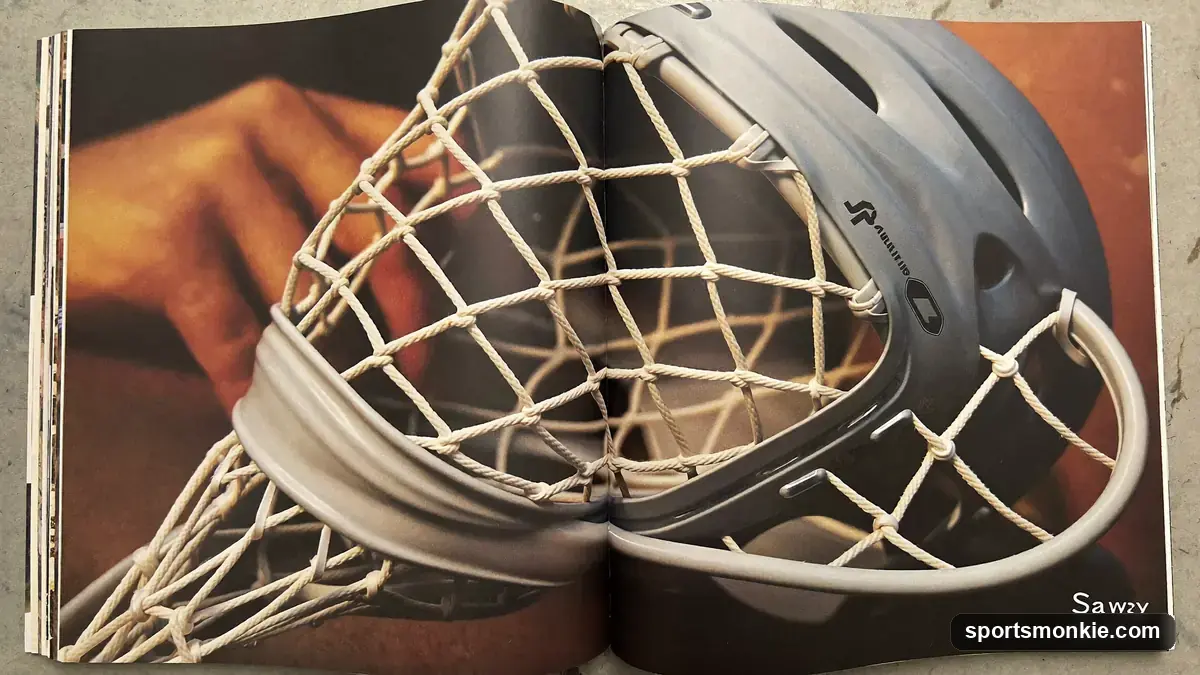
On this page4
Stringing a lacrosse head means installing five parts in the right order: the mesh, a top string, two sidewall strings, a bottom string, and two or three shooting strings. You start with the top string across the scoop, run the sidewalls down each side to set the channel and depth, anchor the bottom, then add shooters to fine-tune the release. A first attempt takes 30 to 60 minutes, a full DIY kit costs $20 to $35, and paying a shop to do it runs $35 to $60.
The reason to learn it yourself is control. A pocket is personal, and once you can string your own head you can retune it in ten minutes instead of mailing it off. Here is the whole process.
What you need to string a head
Everything comes in a stringing kit, or you can buy the parts separately. This is what each piece does and roughly what it costs.
| Part | What it does | Approx. cost (US) |
|---|---|---|
| Mesh piece (10-diamond) | Forms the pocket that holds the ball | $15–30 |
| Top string | Attaches the mesh to the scoop | Included in kit |
| 2 sidewall strings | Set the channel, depth, and shape | Included in kit |
| Bottom string | Closes the base of the pocket | Included in kit |
| 2–3 shooting strings | Tune the release and hold | $2–5 each |
| Full DIY stringing kit | Everything above, matched | $20–35 |
| Professional restring | A shop does it for you | $35–60 |
A StringKing or similar performance-mesh kit is the simplest starting point because the parts are already sized to work together. Grab a lacrosse ball too; you’ll test the pocket against it as you go.
The order to string a lacrosse head
Follow these steps top to bottom. Keep even tension the whole way, because loose knots are what make a pocket bag out and throw inconsistently.
- Prep the mesh. Find the top, bottom, front, and back. The top row has nine diamonds; fold that row onto the ten-diamond row beneath it so the top is doubled and reinforced.
- Tie the top string. Run it through the top diamonds and the scoop holes, left to right, keeping the mesh centered and even. This anchors everything else.
- String the sidewalls. Start at the top of one side and work down. The first two diamonds should be tight to build the channel; as you move toward the bottom, spacing the diamonds closer together deepens the pocket. Match both sides so the channel runs straight.
- Tie off the bottom string. Thread it through the last row and the base holes to close the pocket. With performance mesh, use a shooting-string lace here rather than thin nylon, which can saw through the mesh.
- Add shooting strings. Lace two or three across the upper pocket to tune the release. In men’s field lacrosse, all shooters must sit within four inches of the top of the scoop, so keep them high.
Is your pocket legal?
This is the check most beginner guides leave out, and it will get your stick pulled in a game if you miss it. In men’s lacrosse, a pocket is illegal if the top of the ball, resting in the deepest part of the pocket, sits below the bottom edge of the sidewall. In plain terms: drop a ball in, look at the head from the side, and the top of the ball should stay visible above the lowest point of the sidewall.
Both the NCAA and World Lacrosse rulebooks enforce this. Women’s lacrosse pockets are far shallower and pocket-legal by a different, stricter standard, so never string a women’s head to men’s depth.
Which mesh and how to break it in
The mesh you pick changes how the finished pocket feels and how long the break-in takes. A semi-soft performance mesh breaks in fastest; a firmer mesh holds its shape longer but takes more work up front. Our guide to the best lacrosse mesh walks through the types so you string the pocket you actually want.
Once it’s strung, break it in with reps, not shortcuts. Pound a ball into the pocket, throw against a wall, and cradle it constantly. If you’re building a backyard setup for that, a lacrosse rebounder gives you the volume. Stringing a specialty head such as a faceoff lacrosse head follows the same five steps with a lower, tighter pocket, and once you can string one head you can string them all.
Frequently asked questions
What is the best way to string a lacrosse head?+
Work in order: attach the mesh to the scoop with the top string, run each sidewall string from top to bottom to set the channel and depth, tie off the bottom string, then add two or three shooting strings near the top to tune the release. Keep even tension throughout and check the pocket is legal before you play with it.
How do you string the bottom of a lacrosse head?+
The bottom string threads through the last row of mesh diamonds and the holes at the base of the head, cinching the pocket closed so the ball can't fall through. With modern performance meshes like StringKing or Epoch's Otter, use a shooting-string lace rather than a thin nylon for the bottom, because the thin cord can cut through the mesh and force an early replacement.
How much does it cost to get a lacrosse head restrung?+
A professional restring typically costs $35 to $60 depending on complexity, and goalie heads sit at the higher end. Some shops charge a labor fee plus materials, for example around $25 plus the cost of the mesh and strings. Stringing it yourself with a full kit costs $20 to $35 and lets you retune the pocket whenever you want.
How long does it take to string a lacrosse head?+
A first attempt usually takes 30 to 60 minutes if you follow a guide and go slowly. An experienced stringer can finish a standard men's head in 15 to 20 minutes. Most of a beginner's time goes into the sidewalls and into adjusting the pocket after the first throws, which is normal and part of dialing it in.
Sources
Play & tools
Free browser games and tools — no account, no download.
- Play today's Sports Connections — Today's Sports Connections — daily hints, answers, and play the grid.
- Play Guess the NFL Player — A new mystery NFL player every day. Eight guesses, with a clue on each — plus free unlimited mode.
- Explore all our games →
Related how-to guides guides
View all →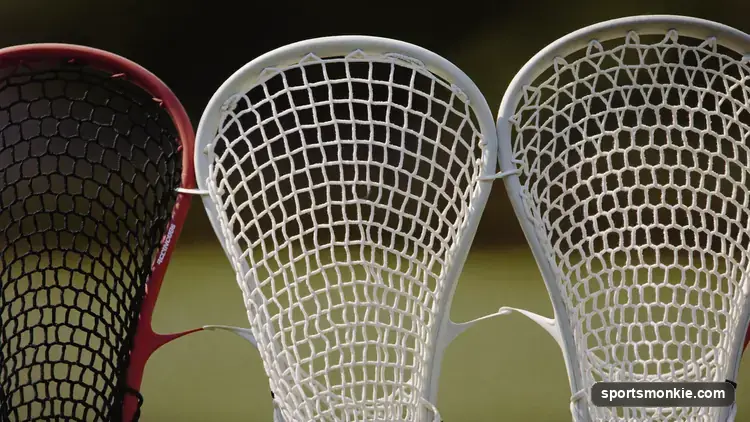
Best Lacrosse Mesh: Types, Brands and How to Choose
The best lacrosse mesh for most players is a semi-soft performance mesh. How the mesh types compare, the top brands, and how to pick the right pocket feel.
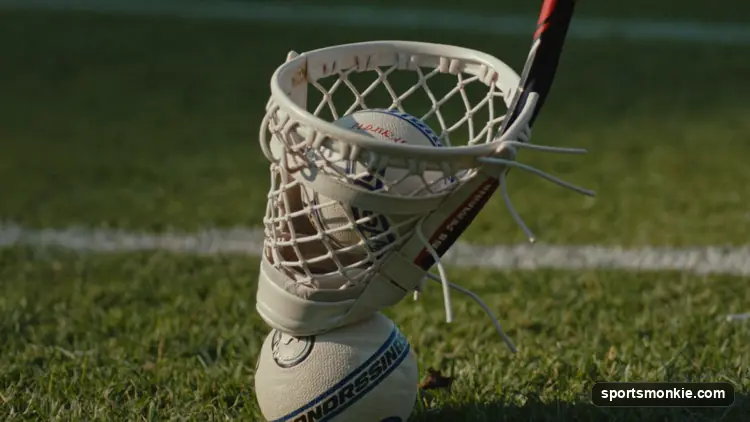
How to Break In a Lacrosse Pocket the Right Way
Break in a lacrosse pocket with wall ball, targeted stretching and small string adjustments — and stay inside the NCAA pocket-depth rule while you do it.

Faceoff Lacrosse Heads: What Makes Them Different
Faceoff lacrosse heads use flexible plastic and an aggressive scoop for the clamp. What separates them, the legal rules, and the top heads compared.
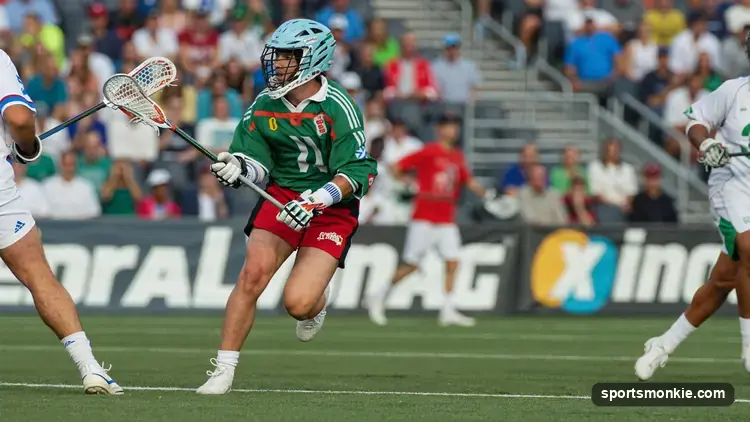
What Is a D-Pole? Long Poles vs Short Sticks
A lacrosse d-pole is the long defensive stick, 52 to 72 inches. How long poles differ from short sticks, who carries one, and the four-pole rule.
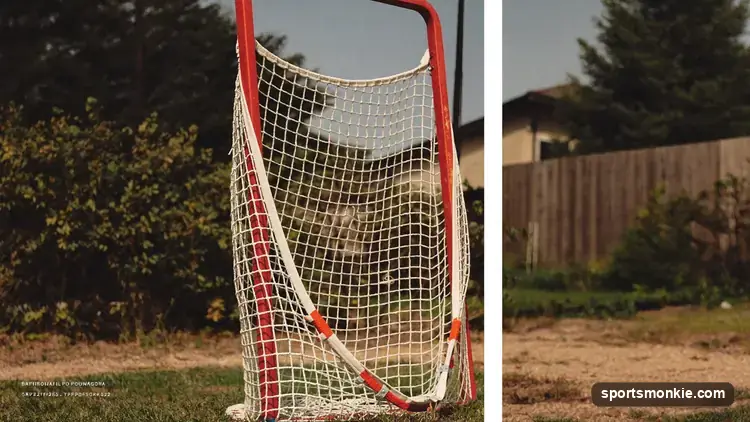
Lacrosse Rebounders: Are They Worth It and Which to Buy
A lacrosse rebounder returns your passes for solo stick-skills practice. Whether one is worth it, how the top models compare, and the free alternative.

Lacrosse Cleats vs Football Cleats: What's Actually Different
Lacrosse cleats vs football cleats: molded football cleats are usually legal for lacrosse, but metal spikes aren't. Here's the real difference and what to buy.