
Faceoff Lacrosse Heads: What Makes Them Different

On this page4
A faceoff lacrosse head is a specialized head built for the clamp-and-rake battle at the center X. What sets it apart is thinner, more flexible plastic that bends under an opponent’s sidewall, a flatter and more aggressive scoop for winning ground balls, and a low pocket that grips the ball on the clamp. Faceoff heads are legal as long as they meet the standard head-width rules, and the StringKing Mark 2F and ECD Weapon X are the two most common picks among elite faceoff specialists.
Every possession in men’s lacrosse starts with a faceoff, so the FOGO (face-off, get-off) who wins draws hands his team the ball again and again. The right head is a real part of that edge, even if it is not the whole story.
What makes a faceoff head different
Three design choices separate a faceoff head from a normal one:
- Flexible plastic. The head is meant to bend. On the clamp, a flexible head slides under the opponent’s sidewall to trap the ball, then springs back. Thin plastic also survives two players crushing the same head hundreds of times without cracking.
- An aggressive scoop. Faceoffs turn into ground-ball scrums instantly. A flatter, wider scoop rakes loose balls off the turf faster than the rounded scoop on an attack head.
- A low, ball-hugging pocket. Where an attacker wants a mid or high pocket for a quick release, a faceoff man wants the ball sitting low so the clamp secures it flat against the ground.
That combination feels flimsy if you pick one up expecting a stiff defensive head. The flex is the point, not a defect.
Are faceoff heads legal?
Yes. A faceoff head has to pass the same stick check as any men’s field head. Under NCAA men’s lacrosse rules, the head must measure between 6.5 and 10 inches wide, and the sidewall may not exceed two inches in height. Every mainstream faceoff head is built inside those limits.
The position carries extra rules beyond the head itself. In NCAA play the shaft must have tape or a cover that contrasts with both the gloves and the head, and that tape cannot touch the plastic throat. Those rules govern setup and grip, not the head’s legality. World Lacrosse applies the same width limits internationally.
The top faceoff lacrosse heads, compared
Faceoff men obsess over flex and warp resistance more than any other position, because a head that permanently deforms after a season is a head you have to replace. This table lays out the current benchmarks so you can match a head to your game.
| Head | Flex | Standout trait | Best for |
|---|---|---|---|
| StringKing Mark 2F | High | Warp resistance, many stringing holes | Elite clamp speed, most-used head |
| ECD Weapon X | Medium-high | All-around clamp and rake | Players who want one do-it-all head |
| Warrior Burn FO / Warp | Medium | Holds its shape (warp resistance) | Durability over a full season |
| STX Duel 3 | Medium | Hybrid draw-and-play design | Two-way middies who take draws |
| Nike CEO 3 | High | Wide scoop for ground balls | Winning the scrum after the clamp |
A “warp” is when the head permanently twists out of true, which kills your clamp. The Mark 2F earns its reputation partly because it resists warping better than most, so it stays legal and consistent deep into a season.
Once you’ve picked a head, the pocket decides how well it grips and releases the ball off the clamp. Read our guide to the best lacrosse mesh and learn how to string a lacrosse head with the low, tight pocket faceoff specialists actually run.
How a faceoff head fits the rest of your bag
A faceoff middie usually carries a short stick, since the extra reach of a long pole gets in the way at the X. That contrasts with the defenders behind him, who carry a lacrosse d-pole built for reach and checks. If you’re just learning where the position sits, our breakdown of the lacrosse crease and the sport’s greatest players fills in the rest of the field around the faceoff dot.
The head matters, but technique wins draws. A cheap legal head plus a thousand clamp reps beats a $110 head and no practice every time.
Frequently asked questions
Are faceoff lacrosse heads legal?+
Yes, as long as they meet the same width rules as any men's field head: 6.5 to 10 inches wide with a sidewall no more than two inches tall. Faceoff heads sit inside those limits. The position has its own rules too, such as tape that contrasts with the gloves and no tape touching the plastic throat, but a legal faceoff head passes a standard stick check.
What is the best faceoff lacrosse head?+
The StringKing Mark 2F is the most widely used head among elite faceoff players for its warp resistance, thin flexible plastic, and generous stringing holes. The ECD Weapon X is the other benchmark, favored as an all-around clamp head. Warrior's faceoff heads lead on warp resistance, and the STX Duel suits two-way middies who both take draws and play on.
Can you use a regular head to take faceoffs?+
You can, and beginners often do, but you give up an edge. Standard offensive and defensive heads use stiffer plastic and a mid or high pocket that fights the clamp motion. A faceoff-specific head flexes to get under an opponent's sidewall and holds the ball lower for a cleaner clamp and rake, which matters once you face another player who has one.
Why are faceoff heads more flexible?+
Flex lets the head bend under an opponent's sidewall during the clamp and snap back to trap the ball. Thin, pliable plastic also survives the repeated crushing force of two players fighting for the same ball without cracking. That flexibility is the whole design brief, which is why faceoff heads feel flimsy compared to a stiff defensive head.
Sources
Play & tools
Free browser games and tools — no account, no download.
- Play today's Sports Connections — Today's Sports Connections — daily hints, answers, and play the grid.
- Play Guess the NFL Player — A new mystery NFL player every day. Eight guesses, with a clue on each — plus free unlimited mode.
- Explore all our games →
Related guides
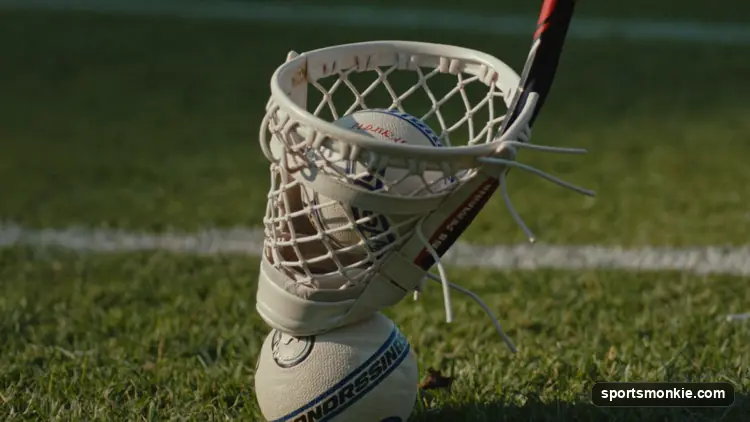
How to Break In a Lacrosse Pocket the Right Way
Break in a lacrosse pocket with wall ball, targeted stretching and small string adjustments — and stay inside the NCAA pocket-depth rule while you do it.

Lacrosse Cleats vs Football Cleats: What's Actually Different
Lacrosse cleats vs football cleats: molded football cleats are usually legal for lacrosse, but metal spikes aren't. Here's the real difference and what to buy.
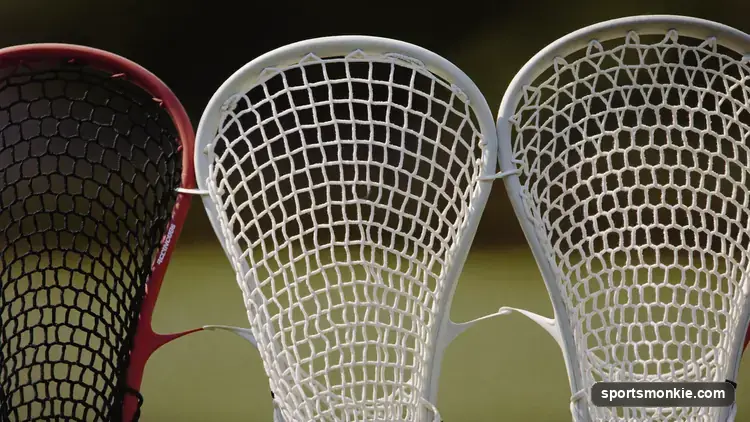
Best Lacrosse Mesh: Types, Brands and How to Choose
The best lacrosse mesh for most players is a semi-soft performance mesh. How the mesh types compare, the top brands, and how to pick the right pocket feel.
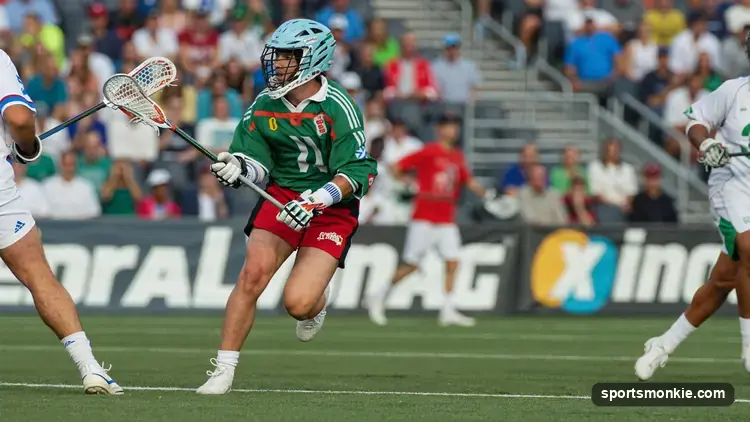
What Is a D-Pole? Long Poles vs Short Sticks
A lacrosse d-pole is the long defensive stick, 52 to 72 inches. How long poles differ from short sticks, who carries one, and the four-pole rule.
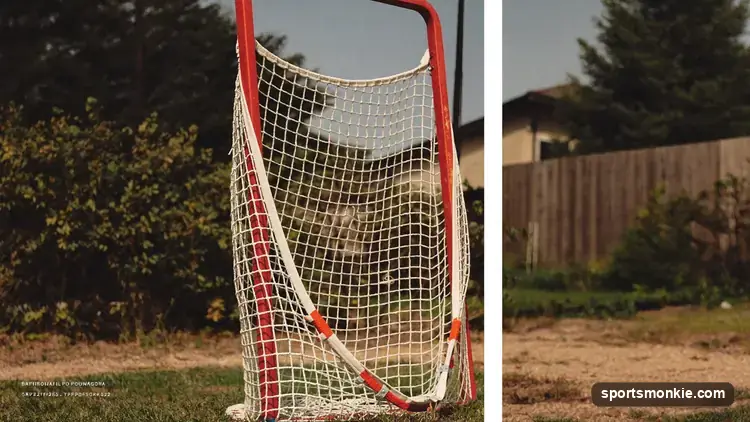
Lacrosse Rebounders: Are They Worth It and Which to Buy
A lacrosse rebounder returns your passes for solo stick-skills practice. Whether one is worth it, how the top models compare, and the free alternative.

Lacrosse Equipment List: Everything You Need to Play
The full lacrosse equipment list: a men's player needs a helmet, gloves, and pads; a girls' player needs eyewear, a mouthguard, and a stick. Checklist inside.