
Best Lacrosse Mesh: Types, Brands and How to Choose
On this page4
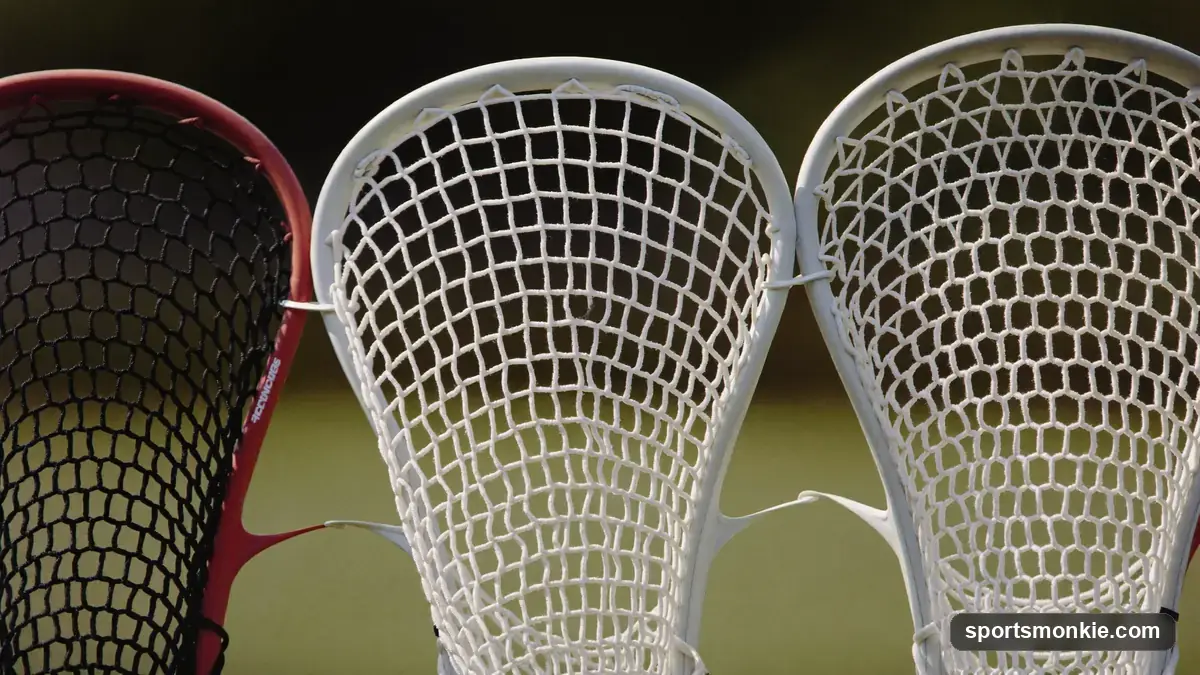
The best lacrosse mesh for most field players is a quality semi-soft performance mesh, such as ECD Hero 3.0 or StringKing Type 4s. It is weatherproof, holds its shape, and breaks in quickly with a soft, grippy feel. If you want a firmer pocket that throws the same in any weather and needs less retuning, a semi-hard mesh like StringKing Type 3x is the better call. Standard men’s field mesh is 10-diamond; goalies run a firmer 12-diamond.
Mesh is the cheapest part of your stick and the one that most decides how it throws. Getting it right matters more than the head you bolt it into. Here is how to choose.
The mesh types, explained
Lacrosse mesh is graded by hardness, which describes how stiff it feels and how much the ball moves inside the pocket. That single variable drives feel, release, and upkeep.
- Soft mesh flexes and grips the ball for maximum control, but bags out faster and needs more retuning.
- Semi-soft mesh keeps most of that feel while holding its shape longer. This is the all-around sweet spot for offensive and field players.
- Semi-hard mesh is more rigid and focused, giving a smoother and more repeatable release with less maintenance.
- Hard mesh is the stiffest, with a crisp release and the least feel, favored by players who want a set-and-forget pocket.
Older mesh was waxed or untreated and soaked up water, which stretched the pocket and changed how it threw mid-game. Modern performance meshes from StringKing and East Coast Dyes are weatherproof, so the pocket you string is the pocket you keep in the rain.
The best lacrosse mesh, compared
This table lines up the meshes players actually run so you can match one to your position and how much upkeep you want to do.
| Mesh | Type | Feel | Best for |
|---|---|---|---|
| ECD Hero 3.0 | Semi-soft | Buttery, quick break-in | Control and all-around field play |
| StringKing Type 4s | Semi-soft | Light, responsive, tri-twist yarn | Offense, feel, faster head speed |
| StringKing Type 3x | Semi-hard | Firm, accurate, low-maintenance | Consistency, players who hate retuning |
| Throne / grippy soft mesh | Soft to medium | High grip | Wet-weather control |
| Traditional wax / hard mesh | Firm | Crisp, minimal feel | Set-and-forget pockets |
| Goalie mesh | 12-diamond, firmer | Rebound control | Goalies only |
In a community survey ECD cites, a large majority of players preferred a semi-soft pocket for feel, which is why semi-soft is the default recommendation for anyone unsure. If you play in a wet climate or hate maintenance, weight your choice toward the firmer end.
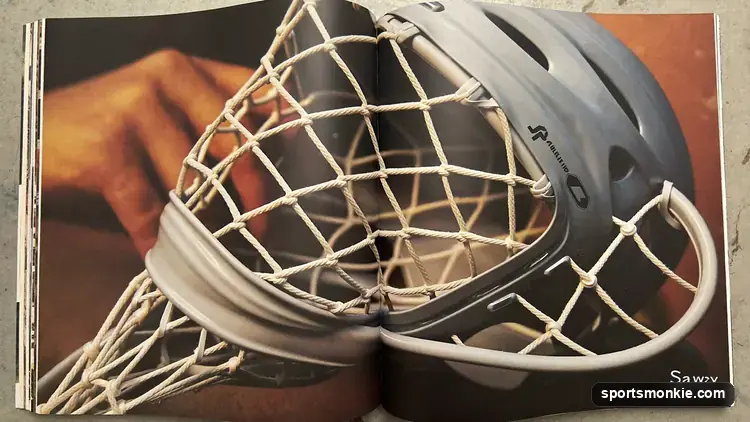
Once you’ve picked your mesh, the pocket only comes to life when it’s strung well. Our step-by-step guide to how to string a lacrosse head walks through the top string, sidewalls, and shooters, plus the legal-pocket check that keeps your stick in the game.
Diamond count and position
Standard men’s and women’s field mesh is 10-diamond, meaning ten diamonds across each row. Goalies use 12-diamond mesh, which is wider and firmer to control rebounds off hard shots. There is no reason for a field player to run goalie mesh or the reverse; match the diamond count to the position.
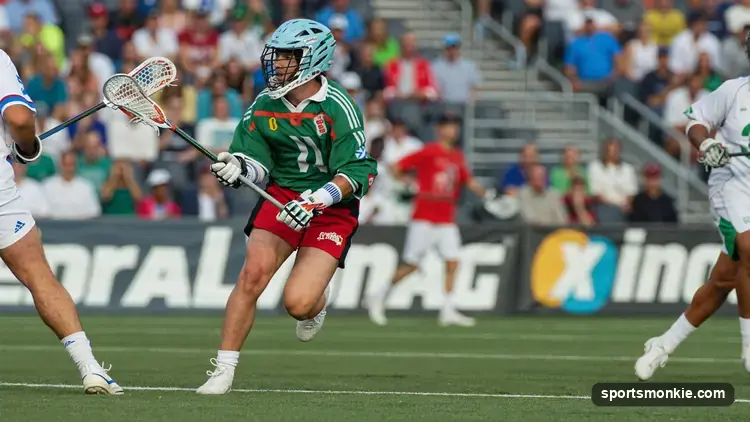
Position also shifts the ideal hardness. A finesse attacker chasing feel and control leans semi-soft. A faceoff specialist wants a low, firm pocket that grips the ball flat on the clamp. A d-pole defender usually runs a firmer mid pocket for clean checks and long clears. The mesh is where you tune those differences in.
How long mesh lasts and how to make it last
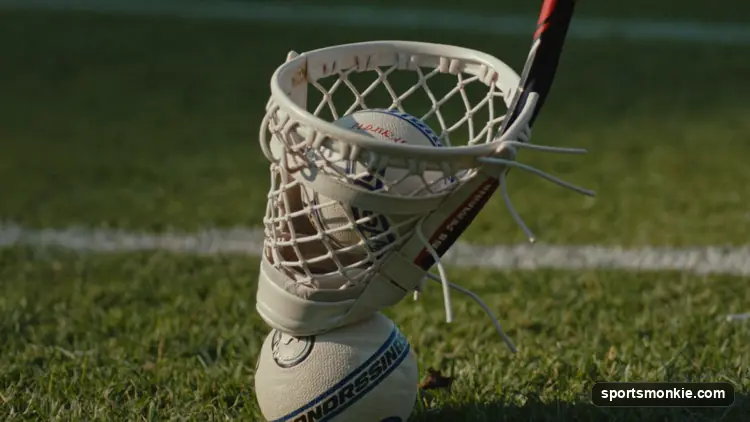
A quality performance mesh lasts one to three seasons of regular play before the pocket bags out. You extend that by breaking it in properly rather than forcing it, keeping it out of standing water, and retuning the sidewalls when the channel loosens. A rebounder or wall gives you the reps to break it in fast; if you want a backyard setup for that, see our take on the lacrosse rebounder.
Spend your money on mesh before you spend it on a flashy head. The right pocket in a cheap head throws better than a bad pocket in an expensive one, every time.
Want more on the theme? Read How to Clean Lacrosse Gloves (Without Ruining Them) next.
For the wider context, we break down What Are Lacrosse Balls Made Of? Material, Size and Weight separately.
Frequently asked questions
What is the best lacrosse mesh?+
For most men's field players, a semi-soft performance mesh like ECD Hero 3.0 or StringKing Type 4s is the best all-around choice: it is weatherproof, holds its shape, and breaks in quickly with a soft feel. Players who want a firmer, lower-maintenance pocket that throws the same in any weather prefer a semi-hard mesh such as StringKing Type 3x.
Is semi-soft or semi-hard mesh better?+
Neither is better outright; they suit different players. Semi-soft mesh offers more ball control and feel because the ball moves in the pocket, which finesse and offensive players like. Semi-hard mesh is more rigid and focused for a smoother, more repeatable release, which players who want consistency and less retuning prefer. Community surveys lean toward semi-soft for feel.
What is the difference between hard and soft mesh?+
Hardness describes how stiff the mesh feels and how much the ball moves inside the pocket. Soft mesh flexes and grips the ball for maximum control but bags out faster and needs more upkeep. Hard mesh is stiff and low-maintenance with a crisp release but less feel. Semi-soft and semi-hard sit between the two and cover most players' needs.
How long does lacrosse mesh last?+
A quality performance mesh typically lasts one to three seasons of regular play before the pocket bags out or the diamonds wear. Weatherproof performance meshes outlast older wax and untreated meshes because they don't soak up water and stretch. Frequent hard shooting, wet conditions, and skipping the break-in all shorten a mesh's usable life.
Sources
Play & tools
Free browser games and tools — no account, no download.
- Play today's Sports Connections — Today's Sports Connections — daily hints, answers, and play the grid.
- Play Guess the NFL Player — A new mystery NFL player every day. Eight guesses, with a clue on each — plus free unlimited mode.
- Explore all our games →
Related guides
How to Break In a Lacrosse Pocket the Right Way
Break in a lacrosse pocket with wall ball, targeted stretching and small string adjustments — and stay inside the NCAA pocket-depth rule while you do it.
How to String a Lacrosse Head: Step-by-Step
Learn how to string a lacrosse head from scratch: the five parts, the order to tie them, a legal-pocket check, and what a first restring should cost you.

Faceoff Lacrosse Heads: What Makes Them Different
Faceoff lacrosse heads use flexible plastic and an aggressive scoop for the clamp. What separates them, the legal rules, and the top heads compared.
What Is a D-Pole? Long Poles vs Short Sticks
A lacrosse d-pole is the long defensive stick, 52 to 72 inches. How long poles differ from short sticks, who carries one, and the four-pole rule.
Lacrosse Rebounders: Are They Worth It and Which to Buy
A lacrosse rebounder returns your passes for solo stick-skills practice. Whether one is worth it, how the top models compare, and the free alternative.
Lacrosse Cleats vs Football Cleats: What's Actually Different
Lacrosse cleats vs football cleats: molded football cleats are usually legal for lacrosse, but metal spikes aren't. Here's the real difference and what to buy.