
What Is a D-Pole? Long Poles vs Short Sticks
On this page4
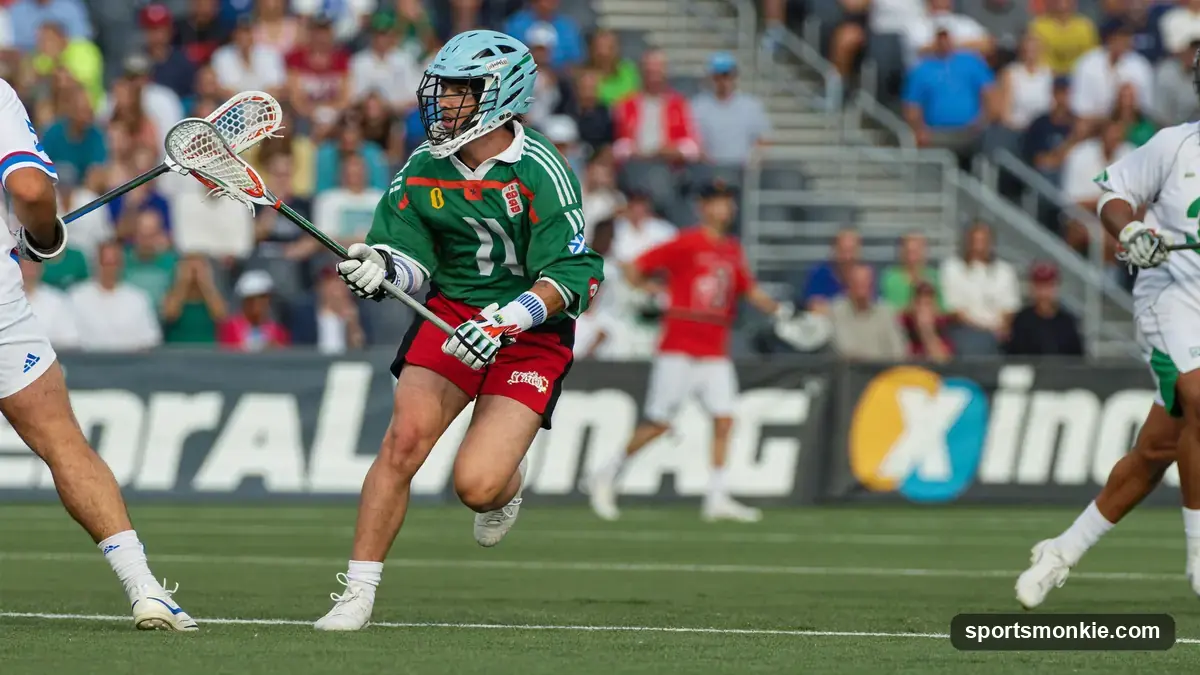
A d-pole, short for defensive pole, is the long lacrosse stick, legal from 52 to 72 inches, carried by defensemen and long-stick midfielders. A short stick, used by attackers and offensive middies, measures just 40 to 42 inches. The extra reach is the whole reason the d-pole exists: it lets a defender check, poke, and scoop from further away than a ball carrier expects. A team may have no more than four long poles on the field at any moment.
If you have watched a game and wondered why some sticks look nearly twice as long as others, that is the d-pole against the short stick. The length changes almost everything about how the two are played.
Long poles vs short sticks
The difference starts with the rulebook. NCAA men’s lacrosse rules and World Lacrosse set clear length bands by role, and those bands drive who carries what.
| Stick type | Legal total length | Who uses it | Why that length |
|---|---|---|---|
| Short stick | 40–42 in | Attackers, offensive middies | Control, quick cradling and release |
| Long pole (d-pole) | 52–72 in | Defensemen, long-stick middies | Reach to check, poke, and scoop |
| Goalie stick | 40–72 in | Goalie | Wide head plus reach to clear the ball |
The short stick is easy to cradle, catch, and shoot with, which is why offensive players use it. The d-pole trades that handling for reach. A six-foot pole is genuinely harder to catch a pass with or carry through a dodge, and learning to do it cleanly is a big part of what makes defense its own craft.
Who carries a d-pole, and the four-pole rule
Two roles run the long stick. Close defensemen stay near their own goal and shut down the other team’s attackers. Long-stick midfielders (LSMs) run the full field, defending in transition and chasing ground balls, then subbing off when their team gets the ball.
The catch is the four-pole limit. A men’s field team may have no more than four long poles on the field at once, typically three close defenders plus one LSM. That cap is why defensive substitutions matter so much: bring a fourth pole on without one coming off and you draw a penalty. It also shapes strategy, because an offense that can pull an LSM out of position creates a short-stick matchup to attack.
How to choose a d-pole
A good d-pole is stiff, light, and cut to your reach. The build has two parts.
- The head. Defensive heads are stiffer and often wider than attack heads so they hold up to checking and pin the ball on ground balls. The ECD DEFY, StringKing Mark 2D, and Maverik Tank are common choices.
- The shaft. Most poles are a lightweight aluminum alloy (like scandium) or a composite. Lighter is easier to move; stiffer resists the bend when you throw a hard check.
On length, the rulebook allows the full 72 inches, but most defenders cut a 60-inch pole down to taste. A pole that is too long is clumsy on ground balls and slow to bring across your body, so more reach is not automatically better. Match it to your height and how much you value control versus range.
Where the d-pole fits on the field
The d-pole and the faceoff lacrosse head sit at opposite ends of the equipment spectrum: one is built for maximum reach, the other for a short, flexible clamp stick. Whatever pole you run, the pocket still decides how it throws, so it is worth reading the best lacrosse mesh guide before you string it. And if you want to understand the space a defenseman is protecting, our explainer on the lacrosse crease covers the geometry around the goal, while the sport’s greatest players include the defenders who mastered the long stick.
Defense with a six-foot pole is one of the hardest jobs on the field. The stick gives you reach; the reps give you the hands to use it.
Frequently asked questions
What is a D pole in lacrosse?+
A D pole, short for defensive pole, is the long stick used by defensemen and long-stick midfielders in men's lacrosse. It measures 52 to 72 inches from the top of the head to the end of the shaft, roughly six feet long. The length gives a defender extra reach to throw checks, poke at the ball carrier, and scoop ground balls before an opponent can.
What is the best lacrosse D pole?+
The best d-pole is stiff, light, and the right length for your reach. Popular defensive heads include the ECD DEFY, StringKing Mark 2D, and Maverik Tank, paired with a lightweight alloy or composite shaft. Most players cut a 60-inch pole to taste rather than run the full 72 inches, since an overly long pole is harder to control on ground balls and dodges.
How tall is a lacrosse D pole?+
A legal d-pole is between 52 and 72 inches long, including the head. Sixty inches is the most common length players actually use, because the full 72 inches is unwieldy for many. The rule sets a range rather than one size so defenders can match the pole to their height, reach, and comfort on ground balls.
What is the toughest position in lacrosse?+
Many players say close defense and long-stick midfield are the toughest to master, because you defend elite dodgers while controlling a six-foot pole that is far harder to cradle and catch with than a short stick. Faceoff and goalie are the other common answers. All three demand a specialized skill set most field players never build.
Sources
Play & tools
Free browser games and tools — no account, no download.
- Play today's Sports Connections — Today's Sports Connections — daily hints, answers, and play the grid.
- Play Guess the NFL Player — A new mystery NFL player every day. Eight guesses, with a clue on each — plus free unlimited mode.
- Explore all our games →
Related guides
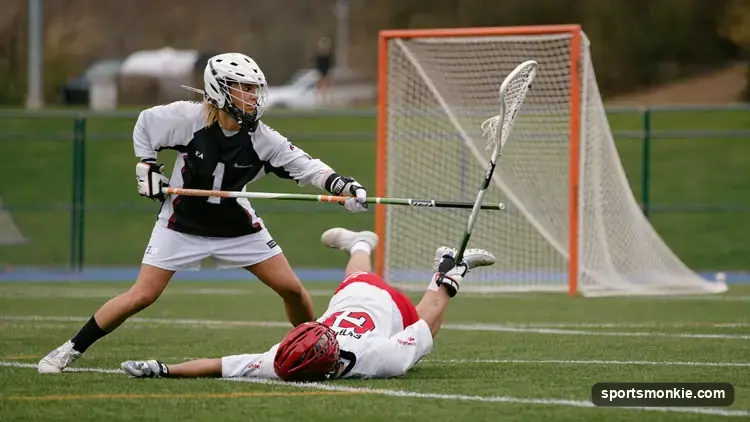
Lacrosse Defenseman Guide: Role, Skills and Stick Setup
A lacrosse defenseman uses a 52-72 inch long pole to stop attackmen. Learn the role, the checks, the stick rules, and how many long poles a team can field.
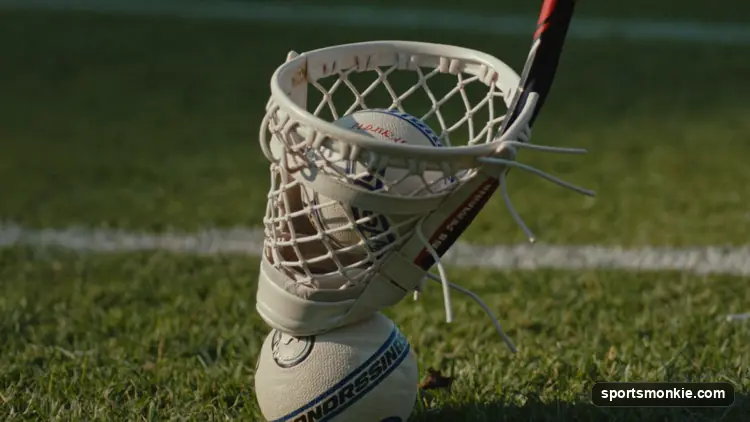
How to Break In a Lacrosse Pocket the Right Way
Break in a lacrosse pocket with wall ball, targeted stretching and small string adjustments — and stay inside the NCAA pocket-depth rule while you do it.
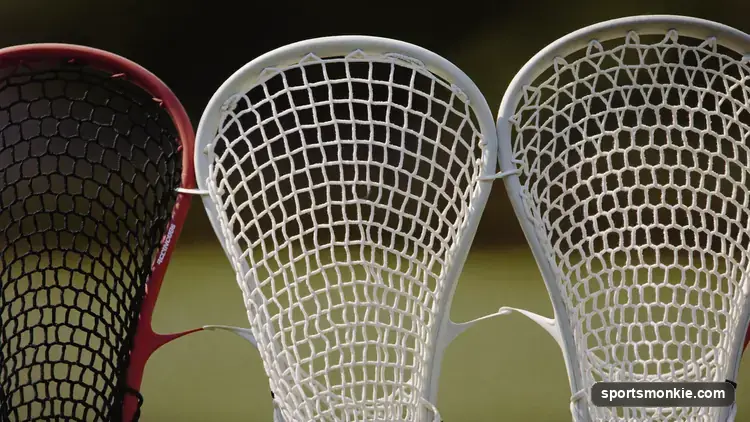
Best Lacrosse Mesh: Types, Brands and How to Choose
The best lacrosse mesh for most players is a semi-soft performance mesh. How the mesh types compare, the top brands, and how to pick the right pocket feel.
Faceoff Lacrosse Heads: What Makes Them Different
Faceoff lacrosse heads use flexible plastic and an aggressive scoop for the clamp. What separates them, the legal rules, and the top heads compared.
Lacrosse Rebounders: Are They Worth It and Which to Buy
A lacrosse rebounder returns your passes for solo stick-skills practice. Whether one is worth it, how the top models compare, and the free alternative.

Lacrosse Cleats vs Football Cleats: What's Actually Different
Lacrosse cleats vs football cleats: molded football cleats are usually legal for lacrosse, but metal spikes aren't. Here's the real difference and what to buy.