
Parts of a Lacrosse Stick: Head, Shaft and Pocket Explained

On this page7
A lacrosse stick has three main parts: the head, the shaft, and the pocket strung inside the head. The head splits into the scoop, sidewalls, and throat. The shaft is the handle you grip, capped by a butt-end. The pocket is the mesh net, held by sidewall strings and tuned by shooting strings. Learn those names and every choice you make, buying, stringing, repairing, gets easier.
Here is each part, what it does, and why it matters when you are standing in a store or restringing at the kitchen table.
The three main parts of a lacrosse stick
Every complete stick, sometimes called a “full stick,” is two pieces of hardware plus one strung assembly. The head is the plastic frame at the top that catches and throws the ball. The shaft is the handle it screws onto. The pocket is the net inside the head, and it is the part you actually tune to change how the stick plays.
Understanding the split matters because you buy and replace these separately. Heads and shafts are sold on their own, and the pocket is strung or restrung independently of both.
Anatomy of the head
The head is where the action happens, and it has its own vocabulary. The scoop is the curved top edge; its shape controls how easily you pick a ball off the ground. The sidewalls are the two rigid rails running down each side, and they carry most of the head’s strength. The throat is the narrow bottom where the head meets the shaft. Many heads also have a small ball stop at the base of the throat that quiets the ball and helps hold it.
The sidewalls do double duty. They keep the head’s shape under a check, and their rows of small holes are what the pocket laces into. That is why the sidewall is both the strong part of the head and the part that holds the netting.
The shaft and butt-end
The shaft is the handle, and it is the strongest structural piece of the stick. Shafts are made from aluminum alloy, titanium, scandium, or composite so they can absorb checks without bending. Length is regulated: short sticks for attackers and midfielders, longer poles for defenders, per USA Lacrosse rules.
At the bottom sits the butt-end or end cap, usually a rubber or plastic plug. It is required for safety and it is the anchor point for a grip knob, the built-up ring of tape many players add so their bottom hand never slides off.
The pocket: mesh, sidewall strings, and shooting strings
The pocket is the strung net, and it is where a stick’s personality lives. Its parts:
- Mesh: the woven nylon net that holds and cradles the ball. This is the “netting” people ask about.
- Sidewall strings: the lengths of string that lace the mesh to the holes along each sidewall, setting the pocket’s depth and channel.
- Shooting strings: the strings woven horizontally across the upper mesh that fine-tune hold and release.
- Top string: the string tying the top of the mesh to the scoop.
Change any of these and the stick throws differently. The mesh type sets the baseline feel; if you are choosing, start with our rundown of the best lacrosse mesh. The sidewall and shooting strings are how you dial depth and whip, which is the craft covered in how to string a lacrosse head.
Two pocket terms are worth knowing before you buy a strung stick off the shelf. Pocket depth is how far the ball sags below the sidewalls; leagues cap it, and an illegal-depth pocket gets flagged, so this is a rules issue, not just a preference. Channel is the lane the mesh forms down the middle of the head that guides the ball on release. A well-defined channel gives a consistent, accurate throw; a flat, channel-less pocket sprays the ball. Both are set by how tightly the sidewall strings are tied, which is why two sticks with identical mesh can feel completely different.
Labeled parts of a lacrosse stick
Here is the whole stick in one place, grouped by assembly, with what each part actually does.
| Assembly | Part | What it does |
|---|---|---|
| Head | Scoop | Curved top edge; picks up ground balls |
| Head | Sidewall | Rigid side rails; hold shape and anchor the pocket |
| Head | Throat | Narrow base where head meets shaft |
| Head | Ball stop | Cushions the ball, aids hold |
| Shaft | Shaft/handle | The grip; strongest structural part |
| Shaft | Butt-end | End cap; safety plug and grip-knob anchor |
| Mesh | The net that holds and cradles the ball | |
| Sidewall strings | Lace mesh to the sidewalls; set depth | |
| Shooting strings | Tune hold and release | |
| Top string | Ties mesh to the scoop |
Read that table top to bottom and you have named every part a store clerk, coach, or stringer will mention.
Why the parts matter for your position
The anatomy is not trivia; it drives what you buy. A face-off specialist wants a specific head shape and stiffness, which is why we keep a separate guide to faceoff lacrosse heads. A defender wants a long shaft and a durable head. An attacker wants a pocket tuned for quick release. Same three parts, tuned three different ways.
Once you know the names, you can shop and string with intent instead of guessing. Then take it to the field; our lacrosse drills for beginners will tell you fast whether your pocket and grip are set up the way you think they are.
The bottom line
Three parts, one job each: the head catches and throws, the shaft gives you the grip and reach, and the pocket, mesh plus sidewall and shooting strings, decides how the ball holds and releases. The sidewalls are the strong, anchoring part of the head; the shaft is the strongest part overall; and the mesh is the netting everyone asks about. Know those names and nothing about buying or stringing a stick feels like a mystery again.
Freshness note: part names are stable, but legal shaft lengths and head-dimension rules vary by level and update periodically; confirm current USA Lacrosse specs before buying for a regulated league.
Frequently asked questions
What are the parts of a lacrosse stick called?+
The three main parts are the head, the shaft, and the pocket. The head includes the scoop at the top, the sidewalls on each side, and the throat where it meets the handle. The shaft is the handle, ending in a butt-end cap. The pocket is the mesh net inside the head, held by sidewall strings and adjusted with shooting strings.
What do you call the netting on a lacrosse stick?+
The netting is the mesh, and the whole strung area is called the pocket. Mesh is the woven nylon net that holds and cradles the ball. It is laced into the head with sidewall strings along the edges and fine-tuned with shooting strings across the top. Together the mesh and strings form the pocket that controls how the ball sits and releases.
What is the strong part of a lacrosse stick?+
The shaft is the strongest structural part, made from aluminum alloy, titanium, or composite to survive checks. Within the head, the sidewalls are the rigid load-bearing rails that keep the head's shape and take the stress of stringing and contact. The scoop and throat are shaped for function, but the sidewalls and shaft carry the force.
Which part of a lacrosse stick holds the netting?+
The sidewalls hold the netting. Each sidewall has a row of small holes running along it, and the mesh is laced to those holes with sidewall strings. The top of the mesh ties to the scoop, and the bottom feeds through the throat toward the shaft. So the sidewalls, via their holes and strings, are what actually anchor the pocket.
Sources
Play & tools
Free browser games and tools — no account, no download.
- Play today's Sports Connections — Today's Sports Connections — daily hints, answers, and play the grid.
- Play Guess the NFL Player — A new mystery NFL player every day. Eight guesses, with a clue on each — plus free unlimited mode.
- Explore all our games →
Related guides
How to Tape a Lacrosse Stick: Grips That Actually Help
How to tape a lacrosse stick: build a butt-end knob, add a top-hand reference band, and choose tape that grips. The wraps that help, and the ones that don't.

Traditional Lacrosse Stringing vs Mesh: Which Pocket to Play
Traditional lacrosse stringing uses leathers and crosslace for feel and hold; mesh is one synthetic piece for consistency. Here is which pocket to play and why.

How to Break In a Lacrosse Pocket the Right Way
Break in a lacrosse pocket with wall ball, targeted stretching and small string adjustments — and stay inside the NCAA pocket-depth rule while you do it.

Lacrosse Cleats vs Football Cleats: What's Actually Different
Lacrosse cleats vs football cleats: molded football cleats are usually legal for lacrosse, but metal spikes aren't. Here's the real difference and what to buy.

Lacrosse Equipment List: Everything You Need to Play
The full lacrosse equipment list: a men's player needs a helmet, gloves, and pads; a girls' player needs eyewear, a mouthguard, and a stick. Checklist inside.
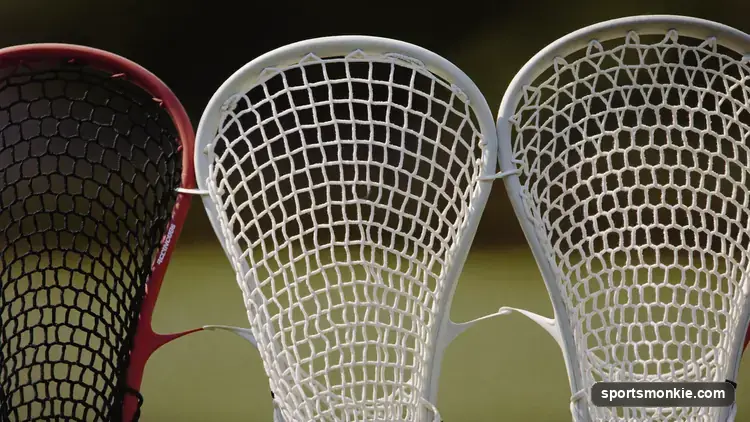
Best Lacrosse Mesh: Types, Brands and How to Choose
The best lacrosse mesh for most players is a semi-soft performance mesh. How the mesh types compare, the top brands, and how to pick the right pocket feel.