
Lacrosse Drills for Beginners: Skills That Transfer
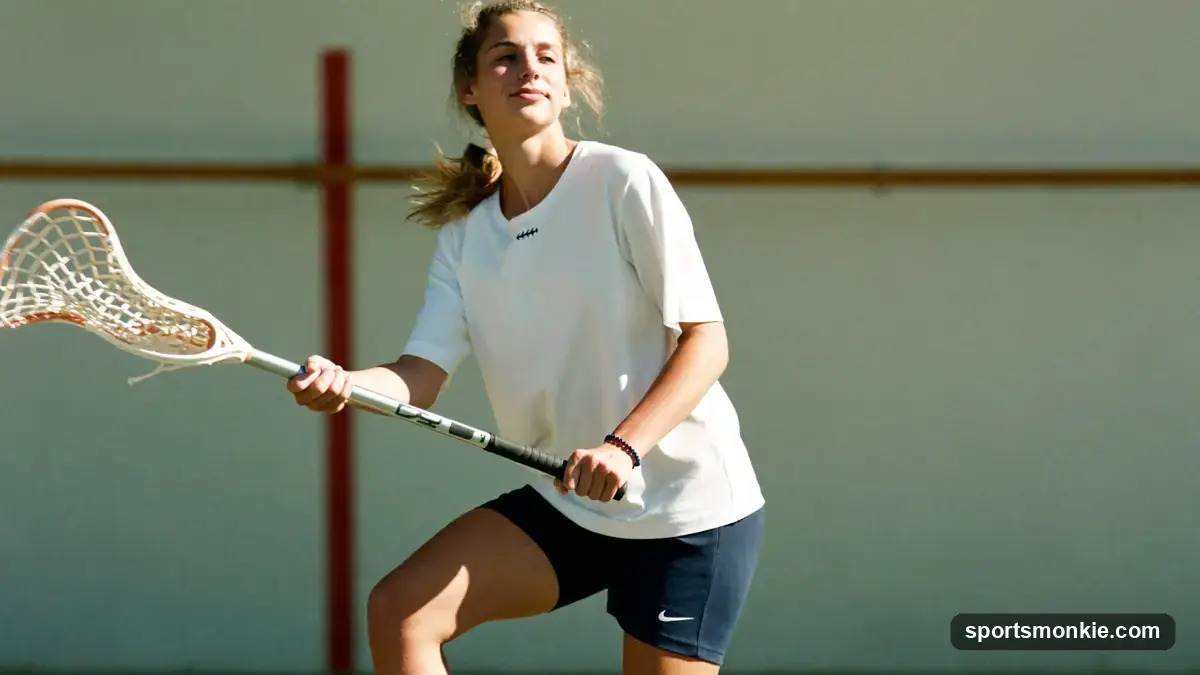
On this page5
The fastest way to get good at lacrosse as a beginner is to drill four fundamentals until they are automatic: wall ball for passing and catching, cradling for ball security, ground balls for scooping, and partner passing for accuracy. Wall ball is the single most valuable drill because you can do it alone, and 100 reps a day is the standard target coaches set. Get those four reliable before you touch shooting or dodging — everything else in the sport is built on top of them.
Why these four drills come first
New players want to shoot. Coaches want them to catch. The reason is simple: in beginner and youth lacrosse, possession is won on loose balls and lost on dropped passes, so the players who can catch, throw and scoop under pressure control the game long before anyone’s shot matters.
Governing body USA Lacrosse frames beginner development around the same core skills, and its coaching materials introduce structured drills from around ages 6 to 7 with ball familiarity and cradling first, then passing and ground-ball competition from ages 8 to 10. The order matters as much as the drills.
The four beginner drills that transfer
Each of these builds a skill you will use on every possession. Do them in this order and you cover catching, throwing, ball security and loose-ball recovery.
Wall ball
Stand 5 to 10 feet from a solid wall and throw the ball against it, catching each rebound. Alternate strong and weak hands, and mix in quick-stick reps where you catch and release in one motion. This is the drill that separates players, because it trains passing and catching together and needs no partner. Set a daily number and hit it.
Cradling
Cradling keeps the ball pinned in your pocket while you move. Hold the stick with both hands and rock the head back and forth in a smooth rhythm driven by the wrists and forearms, not the shoulders. Start standing, then walk, then jog, protecting the stick with your body the whole time.
Ground balls
Loose-ball reps win beginner games. Get low, bend at the knees, bring the stick head level to the ground, and scoop through the ball rather than at it, then bring it up into a protected cradle immediately. Practise with a partner rolling balls, and add light contest so it holds up under pressure.
Partner passing
Stand 15 to 20 yards apart and throw catchable passes, working both hands. Aim for the pocket at the receiver’s ear on their stick side, and give slightly with the catch — soft hands — so the ball settles instead of bouncing out. Count consecutive clean passes and try to beat the number.
A beginner practice plan
Here is how the four drills fit together, what each builds, and how much to do. You can run the whole set in 30 minutes, most of it alone.
| Drill | Skill it builds | How to do it | Target |
|---|---|---|---|
| Wall ball | Passing + catching | Throw at a wall, catch rebound, both hands | 100 reps/day |
| Cradling | Ball security | Rock stick with wrists, standing then moving | 5 min, both hands |
| Ground balls | Scooping loose balls | Get low, scoop through, protect the ball | 20–30 reps |
| Partner passing | Accuracy + soft hands | 15–20 yds apart, aim for the pocket | 50 clean passes |
| Split dodge (footwork) | Beating a defender | Plant, switch hands, explode past a cone | 10 each side |
Once your hands are reliable, the game opens up fast. See how the fundamentals scale to the top level in our list of the greatest lacrosse players of all time — every one of them still drills wall ball.
The one habit that beats talent
If you do nothing else, do wall ball every day. The players who improve fastest are not the most athletic; they are the ones who put the ball in their stick daily and rep both hands. A weak off-hand is the clearest tell of a beginner, and the wall fixes it for free.
When you are ready to watch the sport you are training for, our comparison of the PLL and NLL pro leagues shows where these skills lead, and our guide to the crease and the rules around the goal explains the one piece of field geometry every new player gets wrong.
The bottom line
Beginner lacrosse is won with reliable hands, not highlight shots. Drill wall ball, cradling, ground balls and passing daily, rep both hands, and add footwork once catching and throwing are automatic. Do that for a few weeks and you will look like you belong on the field — because you will.
Frequently asked questions
What are the best lacrosse drills for beginners?+
The four that matter most are wall ball, cradling, ground balls and partner passing. They build the fundamentals every other skill depends on: catching, throwing, ball security and loose-ball recovery. Beginners who drill these four daily improve faster than those who jump straight to shooting or dodging.
What is the best way to practise lacrosse alone?+
Wall ball. Stand about 5–10 feet from a solid wall and throw the ball against it, catching the rebound, alternating strong and weak hands. It trains passing and catching at once and needs no partner. Aim for 100 reps a day, and both hands, to build a reliable pocket and soft catch.
How long does it take to get good at lacrosse?+
With daily wall ball and ground-ball reps, most beginners have reliable catching and throwing within a few weeks and look comfortable in a season. Stick skills come faster than game sense. The players who progress quickest are not the most athletic — they are the ones who touch the ball every day.
How do you cradle a lacrosse ball for beginners?+
Hold the stick with both hands and rock the head back and forth in a smooth arc so the ball stays pinned in the pocket by centrifugal force. The motion comes from the wrists and forearms, not the shoulders. Start standing still, then add walking, then jogging, keeping the stick protected.
What should a beginner learn first in lacrosse?+
Catching and throwing, in that order, through wall ball. A player who cannot reliably catch a pass cannot do anything else on the field. Ground balls come next, because possession in beginner lacrosse is won on loose balls. Shooting and dodging are worth almost nothing until the hands are dependable.
Sources
Play & tools
Free browser games and tools — no account, no download.
- Play today's Sports Connections — Today's Sports Connections — daily hints, answers, and play the grid.
- Play Guess the NFL Player — A new mystery NFL player every day. Eight guesses, with a clue on each — plus free unlimited mode.
- Explore all our games →
Related how-to guides guides
View all →
Lacrosse Rebounders: Are They Worth It and Which to Buy
A lacrosse rebounder returns your passes for solo stick-skills practice. Whether one is worth it, how the top models compare, and the free alternative.
The Lacrosse Wall Ball Routine That Builds Elite Stick Skills
A lacrosse wall ball routine that builds elite stick skills: a rep-by-rep plan of right-hand, left-hand, quick-stick, and behind-the-back throws.
Lacrosse vs Soccer: Which Should Your Kid Play?
Lacrosse vs soccer compared on cost, contact, injury rates, college roster odds and where you can actually play. A parent's decision guide, with real numbers.
How to Catch a Lacrosse Ball: Soft Hands in 3 Steps
To catch a lacrosse ball, present a target, give with the ball as it arrives, then cradle. Learn the soft-hands technique and beginner drills in three steps.

How to Cradle a Lacrosse Ball: Technique for Beginners
To cradle a lacrosse ball, move the stick head in a smooth curved arc so the ball stays pressed in the pocket. Learn one-hand and two-hand cradling here.

Lacrosse vs Hockey: Similarities, Differences and Crossover Skills
Lacrosse vs hockey: lacrosse is a stick-and-ball field sport, hockey a puck-on-ice game, but they share the same physical DNA and crossover skills.