
How to Catch a Lacrosse Ball: Soft Hands in 3 Steps

On this page5
To catch a lacrosse ball, do three things in order: present a target with the stick head up beside your head, give with the ball by drawing the stick back a few inches the moment it arrives, then cradle immediately to lock it in the pocket. That middle step, the give, is what coaches call “soft hands,” and it is the single reason a beginner either catches cleanly or watches the ball rebound off the mesh onto the turf.
Catching is the skill that makes a player useful. You can cradle and run all day, but a team moves the ball through passes, and every pass ends in a catch. Here is the soft-hands technique in three steps, plus the drills that build it fastest.
The three steps to catching a lacrosse ball
Catching is not about snatching the ball out of the air. It is about receiving it, letting the stick absorb the pace so the ball settles instead of bouncing. Think of catching an egg: you move your hands with it, you do not stab at it.
| Step | What to do | Why it matters |
|---|---|---|
| 1. Present the target | Hold the stick head up beside your ear, face open toward the passer, top hand relaxed | Gives the passer a clear box to hit and puts the pocket in the catching position |
| 2. Give with the ball | As the ball reaches the pocket, draw the stick back a few inches, letting it absorb the pace | Kills the rebound; a stiff stick pops the ball straight back out |
| 3. Cradle immediately | Roll straight into the cradle the instant the ball lands, without pausing | Secures possession and stops a defender checking the ball loose |
Practise the three steps as one flowing motion, not three separate stops. The whole sequence should take a fraction of a second once it is grooved.
Why “soft hands” is the whole game
USA Lacrosse teaches the give as the core of catching, and it is the step beginners most often skip. A new player instinctively holds the stick rigid and reaches at the ball, so the ball hits a hard, static pocket and bounces off. Giving with the ball, drawing the stick back on contact, turns the pocket into a cushion.
You can feel the difference in a single session. Hold your stick still and have someone toss you a ball: it kicks out. Now catch the same toss while pulling the stick back an inch or two: it settles and stays. That absorbing motion is soft hands, and it works the same on a soft toss or a hard feed from across the field. A well-strung pocket helps the give feel natural, which is why the best lacrosse mesh choice matters even for catching, not just throwing.
Present a target the passer can hit
Half of catching happens before the ball is thrown. Give the passer a still, obvious target: stick head up beside your head, top hand relaxed, the face of the head open toward them. Move to the ball rather than waiting for a perfect pass, and keep the target up until the ball is in the pocket.
The box target beside your head is the standard for a reason. It keeps the pocket in the natural catching and throwing position, so you can catch and release without repositioning. Dropping the target low or holding it out front forces an awkward scoop and invites a check.
Drills that build a reliable catch
Catching improves through volume, and the fastest volume comes from wall ball. Throwing against a wall and catching the rebound gives you hundreds of reps a session with no partner needed, and it forces the give because the ball comes back with pace.
- Wall ball, both hands: Throw and catch against a wall, dominant hand first, then force your off hand. Aim for 100 catches a side.
- Give-and-take partner passes: Face a partner five yards apart and focus only on drawing the stick back on each catch. Step back a yard each round.
- Rebounder reps: A lacrosse rebounder returns your own throws at game speed, so you can drill catching solo and vary the angle of the return.
Our lacrosse drills for beginners guide sequences these into a full session that layers catching with cradling and cutting, which is how the skill shows up in a real game.
The one thing you cannot do: use your hands
Field players may not touch the ball with their hands at any point. The ball is caught, carried, and thrown only with the stick, and a deliberate hand ball hands possession to the other side. The lone exception, set out in the World Lacrosse rules, is the goalkeeper inside the crease, who may block or bat the ball but still cannot pick it up by hand. So the catch is not optional or replaceable, the stick is your only tool for receiving the ball, which is exactly why soft hands are worth drilling until they are automatic.
Groove the give first, add your off hand second, and let the cradle follow the catch without a pause. Do that against a wall for a couple of weeks and clean catching stops being something you think about and starts being something you just do.
Freshness note: catching technique is stable; the hand-ball and goalkeeper rules are set by World Lacrosse and USA Lacrosse and reviewed each season, so confirm current wording before coaching.
Frequently asked questions
How do you catch a lacrosse ball?+
Present a target with the stick head up beside your ear, watch the ball into the pocket, and give with it by pulling the stick back a few inches as the ball arrives so it does not rebound out. Then start cradling right away. The give, or soft hands, is the part beginners skip and the reason most drops happen.
How do you catch a lacrosse ball for beginners?+
Start close and slow against a wall or with a partner. Show a still target beside your head, keep your top hand relaxed, and let the stick absorb the ball by giving back on contact rather than stabbing at it. Master catching on your dominant side first, then practise your off hand, which is what separates confident beginners from stuck ones.
Can you grab the lacrosse ball with your hands?+
No. Field players may not touch the ball with their hands at any time; the ball is played only with the stick. The one exception is the goalkeeper inside the crease, who may block or bat the ball but still cannot pick it up by hand. A hand ball by a field player gives possession to the other team.
How do you cradle after catching a lacrosse ball?+
The catch flows straight into a cradle. As the ball settles in the pocket, roll your top wrist into the curved cradling motion without pausing, so the ball never sits still long enough to bounce out or get checked loose. A clean catch that stops dead is only half done; the immediate cradle is what secures possession.
Sources
Play & tools
Free browser games and tools — no account, no download.
- Play today's Sports Connections — Today's Sports Connections — daily hints, answers, and play the grid.
- Play Guess the NFL Player — A new mystery NFL player every day. Eight guesses, with a clue on each — plus free unlimited mode.
- Explore all our games →
Related guides

How to Cradle a Lacrosse Ball: Technique for Beginners
To cradle a lacrosse ball, move the stick head in a smooth curved arc so the ball stays pressed in the pocket. Learn one-hand and two-hand cradling here.

Adult Lacrosse Leagues: How to Find One and What They Cost
Adult lacrosse leagues run roughly $100-250 a season. Here is how to find one near you, what the divisions mean, and whether it's too late to start.

Lacrosse Equipment List: Everything You Need to Play
The full lacrosse equipment list: a men's player needs a helmet, gloves, and pads; a girls' player needs eyewear, a mouthguard, and a stick. Checklist inside.
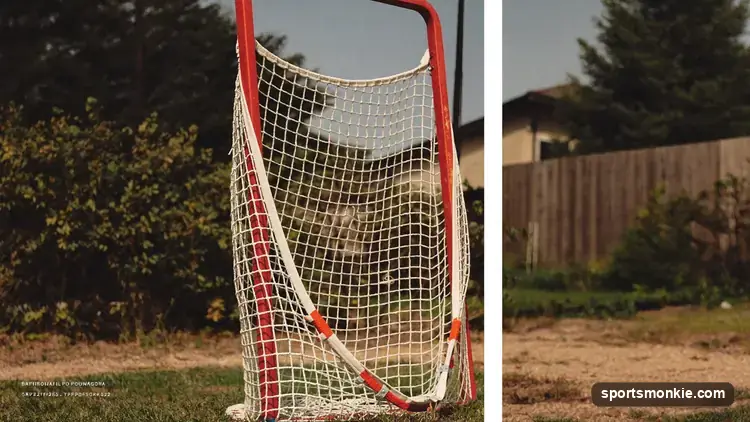
Lacrosse Rebounders: Are They Worth It and Which to Buy
A lacrosse rebounder returns your passes for solo stick-skills practice. Whether one is worth it, how the top models compare, and the free alternative.

Can You Kick the Ball in Lacrosse? The Rule Explained
Yes, you can kick the ball in men's lacrosse, and you can even score by kicking it. The women's game restricts it more. Here is exactly what the rules allow.

The Lacrosse Wall Ball Routine That Builds Elite Stick Skills
A lacrosse wall ball routine that builds elite stick skills: a rep-by-rep plan of right-hand, left-hand, quick-stick, and behind-the-back throws.