
How Much Does Lacrosse Equipment Cost? Full Gear Budget
On this page7
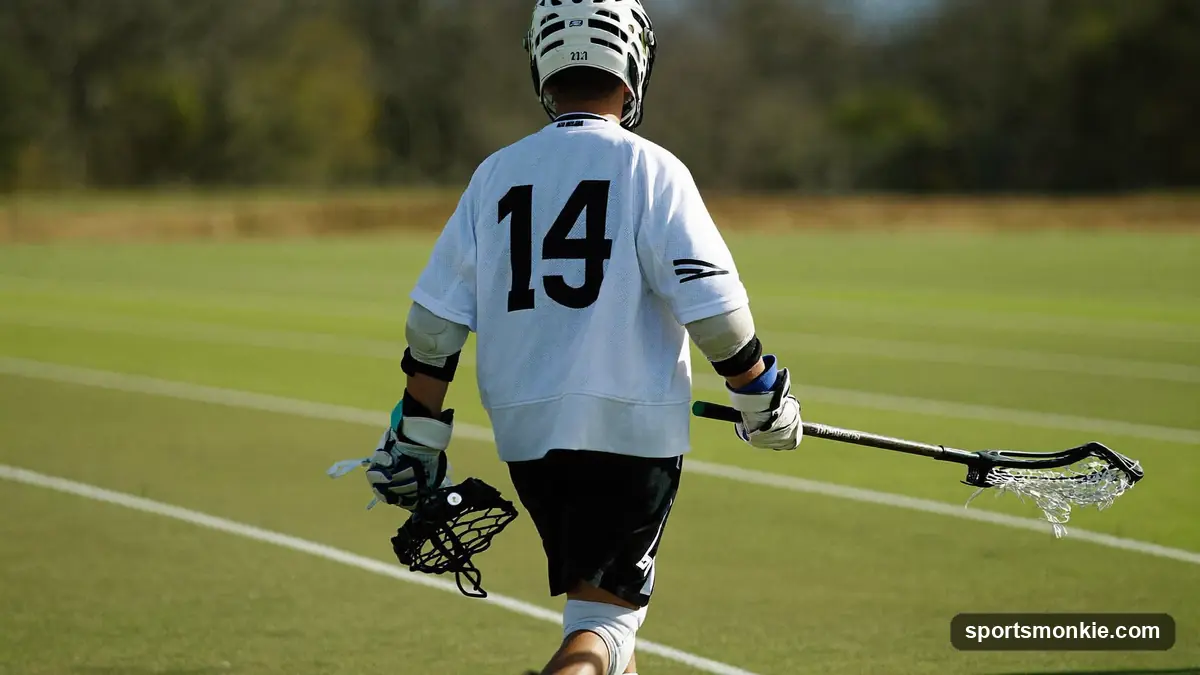
A complete beginner boys’ lacrosse setup runs about $300 to $500, covering a stick, helmet, gloves, shoulder and arm pads, cleats, and a mouthguard. Step up to a mid-to-advanced kit, a separate head and shaft, a premium helmet, and better pads, and you are looking at $800 to $1,200 or more. The helmet is the single biggest cost at $150 to $350. Girls’ and women’s field gear is far cheaper because no helmet or body pads are required.
Prices below are typical US ranges from retailers like Lacrosse Monkey and Dick’s Sporting Goods; expect UK and Australian prices to run higher once import and shipping are added.
The full lacrosse gear budget
Here is every piece a boys’/men’s field player needs, with realistic price ranges at the beginner and premium ends. The middle column is where most club players actually buy.
| Item | Beginner | Mid-range | Premium |
|---|---|---|---|
| Complete stick (pre-strung) | $40–90 | — | — |
| Head only | — | $50–90 | $90–120 |
| Shaft only | — | $40–90 | $90–200+ |
| Helmet (NOCSAE) | $150–200 | $200–280 | $280–350 |
| Gloves | $40–70 | $70–130 | $130–200 |
| Shoulder pads / liner | $40–70 | $70–100 | $100–150 |
| Arm pads / guards | $25–50 | $50–80 | $80–120 |
| Cleats | $40–70 | $70–100 | $100–150 |
| Mouthguard | $5–15 | $15–25 | $25–40 |
| Rib pads (optional) | $30–50 | $50–70 | $70–100 |
| Gear bag | $30–50 | $50–80 | $80–120 |
| Approx. total | ~$300–500 | ~$650–900 | $1,000–1,500+ |
The single biggest lever is the stick. A pre-strung complete stick keeps a first-year player at the low end, while buying a head and shaft separately, plus stringing, is where costs balloon.
Where the money actually goes
The helmet dominates a lacrosse budget. Even an entry model meeting the NOCSAE standard starts around $150, and premium adjustable helmets from the major makers push past $300. Because it is both the priciest and the most safety-critical item, this is the piece to size carefully rather than buy cheap or oversized.
After the helmet, the stick is the second real decision. New players should almost always start with a complete pre-strung stick for $40 to $90. It plays fine, it is legal, and it saves you from paying for a premium head and shaft before you know your position. Once a player commits, upgrading to a separate head and shaft, then restringing the pocket, is a natural second-season purchase.
Everything else, gloves, shoulder pads, arm pads, and cleats, scales with how often you play. A beginner buying mid-range on those four spends around $200 combined and gets gear that lasts several seasons.
Girls’ and women’s lacrosse costs less
Women’s field lacrosse is a no-contact game, so the equipment list is short: a women’s stick, protective goggles, and a mouthguard, with no helmet or body pads required. That drops a full beginner kit to roughly $120 to $250. The stick itself differs too, with a shallower legal pocket, so a boys’ complete stick is not a substitute. If you are outfitting a daughter, the goggles and stick are the two items to spend on.
How to keep the cost down
Three moves cut a first-year budget without cutting safety. First, buy a complete pre-strung stick instead of separate parts. Second, check whether the club or school loans helmets, which are often available for beginners and remove the biggest single cost. Third, buy gloves, pads, and cleats mid-range rather than premium, since the performance gap is small for a new player and the durability is similar.
What not to skimp on: the helmet and mouthguard. Buy a certified helmet that fits now, and replace any helmet after a cracking impact. A well-fitted helmet is worth more than a premium shaft. Our guide to sizing covers it in detail, and once you own a stick, our rundowns of the best lacrosse mesh and choosing a defensive long pole explain the upgrades worth paying for later.
Goalie gear is a separate budget
Goalies spend more than field players because they add protection built to stop a solid ball at speed. On top of a helmet and gloves, a goalie needs a chest protector, a throat guard, and a specialized goalie stick with a much wider head, and many add padded pants and shin protection. A goalie chest protector alone runs roughly $60 to $180, a goalie stick $60 to $160, and the throat guard attaches to the helmet.
Budget an extra $150 to $400 for a beginner goalie beyond a standard field kit. If your child is trying goaltending, borrow gear for the first season if the club allows it, since goalie-specific pieces are the most position-locked purchases in the sport.
Ongoing costs beyond the gear
Equipment is often not the biggest line in a lacrosse season. Club and travel-team fees, tournament entry, and travel can dwarf the gear budget, running from a few hundred dollars for a rec league to well over a thousand for a competitive club team. Recurring smaller costs add up too: replacement mesh and string when a pocket wears out, fresh mouthguards, new cleats as feet grow, and the occasional cracked helmet that has to be retired.
The gear itself is a durable, multi-season purchase if you buy mid-range and size the helmet to last. Framing the budget as gear plus program fees, rather than gear alone, gives a truer picture of what a season costs.
When to upgrade, and what it costs
Most players make one upgrade cycle after the first season. The typical path is a separate head and shaft to replace the complete stick ($90 to $300 combined), then better gloves and a stiffer helmet as the game speeds up. Defenders add a long pole; goalies buy a specialized stick and extra chest and throat protection, which is a separate budget of its own.
For a realistic plan: spend on a certified helmet and a complete stick first, buy mid-range pads, and put the upgrade money into a real head-and-shaft build once the player knows their position. New players should pair whatever they buy with our lacrosse drills for beginners so the gear gets used well before the next upgrade.
Freshness note: gear prices drift each season with new model releases and retailer sales. Re-check current pricing at Lacrosse Monkey and Dick’s, and confirm helmet certification requirements with USA Lacrosse before buying.
Frequently asked questions
How expensive is lacrosse to start?+
Expect roughly $300 to $500 for a full beginner boys' kit: a complete stick, helmet, gloves, shoulder and arm pads, cleats, and a mouthguard. Girls' and women's starter gear is cheaper because no helmet or heavy pads are required, often $120 to $250. Clubs and school programs sometimes loan helmets, which cuts the biggest cost.
What is the average cost of a lacrosse stick?+
A complete pre-strung beginner stick runs about $40 to $90, which is the smart first buy. Building a stick from a separate head ($30 to $120) and shaft ($30 to $200) can total $60 to over $300 depending on parts. Defensive long poles and goalie sticks cost more because of the longer or specialized shaft.
What lacrosse equipment do you actually need?+
For boys' and men's field lacrosse you need a stick, a NOCSAE helmet, gloves, shoulder pads, arm pads, a mouthguard, and cleats; rib pads are optional. Girls' and women's field lacrosse requires a stick, goggles, and a mouthguard, with no helmet or body pads. Goalies in both games add extra chest and throat protection.
Is lacrosse more expensive than other sports?+
Startup gear costs more than soccer or basketball but less than ice hockey. A boys' beginner kit at $300 to $500 sits between the two. The bigger long-term cost is often club and travel-team fees rather than equipment, which lasts several seasons if you buy mid-range and size the helmet to last.
Sources
Play & tools
Free browser games and tools — no account, no download.
- Play today's Sports Connections — Today's Sports Connections — daily hints, answers, and play the grid.
- Play Guess the NFL Player — A new mystery NFL player every day. Eight guesses, with a clue on each — plus free unlimited mode.
- Explore all our games →
Related guides
Is Lacrosse an Expensive Sport? The Real Costs
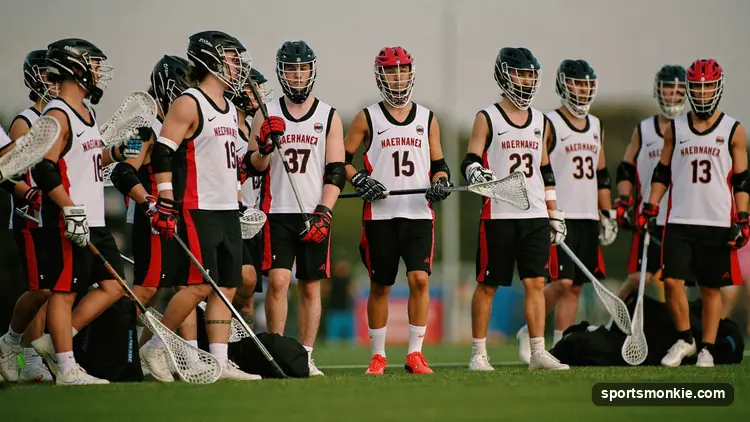
Lacrosse can be expensive: rec play runs about $400 to $900 a year, but travel-club lacrosse climbs past $5,000. Here is the real cost breakdown, tier by tier.
How Much Does Club Volleyball Cost?
Club volleyball typically costs a few thousand dollars a season once fees, travel and gear are added. Full cost breakdown and why it's expensive.

How Much Does a Racehorse Cost?
A racehorse can cost anywhere from a few thousand dollars to millions at auction, plus tens of thousands a year to train and keep. Full price breakdown.
How Much Does Fencing Cost? Gear and Club Fees
How much does fencing cost? Beginner gear, club membership, lessons and USA Fencing fees explained, with typical price ranges for the sport.
How Much Does an Ironman Cost? Full Breakdown
How much does an Ironman cost? Entry runs $800-$1,000, but a first Ironman budget lands $3,500-$12,000 once gear, coaching and travel are counted.
How Much Does It Cost to Own a Horse? Full Breakdown
Owning a horse costs $6,000-$20,000+ a year in the US after a $1,000-$15,000 purchase. Full breakdown of board, feed, farrier, vet and insurance costs.