
The Lacrosse Wall Ball Routine That Builds Elite Stick Skills
On this page5
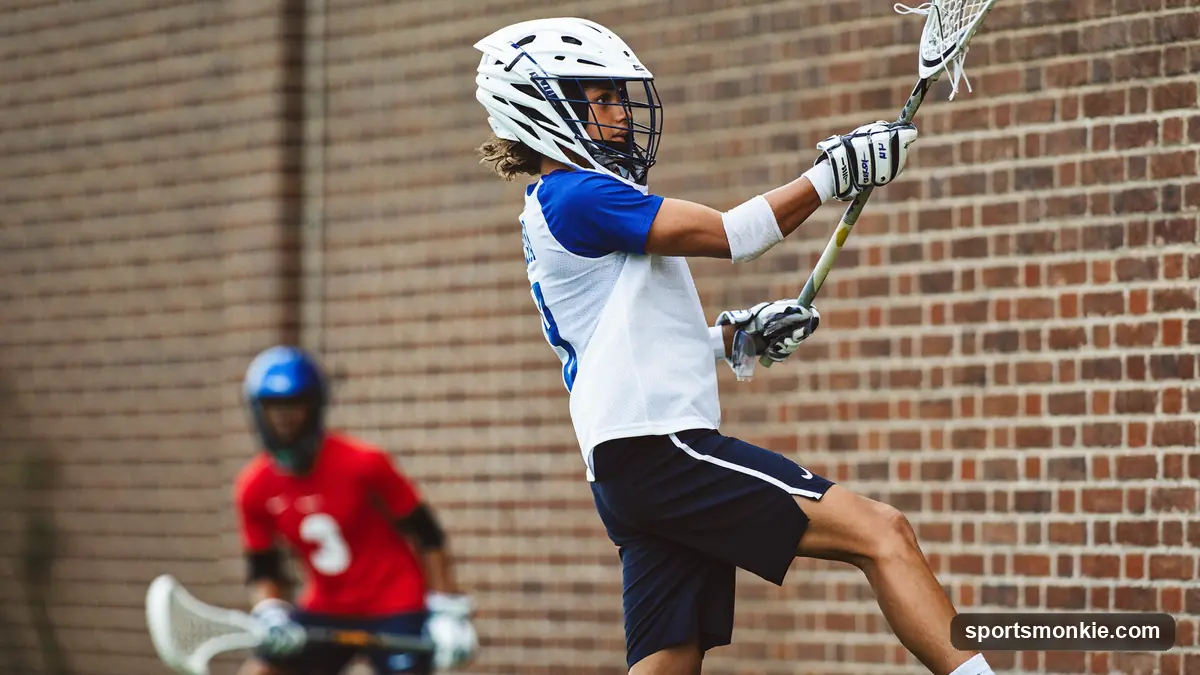
Wall ball is the single most efficient drill in lacrosse: a flat wall, a ball, and fifteen minutes give you more repetitions of throwing and catching than a full team practice. The routine below cycles through right hand, left hand, quick-stick, one-hand, and behind-the-back reps for 250 total throws. Do it daily and your weak hand stops being weak inside a month.
There is no shortcut hiding somewhere else. Every elite player USA Lacrosse profiles built their hands the same boring way, one bucket of reps at a time against a wall.
Why wall ball beats every other stick-skill drill
Stick skills come from volume, and no drill delivers volume like wall ball. In a passing line with teammates you might get 40 catches in ten minutes. Against a wall you get 250, with no waiting and no one to blame for a bad feed. Every rep is on you, which is exactly why it works.
It is also self-correcting. A dropped ball rolls back to your feet, a bad throw sails wide and you see why, and your top hand learns to stay loose because a death grip produces ugly, inaccurate passes. Coaches at USA Lacrosse clinics repeat the same cue: throw with your whole motion, cradle on the catch, and never let the routine turn into lazy flicking.
If your fundamentals still feel shaky, groove the catch first with our guide to catching a lacrosse ball and the soft hands you get from proper cradling. Wall ball then turns those movements into automatic habits.
The 250-rep wall ball routine
Stand seven to ten feet from a flat, hard wall. Closer speeds up quick-stick work; farther forces a fuller throwing motion. Run the drills in order, keep your feet moving, and split every set evenly between hands. The whole routine takes twelve to fifteen minutes.
| Drill | Reps | What it trains |
|---|---|---|
| Right hand, full cradle | 40 | Dominant-hand throw and catch |
| Left hand, full cradle | 40 | Off-hand mechanics |
| Quick-stick right | 30 | Catch-and-release, no cradle |
| Quick-stick left | 30 | Off-hand catch-and-release |
| One hand, right | 20 | Grip strength, top-hand control |
| One hand, left | 20 | Weak-side stick strength |
| Split dodge (switch hands) | 20 | Hand-swapping on the move |
| Face dodge (fake, no switch) | 20 | Protecting the stick |
| Behind-the-back, right | 15 | Advanced release, feel |
| Behind-the-back, left | 15 | Off-hand creativity |
| Total | 250 | Full-hand development |
Beginners should cut the behind-the-back sets and add those reps to plain right- and left-hand throws until catches are reliable. The order matters: warm up with full cradle before your hands are loose, then progress to quick-stick and one-hand work once you are grooved.
How long 100 wall balls should take
A clean 100-rep set takes a skilled player four to six minutes and a beginner eight to ten. Speed is a byproduct, not the goal. If you are rushing to hit a time and dropping every fifth ball, slow down; a dropped rep trains nothing. Once your catches are consistent, quick-stick sets naturally push the pace and double as light conditioning.
Track reps, not minutes. A player who logs 250 quality throws a day for a season will out-skill one who does 500 sloppy ones, every time.
Building your off hand without cheating
The weak hand is where wall ball earns its keep, and it is also where players quietly cheat. The most common tell is turning your body so your strong hand does the work on a supposed left-hand throw. Face the wall square, keep your top hand doing the guiding, and accept that your first week of honest off-hand reps will look bad. That is the point.
A useful rule of thumb from youth coaching clinics: do 10 to 20 percent more reps on your weak hand than your strong hand. If you throw 40 right, throw 45 to 48 left. Over a season that imbalance is what closes the gap between a one-handed player and a genuine two-way threat that defenses cannot shade.
Fitting wall ball into a real week
Wall ball is a daily habit, not a workout you schedule twice a week. Ten to fifteen minutes every day compounds; three big sessions do not. Keep a ball and a stick by the door and treat the wall like brushing your teeth.
It will not, on its own, make you fit for a game. Pair it with running and change-of-direction work, and slot both into a broader plan built from beginner-friendly lacrosse drills. One more variable worth dialing in: a stick strung with quality lacrosse mesh holds a consistent pocket, so your wall ball reps translate cleanly to game passes instead of teaching you to compensate for a bad channel.
Pick a wall today and run the 250 once. Then do it tomorrow, and the day after. The players who make varsity are almost never the most athletic freshmen; they are the ones who kept showing up to the wall.
Freshness note: rep counts and routine structure are stable coaching fundamentals; re-check USA Lacrosse skill-development resources each season for updated clinic guidance.
Frequently asked questions
How do you get better at wall ball?+
Stand about seven to ten feet from a flat wall and throw with real cradle and follow-through, not lazy flicks. Split every set evenly between your strong and weak hands, keep your top hand loose, and force yourself to catch away from your body. Volume and clean reps beat speed early on.
How long does it take to do 100 wall balls?+
A focused 100-rep set takes roughly four to six minutes once you can catch consistently, or about eight to ten minutes for a beginner still chasing drops. A full 250-rep routine that covers both hands, quick-stick, and behind-the-back runs about twelve to fifteen minutes.
Is wall ball good exercise?+
It is excellent skill exercise but light cardio. Wall ball trains hand-eye coordination, grip strength, and shoulder endurance, and a fast-paced quick-stick set will get your heart rate up. For game fitness, pair it with running or conditioning drills rather than treating it as your only workout.
What is the best exercise routine for lacrosse players?+
Combine daily wall ball for stick skills, two or three conditioning sessions a week for game-speed fitness, and lower-body strength work for shooting power and change of direction. Wall ball is the non-negotiable daily habit; the rest supports it. Ten to fifteen minutes of wall ball a day compounds faster than any other single drill.
Sources
Play & tools
Free browser games and tools — no account, no download.
- Play today's Sports Connections — Today's Sports Connections — daily hints, answers, and play the grid.
- Play Guess the NFL Player — A new mystery NFL player every day. Eight guesses, with a clue on each — plus free unlimited mode.
- Explore all our games →
Related guides

Lacrosse Drills for Beginners: Skills That Transfer
The best lacrosse drills for beginners: wall ball, cradling, ground balls and passing, with reps and a practice table you can start alone today.
How to Catch a Lacrosse Ball: Soft Hands in 3 Steps
To catch a lacrosse ball, present a target, give with the ball as it arrives, then cradle. Learn the soft-hands technique and beginner drills in three steps.
Is Lacrosse Hard to Learn? An Honest Beginner Assessment
Lacrosse is moderately hard to learn: the stick skills take weeks, but you can play a rec game within a season. Here is an honest, skill-by-skill breakdown.
Lacrosse Rebounders: Are They Worth It and Which to Buy
A lacrosse rebounder returns your passes for solo stick-skills practice. Whether one is worth it, how the top models compare, and the free alternative.
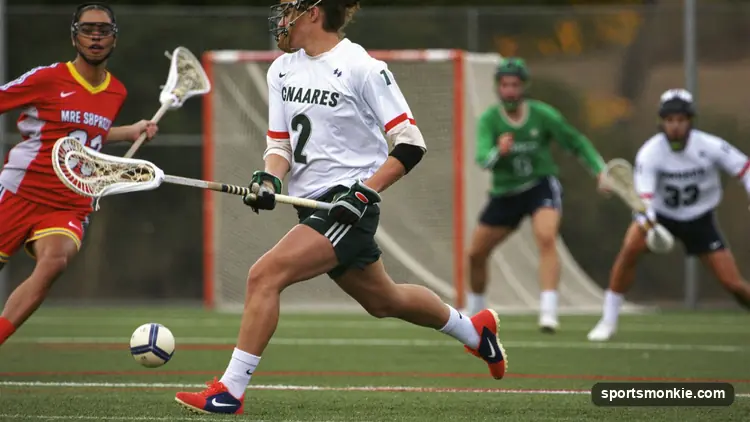
Can You Kick the Ball in Lacrosse? The Rule Explained
Yes, you can kick the ball in men's lacrosse, and you can even score by kicking it. The women's game restricts it more. Here is exactly what the rules allow.

How to Cradle a Lacrosse Ball: Technique for Beginners
To cradle a lacrosse ball, move the stick head in a smooth curved arc so the ball stays pressed in the pocket. Learn one-hand and two-hand cradling here.