
Is Lacrosse Hard to Learn? An Honest Beginner Assessment
On this page7
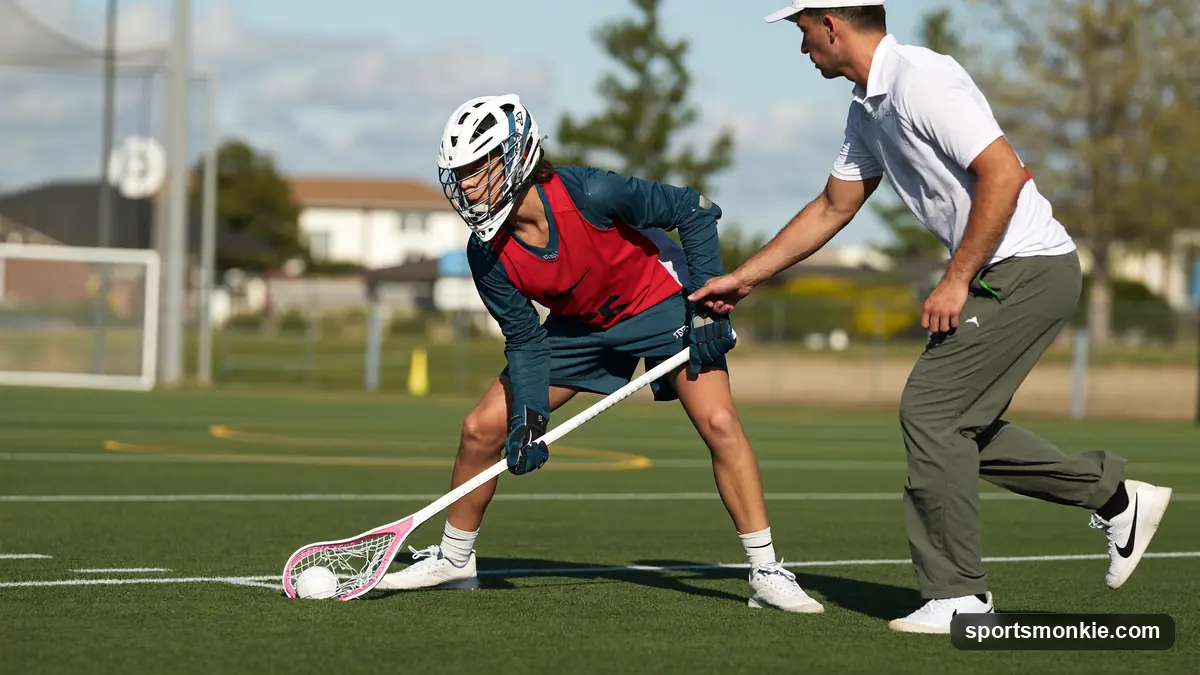
Lacrosse is moderately hard to learn, and the difficulty is almost entirely front-loaded into one skill: handling the netted stick. Cradling, catching, and throwing an airborne ball feels alien for the first few weeks because no other mainstream sport asks you to carry a ball in a net on the end of a pole. Get past that, and most athletic beginners can hold their own in a recreational game inside a single season.
The honest version: the athletic parts of lacrosse, running, dodging, defending, come quickly if you already play soccer, hockey, or basketball. The stick is the wall everyone hits first. How fast you climb it comes down to one boring, effective drill.
What actually makes lacrosse hard
It is the stick, full stop. A lacrosse head is strung with mesh, and the ball rides in that pocket while you run, which means you are constantly “cradling,” a small rocking motion of the wrists that keeps the ball secure. New players either lose the ball every few steps or grip so tightly the throw goes nowhere. According to coaching guidance from USA Lacrosse, wall-ball, repeatedly throwing and catching against a solid wall, is the single fastest way to build these mechanics.
Everything else is more familiar. The rules are learnable in an afternoon, positioning mirrors other invasion sports, and fitness carries straight over. Contact adds complexity in the men’s field game, but you can learn stick skills long before you ever take a check.
The learning curve, skill by skill
Not every part of lacrosse takes the same time. Here is an honest breakdown of how long each core skill takes an athletic adult beginner practicing a few times a week.
| Skill | Difficulty | Time to basic competency |
|---|---|---|
| Scooping ground balls | Moderate | 1-2 weeks |
| Catching (strong hand) | Moderate | 2-4 weeks |
| Cradling on the run | Hard early | 2-4 weeks |
| Throwing accurately | Moderate | 3-6 weeks |
| Off-hand (weak side) skills | Hard | 3-12 months |
| Shooting with pace | Moderate-Hard | 1-2 months |
| Dodging past a defender | Moderate | Season-long refinement |
The pattern is clear. Your strong hand becomes usable within a month, which is enough to join a beginner game. The off-hand is the long project, and it is what separates a first-year player from someone who looks natural.
How long until you can actually play?
For a recreational or beginner-league game, plan on a few weeks of consistent wall-ball plus one or two team practices to learn spacing. You will not be smooth, but you will be able to catch a pass, carry the ball, and make a throw, which is enough to contribute.
To feel genuinely comfortable, competent with both hands, confident under light pressure, most players need close to a full season. That timeline shortens sharply for anyone arriving from ice hockey (transferable stick-handling instincts) or soccer (footwork and field vision). Our lacrosse drills for beginners guide lays out the exact wall-ball and ground-ball reps that shrink that first month.
Is it too late for an adult to start?
No, and this is the question we hear most. Stick skill rewards repetition far more than age, so a motivated adult who does 15 minutes of wall-ball daily will out-improve a talented teenager who never touches the wall. Adult beginner leagues exist specifically for this, and they run at a lower-contact, learn-as-you-go pace. Our roundup of adult lacrosse leagues covers where to find a welcoming entry point.
The one thing you cannot fully make up for by starting late is off-hand polish. Elite players built ambidextrous stick skills through years of childhood reps. As a late starter you can absolutely become good, you just may always favor your strong side slightly. For rec and club play, that is a non-issue.
Which position is easiest to learn?
Defense is the most forgiving entry point for a raw beginner. A long-pole defender relies more on positioning, footwork, and simple checks than on delicate offensive stick work, so you can be useful while your catching and throwing are still rough. Attack demands the sharpest stick skills and the most confident finishing, so it punishes newcomers hardest. If you are picking a first position, defense buys you time to build the stick.
Goalie is its own path: reflexes and courage matter more than field stick skills, and a fearless athlete can be competitive quickly, though it is mentally demanding.
How the men’s and women’s games differ for a beginner
The version you start with changes the difficulty curve. Men’s field lacrosse adds body checking and stick checks, so a beginner has to learn to protect the ball under contact on top of the stick work. That extra layer makes the men’s game feel more physically demanding early on, and it is why pads and a helmet are mandatory.
Women’s lacrosse is a lower-contact game with different stick rules, and the shallower pocket on a women’s stick actually makes cradling and catching trickier to master, since the ball is less secure in the head. So neither version is simply “easier”: the men’s game front-loads physicality, and the women’s game front-loads finesse. Beginners tend to progress fastest in whichever matches their instincts, a naturally physical athlete in the men’s game, a touch-and-timing player in the women’s. Our overview of women’s lacrosse positions is a useful starting map if that is the version you are learning.
The honest bottom line
Lacrosse is harder to start than most field sports and easier to keep improving at than it first feels. The netted stick makes the first month humbling, and anyone who quits usually quits there, before wall-ball has done its work. Push through those weeks and the game opens up fast.
Ready to commit? The cheapest way to accelerate is a good beginner stick and a wall. Our guide to the best lacrosse sticks for beginners helps you buy one that forgives early mistakes instead of amplifying them, which matters more in your first season than any drill.
Freshness note: skill timelines are experience-based estimates, not fixed rules; re-check USA Lacrosse coaching resources for updated beginner training guidance each season.
We dig into a related angle in Lacrosse vs Soccer.
Frequently asked questions
Is it too late to start lacrosse?+
No. Plenty of people pick up lacrosse in high school, college club, or adult leagues and become solid players. Stick skills reward practice more than youth, so an athletic beginner who commits to wall-ball can close the gap fast. Starting later mainly costs you polish on your weak hand, not the ability to play.
Is lacrosse a good sport for beginners?+
Yes, with the right entry point. Girls' and women's lacrosse and adult rec leagues are welcoming and lower-contact, so newcomers can learn without heavy collisions. The main hurdle is the netted stick, which no other mainstream sport uses. Once catching and throwing click, the rest of the game is intuitive for anyone with field-sport instincts.
Is lacrosse the hardest sport to learn?+
No, but it is harder to start than most because of the stick. Sports like ice hockey and gymnastics arguably demand more before you can play at all. Lacrosse's difficulty is front-loaded: the first month feels awkward, then it clicks. Endurance-heavy or highly technical sports have a steeper long-term curve.
Sources
Play & tools
Free browser games and tools — no account, no download.
- Play today's Sports Connections — Today's Sports Connections — daily hints, answers, and play the grid.
- Play Guess the NFL Player — A new mystery NFL player every day. Eight guesses, with a clue on each — plus free unlimited mode.
- Explore all our games →
Related guides
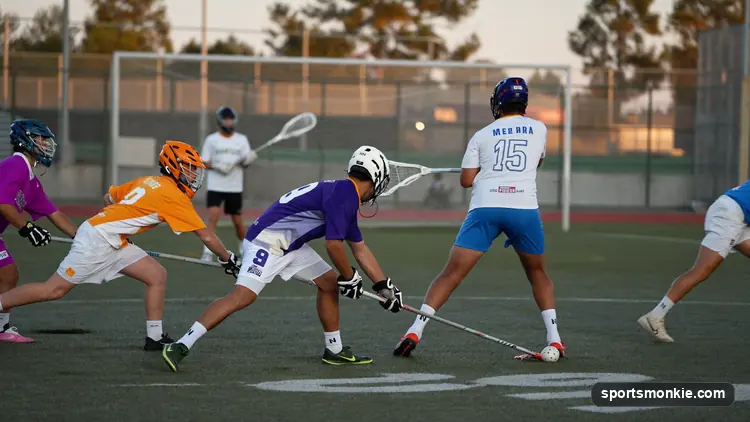
Adult Lacrosse Leagues: How to Find One and What They Cost
Adult lacrosse leagues run roughly $100-250 a season. Here is how to find one near you, what the divisions mean, and whether it's too late to start.
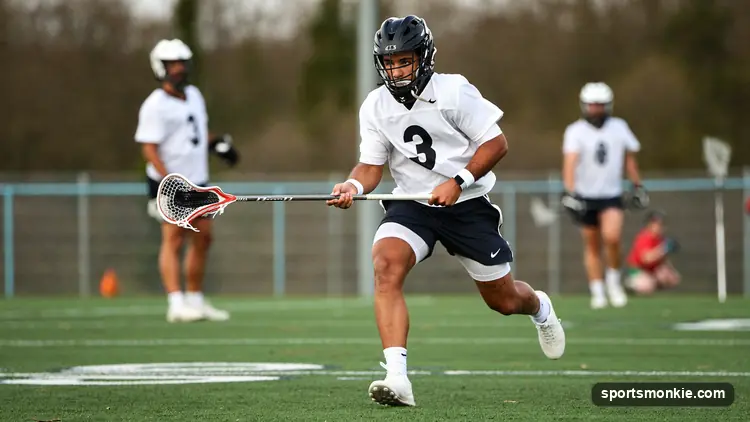
How to Catch a Lacrosse Ball: Soft Hands in 3 Steps
To catch a lacrosse ball, present a target, give with the ball as it arrives, then cradle. Learn the soft-hands technique and beginner drills in three steps.

How to Cradle a Lacrosse Ball: Technique for Beginners
To cradle a lacrosse ball, move the stick head in a smooth curved arc so the ball stays pressed in the pocket. Learn one-hand and two-hand cradling here.

Lacrosse Equipment List: Everything You Need to Play
The full lacrosse equipment list: a men's player needs a helmet, gloves, and pads; a girls' player needs eyewear, a mouthguard, and a stick. Checklist inside.
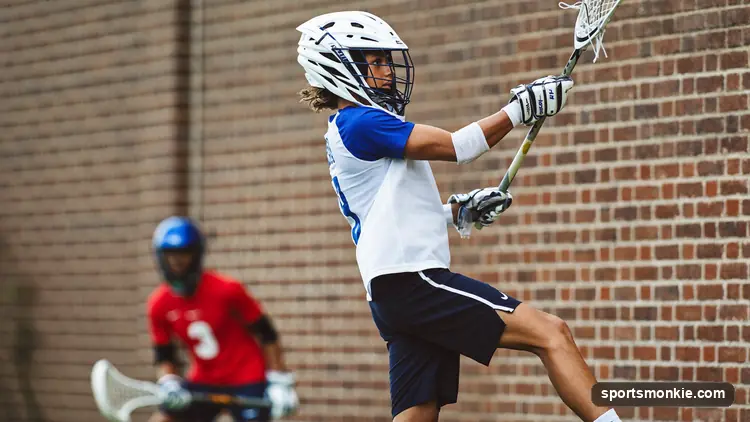
The Lacrosse Wall Ball Routine That Builds Elite Stick Skills
A lacrosse wall ball routine that builds elite stick skills: a rep-by-rep plan of right-hand, left-hand, quick-stick, and behind-the-back throws.
The Attackman Position in Lacrosse
An attackman is an offensive lacrosse player who stays on the attacking half to score and feed. The role, sticks and skills explained.